DbcultAccessing Vault...
Cult Review
Senior Film Conservator
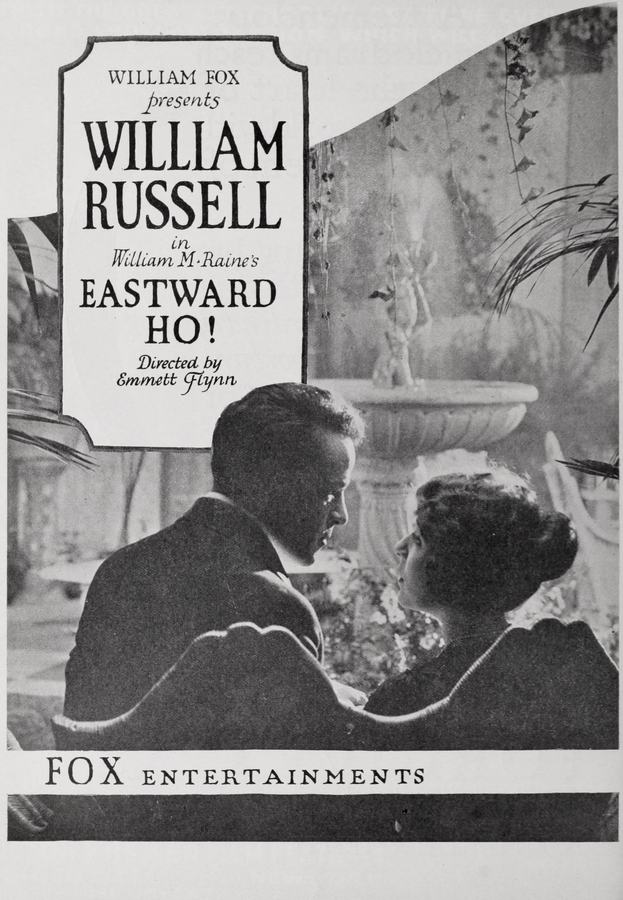
The flickering shadows of the silver screen, often dismissed as relics of a bygone era, occasionally yield cinematic treasures that transcend their temporal confines. Eastward Ho!, a compelling silent drama from 1922, is precisely such a gem, a vibrant tapestry woven with threads of frontier justice, metropolitan corruption, and the timeless agony of a love caught in a web of deceit. It’s a film that, even a century later, speaks volumes about human nature, the allure of power, and the enduring quest for redemption. From its very inception, the narrative plunges us into a world of stark contrasts, pitting the rugged honesty of the American West against the perceived moral ambiguities of the Eastern establishment. This isn't merely a tale of good versus evil; it's a nuanced exploration of how easily intentions can be misinterpreted and how swiftly the innocent can become ensnared in the machinations of the wicked.
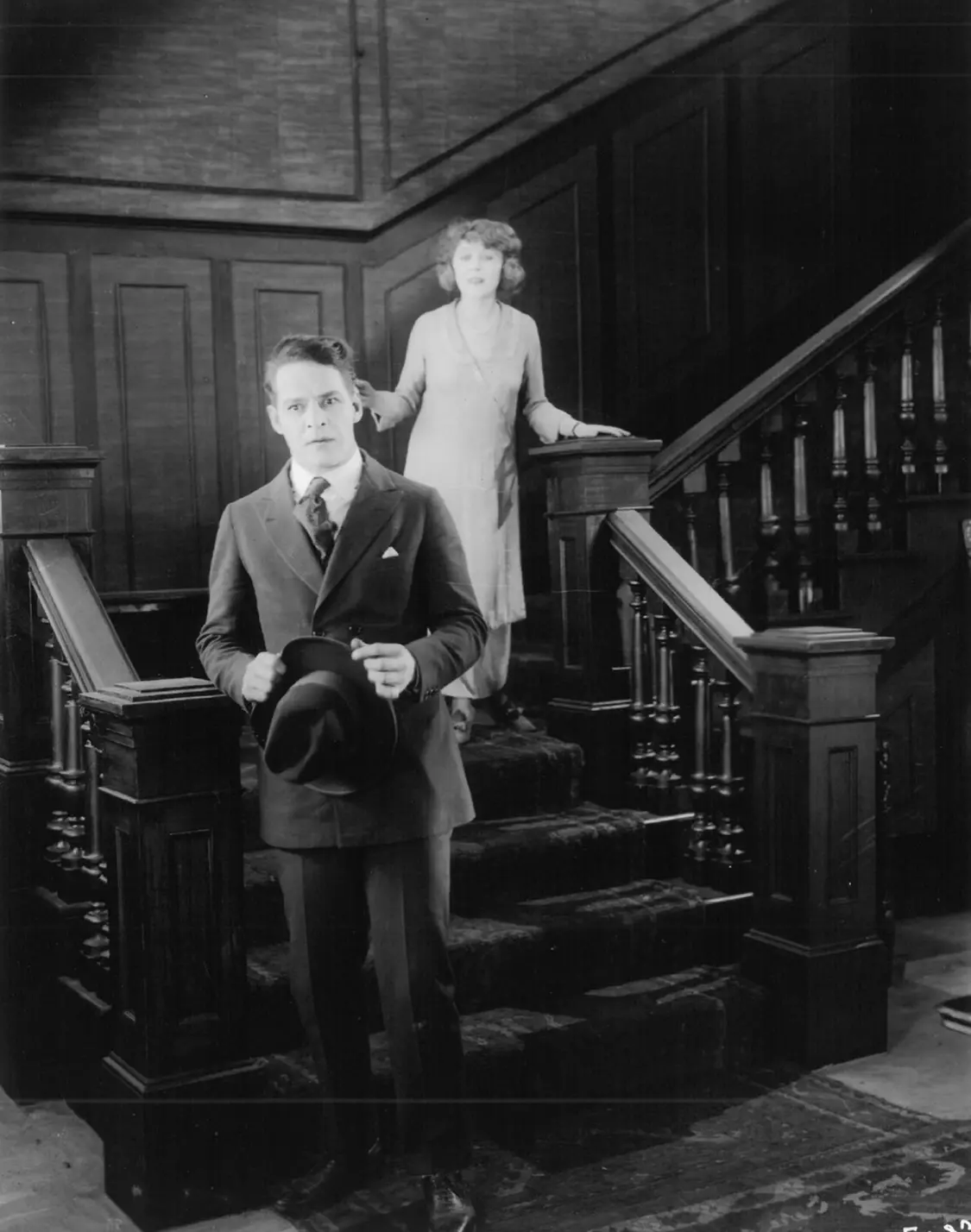
At its heart, Eastward Ho! unfurls a narrative that, while rooted in the specific anxieties of its time, resonates with universal themes. The story commences on the sun-drenched plains of Arizona, where a collective of ranchers finds themselves victims of a sophisticated, distant swindle. Their cattle options, their livelihoods, have been cunningly siphoned away by an enigmatic Eastern syndicate. This act of blatant injustice ignites a firestorm of indignation, prompting the community to dispatch their most trusted and capable representative, Buck Lindsay (portrayed with stoic conviction by Colin Chase), to the sprawling, bewildering metropolis of New York. Lindsay’s journey is more than a geographical relocation; it signifies a symbolic crossing from a world governed by clear-cut principles to one where the lines of morality are often blurred by ambition and greed.
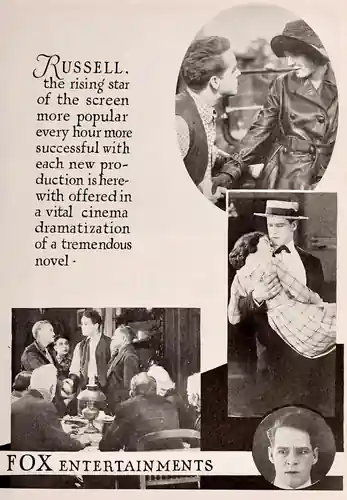
Upon arrival, Buck confronts the syndicate's purported leader, Casper Whitford (Charles A. Stevenson), anticipating a ruthless adversary. Yet, in a masterful stroke of narrative complexity, the film reveals Whitford to be an unwitting pawn, a figure whose reputable facade masks the insidious machinations occurring beneath his very nose. This twist immediately elevates the drama beyond a simplistic good-versus-evil dichotomy, introducing layers of human fallibility and the pervasive nature of deception. Whitford, aghast at the revelation of the swindle, pledges his assistance to Buck, aligning with him to expose the true architect of the fraud: the nefarious Clarendon Bromfield (William Russell). Bromfield emerges as a truly formidable antagonist, embodying the cunning and ruthlessness that defines the film's urban underbelly.
As the pursuit of justice intensifies, an unexpected emotional entanglement blossoms. Buck Lindsay, the quintessential man of the West, finds his resolve tested by the captivating presence of Whitford's daughter, Beatrice (Mary Hay). Their burgeoning romance introduces a potent element of vulnerability and complication into Buck's already perilous mission. The film masterfully uses this romantic subplot not as a mere distraction, but as an integral engine driving the larger conflict. The purity of their affection stands in stark contrast to the deceit swirling around them, making their eventual separation all the more poignant. A cruel misunderstanding, a common yet effective dramatic device in silent cinema, leads Beatrice to accept a marriage proposal from none other than Bromfield. This pivotal moment solidifies Bromfield's position, granting him not only a temporary victory in love but also a shield against Buck's relentless pursuit of justice. It mirrors the kind of tragic romantic entanglements seen in other films of the era, where societal pressures and miscommunications could lead to devastating consequences, perhaps even echoing the complex relationship dynamics in The Wife He Bought, though with a different moral core. The sheer audacity of Bromfield’s maneuver, intertwining his personal desires with his criminal endeavors, showcases the depth of his villainy.
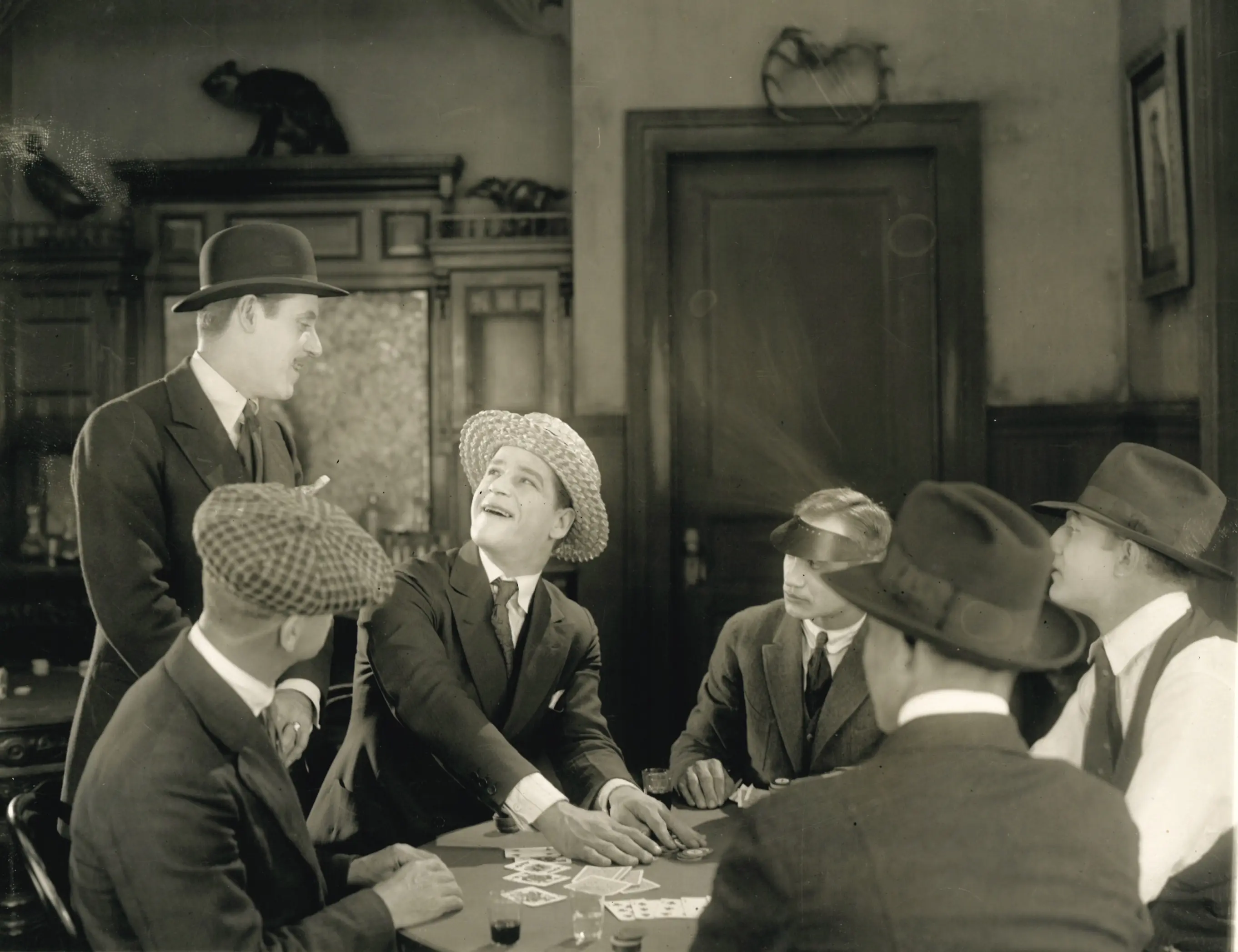
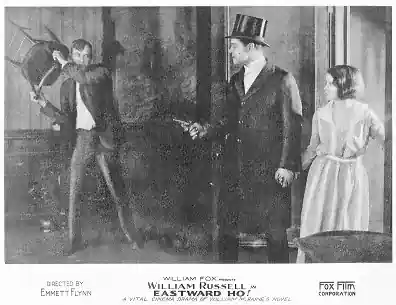
The dramatic stakes are ratcheted up further when Bromfield, now emboldened and sensing an opportunity to permanently eliminate his adversary, conspires with the notorious gangster Jerry Durand (Johnny Hines). Their malevolent alliance culminates in a meticulously orchestrated frame-up, implicating Buck in a murder he did not commit. This development transforms the initial financial dispute into a desperate struggle for survival and reputation. The innocent hero, caught in a web of circumstantial evidence and perjured testimony, must now fight not only for justice for his community but for his very freedom. The tension here is palpable, a testament to the writers Roy Somerville and William MacLeod Raine, who crafted a plot brimming with twists and turns, ensuring the audience remained captivated throughout. The narrative’s ability to pivot from a financial thriller to a murder mystery without losing its thematic coherence is a remarkable achievement for its time.
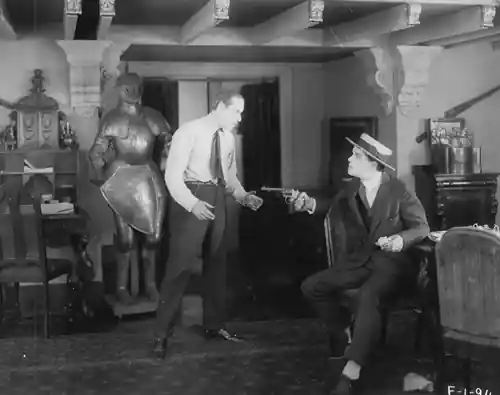
The success of any silent film hinges profoundly on the expressive capabilities of its cast, and Eastward Ho! is fortunate in this regard. Colin Chase, as Buck Lindsay, embodies the archetypal Western hero – rugged, honorable, and unwavering in his pursuit of justice. His performance is a masterclass in conveying deep emotion through subtle gestures and powerful gazes, allowing the audience to fully invest in his plight. Mary Hay, as Beatrice Whitford, brings a delicate vulnerability and inner strength to her role, making her character’s predicament genuinely heart-wrenching. Her transition from hopeful romantic to a woman torn by conflicting loyalties is portrayed with remarkable nuance. William Russell’s portrayal of Clarendon Bromfield is chillingly effective. He eschews overt villainy for a more insidious brand of malice, making Bromfield a truly memorable antagonist whose suave exterior masks a rotten core. His performance ensures that the audience actively roots for his downfall. The supporting cast, including Carl Hyson, Dorothy Dickson, Lucille Lee Stewart, Robert Cain, and Thomas Delmar, contribute effectively to the film's rich atmosphere, each playing their part in building the tension and emotional depth of the story. The ensemble's ability to communicate complex motivations and emotional states without spoken dialogue is a powerful reminder of the artistic prowess of silent era actors. This collective dedication to conveying narrative through movement, facial expression, and tableau vivante is what truly elevates the film beyond a simple potboiler.
Eastward Ho! serves as an excellent exemplar of silent cinema's unique strengths. The absence of dialogue forces a heightened reliance on visual storytelling – meticulously composed shots, expressive intertitles, and the aforementioned powerful performances. The film's direction, while not attributed in the provided details, demonstrates a keen understanding of cinematic rhythm and dramatic pacing. The contrast between the expansive vistas of the West and the claustrophobic grandeur of New York is visually striking, effectively reinforcing the thematic clash of cultures and values. The film leverages its visual language to build suspense, convey emotion, and advance the plot with remarkable clarity, proving that a story's impact is not solely dependent on audible words. This reliance on visual narrative can be seen across the genre, from the sweeping historical epics to more intimate dramas like My Own United States, each using the medium's inherent strengths to tell their stories. The evocative power of the score, which would have accompanied its original screenings, would have further amplified the emotional resonance, guiding the audience through moments of suspense, romance, and despair.
The thematic undercurrents are particularly potent. The clash between the perceived honesty of the frontier and the perceived duplicity of the urban landscape is a recurring motif in American storytelling, and Eastward Ho! tackles it with compelling directness. Buck Lindsay’s journey is not just about recovering stolen funds; it’s about upholding a moral code, a sense of justice that feels threatened by the impersonal machinations of big city finance and crime. The film also delves into the corrupting influence of power and wealth, as personified by Bromfield, who uses his position not only for financial gain but also to manipulate personal relationships and evade accountability. This examination of systemic corruption, and the individual's struggle against it, gives the film a depth that transcends simple entertainment, urging viewers to consider the broader implications of unchecked ambition. It’s a theme that, even today, remains profoundly relevant, resonating with contemporary anxieties about corporate ethics and political transparency. The film’s ability to explore such weighty themes without ever feeling didactic is a testament to its narrative craftsmanship.
Despite its age, Eastward Ho! remains a remarkably engaging and thought-provoking film. It’s a testament to the enduring power of classic storytelling, where well-developed characters, a gripping plot, and universal themes converge to create a timeless experience. For enthusiasts of silent cinema, it offers a rich example of the genre's artistic achievements, showcasing how effectively emotions and complex narratives could be conveyed without the aid of spoken dialogue. For newcomers, it provides an accessible entry point into understanding the foundational elements of film as an art form, demonstrating that compelling drama doesn't require modern special effects or intricate sound design. The film’s dramatic tension, particularly in the latter half, is expertly maintained, keeping audiences on the edge of their seats as Buck navigates the treacherous landscape of false accusations and desperate escape. The narrative’s careful construction, building from a financial crime to a desperate fight for life, ensures that the stakes are continuously escalating, making the resolution all the more satisfying. It’s a compelling argument for the preservation and appreciation of these early cinematic works, which often hold profound insights into the cultural landscape of their creation and the timeless aspects of the human condition.
In an era when films like His Own Home Town explored the moral fiber of American communities, Eastward Ho! stands as a vibrant example of how popular entertainment could also challenge societal norms and celebrate individual resilience. The writers, Roy Somerville and William MacLeod Raine, clearly understood the ingredients for a captivating story, balancing action, romance, and intrigue with a deft hand. Their narrative, while perhaps relying on some familiar tropes of the era, executes them with such conviction and dramatic flair that they feel fresh and impactful. The film’s ability to create such a vivid world, populated by memorable characters and driven by high stakes, underscores its enduring quality. It’s a reminder that true cinematic artistry isn’t bound by technological advancements but by the timeless appeal of a well-told story. Revisiting Eastward Ho! is not just an act of historical appreciation; it’s an opportunity to engage with a powerful drama that continues to resonate with the fundamental struggles of justice, love, and survival. Its legacy is a testament to the enduring power of early cinema to captivate and provoke, proving that even a century on, its silent echoes can still reverberate with profound meaning and emotional depth.
IMDb —
1923
Community
Log in to comment.