United States
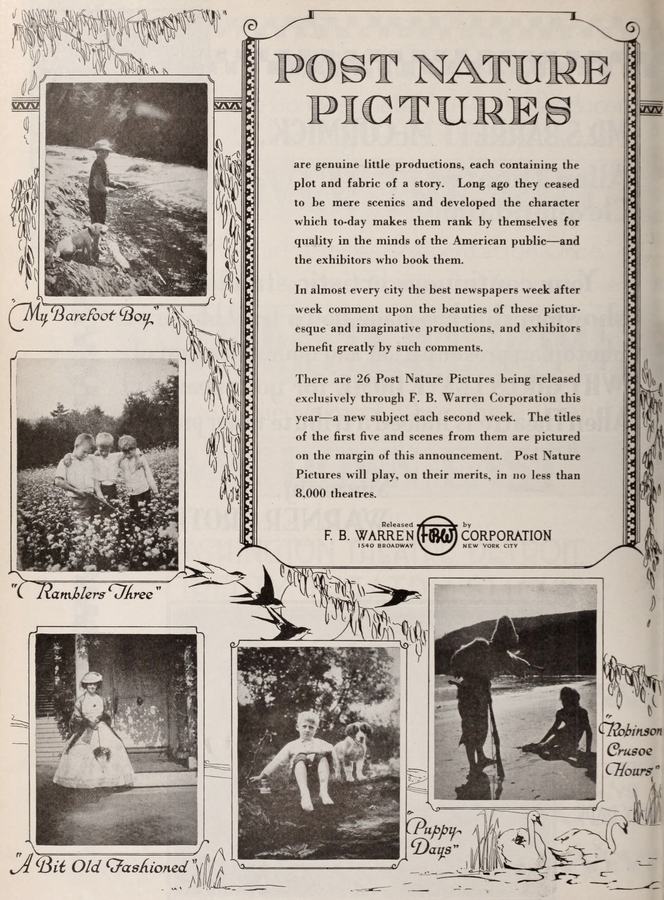
body{background:#000;color:#fff;font-family:Georgia,serif}h2{color:#EAB308;font-size:24px;margin:20px 0}p{color:#fff;line-height:1.8}strong{color:#C2410C}em{color:#0E7490} My Barefoot Boy (1924) is a relic of cinematic history that, despite its age, pulses with a timeless urgency. Directed by Clyde E. Elliott, this ...
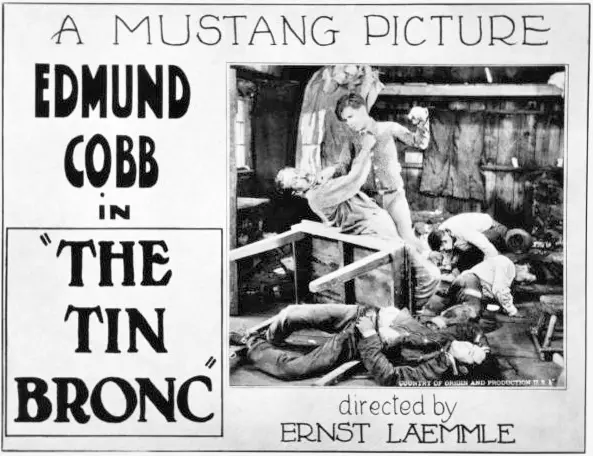
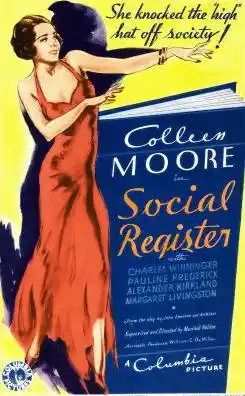
Comparing the cinematic DNA and archive impact of two defining moments in cult history.
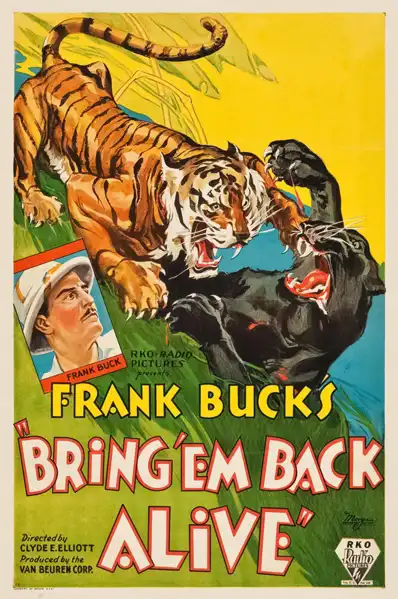
Clyde E. Elliott
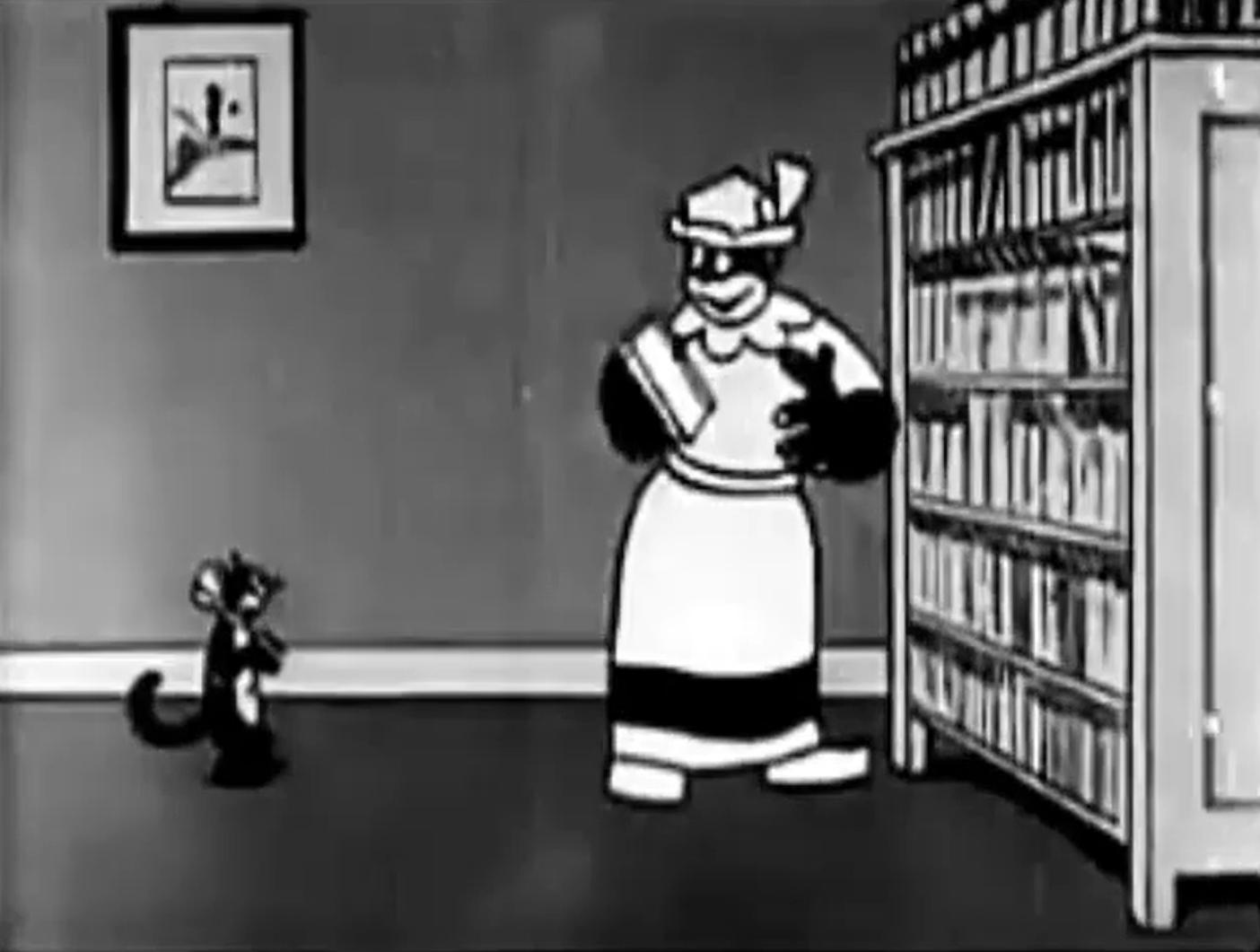
Frank Moser
Community
Log in to comment.
"body{background:#000;color:#fff;font-family:Georgia,serif}h2{color:#EAB308;font-size:24px;margin:20px 0}p{color:#fff;line-height:1.8}strong{color:#C2410C}em{color:#0E7490} My Barefoot Boy (1924) is a relic of cinematic history that, despite its age, pulses with a timeless urgency. Directed by Clyde E. Elliott, this silent film emerges as a hauntingly beautiful exploration of the human condition, rendered through the lens of a young man’s unyielding struggle against the socioeconomic tides of ..."
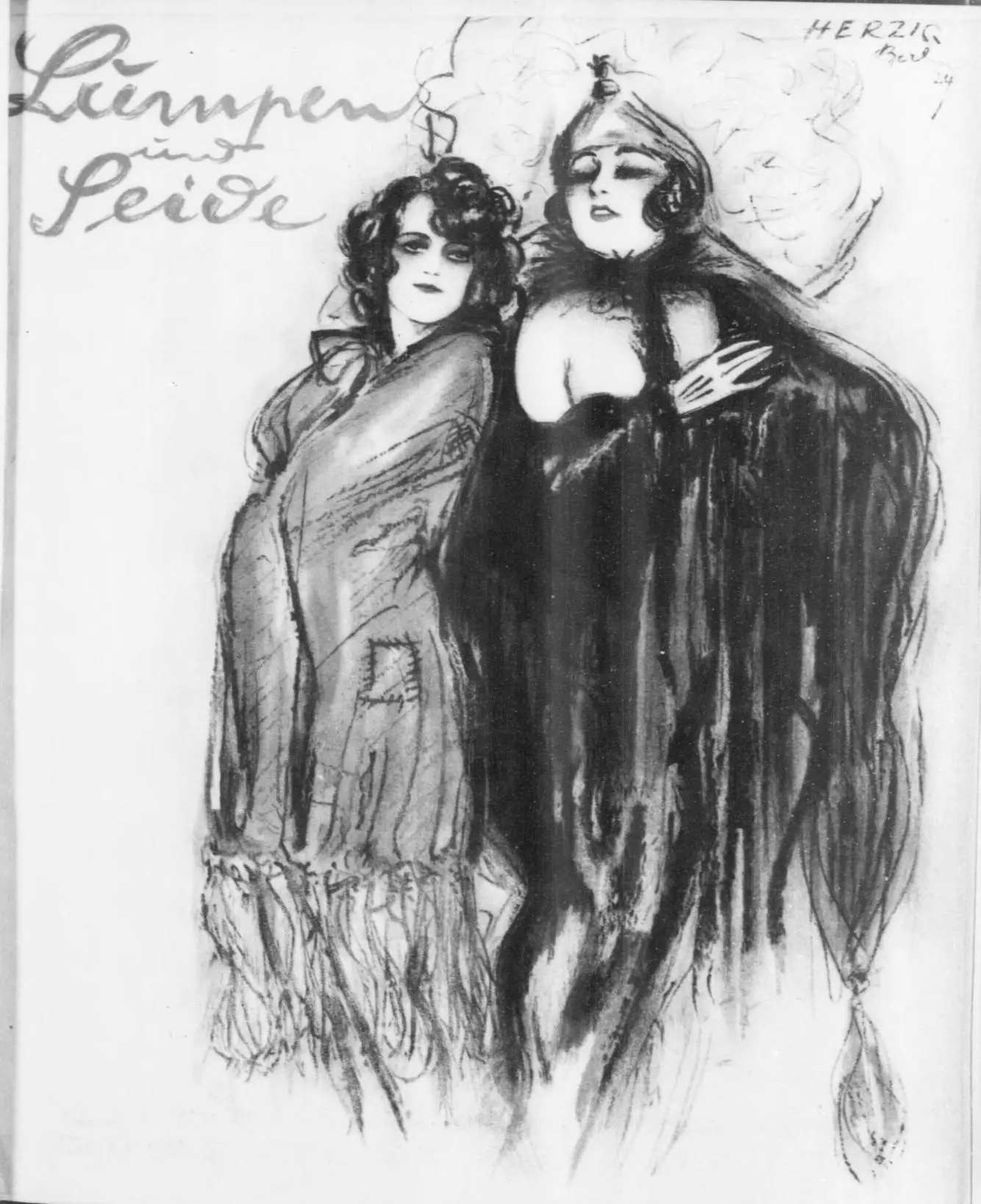
Deep dive into the cult classic
Discover similar cinematic experiences
A Directorial Spotlight on Clyde E. Elliott