DbcultAccessing Vault...
Cult Review
Senior Film Conservator
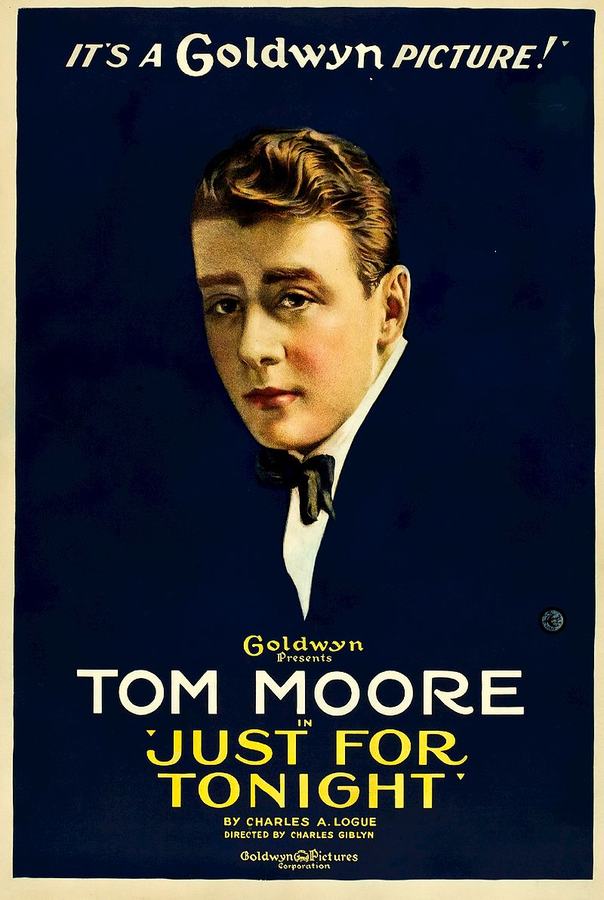
Stepping back into the hallowed halls of early cinema, one often discovers narratives that, despite their age and the absence of spoken dialogue, resonate with timeless appeal. Such is the case with Just for Tonight, a delightful confection from 1918 that masterfully weaves together threads of romantic entanglement, mistaken identity, and high-stakes larceny. Directed with a nimble hand, and penned by the collaborative talents of Charles Logue and J. Clarkson Miller, this film stands as a testament to the ingenuity of silent storytelling, proving that a compelling plot and charismatic performances can transcend the limitations of their medium. It’s a vibrant snapshot of an era where cinematic language was still being invented, yet already capable of intricate emotional and narrative depth.
The narrative engine of Just for Tonight kicks into gear with the dutiful Theodore Whitney, Jr., portrayed with youthful exuberance by Tom Moore, dispatched by his formidable father, Theodore Whitney, Sr., on a crucial mission: to retrieve a missing stock certificate. This seemingly mundane task quickly morphs into an adventure of the heart when young Ted encounters the captivating Betty Blake, brought to life with an alluring blend of grace and mystery by Ethel Grey Terry. Betty, the niece of the esteemed Major Blackburn (Robert Broderick), becomes the immediate object of Ted’s affections, setting the stage for a romance that is both spontaneous and, given the circumstances, rather complicated. The Major’s home, recently subjected to a perplexing robbery, serves as the primary setting for the ensuing romantic and criminal machinations.
The plot thickens with the arrival of a detective, disguised as the aristocratic Lord Roxenham, tasked with investigating the Major's unfortunate incident. This is where the film truly begins to sparkle with its comedic and dramatic potential. Ted, utterly smitten and desperate to spend more time in Betty's enchanting company, seizes an audacious opportunity. He bribes the genuine investigator, a bold move that allows him to assume the identity of Lord Roxenham for one night. This act of romantic subterfuge is both charmingly reckless and utterly pivotal, propelling the story into a delightful spiral of deception. His efforts to woo Betty under this borrowed guise are earnest, if ill-conceived, and form the emotional core of his initial motivations. The tension between his genuine feelings and his fabricated identity adds a layer of poignant humor to their interactions.
Just as Ted’s romantic charade seems to be gaining traction, the narrative introduces its most significant complication: the sudden and entirely unexpected appearance of the real Lady Roxenham, played with an intriguing ambiguity by Maude Turner Gordon. Her arrival throws Ted into a predictable panic, threatening to expose his elaborate lie and, worse, alienate Betty, who naturally feels bewildered and betrayed by this sudden revelation. It’s a classic comedic setup, executed with a silent film’s knack for visual gags and exaggerated expressions. Remarkably, Lady Roxenham, exhibiting an unexpected flair for theatricality or perhaps a keen sense of self-preservation, agrees to participate in the ongoing deception. This twist elevates the stakes considerably, transforming a simple romantic ruse into a full-blown conspiratorial act involving multiple parties, each with their own hidden agendas.
However, the film is not content to merely play out a comedic romance. The underlying mystery of the robbery resurfaces with renewed vigor when Ted, ever the unwitting hero, catches Lady Roxenham in the act of attempting to crack the Major’s safe. This pivotal moment shatters the illusion of her aristocratic innocence, exposing a far more sinister plot. Following his alert to the household, a dramatic confrontation ensues, revealing Lady Roxenham and the seemingly unassuming butler (Henry Hallam) as a notorious pair of professional thieves. This revelation is a testament to the clever scripting by Charles Logue and J. Clarkson Miller, who deftly intertwine the romantic comedy with elements of a thrilling crime drama. The unmasking of the true culprits provides a satisfying resolution to the initial mystery, while simultaneously adding depth to the characters’ earlier interactions.
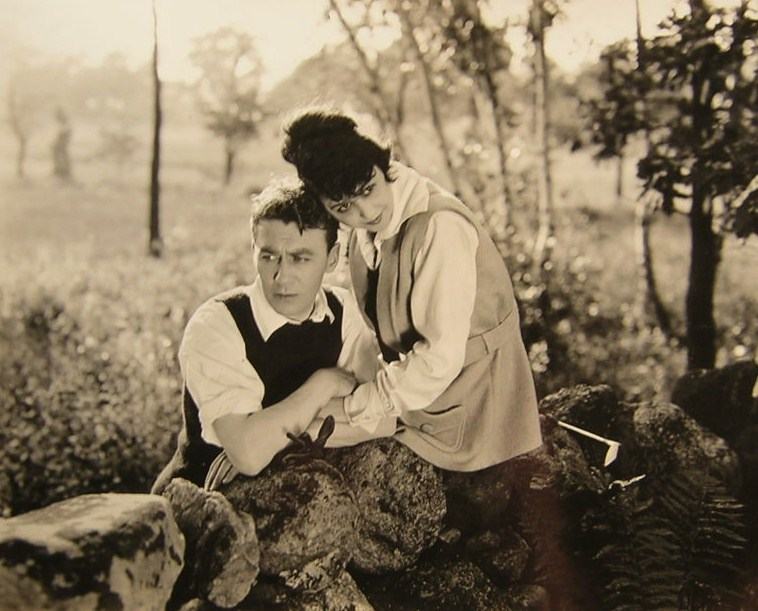
In the aftermath of the foiled robbery and exposed identities, Betty’s own motivations come to light. It is revealed that she had been attempting to purchase the very Whitney stock certificate that Ted was originally sent to retrieve. This revelation cleverly ties the disparate threads of the plot together, revealing that her initial interactions with Ted were not entirely accidental, adding a layer of pragmatic ambition to her enchanting persona. With all deceptions unraveled and the true nature of their respective quests laid bare, Betty accepts Ted’s marriage proposal, and the recovered profits from the stock are equitably shared between them. It’s a quintessential happy ending, reinforcing themes of love, honesty, and justice, all delivered with the charming simplicity characteristic of early 20th-century cinema.
The success of any silent film hinges significantly on the expressive capabilities of its cast, and Just for Tonight is no exception. Tom Moore, as Theodore "Ted" Whitney Jr., delivers a performance that is both earnest and endearingly naive. His portrayal of a young man caught between duty and burgeoning love is particularly effective; his wide-eyed enthusiasm and panicked reactions to the complications of his deception are genuinely funny and relatable. Moore’s physical comedy and ability to convey complex emotions without dialogue are crucial in making Ted a sympathetic and engaging protagonist. He embodies the classic romantic hero, albeit one prone to impulsive decisions and charming blunders.
Ethel Grey Terry, as Betty Blake, provides a compelling counterpart to Moore's Ted. Her Betty is not merely a damsel in distress or a passive love interest; she possesses an inner strength and a subtle agency that hints at her own hidden agenda long before it is explicitly revealed. Terry's ability to convey both vulnerability and shrewdness through her expressions and gestures makes Betty a more complex and interesting character than she might have been in less capable hands. Her presence adds a touch of sophistication and intrigue, making their burgeoning romance feel earned despite its whirlwind nature. One might draw a parallel to the nuanced female leads found in other silent films of the era, such as those in A Girl Like That, where female characters often navigate societal expectations with a surprising degree of independence and resourcefulness.
The supporting cast also plays a vital role in elevating the film. Robert Broderick’s Major Blackburn, while not extensively developed, serves as a solid foundation for the plot’s criminal elements, his plight providing the catalyst for the detective’s arrival and Ted’s subsequent impersonation. Henry Sedley, initially appearing as the disguised detective Lord Roxenham, manages to convey both authority and a surprising willingness to be corrupted by Ted's bribe, adding to the film’s lighthearted cynicism regarding societal roles. Maude Turner Gordon, as the unexpected Lady Roxenham, is particularly memorable. Her character's transformation from an elegant, seemingly offended aristocrat to a cunning thief is a standout performance, executed with a blend of subtlety and dramatic flair that would have captivated audiences of the time. Her ability to pivot from one persona to another, even in the silent medium, speaks volumes about her acting prowess. And Henry Hallam, as the seemingly innocuous butler, provides the perfect foil, his understated presence masking a villainous intent, a trope expertly deployed to surprise the audience.
The screenplay by Charles Logue and J. Clarkson Miller is arguably the backbone of Just for Tonight’s enduring appeal. They construct a narrative that, while relying on classic tropes of mistaken identity and hidden motives, manages to feel fresh and engaging. The pacing is brisk, a hallmark of well-executed silent comedies and thrillers, ensuring that the audience remains captivated by the unfolding events. The writers demonstrate a keen understanding of how to build comedic tension through escalating misunderstandings, and how to punctuate these with moments of genuine dramatic revelation. The intertwining of Ted’s romantic pursuit with the larger criminal plot is handled with considerable finesse, avoiding jarring shifts in tone and instead creating a cohesive, multifaceted story. The dialogue, conveyed through intertitles, is sharp and serves to advance the plot efficiently while also providing character insight and comedic beats.
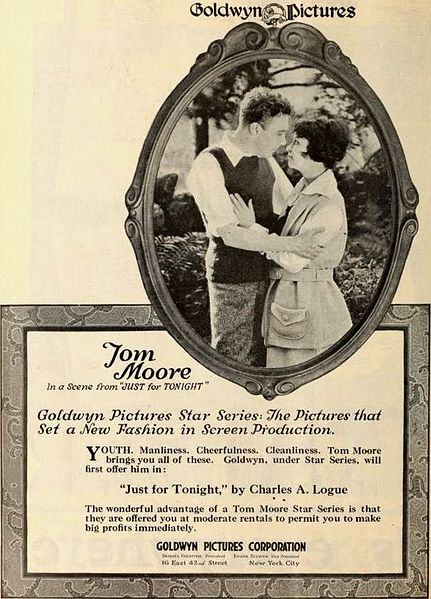
One of the screenplay’s strengths lies in its ability to continually introduce complications that challenge the protagonists and surprise the audience. The unexpected arrival of the real Lady Roxenham is a prime example, a masterstroke that not only heightens the comedic tension but also sets up the dramatic reveal of her true nature. The eventual revelation of Lady Roxenham and the butler as the true culprits is a satisfying payoff, demonstrating a well-structured plot with logical, if surprising, conclusions. The writers effectively use misdirection, allowing the audience to be as fooled as some of the characters, only to pull back the curtain at the opportune moment. This narrative sophistication is reminiscent of the intricate plotting seen in other contemporary films, like The Trouble Buster, which similarly relies on a series of escalating predicaments to drive its story forward.
Just for Tonight exists within a fascinating period of cinematic history, the late 1910s, when film was rapidly evolving as an art form and a popular entertainment medium. It showcases many of the conventions that defined silent cinema: broad gestures, expressive facial acting, and reliance on intertitles to convey dialogue and crucial plot points. The film’s production values, while perhaps modest by today’s standards, would have been perfectly acceptable for its time, with clear cinematography that effectively captures the action and emotions. The use of dramatic lighting and set design, though not overly elaborate, serves the narrative well, creating distinct atmospheres for the stately Blackburn home and the moments of furtive crime.
The theme of mistaken identity, so central to Just for Tonight, was a popular device in early cinema, allowing for both comedic situations and dramatic tension. This trope can be seen in various forms across the silent era, from farcical comedies to more serious dramas. For instance, the intricate web of deception and hidden motives in Just for Tonight bears a thematic resemblance to the convoluted plots found in films like The Burglar, which also explored the intersection of crime and personal relationships, albeit with a different tonal approach. Similarly, the romantic entanglements set against a backdrop of societal expectations and secrets might bring to mind elements present in The Reckoning, another film that navigates complex human interactions.
Furthermore, the film’s blend of romance, mystery, and lighthearted crime aligns it with a particular lineage of silent features that sought to entertain through clever plotting and engaging character dynamics. It’s a far cry from the grand historical epics or social dramas of the era, instead opting for a more intimate, yet equally thrilling, narrative. The film's ability to maintain a sense of playful intrigue while still delivering genuine suspense is a testament to its craftsmanship. It exemplifies how early filmmakers were adept at crafting narratives that could hold an audience's attention using visual storytelling alone, leveraging every gesture, every intertitle, and every close-up to maximum effect.
Ultimately, Just for Tonight is more than just a historical curiosity; it is a genuinely entertaining piece of cinema that holds up remarkably well for its age. Its charm lies in its spirited performances, its cleverly constructed plot, and its ability to evoke both laughter and suspense. The film’s resolution, with its blend of romance and equitable justice, leaves the viewer with a sense of satisfaction, a warm embrace of classic storytelling. It reminds us that fundamental human desires—love, belonging, and justice—are universal and timeless, capable of being explored and celebrated across different eras and cinematic forms.
For cinephiles and casual viewers alike, revisiting Just for Tonight offers a delightful glimpse into the nascent stages of narrative filmmaking. It’s a reminder of the foundational elements that continue to define popular cinema: compelling characters, engaging conflicts, and a satisfying resolution. The film serves as an excellent example of how the silent era, far from being primitive, was a period of immense creativity and innovation, producing works that, even without spoken words, communicate with remarkable clarity and emotional impact. It's a film that asks us to suspend our disbelief, to embrace the theatricality of its time, and in doing so, rewards us with a truly memorable cinematic experience. Its legacy is not in grand statements, but in its perfect execution of a simple, yet utterly captivating, tale of love, lies, and larceny. A true little gem, indeed.
IMDb 6
1932
Community
Log in to comment.