DbcultAccessing Vault...
6.4/10
Senior Film Conservator
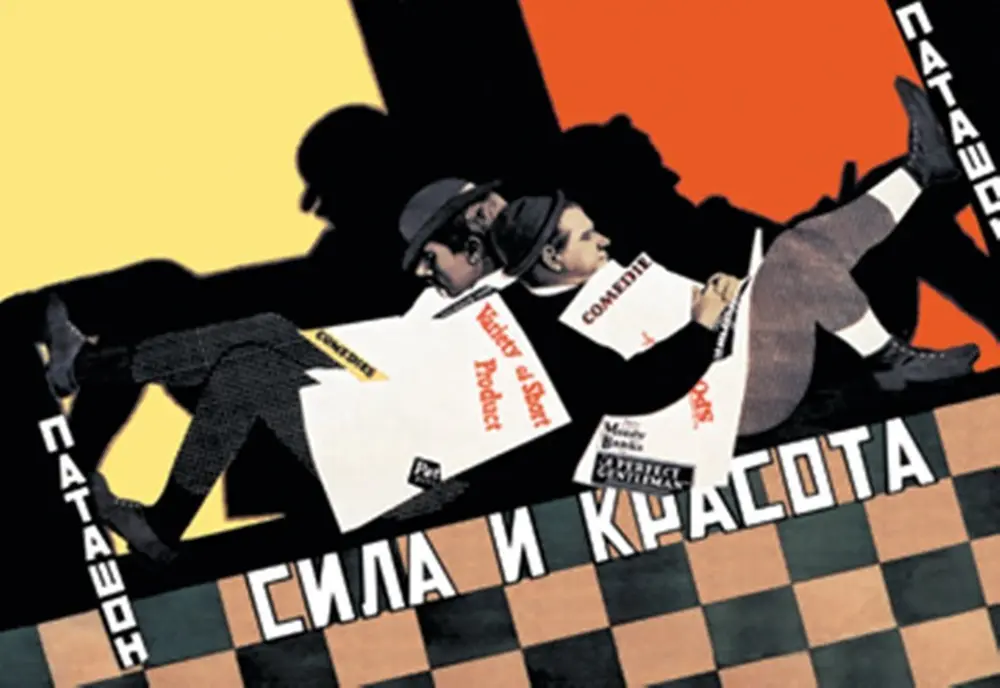
A definitive 6.4/10 rating for a film that redefined the boundaries of cult cinema. Kraft og skønhed remains a cornerstone of transgressive art.
Is 'Kraft og skønhed' worth watching today? The short answer is a resounding yes, but with significant caveats, particularly for those unaccustomed to the unique rhythms of early 20th-century Danish cinema. This film is an essential watch for cinephiles interested in the foundational elements of European melodrama and silent film history, but it is unequivocally not for viewers seeking fast-paced narratives or contemporary storytelling conventions.
Lau Lauritzen's 'Kraft og skønhed' is a fascinating artifact, a silent film that, despite its age, still manages to speak volumes about human desire and societal pressure. It’s a challenging watch, certainly, but one that rewards patience with a surprisingly rich thematic core and some truly compelling performances.
This film works because of its unflinching character study and its bold visual contrasts, which articulate its central themes with remarkable clarity for its era. It asks profound questions about value, love, and the corrupting influence of wealth.
This film fails because its pacing can feel glacial to modern eyes, and some narrative resolutions lean heavily into melodramatic contrivances that might test contemporary patience. The emotional beats are often telegraphed rather than subtly implied.
You should watch it if you appreciate rich character performances, allegorical storytelling, and the historical significance of early European cinema, especially works that grapple with societal shifts. It’s a window into a bygone era of filmmaking.
At its core, 'Kraft og skønhed' is a timeless tale of temptation and integrity, dressed in the visual language of the silent era. It explores the perennial conflict between material wealth and spiritual fulfillment, using the classic trope of a woman caught between two vastly different men. Elise, portrayed with captivating grace by Kate Fabian, embodies the 'beauty' of the title – not just physically, but as an artist whose soul seeks genuine connection.
Her dilemma is the film's engine: does she yield to the opulent yet emotionally barren world offered by the industrial magnate Christian Vinter, a man who personifies 'power' in its most imposing form? Or does she remain true to Karl, the earnest factory worker whose love is as unadorned as his working-class existence? This narrative framework, while familiar, is handled with a sincerity that transcends its melodramatic trappings.
The film doesn't just present this choice; it dissects it. It shows the subtle allure of Vinter's world – the lavish gowns, the grand parties, the promise of artistic patronage – against the backdrop of Karl's humble, yet honest, affection. There’s a palpable tension in Elise's internal struggle, a struggle that feels surprisingly modern despite the film’s age.
What struck me most was the film's almost sociological gaze at the burgeoning industrial landscape. The factories, the machinery, the sheer scale of Vinter's empire aren't just settings; they are characters in themselves, humming with a cold, indifferent power that threatens to overwhelm human connection. This focus elevates it beyond a simple love triangle.
The success of any silent film hinges entirely on its actors' ability to convey complex emotions without dialogue, relying on facial expressions, body language, and the occasional intertitle. In this regard, 'Kraft og skønhed' largely succeeds, primarily due to its central trio.
Kate Fabian, as Elise, delivers a performance that is both delicate and resilient. Her eyes, often downcast in thought or wide with surprise, speak volumes. Consider the scene where Vinter first presents her with a shimmering silk dress; Fabian's initial hesitation, a subtle tightening of her jaw, quickly gives way to a glimmer of fascination. It’s a moment of pure, understandable human weakness, beautifully played. Her internal conflict is never in doubt.
Engelstoft Philip Bech, as Christian Vinter, is the embodiment of imposing, almost predatory, power. He doesn't need to shout; his presence alone is menacing. His subtle smirk when he believes he has won Elise over, or the chillingly calm way he dismisses Karl, are masterful. He creates a villain who is not a caricature, but a man driven by an insatiable desire to possess, whether it be industry or beauty.
Harald Madsen, playing Karl, provides the film’s emotional anchor. While some might argue his character is a little too archetypal – the strong, honest working man – Madsen infuses Karl with a genuine warmth and an unwavering gaze that makes his devotion to Elise entirely believable. His moments of quiet despair, particularly after Elise seemingly chooses Vinter, are genuinely heartbreaking, relying solely on the slump of his shoulders and the sorrow in his eyes. It’s a performance of understated power.
The ensemble cast, featuring talents like Maria Garland and Ludvig Petersen in smaller but impactful roles, adds texture to this world. They provide the societal backdrop against which Elise's personal drama unfolds, offering reactions and subtle judgments that reinforce the film's themes of class and expectation.
Lau Lauritzen's direction, while perhaps not as overtly experimental as some of his contemporaries, is remarkably effective in 'Kraft og skønhed'. He understands the power of visual storytelling, using juxtaposition and symbolic imagery to great effect. The film constantly contrasts two worlds: the grime and honest labor of the factory versus the polished, often sterile, opulence of Vinter's mansion.
A particularly striking example is the use of parallel editing. Lauritzen frequently cuts between Elise enjoying a lavish, impersonal dinner with Vinter and Karl eating a simple, solitary meal in his modest home. These cuts aren't just for narrative progression; they are a visual argument, reinforcing the emotional and moral stakes of Elise's choice. This technique, though common today, was handled with impressive clarity here.
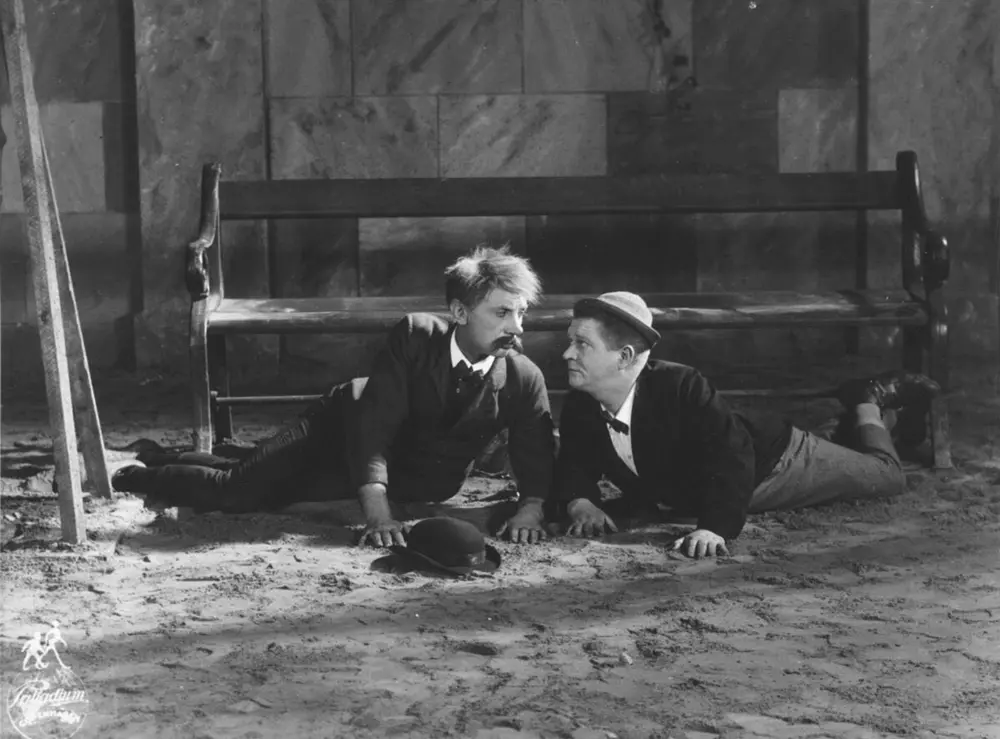
The cinematography is another standout element. There's a particular shot early in the film, a wide angle of the factory floor, smoke billowing, machinery churning, that conveys a sense of overwhelming, almost inhuman, force. This stark image is then contrasted with a tender close-up of Elise sketching, her delicate hand movements a stark counterpoint to the industrial might. The camera work consistently draws these thematic parallels, making the film a visual allegory.
Furthermore, the use of light and shadow is masterfully employed to delineate character and mood. Vinter is often framed in imposing shadows, his face partially obscured, hinting at his manipulative nature. Karl, by contrast, is frequently bathed in natural light, signifying his honesty and transparency. It’s a simple but effective technique that speaks directly to the film’s core message.
Lauritzen's ability to orchestrate these visual cues, combined with the actors' expressive performances, creates a cohesive and compelling cinematic experience. It truly demonstrates the communicative power of the silent medium when in skilled hands.
The pacing of 'Kraft og skønhed' is undeniably deliberate, a characteristic common to many films of its era. For modern viewers accustomed to rapid-fire editing and constant narrative propulsion, it can feel slow. The story unfolds gradually, allowing scenes to breathe and emotions to simmer. This isn’t a flaw, per se, but rather a stylistic choice that requires a different kind of engagement from the audience.
The film leans heavily into melodrama, a genre that thrives on heightened emotions, moral dilemmas, and often, tragic outcomes. There are moments of genuine pathos, particularly in Elise's internal struggles, and moments of clear-cut villainy from Vinter. While some of these beats might feel a bit overwrought by today's standards, they were the emotional currency of the time.
However, I would argue that the film occasionally sacrifices nuanced character development for the sake of its allegorical message. Karl, in particular, often feels more like a symbol of 'goodness' than a fully fleshed-out human being, which can make his journey less compelling than Elise's. This is a common pitfall of didactic storytelling, and 'Kraft og skønhed' isn't entirely immune.
Despite this, the overall tone is one of earnest inquiry. It's not cynical, but rather deeply concerned with the moral choices its characters face. The film asks us to consider what truly constitutes a rich life, and its answer, while perhaps predictable, is delivered with conviction.
Absolutely, 'Kraft og skønhed' holds significant value for contemporary audiences, albeit a niche one. It's a journey into the origins of cinematic storytelling.
For film historians, it’s an invaluable piece of Danish cinema, showcasing the talents of its cast and crew. For enthusiasts of silent film, it offers a compelling example of visual storytelling at its most expressive.
It's a film that demands patience and an appreciation for a different kind of narrative rhythm. It won't appeal to everyone, especially those who prefer modern blockbusters or rapid-fire dialogue.
But for those willing to engage with its particular charms, it offers a surprisingly resonant exploration of timeless themes. It works. But it’s flawed.
Its allegorical nature, contrasting love and ambition, ensures its themes remain relevant. The visual artistry, particularly the cinematography, is still impressive.
One surprising observation is how the film subtly critiques the very 'power' it depicts. Vinter's world, while alluring, is presented as ultimately empty, a gilded cage devoid of genuine human warmth. This isn't just a simple morality tale; it's a commentary on the soul-crushing aspects of unchecked capitalism, a surprisingly prescient theme for a film of its era.
'Kraft og skønhed' is a film that truly deserves to be rediscovered, not just as a historical curiosity, but as a compelling piece of storytelling. While its pacing and adherence to silent-era melodramatic conventions might require a degree of patience, the rewards are substantial. The film’s powerful visual language, combined with genuinely affecting performances, creates an experience that transcends its age.
It’s a bold statement, but I believe 'Kraft og skønhed' offers a more nuanced and visually articulate exploration of its core themes than many of its more celebrated contemporaries. Its ability to convey complex societal critiques through a simple, human drama is commendable.
This is a film for those who appreciate the artistry of early cinema, who aren't afraid of a slower burn, and who find value in stories that explore the perennial struggles of the human heart against the backdrop of societal forces. It’s a quiet triumph, a testament to the enduring power of silent film.
Ultimately, 'Kraft og skønhed' is a film that lingers. It prompts reflection on our own choices between fleeting grandeur and lasting connection. It’s a powerful, beautiful experience, even with its understandable flaws. Give it a chance; you might just be surprised by its quiet resonance.
IMDb 6
1935
Community
Log in to comment.