Summary
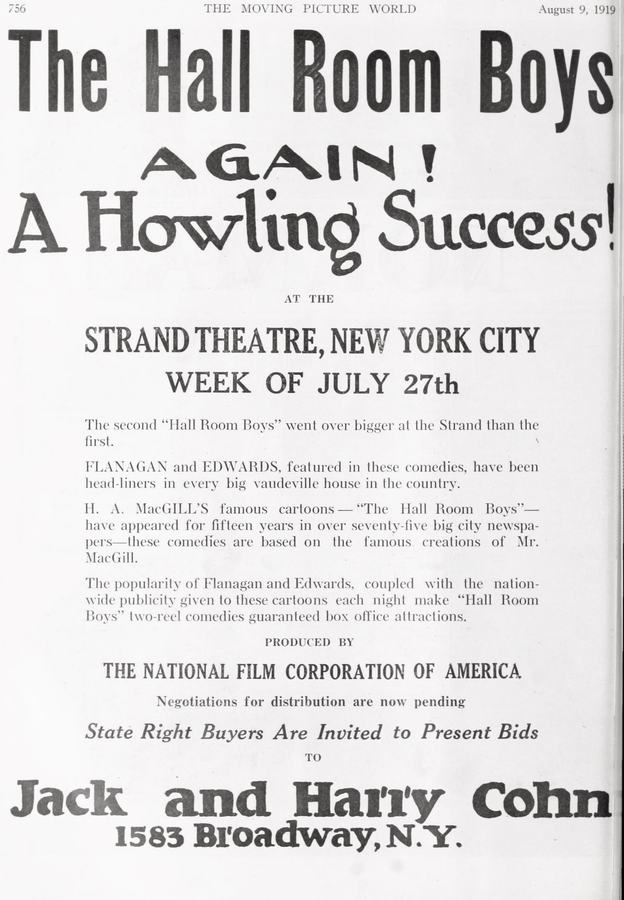
A rattletrap train barrels toward Cactus Junction, its cargo a vaudevillian whirlwind named Neely Edwards, a beanpole song-and-dance man whose shoestring troupe is one bounced check away from the poorhouse. When the company’s scenery is impounded by a small-town sheriff over an unpaid hotel bill, Neely—equal parts hoofer, grifter, and inveterate optimist—parlays his last nickel into a scheme that would make P. T. Barnum blush: he sells the locals on the notion that his ragtag players are actually a prestigious metropolitan repertory, then bets every cent on a single night’s performance inside a tumbledown opera house that smells of kerosene and mouse nests. Enter Edward Flanagan, a stone-faced railroad auditor sent to audit the very line that carried the troupe; he arrives clutching ledgers like a deacon with scripture, determined to expose graft in the stationmaster’s office, yet unprepared for the carnival of chaos that Neely ignites. Over twenty-four delirious hours, the film becomes a pinball machine of mistaken identities: Flanagan is drafted as the troupe’s “dramaturgical adviser,” a role he interprets with Calvinist severity; Neely’s leading lady develops laryngitis from sheer nerves; the town banker, a secret Shakespeare buff, bankrolls the show provided the Bard is bowdlerized beyond recognition; and a fugitive lion from a bankrupt circus ends up in the orchestra pit, purring through a ukulele rendition of “By the Light of the Silvery Moon.” Robert Dillon’s screenplay pirouettes between backstage farce and populist satire, letting every door slam reveal a new angle on American hustle: the way hope is peddled like snake oil, the way art is financed by IOUs, the way a town that has nothing still conjures ticket money because spectacle is cheaper than despair. When the curtain finally rises, the film itself seems to levitate: footlights flicker, greasepaint melts under klieg lamps, and the audience—on-screen and off—discovers that the real commodity being sold is not entertainment but nerve, the audacity to keep pretending you belong onstage even when the spotlight burns holes in your last good suit. The finale is a single, unbroken take that swallows the proscenium whole: Neely tap-dances atop a rolling trunk while Flanagan, now stripped to shirtsleeves, pounds out ragtime on a broken pump organ; townsfolk storm the boards in a frenzy of catharsis; the lion licks custard pie off the leading man’s spats; and somewhere in the rafters a sack of overdue notices flutters down like confetti. When the lights die, the train whistle returns—a mournful chord underscoring the epiphany that every American mirage is financed by tomorrow’s sorrow, yet the grin persists, looney-tuned and indomitable.
Review Excerpt
"
The first time I saw Nothing But Nerve I was hunting for a bathroom in the Eastman House archives and accidentally ducked into a climate-controlled vault where a 16 mm print was breathing on a motorized reel like some sleeping reptile. Ninety-three minutes later I emerged blinking, convinced I’d mainlined moonshine cut with footlight phosphorus. Silent comedies are supposed to be creaky, right? This thing sizzles.
Neely Edwards, that elastic stringbean of a clown, enters frame with a ukulele s..."