DbcultAccessing Vault...
7.4/10
Senior Film Conservator
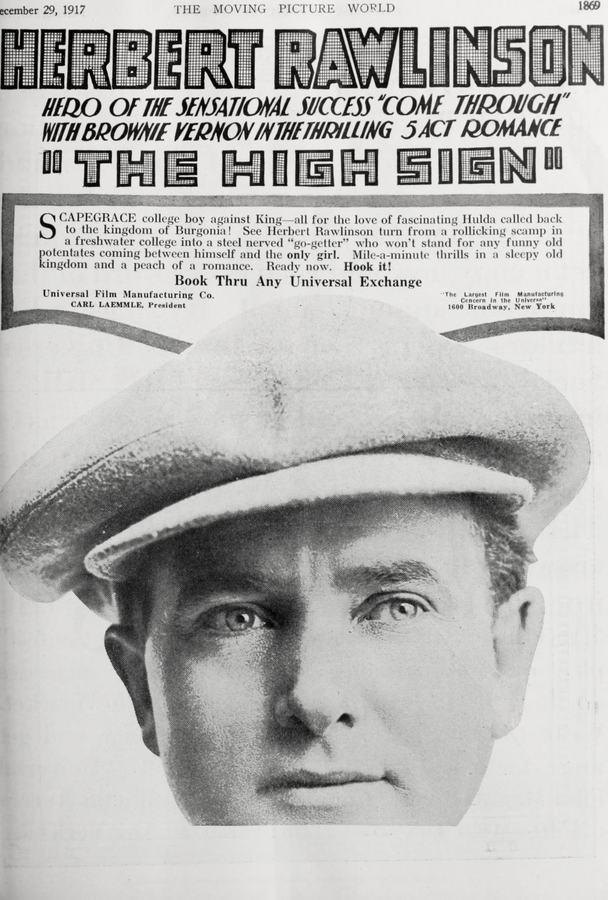
A definitive 7.4/10 rating for a film that redefined the boundaries of cult cinema. The High Sign remains a cornerstone of transgressive art.
Stepping into the flickering glow of early cinema, one often encounters narratives that, despite their age, resonate with a surprising contemporary verve. Such is the case with The High Sign, a film from 1917 that, far from being a mere historical artifact, offers a captivating blend of romantic comedy, adventure, and a meta-narrative twist that was arguably ahead of its time. In an era often characterized by straightforward melodramas and nascent action spectacles, this picture distinguishes itself through its intricate plotting and a playful subversion of audience expectations. It’s a testament to the ingenuity of early screenwriters and directors who, operating within the nascent language of film, managed to craft stories that were both entertaining and subtly thought-provoking. The film doesn't just tell a story; it plays with the very concept of storytelling, blurring the lines between what is perceived and what is real, all while delivering a charming romance wrapped in a cloak of international intrigue.
The narrative core of The High Sign is a masterclass in the art of the narrative sleight-of-hand. We are initially introduced to David Bruce, portrayed with an engaging blend of earnestness and youthful exuberance by Herbert Rawlinson, a collegiate student whose path to fraternity acceptance takes an extraordinarily convoluted turn. His initiation rite is no mere prank; it demands he fully embody a Balkan prince, a proposition that instantly elevates the stakes beyond campus hijinks. This premise alone sets the stage for a delightful comedy of errors, ripe with mistaken identity and the inherent humor of a commoner navigating royal expectations. However, the film quickly pivots from lighthearted farce to genuine peril. En route to the fictional principality, Bruce finds himself unwittingly entangled with a shadowy cabal of anarchists. Their directive? To assassinate the very prince he is meant to impersonate. This sudden injection of high-stakes danger transforms the story from a simple collegiate jest into a thrilling adventure, forcing Bruce to grapple with life-or-death situations stemming directly from his assumed identity.
The tension escalates as Bruce, narrowly escaping the anarchists' clutches, finally arrives at the Balkan state, only to be met with another unexpected decree: a pre-arranged marriage to a princess from a neighboring land. This seemingly insurmountable complication, however, dissolves into romantic serendipity with the revelation that his betrothed is Hulda Maroff, played gracefully by Agnes Vernon – the very coed who had captured his heart back home. This twist, while convenient, plays beautifully into the romantic idealism of the era, suggesting a fated connection that transcends borders and fabricated identities. Their union, forged under such extraordinary circumstances, feels both earned and inevitable within the film's dream logic. Yet, the respite is fleeting. The anarchists, relentless in their pursuit, crash the newlywed bliss, plunging the couple back into a desperate flight for survival. This sequence of frantic escape is punctuated by an ingenious narrative device: the sudden, jarring ring of a telephone, pulling Bruce abruptly from this vivid, elaborate dream. It’s a moment that recontextualizes everything that came before, transforming an epic adventure into a subconscious journey, a powerful exploration of desire and anxiety manifested in a dreamscape.
The film’s ultimate resolution, where a real-world call from Hulda for help prompts Bruce to rally his friends and embark on a genuine rescue, culminating in their actual marriage, serves as a brilliant narrative bookend. It suggests that the dream was not merely an idle fantasy but a prophetic rehearsal, a subconscious working-through of challenges and desires that manifest in reality. This clever structural choice elevates The High Sign beyond a simple adventure tale, imbuing it with a psychological depth rarely seen in films of its period. Writers Waldemar Young and J. Grubb Alexander deserve immense credit for crafting such an intricate and ultimately satisfying plot, demonstrating a keen understanding of how to manipulate audience perception and deliver a story that is both thrilling and emotionally resonant.
The characters, though archetypal to some extent, gain layers of complexity through the film's dream framework. David Bruce, at the heart of this whirlwind, is initially presented as a somewhat naive college student, eager for acceptance. Herbert Rawlinson imbues him with a relatable earnestness, making his transformation from prank participant to unwitting political pawn believable within the dream's heightened reality. His journey through the dream world – from impersonating royalty to evading assassins and finally marrying his love – serves as a crucible, preparing him for the real-world challenge. The dream allows him to explore his courage, resourcefulness, and devotion, skills he immediately puts to use when Hulda's real distress call comes. It’s a fascinating portrayal of a character’s internal growth externally projected, a psychological blueprint for his future actions.
Hulda Maroff, as played by Agnes Vernon, is not merely a damsel in distress but the emotional anchor of the narrative. In the dream, she is the fated princess, the ultimate reward for Bruce’s trials. In reality, she is the urgent call to action, the tangible need that grounds Bruce’s fantastical experiences. Her presence, both as an idealized figure and a woman in need of genuine help, provides continuity and purpose to Bruce’s seemingly disparate experiences. The supporting cast members, including Hayward Mack, Mark Fenton, Nellie Allen, Ed Brady, Albert MacQuarrie, Harry Mann, and Frank MacQuarrie, each contribute to the vibrant tapestry of the dream sequence, populating Bruce's subconscious with figures that propel the plot forward, whether as menacing anarchists or helpful allies. Their performances, though often broad as was common in silent film, are effective in conveying their roles within Bruce's elaborate mental construct. The anarchists, in particular, serve as a primal force of chaos, representing the external threats and internal anxieties that often manifest in dreams. Their relentless pursuit underscores the stakes, both imagined and real.
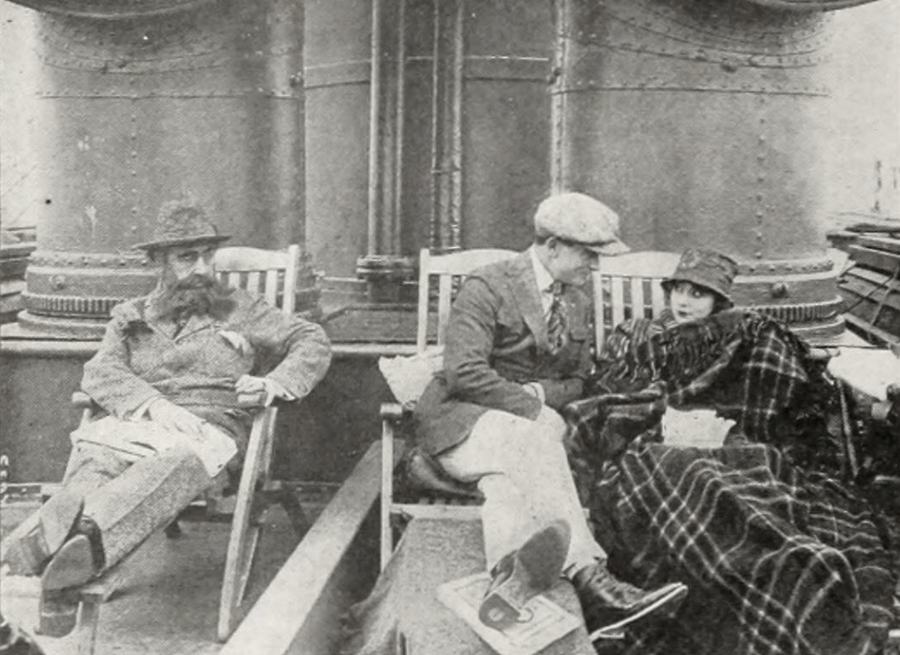
At its heart, The High Sign is a profound meditation on identity and the porous boundaries between self and role. Bruce’s initial impersonation for a fraternity prank quickly morphs into a full-blown existential crisis within his dream, forcing him to confront what it means to be a prince, a target, a hero, and a lover. This exploration of identity is deeply intertwined with the theme of illusion versus reality. The entire Balkan adventure, so vividly rendered, ultimately proves to be a fabrication of the mind, yet its emotional impact and lessons learned are undeniably real. This clever narrative device allows the film to delve into psychological territory that many of its contemporaries shied away from, hinting at the power of the subconscious to process and prepare us for waking life. The dream isn't just a plot device; it's a character in itself, shaping Bruce's journey and understanding.
Moreover, the film champions the enduring power of love. Hulda Maroff is the consistent beacon throughout Bruce’s fantastical journey. Her presence in his dream, first as a fated princess and then as a pursued bride, foreshadows her crucial role in his real life. The fact that his subconscious places her at the center of his grand adventure underscores the depth of his affection and the primary motivation for his heroic actions, both imagined and actual. The film suggests that true love transcends the ephemeral nature of dreams and can manifest as a powerful, motivating force in reality. This romantic idealism, while characteristic of the era, is handled with a genuine warmth that prevents it from feeling saccharine.
As a silent film, The High Sign relies heavily on visual storytelling, and it largely succeeds in this endeavor. The cinematography, though perhaps rudimentary by modern standards, effectively conveys the varying moods of the narrative. From the bustling college campus to the exotic, albeit imagined, Balkan principality, the sets and costume design contribute significantly to the immersion. The sequences involving the anarchists are particularly well-staged, using shadow and frantic movement to create a sense of menace and urgency. The actors, in the absence of dialogue, communicate through exaggerated facial expressions and body language, a hallmark of silent era performances. Herbert Rawlinson's expressive face skillfully conveys Bruce's confusion, fear, determination, and ultimately, his joy. Agnes Vernon, too, uses her physicality to express Hulda's charm and vulnerability. The pacing of the film, from the initial comedic setup to the thrilling chase sequences and the eventual romantic resolution, is expertly managed, ensuring that the audience remains engaged despite the lack of spoken words. The use of intertitles is sparse but effective, providing necessary plot points without disrupting the visual flow. This delicate balance of visual narrative and textual support is crucial for any silent film, and The High Sign demonstrates a mature understanding of this cinematic language.
Placing The High Sign within the broader context of early 20th-century cinema reveals its unique position. While many films of the era leaned into stark melodrama or straightforward adventure, this picture's clever meta-narrative sets it apart. The trope of mistaken identity, for instance, was a popular comedic device, seen in films like Miss George Washington (1916), where a socialite navigates a series of amusing mix-ups. However, The High Sign elevates this by embedding it within a dream, adding a layer of psychological complexity that transcends mere farce. Similarly, the romantic elements, while a staple of films like The Pretty Sister of Jose (1915), are here interwoven with political intrigue and a profound exploration of the subconscious, making the love story feel both grander and more intimately personal.
The adventure and escapist elements might draw parallels to features like The Lash of Destiny (1916) or The Sunny South or The Whirlwind of Fate (1915), which often plunged their protagonists into perilous situations in exotic locales. Yet, The High Sign distinguishes itself by making this grand adventure ultimately a product of the protagonist's mind, creating a narrative loop that is both innovative and deeply satisfying. Even the political undertones, with the anarchists, could be superficially compared to more serious dramas of political maneuvering like The Boss (1915), but here they are filtered through the lens of a dream, becoming archetypal representations of chaos rather than direct socio-political commentary. This subtle distinction highlights the film's unique approach to genre conventions, blending them into something distinctly its own. The way it handles a complex plot with multiple twists, including the ultimate dream revelation, showcases a narrative sophistication that foreshadows later cinematic techniques, setting it apart from many of its more straightforward contemporaries.
The High Sign stands as a fascinating document of early cinematic ambition. It's a film that dares to be more than just a simple story, instead opting for a layered narrative that rewards attentive viewing. The interplay between David Bruce's dream and his waking reality offers a surprisingly sophisticated take on the human psyche, suggesting that our internal worlds are often rehearsals for our external lives. The performances, particularly Herbert Rawlinson's, are engaging, successfully conveying a wide range of emotions without the aid of spoken dialogue. The careful crafting of the plot by Waldemar Young and J. Grubb Alexander ensures that every twist feels earned, even the grand revelation of the dream sequence.
For modern audiences accustomed to explicit special effects and dialogue-driven plots, The High Sign offers a refreshing glimpse into a period when filmmakers were still discovering the boundless possibilities of the medium. It reminds us that innovation is not solely a product of technological advancement but also of creative storytelling. This film, with its blend of romance, adventure, and psychological depth, is more than just a historical curiosity; it's a testament to the timeless appeal of a well-told story, demonstrating that even a century ago, cinema had the power to transport, entertain, and subtly provoke thought. Its enduring charm lies in its ability to take familiar tropes and twist them into something fresh and memorable, proving that a truly imaginative narrative can indeed stand the test of time. It's a delightful cinematic journey that deserves rediscovery by anyone with an appreciation for the foundational artistry of film.
IMDb —
1926
Community
Log in to comment.