DbcultAccessing Vault...
Cult Review
Senior Film Conservator

Is Faschingszauber worth watching today? Short answer: yes, for a very specific audience, but it comes with caveats that demand an open mind and a degree of historical appreciation. This early German silent film, a fascinating relic from a bygone era, serves as a compelling window into the narrative sophistication and theatrical expressiveness of its time, even if its pacing might challenge modern sensibilities.
It is a film crafted for devotees of silent cinema, particularly those with an interest in Weimar-era German productions and the nuanced performances that defined the period. It is decidedly not for viewers seeking rapid-fire plots, extensive dialogue, or contemporary cinematic techniques.
This film works because of its ambitious thematic exploration of class, identity, and the intoxicating deception of appearances, all set against the vibrant, chaotic backdrop of a carnival. The interplay of its ensemble cast, particularly the nuanced portrayals of longing and societal constraint, elevates what could have been a simple romantic melodrama into something more resonant.
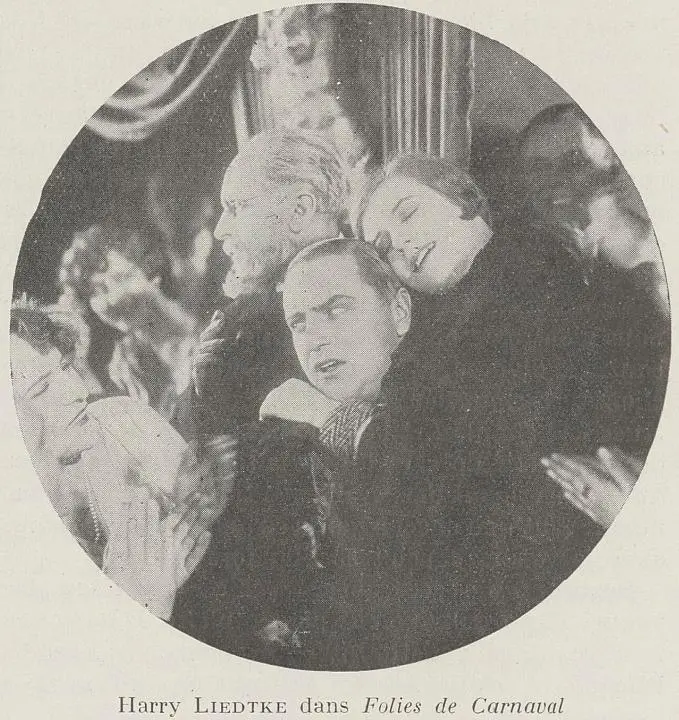
This film fails because its narrative, while thematically rich, occasionally buckles under the weight of its own dramatic contrivances, leading to resolutions that feel less earned and more dictated by the era's conventions. The visual storytelling, while often inventive, can feel repetitive in its emotional cues, a common pitfall of silent filmmaking that requires a particularly astute director to overcome entirely.
You should watch it if you are a student of film history, a silent film aficionado, or someone who appreciates the art of visual storytelling untethered by sound. It offers genuine insight into the craft of early cinema and the societal anxieties it reflected, making it a valuable historical artifact as much as a piece of entertainment.
Walter Reisch’s Faschingszauber, a title that translates to 'Carnival Magic,' immediately sets a stage ripe with potential for illusion and romance. The film delivers on this promise by immersing its audience in the intoxicating atmosphere of a pre-Lenten carnival, a setting that inherently lends itself to mistaken identities and the temporary blurring of social strata. This environment is not merely a backdrop; it is an active participant in the story, a character in itself.
The central conceit revolves around Lotte (Grit Haid), a

IMDb 7
1932
Community
Log in to comment.