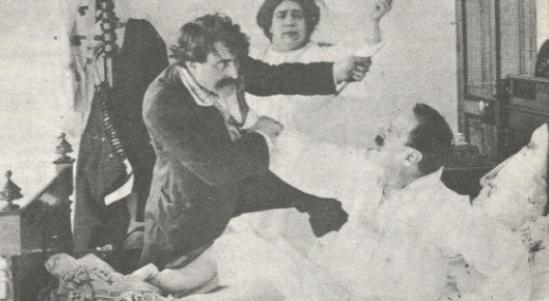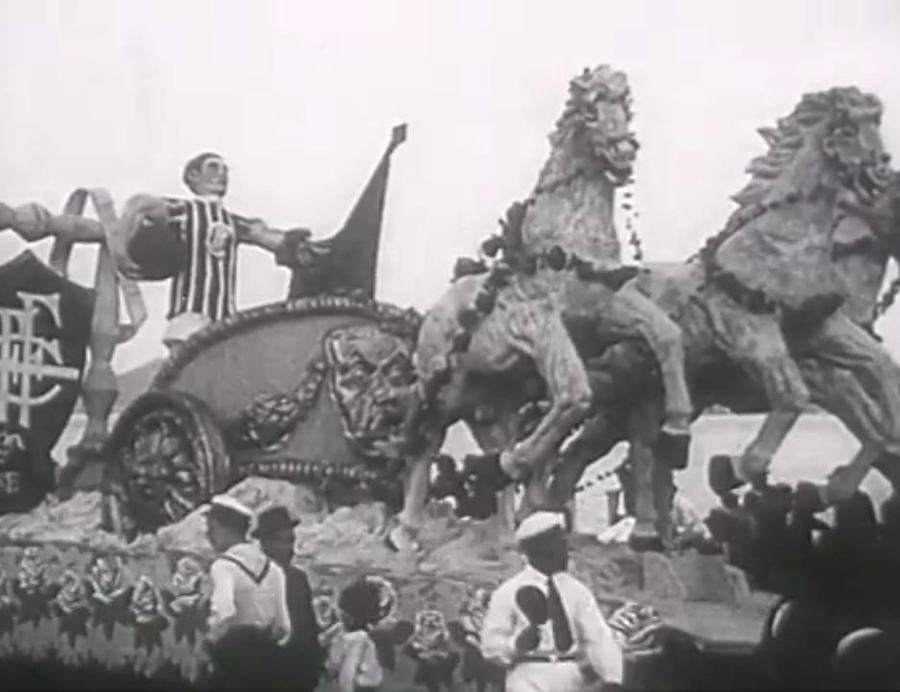
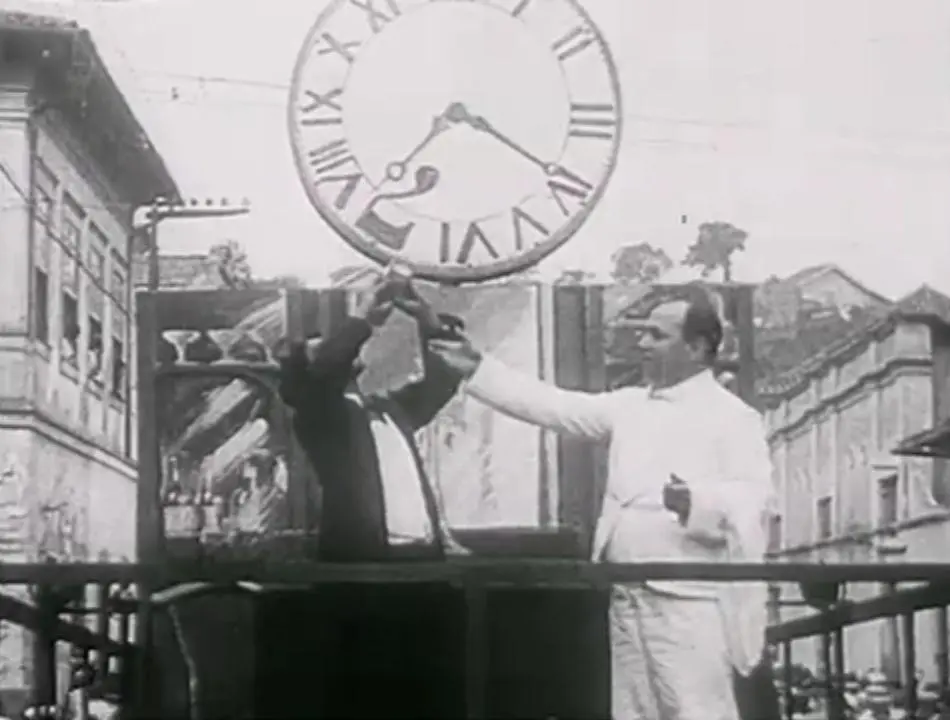
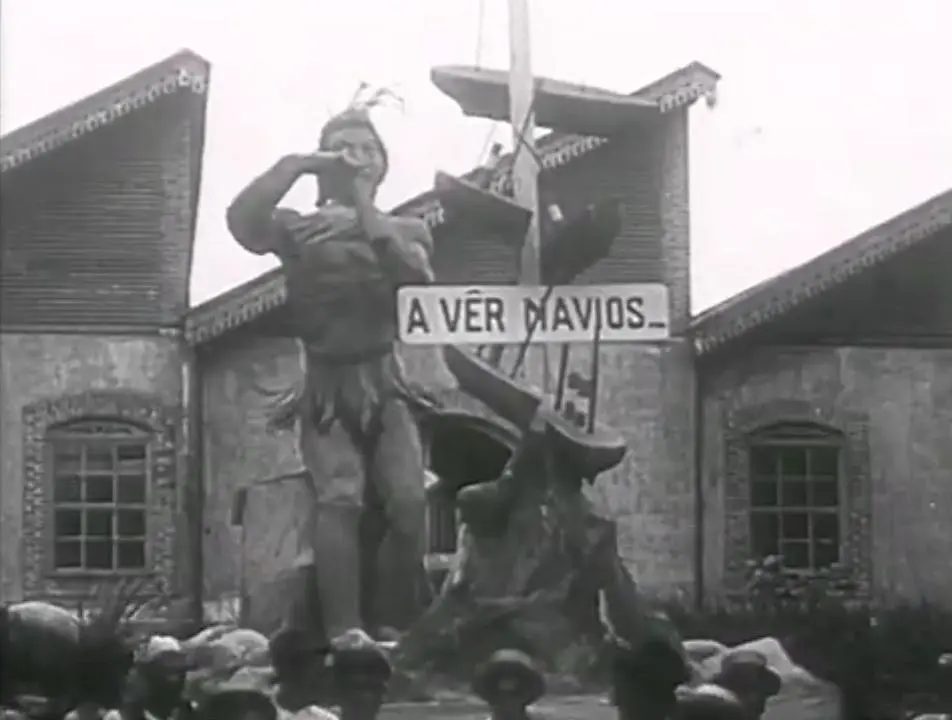
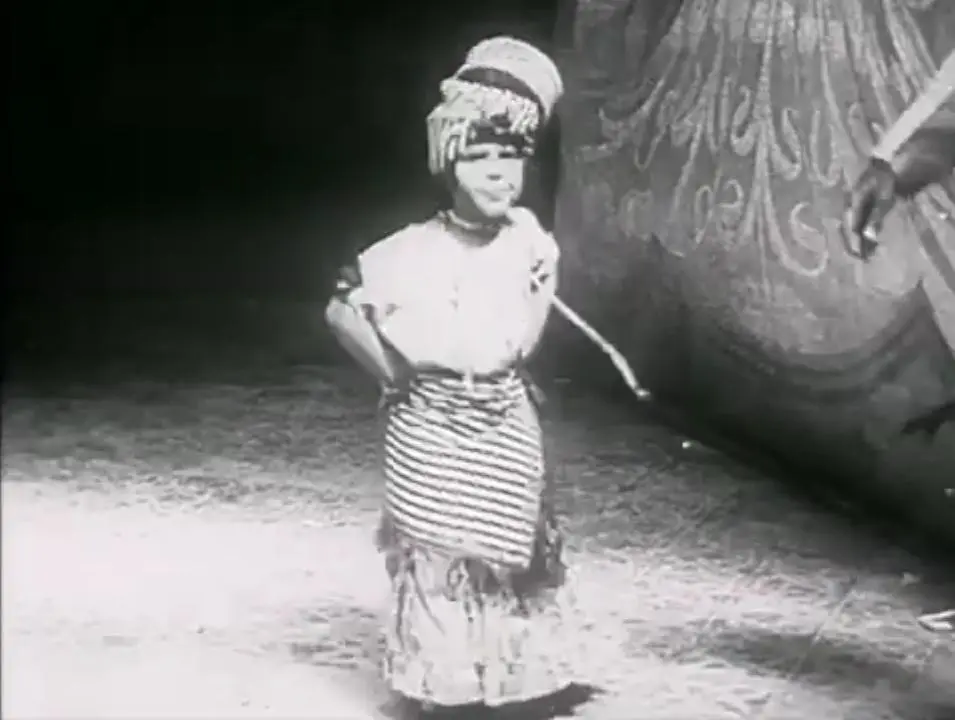
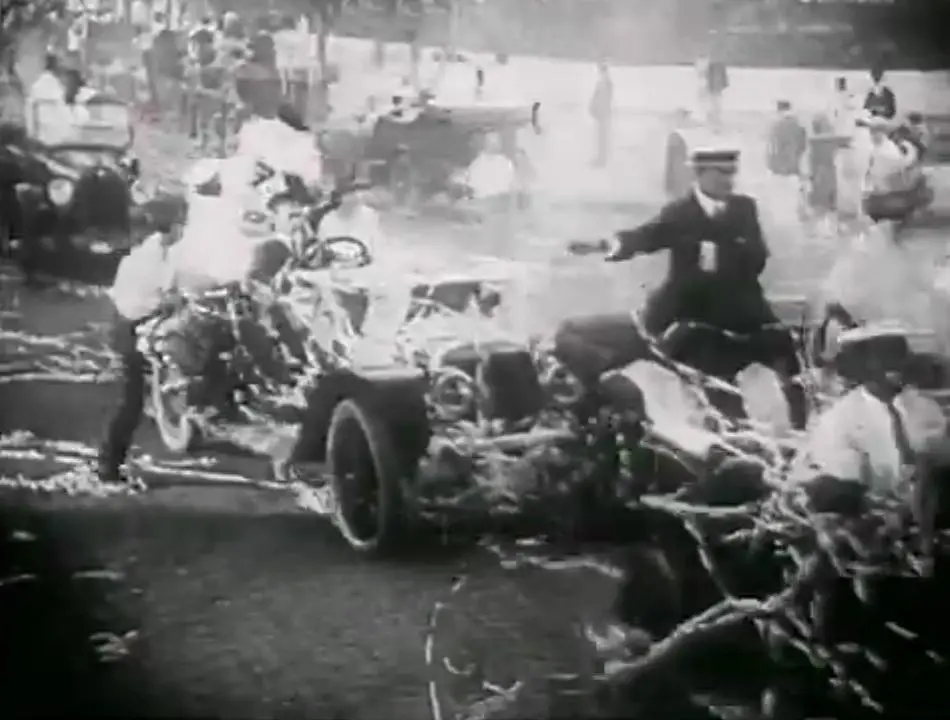
A view of the Carnival festivities in the city of Rio de Janeiro, as covered by filmmaker Alberto Botelho in 1920..
Brazil
A nitrate phoenix rising from the ashes of a forgotten vault, O Que Foi O Carnaval de 1920! is less documentary than ecstatic séance—an 8-minute tremor that rewrites what we thought we knew about Brazilian modernity before Bossa Nova, before Glauber Rocha, before the monochrome pessimism of Virtuous Wives. Shot on 35-...
still_frame
still_frame
still_frame
still_frame
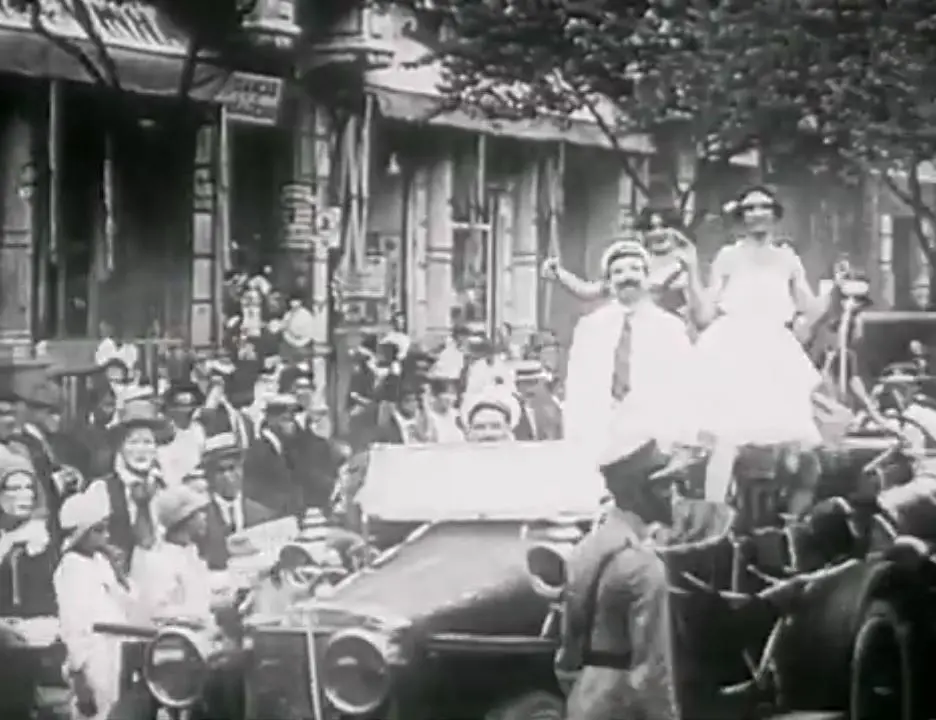
still_frame
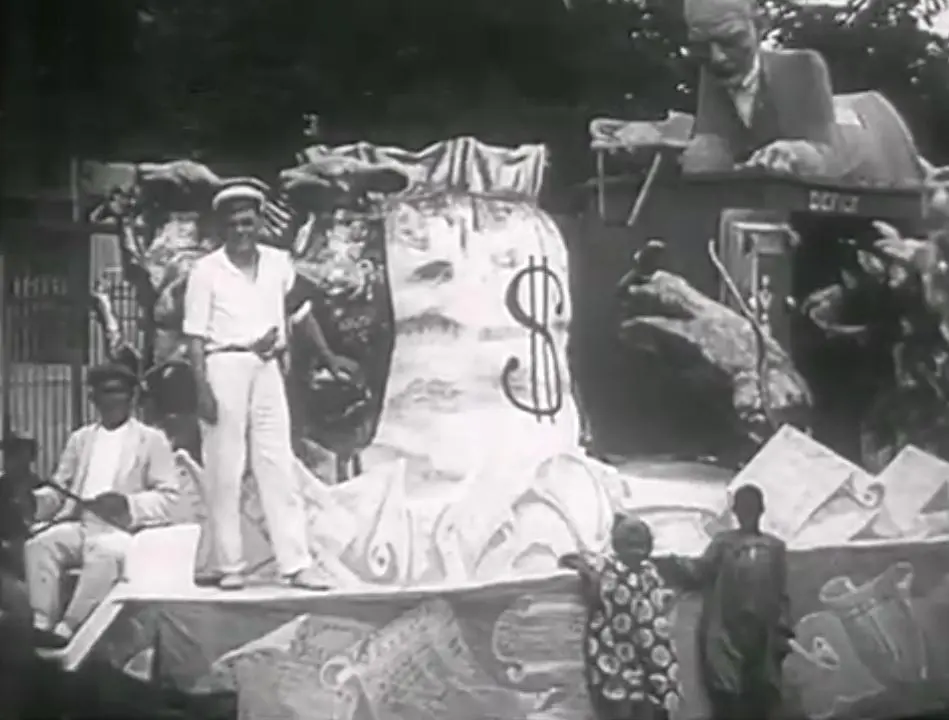
still_frame
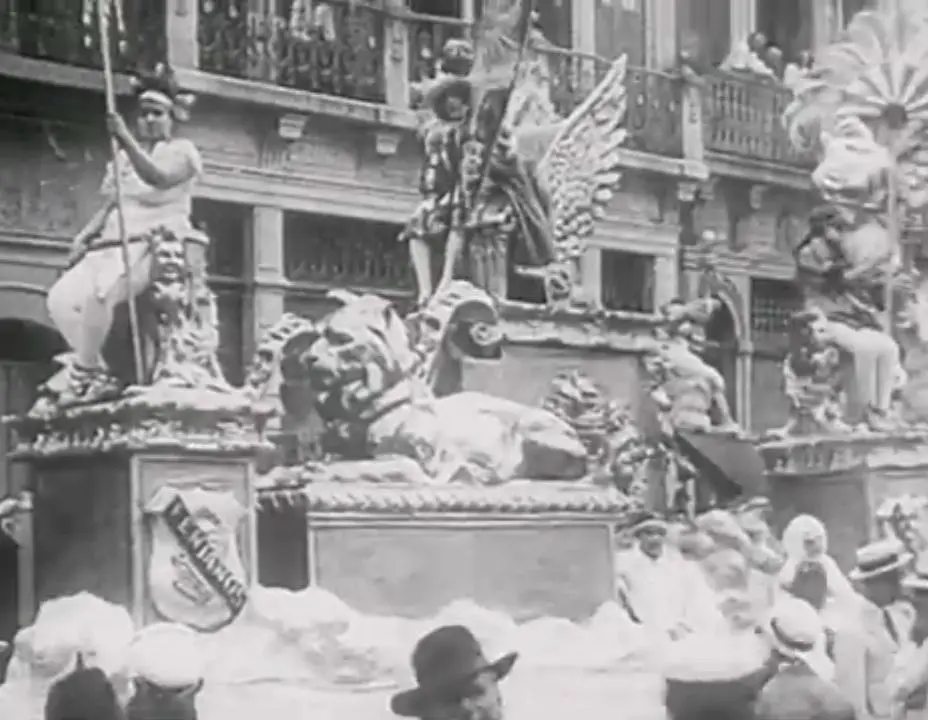
still_frame
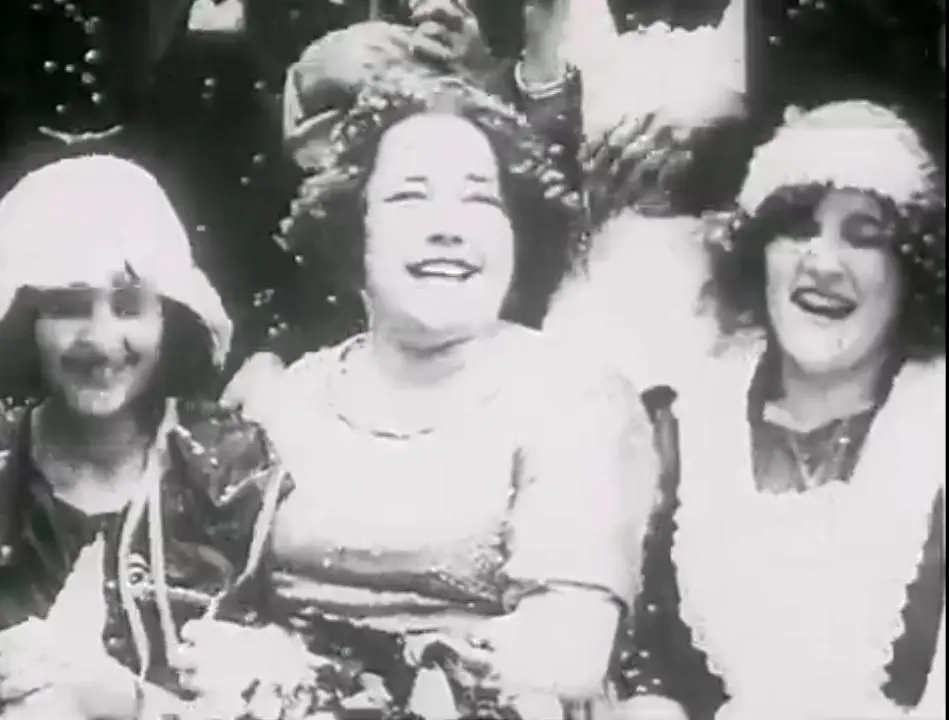
still_frame
Comparing the cinematic DNA and archive impact of two defining moments in cult history.
Alberto Botelho
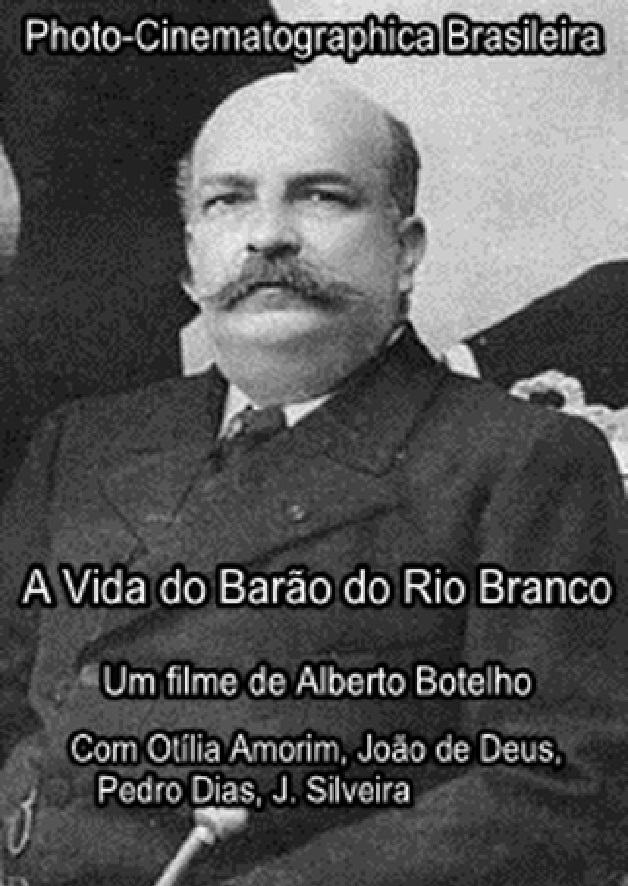
Alberto Botelho
Community
Log in to comment.
" A nitrate phoenix rising from the ashes of a forgotten vault, O Que Foi O Carnaval de 1920! is less documentary than ecstatic séance—an 8-minute tremor that rewrites what we thought we knew about Brazilian modernity before Bossa Nova, before Glauber Rocha, before the monochrome pessimism of Virtuous Wives. Shot on 35-mm stock so flammable it could double as carnival firecracker, Botelho’s film is the missing link between Lumière actuality and the tropical delirium of The Splendid Sinner. There..."

Deep dive into the cult classic
Discover similar cinematic experiences
A Directorial Spotlight on Alberto Botelho