Summary
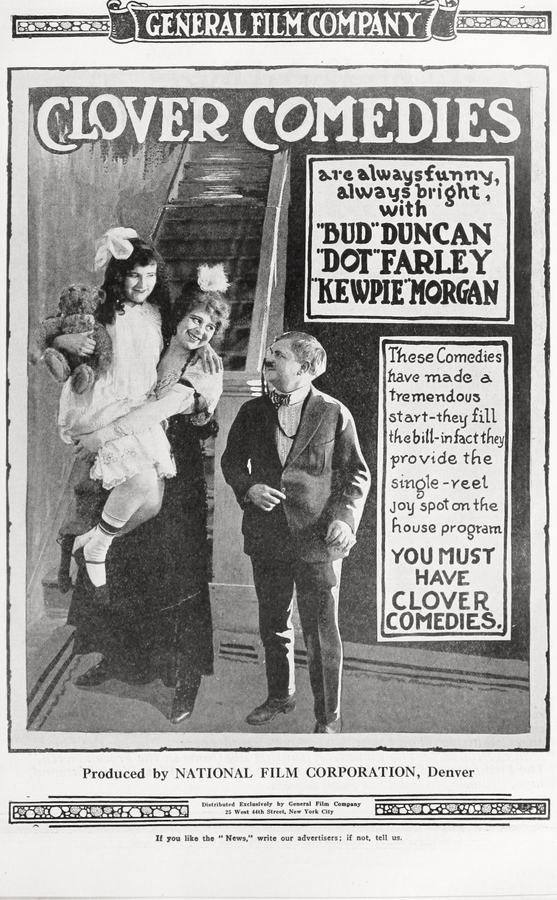
In the uproarious silent short, "Oh, the Women!", the narrative unravels around Reginald, portrayed with a delightful blend of pomposity and haplessness by Bud Duncan. Reginald, a self-proclaimed connoisseur of the female psyche, embarks on a series of ill-fated endeavors, each meticulously designed to prove his profound understanding of women, yet invariably culminating in a spectacular unraveling of his ego and dignity. His long-suffering fiancée, brought to vivid life by Dot Farley, embodies the very unpredictability Reginald so confidently claims to have mastered, her actions often serving as the catalyst for his most profound embarrassments. The film masterfully constructs a comedic labyrinth of misunderstandings and misinterpretations, where Reginald's every attempt to assert control or demonstrate sagacity is met with an unforeseen twist, often orchestrated by the very individuals he seeks to impress or manipulate. From a disastrous attempt at domestic bliss to a public spectacle involving a misplaced hat and a series of increasingly frantic pursuits, Reginald's world descends into a delightful pandemonium, underscored by the wry humor of silent-era slapstick. Kewpie Morgan's presence, though perhaps peripheral, adds another layer to the chaotic tapestry, contributing to the overall sense of delightful disarray. The film ultimately serves as a pointed, yet affectionate, satire on gender dynamics, where the supposedly 'weaker sex' consistently outmaneuvers and exposes the inherent follies of male conceit, leaving Reginald not only physically disheveled but also thoroughly disabused of his self-professed expertise.
Review Excerpt
"
Stepping back into the nascent days of cinema, one encounters a treasure trove of forgotten gems, films that, despite their brevity or lack of grandiosity, offer profound insights into the societal mores and comedic sensibilities of their time. Among these, Oh, the Women! emerges as a particularly intriguing artifact. It’s a film that, even a century after its creation, resonates with a surprising contemporary relevance, largely due to its astute, albeit slapstick, examination of g..."