DbcultAccessing Vault...
7/10
Senior Film Conservator
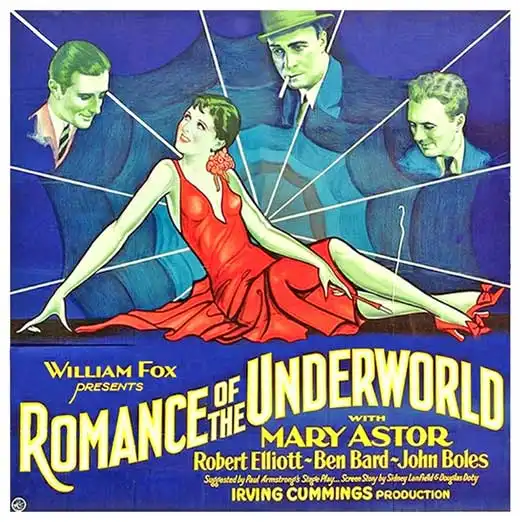
A definitive 7/10 rating for a film that redefined the boundaries of cult cinema. Romance of the Underworld remains a cornerstone of transgressive art.
If you have a soft spot for late-period silent films that are trying really hard to be gritty but still have that polished Hollywood sheen, Romance of the Underworld is worth about an hour and a half of your time. It’s mostly for people who appreciate Mary Astor before she became the cynical noir icon we usually remember. If you’re looking for a fast-paced thriller, you’ll probably find this a bit too preoccupied with its own moralizing.
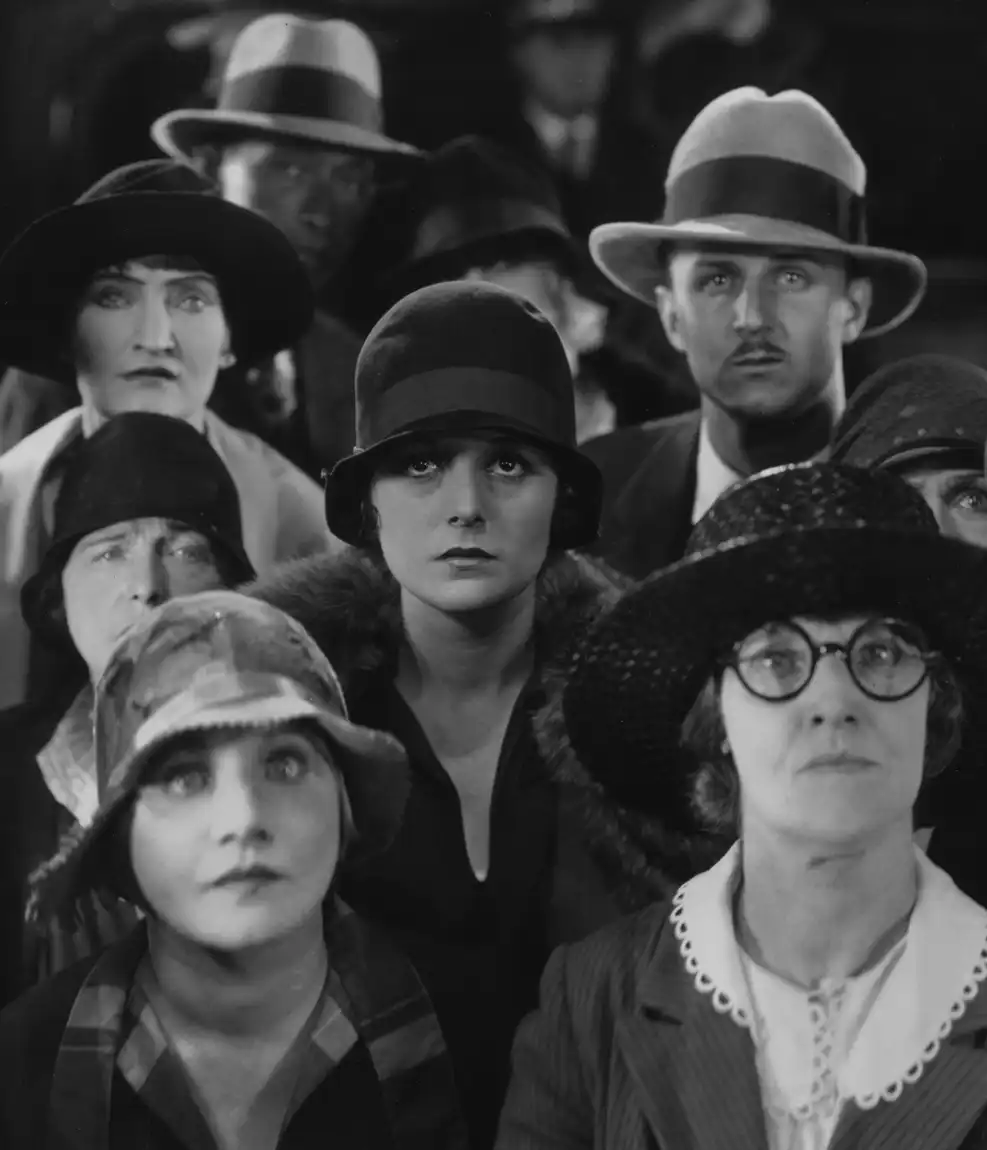
The movie starts in a speakeasy, and honestly, these are the best scenes. There’s a chaotic energy to the raid that feels less choreographed than usual for 1928. You see the extras in the background actually looking panicked, scrambling over chairs in a way that feels uncomfortably real. Ben Bard, playing the gangster 'Derby Dan,' has this oily, slicked-back look that makes you want to wash your hands just looking at him. He’s a bit of a caricature, but he leans into it with a smirk that works for the silent format.
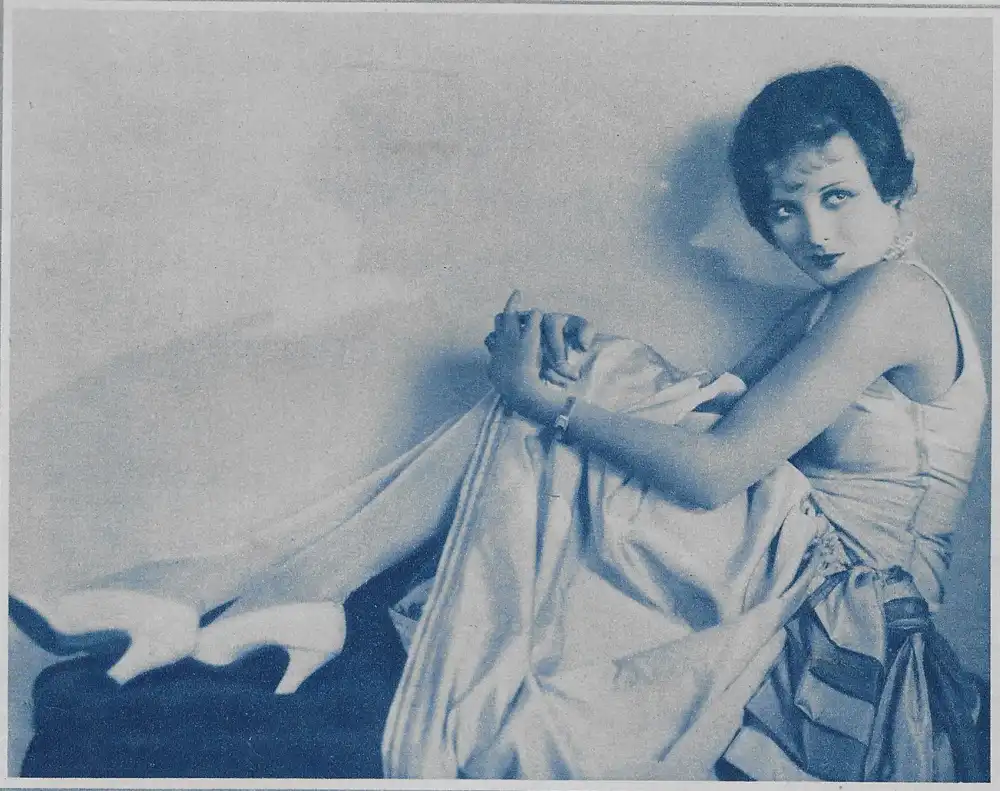
Then we get the 'kind-hearted cop,' played by Robert Elliott. He’s got this incredibly stiff posture, like he’s wearing a back brace under his costume. He decides to help Judith (Astor) because he sees 'something different' in her. It’s a tired trope, but Astor sells it. She has this way of looking at the camera where her eyes do all the work—no wild arm-waving or frantic clutching of her chest. It’s a very modern performance in a movie that otherwise feels quite dated.
The middle section drags. We watch Judith go through the 'reformation' process, waitressing to earn money for college. There’s a scene where she’s serving food that goes on for way too long. We get it; she’s humble now. She’s working hard. You can almost feel the director, Irving Cummings, making sure the audience understands she’s no longer a 'party girl.'
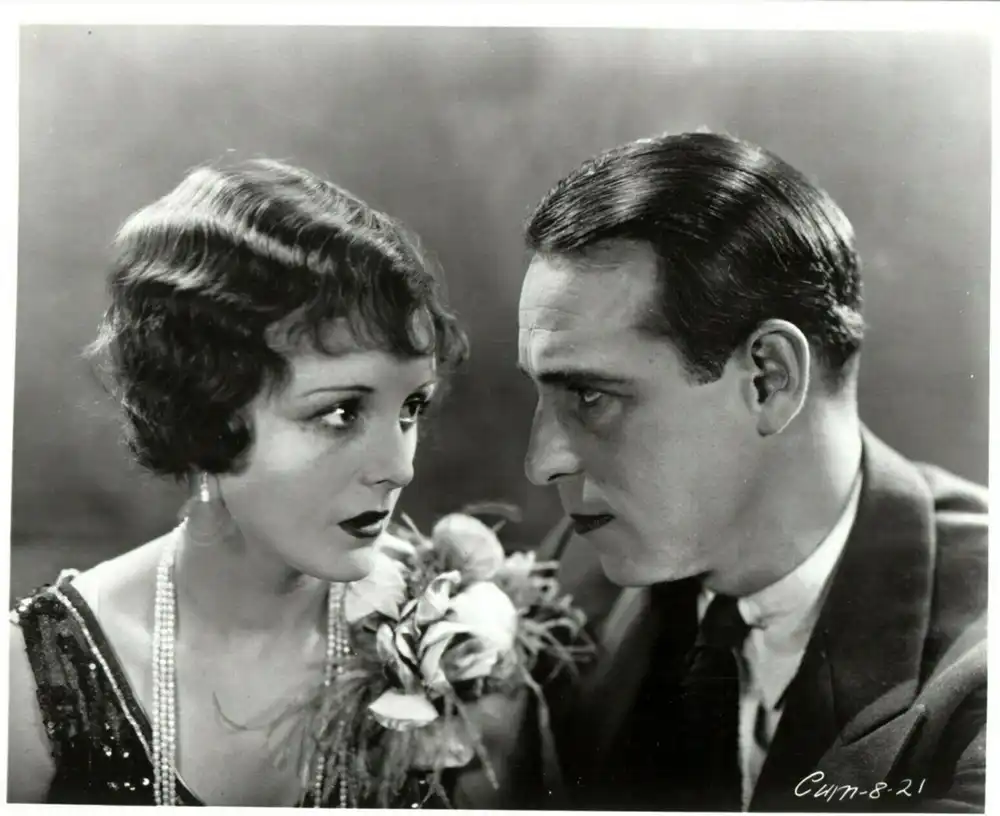
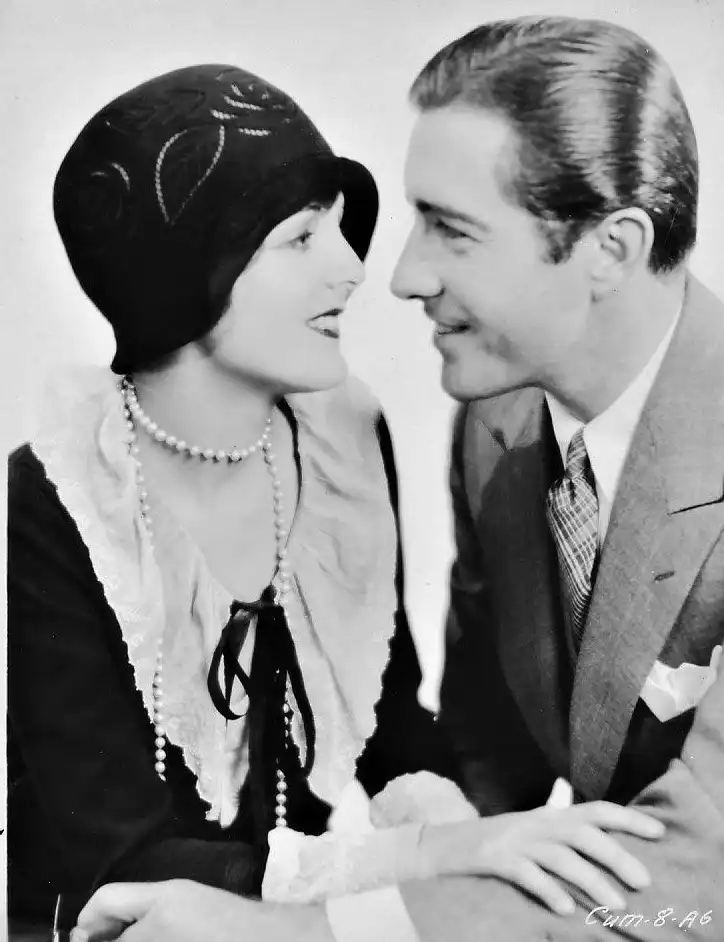
When John Boles shows up as the wealthy love interest, the movie loses some of its edge. Boles is... fine. He’s handsome in that very generic, 1920s leading-man way, but he’s a bit of a plank. There’s zero chemistry between him and Astor. When they’re together, it feels like they’re posing for a department store catalog rather than falling in love. It makes the stakes feel lower because you don't really care if they end up together; you just want to see if Derby Dan is going to show up and cause a scene again.
I noticed a weird edit during the scene where Judith is confronted about her past. The camera cuts to a close-up of a letter, then back to her, but her hair is suddenly different. It’s a tiny thing, but once you see it, it’s distracting. It’s like they did a reshoot weeks later and didn't bother to match the styling.
The ending gets back into the 'underworld' aspect, and it picks up speed. There’s a confrontation that involves a lot of shadows and some surprisingly effective lighting choices. It reminded me a bit of the atmosphere in Shadows of Paris, though perhaps not as consistently moody. The way the film handles the 'secret past' reveal is pretty standard for the era, but there’s a genuine tension in the way Derby Dan looms over Judith’s new life.
It’s not as daring as Wine of Youth in its portrayal of social rebellion, but it’s a solid example of the 'fallen woman' genre before the Hays Code really tightened the noose on these stories. The costumes for the society women are also weirdly over-the-top—lots of feathers and strange headpieces that look like they’d be impossible to sit in a theater with.
One reaction shot of the cop near the end lingers for about five seconds too long. He just stares into the middle distance, looking like he forgot his next move. It’s one of those moments where you realize the editor was probably just trying to pad the runtime or didn't have any other footage to cut to.
Overall, it’s a Mary Astor vehicle. She makes the movie feel more grounded than the script probably deserves. If you can get past the stuffy Boles romance and the slow middle, the speakeasy stuff and the final showdown are pretty good silent cinema.
IMDb —
1923
Community
Log in to comment.