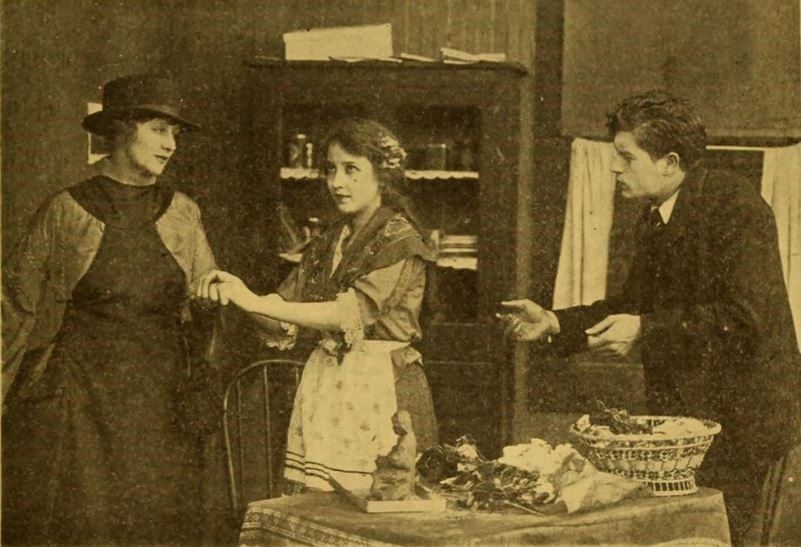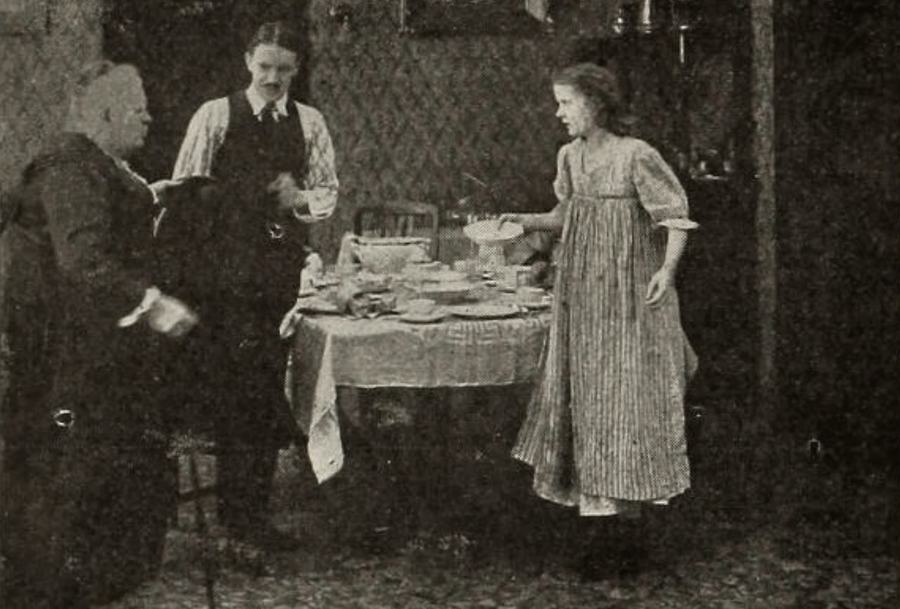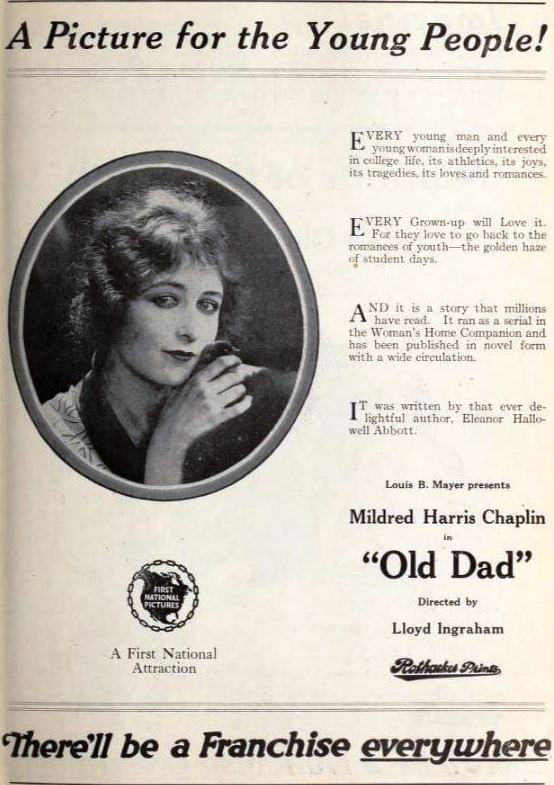
Mr. Bretton's wife decides she would rather pursue an opera career, so they separate, leaving him to raise their young daughter Daphne (Mildred Harris).
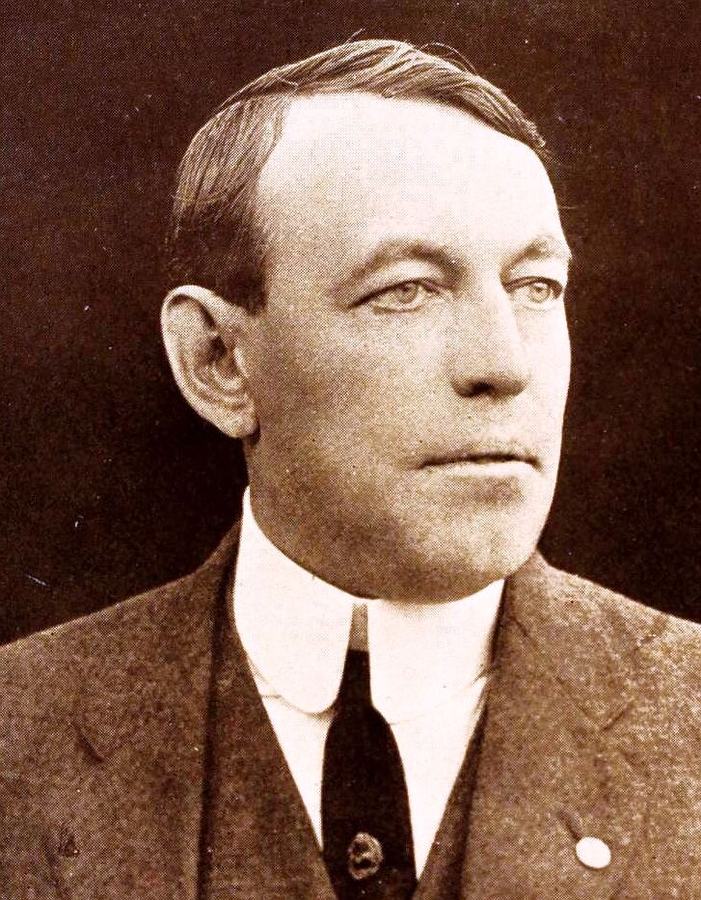
Eleanor Hallowell Abbott, J. Grubb Alexander
United States
The Architectural Fragility of the 1920s HouseholdIn the cinematic landscape of 1920, Old Dad stands as a fascinating artifact of social transition. It occupies a space between the rigid moralizing of the previous decade and the more fluid, often chaotic explorations of the Jazz Age. The film, directed by Lloyd Ingraha...
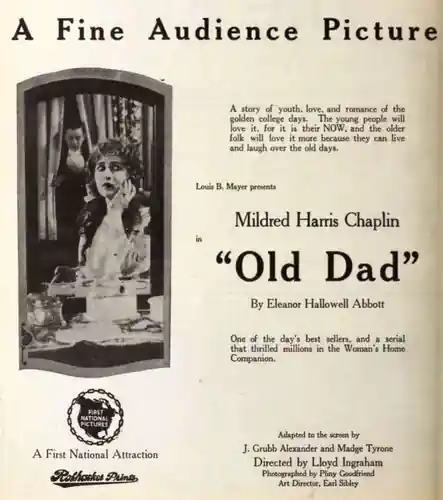
production_art
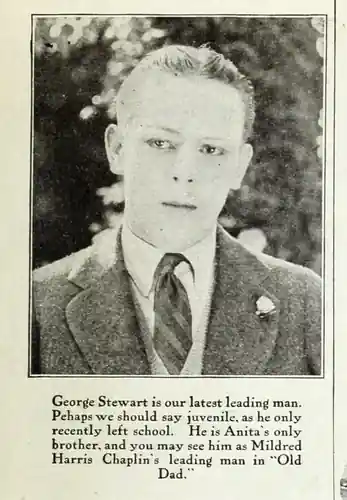
publicity
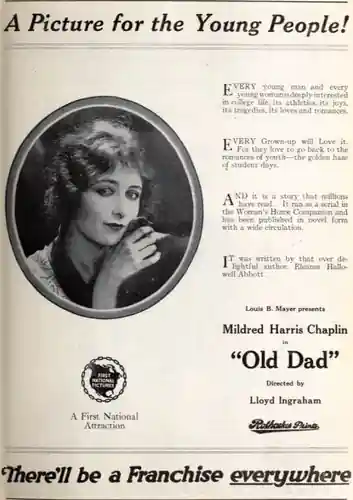
production_art
Comparing the cinematic DNA and archive impact of two defining moments in cult history.
Lloyd Ingraham
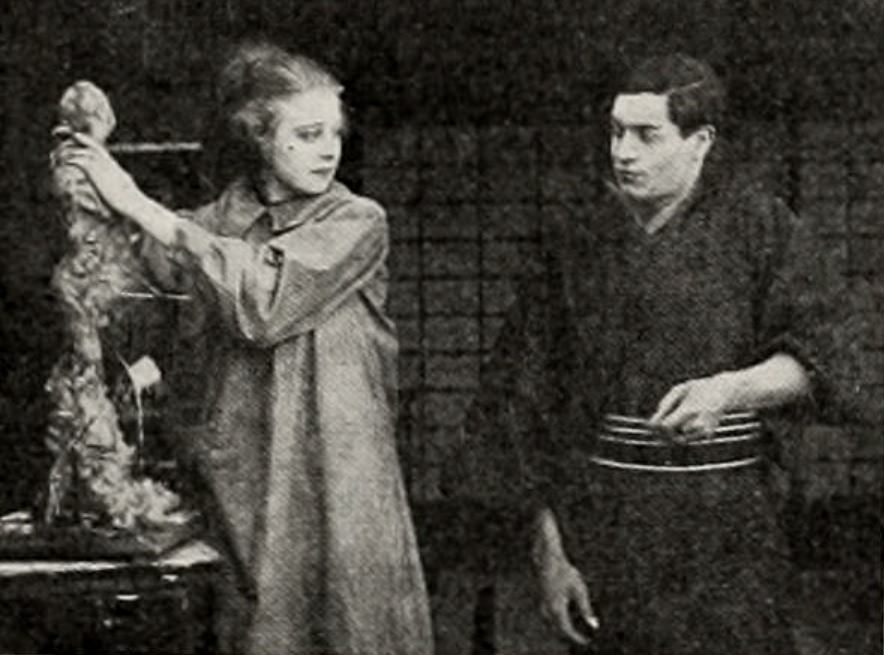
Lloyd Ingraham
Community
Log in to comment.
"The Architectural Fragility of the 1920s HouseholdIn the cinematic landscape of 1920, Old Dad stands as a fascinating artifact of social transition. It occupies a space between the rigid moralizing of the previous decade and the more fluid, often chaotic explorations of the Jazz Age. The film, directed by Lloyd Ingraham and penned by the formidable Eleanor Hallowell Abbott and J. Grubb Alexander, presents a domestic tableau that is as fragile as it is earnest. Unlike the stark cynicism found in ..."