DbcultAccessing Vault...
Cult Review
Senior Film Conservator
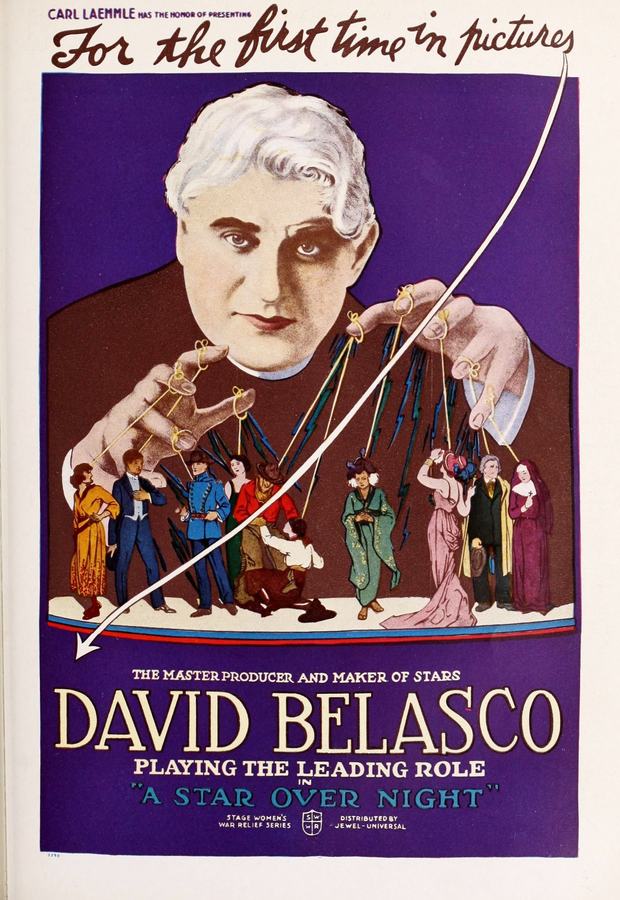
The cinematic landscape of the early 20th century, often dismissed as merely nascent, frequently presented narratives of profound psychological depth and moral complexity, and A Star Over Night stands as a compelling testament to this often-underestimated era. This film, a silent drama penned by Calder Johnstone and Ann Irish, delves into the treacherous currents of professional jealousy and the unexpected ascendance of true merit. It is a stark, compelling portrayal of the self-destructive nature of envy, played out against the glamorous yet cutthroat backdrop of the theatrical world. The story, deceptively simple on its surface, unravels with a meticulous focus on character motivation, revealing the intricate dance between ambition, pride, and the often-harsh realities of consequence. Its enduring power lies not just in its narrative arc, but in its ability to articulate universal human frailties without uttering a single spoken word, relying instead on the nuanced performances and evocative visual storytelling that defined the silent era.
At the heart of this dramatic conflict is a leading lady, whose initial brilliance is tragically overshadowed by a consuming, corrosive envy. Her character, brought to life with palpable intensity, embodies the pitfalls of allowing ego to dictate destiny. Faced with the burgeoning talent of a younger, perhaps more naturally gifted rival, she succumbs to a venomous spite that blinds her to her own best interests. This isn't just a tale of professional rivalry; it's a deep dive into the psyche of someone who actively undermines her own success out of a warped sense of entitlement and fear. Her actions, born of jealousy, are a masterclass in self-sabotage, leading her to forfeit not only her financial stability but also the honor and respect she once commanded. The film doesn't shy away from depicting the ugliness of her decline, presenting it as a direct result of her own choices, a tragic unraveling fueled by a bitter refusal to share the spotlight or acknowledge another's worth. Her journey serves as a cautionary fable, illustrating how unchecked negative emotions can lead to a precipitous fall from grace, leaving a void where once there was acclaim.
Conversely, the object of her jealousy emerges as a beacon of understated talent and resilience. This character, initially perhaps an understudy or a less prominent player, is thrust into the unforgiving glare of the theatrical stage not by aggressive ambition, but by necessity and her own inherent capability. She steps into the void left by her predecessor's self-immolation, not with a triumphant swagger, but with a quiet determination that belies her rising star. Her performance is not merely adequate; it is exceptional, captivating audiences and critics alike, and ultimately, winning the admiration and affection of the play's astute author. This narrative arc provides a powerful contrast, celebrating the virtues of perseverance and authentic artistry over manipulative tactics and destructive envy. It's a story of meritocracy prevailing, where genuine talent, when given the opportunity, shines brightest, proving that true success is often cultivated through dedication rather than through the tearing down of others. The film subtly argues that integrity and hard work ultimately pave the way for lasting recognition and profound personal connection.
The playwright, a pivotal figure in this drama, serves as more than just a catalyst for the plot; he is the discerning eye, the ultimate arbiter of talent and character. Initially, he might be entangled in the existing dynamics of the theater, perhaps even swayed by the established star's reputation. However, as the drama unfolds, his perception shifts. He witnesses firsthand the self-destructive behavior of the leading lady and the quiet strength and undeniable talent of the rising ingenue. This shift in his perspective is crucial, as it validates the ingenue's worth beyond mere stage presence, extending to a deep personal admiration. The romantic subplot that blossoms between the playwright and the new star is not a superficial addition; it underscores the profound connection forged through shared passion for art and mutual respect. It symbolizes a holistic triumph for the ingenue—not just professional acclaim, but also personal happiness and genuine love, a stark counterpoint to the bitter solitude faced by her jealous rival. This emotional depth elevates the narrative beyond a simple backstage drama, embedding it with themes of redemption and authentic connection.
The ensemble cast of A Star Over Night delivers performances that, even in the absence of spoken dialogue, convey a rich tapestry of human emotion. Elisabeth Risdon, a formidable presence in early cinema, likely embodies the jealous leading lady with a nuanced intensity, portraying her descent into bitterness with compelling conviction. Her ability to project complex internal states through gesture and facial expression would have been paramount, making her character's self-inflicted wounds resonate deeply with the audience. Hilda Spong, on the other hand, would have likely brought a captivating blend of vulnerability and nascent strength to the role of the rising star, her quiet dignity a powerful contrast to Risdon's histrionics. Cathleen Nesbitt, celebrated for her elegance and dramatic range, might have played a supporting role that added layers of sophistication or moral commentary to the unfolding events, perhaps as a sympathetic confidante or a discerning observer. These actors, masters of their craft in the silent era, understood the delicate balance between theatricality and subtle realism, ensuring that each emotional beat was felt without being overtly stated.
Beyond the central figures, the supporting cast provides essential texture to the film's world. Hamilton Revelle, with his commanding stage presence, likely portrays the playwright, imbuing him with the intellectual depth and emotional sensitivity required to fall for the ingenue's genuine spirit. Bruce McRae, Mrs. Kate Rothschild, David Belasco (a legendary theatrical figure whose involvement, even if minor, adds significant gravitas), Edward Martindel, and Gladys Morris all contribute to the verisimilitude of the theatrical milieu. Their collective performances would have established the vibrant, often cutthroat, ecosystem of the stage, highlighting the diverse personalities and pressures at play. Whether they served as fellow actors, theater managers, or influential patrons, each character, however briefly glimpsed, would have reinforced the stakes and amplified the emotional resonance of the central conflict. The combined artistry of these performers ensures that the audience is fully immersed in the drama, making the triumphs and tragedies feel profoundly personal.
The thematic richness of A Star Over Night extends far beyond the confines of the theater. It's a profound meditation on the nature of ambition—distinguishing between a healthy drive for excellence and a destructive, all-consuming desire for dominance. The film subtly explores the moral implications of one's choices, demonstrating that while talent may open doors, character determines how long one stays inside. The jealous leading lady's downfall is not merely a consequence of external events but an internal collapse, a failure of moral fortitude. Conversely, the ingenue's rise is a testament to the power of authenticity, resilience, and a quiet confidence that doesn't need to diminish others to shine. This exploration of virtue versus vice, and the inevitable outcomes of each path, makes the film timeless. It resonates with contemporary audiences just as powerfully as it did with those of its original release, reminding us that the human heart, with its capacity for both greatness and pettiness, remains a constant.
The directorial vision behind A Star Over Night would have been crucial in translating such a nuanced plot into a compelling silent film. The effective use of intertitles, expressive close-ups, and carefully choreographed physical action would have been paramount in conveying the shifting emotional landscape. Silent cinema, at its best, was a masterclass in visual storytelling, employing light, shadow, and composition to evoke mood and emphasize character. One can imagine scenes where the jealous star is framed in harsh, isolating light, while the rising star is bathed in a softer, more inviting glow, visually reinforcing their contrasting fates. The pacing, too, would have played a vital role, building tension during the leading lady's spiral and allowing moments of quiet triumph for the ingenue to fully resonate. This meticulous attention to visual detail and narrative rhythm is what allowed silent films to transcend the absence of dialogue, creating immersive and emotionally impactful experiences for their audiences.
The contributions of writers Calder Johnstone and Ann Irish are evident in the film's tightly structured narrative and well-developed character arcs. Crafting a compelling story for the silent screen required a unique understanding of visual communication, ensuring that every plot point and emotional beat could be conveyed without words. Their script likely provided clear motivations, dramatic turning points, and a satisfying resolution, all while building suspense and engaging the audience's empathy. The narrative structure, moving from the established order to its disruption and eventual reordering, is a classic dramatic arc executed with precision. It's a testament to their skill that the film's emotional impact remains undiluted, even a century later. Their ability to weave together themes of ambition, betrayal, and genuine talent into a cohesive and captivating story underscores the enduring power of strong screenwriting, regardless of the technological limitations of the era.
When viewed within the broader context of early cinema, A Star Over Night aligns with other powerful dramas of its time, exploring human nature's darker facets. One might draw parallels to films like Beatrice Cenci, which also delves into themes of betrayal and tragic consequence, albeit in a more historical and grander scale. While A Star Over Night is focused on the personal drama of the theatrical world, both films share a commitment to exploring the destructive power of human vice. Similarly, the narrative of an individual rising from obscurity to prominence, driven by talent and circumstance, echoes in films such as A Daughter of the City or even the underdog spirit found in narratives like The Hiding of Black Bill, though their genres diverge significantly. The film's examination of professional ethics and personal integrity also finds resonance in the moral quandaries presented by stories like The Country That God Forgot, which often pitted individual character against harsh environmental or social pressures. These comparisons highlight the universal themes that silent cinema consistently tackled, proving its capacity for profound storytelling.
The technical artistry of silent films, often overlooked, played a crucial role in bringing stories like A Star Over Night to life. While details on specific cinematography or set design might be scarce for such early productions, one can infer the importance of these elements. The costumes would have been meticulously designed to reflect character status and emotional state, with the jealous star perhaps adorned in increasingly ostentatious or severe attire as her bitterness grew, contrasting with the simpler elegance of the ingenue. The sets, particularly those depicting the backstage world and the stage itself, would have been crafted to immerse the audience in the theatrical atmosphere, creating a believable backdrop for the intense human drama. The lighting, as mentioned, would have been a powerful tool for conveying mood and symbolism, guiding the viewer's emotional response without the need for dialogue. Every visual element, from props to makeup, was a deliberate choice, contributing to the film's overall impact and ensuring that the narrative was conveyed with maximum clarity and emotional resonance.
In conclusion, A Star Over Night is far more than a historical curiosity; it is a timeless piece of cinematic art that continues to speak volumes about human nature. Its narrative of a self-destructive talent giving way to a more authentic, deserving one, resonates with enduring power. The performances, particularly from Elisabeth Risdon and Hilda Spong, would have been pivotal in conveying the intricate emotional landscape, ensuring that the audience felt every sting of jealousy and every triumph of genuine artistry. The film stands as a testament to the sophistication of early filmmaking, demonstrating how compelling stories could be told with visual grace and emotional depth, long before the advent of synchronized sound. It reminds us that while technologies evolve, the core human dramas of ambition, rivalry, and the search for love and recognition remain eternally relevant. Revisiting such films offers not just a glimpse into cinema's past, but a profound reflection on the unchanging aspects of the human condition.
IMDb —
1925
Community
Log in to comment.