DbcultAccessing Vault...
Cult Review
Senior Film Conservator
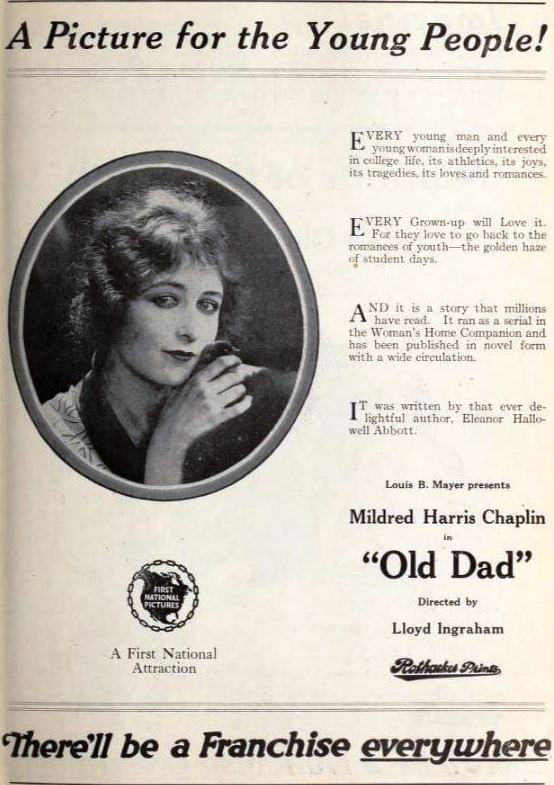
In the cinematic landscape of 1920, Old Dad stands as a fascinating artifact of social transition. It occupies a space between the rigid moralizing of the previous decade and the more fluid, often chaotic explorations of the Jazz Age. The film, directed by Lloyd Ingraham and penned by the formidable Eleanor Hallowell Abbott and J. Grubb Alexander, presents a domestic tableau that is as fragile as it is earnest. Unlike the stark cynicism found in The Forbidden Path, this narrative seeks a redemptive arc that feels almost desperate in its quest for closure. The departure of the mother for an opera career isn't merely a plot point; it is a profound disruption of the 'natural order' as viewed by contemporary audiences. This thematic weight carries the first act, establishing a sense of paternal martyrdom for John St. Polis's Mr. Bretton.
The film’s aesthetic choices reflect this internal discord. The early scenes are characterized by a claustrophobic domesticity, where the absence of the maternal figure is felt in every shadowed corner of the frame. When we compare this to the visual language of The Lily and the Rose, we see a similar preoccupation with the vulnerability of the feminine spirit when decoupled from the traditional family structure. However, Old Dad pivots toward a more rugged, almost transcendentalist resolution by moving its second act to the Adirondacks. This shift from the parlor to the pines serves as a visual metaphor for Daphne’s purification and eventual maturation.
Mildred Harris, often unfairly relegated to a footnote in film history due to her tumultuous marriage to Charlie Chaplin, delivers a performance here that demands reevaluation. As Daphne, she embodies a specific type of silent-era ingenue: the 'innocently compromised.' The boarding school sequence, where Richard Wiltoner is discovered in her room, is a masterclass in the economy of silent storytelling. There is no need for dialogue to convey the crushing weight of social ostracization. Her expulsion is a bellwether for the film’s larger anxieties regarding reputation and the precariousness of a young woman's standing in a society that offers no margin for error. This theme of social fragility is also explored with great intensity in Shifting Sands, yet Harris brings a unique, soft-edged pathos to the role that distinguishes her from the more tragic heroines of the era.
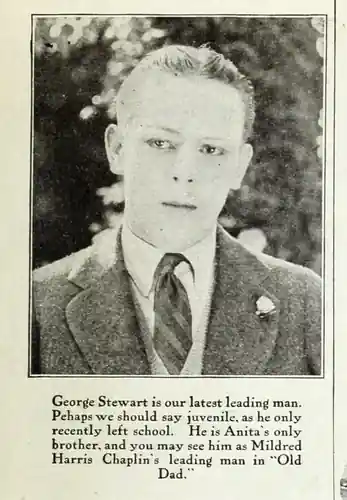
Harris’s chemistry with George Stewart (Richard) is subtle, built on fleeting glances and the restrained physical vocabulary of the period. Their eventual reunion feels earned, not because of a grand romantic gesture, but because they both survived the crucible of public shame and private betrayal. The film avoids the darker, more nihilistic tendencies found in European imports like Es werde Licht! 2. Teil, opting instead for a distinctly American brand of resilience. Harris navigates the transition from the victimized schoolgirl to the eloping bride with a grace that suggests a much deeper internal life than the script might initially imply.
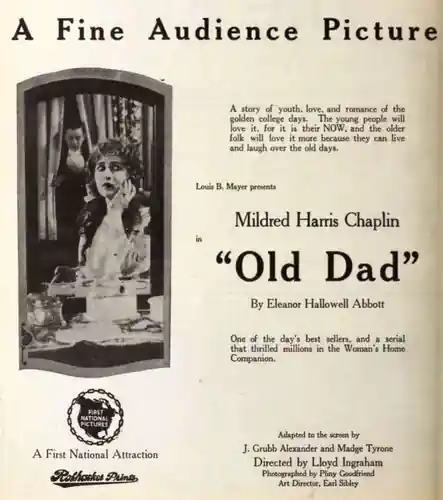
The introduction of the 'rogue' in the Adirondacks introduces a thriller element that complicates the film’s melodramatic roots. The revelation of bigamy was a frequent trope in early 20th-century cinema, serving as the ultimate litmus test for a character's moral compass. It allows the narrative to flirt with the 'fallen woman' archetype without actually tainting the heroine; because the marriage is legally void and fraudulent, Daphne remains technically pure in the eyes of the 1920s moral gatekeepers. This narrative sleight of hand is reminiscent of the legalistic gymnastics seen in The Law That Failed.
John St. Polis, as the titular 'Old Dad,' provides the film’s moral anchor. His detective work in uncovering the bigamy is portrayed not as an act of overbearing patriarchy, but as one of profound paternal protection. In an era where the father's role was often either distant or tyrannical, Old Dad offers a more empathetic, albeit still controlling, paternal model. His character contrasts sharply with the paternal failures depicted in For a Woman's Honor, where the familial bonds are far more transactional. St. Polis plays the role with a weary dignity, his eyes conveying the exhaustion of a man trying to be both mother and father in a world that demands clear roles.
The location shooting in the Adirondacks provides a breath of literal and figurative fresh air. The cinematography captures the scale of the wilderness, using the natural landscape to dwarf the characters' petty human dramas. This use of nature as a site of both danger and healing is a recurring motif in silent film, often seen in works like Alone in London, though here it feels more expansive. The contrast between the rigid lines of the boarding school architecture and the jagged, unpredictable silhouettes of the mountains mirrors Daphne’s own internal journey from social confinement to emotional liberation.
Technically, the film utilizes standard continuity editing but excels in its use of intertitles to convey complex emotional states. The writing by Eleanor Hallowell Abbott, a popular novelist of the time, ensures that the dialogue cards possess a certain literary flourish. While some might find the resolution—the mother’s return from her opera career—to be a bit too convenient, it serves the film's thematic goal of restoration. It suggests that while the pursuit of art and vocation is noble, the gravitational pull of the family is, in the film's worldview, inescapable. It lacks the satirical bite of Uma Transformista Original, but it makes up for it with a sincere, if conservative, emotional core.
When we view Old Dad through the lens of modern film theory, it becomes a study in the 'restoration of the status quo.' Every transgression—the mother's career, the daughter's 'scandal,' the bigamous marriage—is systematically neutralized by the film's end. The final union of Daphne and Richard Wiltoner is the ultimate validation of the social order. They are two individuals who were unfairly judged, now finding sanctuary in one another. This thematic resolution is far more optimistic than the outcomes in The Road o' Strife or The Lash of Power, which lean into the destructive nature of social ambition.
In conclusion, Old Dad is a vital piece of silent cinema that captures a culture at a crossroads. It grapples with the 'New Woman' through the mother's opera career and the daughter's independence, only to ultimately retreat into the safety of the traditional family. Yet, the journey it takes to get there is filled with genuine tension and atmospheric beauty. It is a film that rewards the patient viewer with a rich tapestry of 1920s values, performed with sincerity by a cast that understood the stakes of their domestic drama. For those interested in the evolution of the family unit on screen, or for fans of Mildred Harris's understated talent, this film remains an essential, if overlooked, chapter in the history of the medium.
IMDb 5.6
1934
Community
Log in to comment.