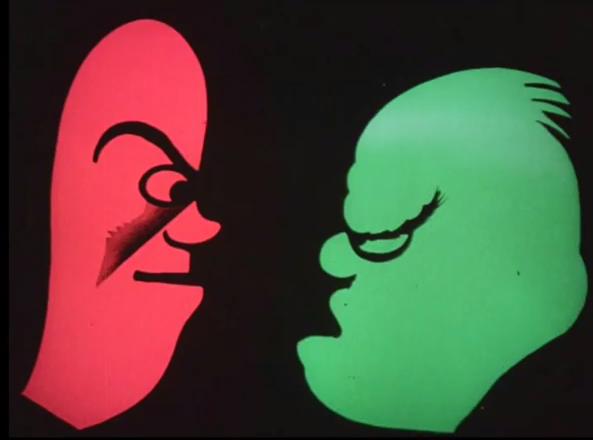
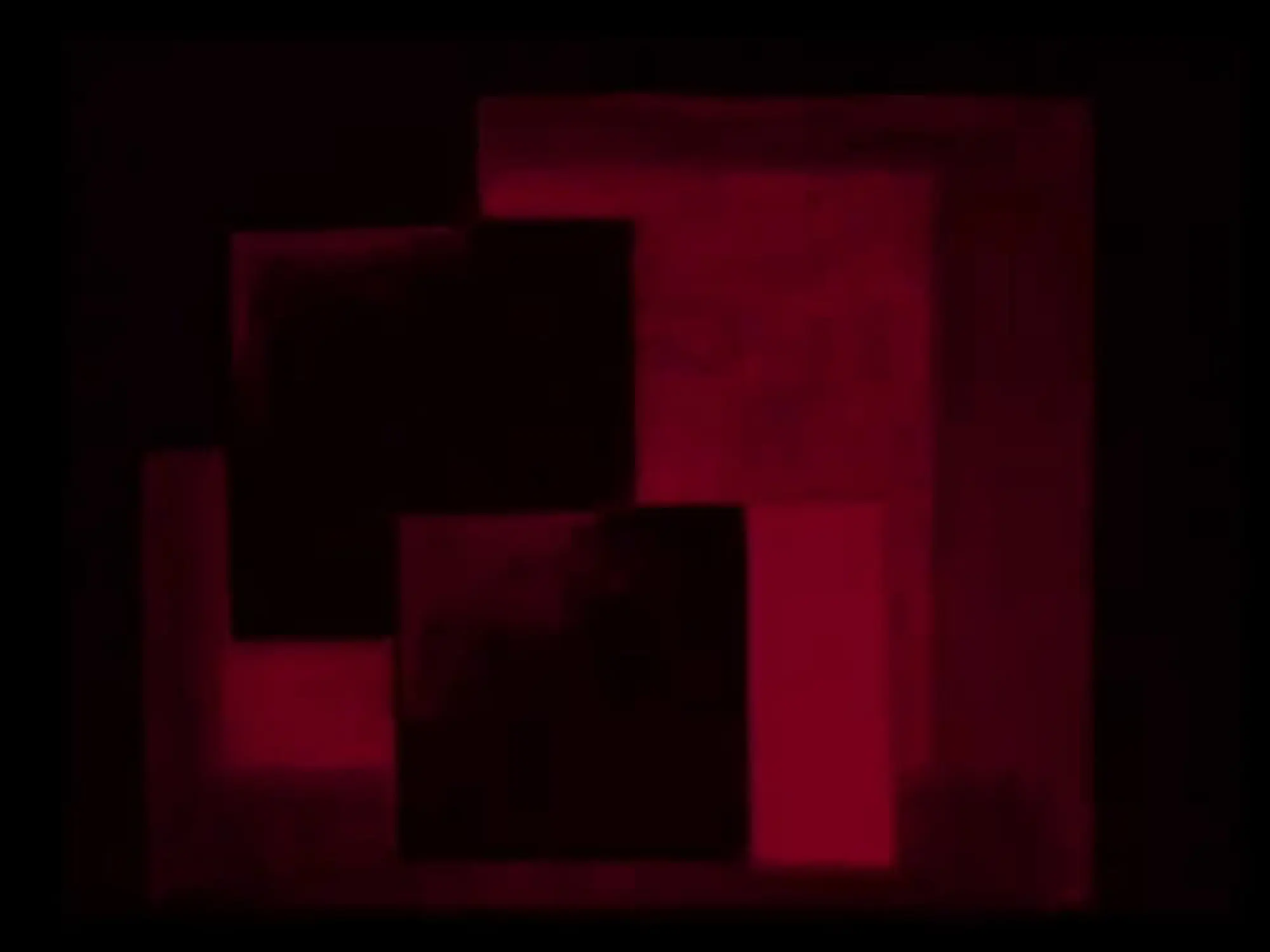
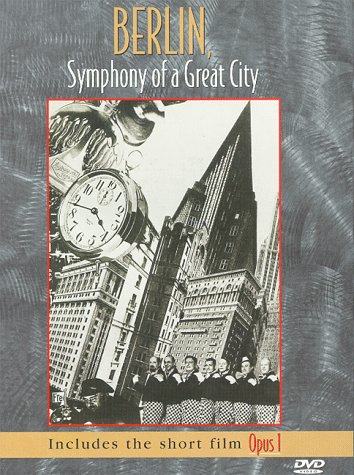
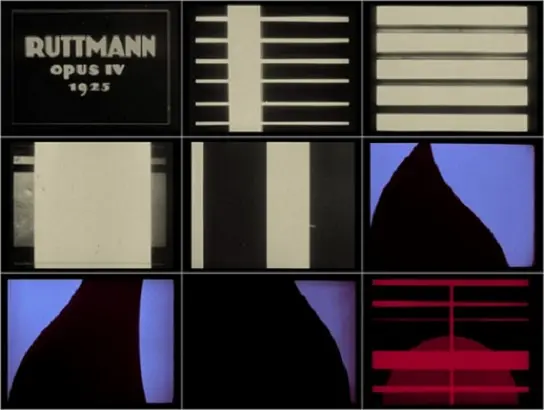
As early as 1909, Walter Ruttmann explored the artistic properties of the film. His theoretical and practical work led in 1919 to the first "absolute film", Opus I.
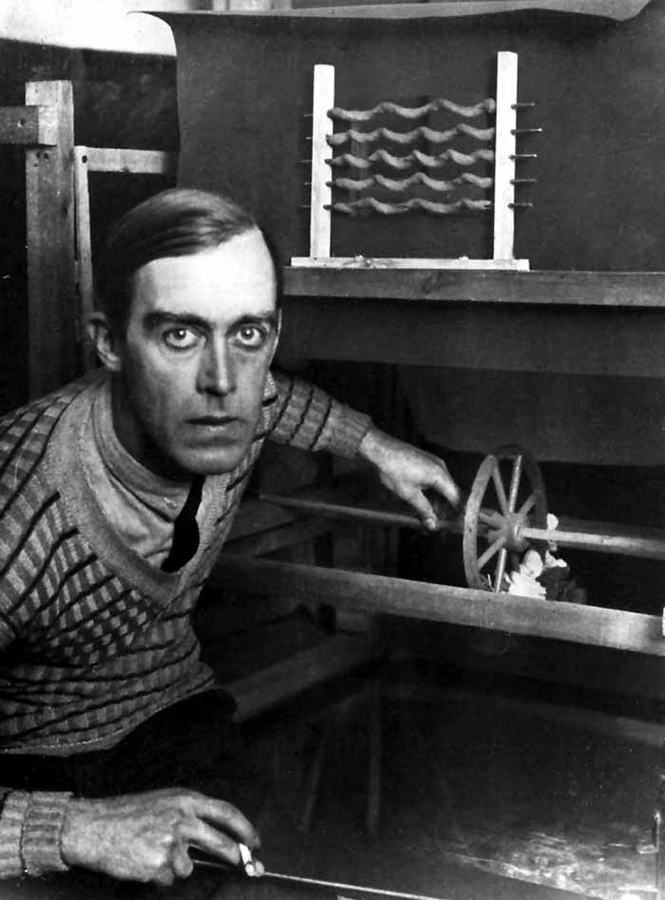
Germany
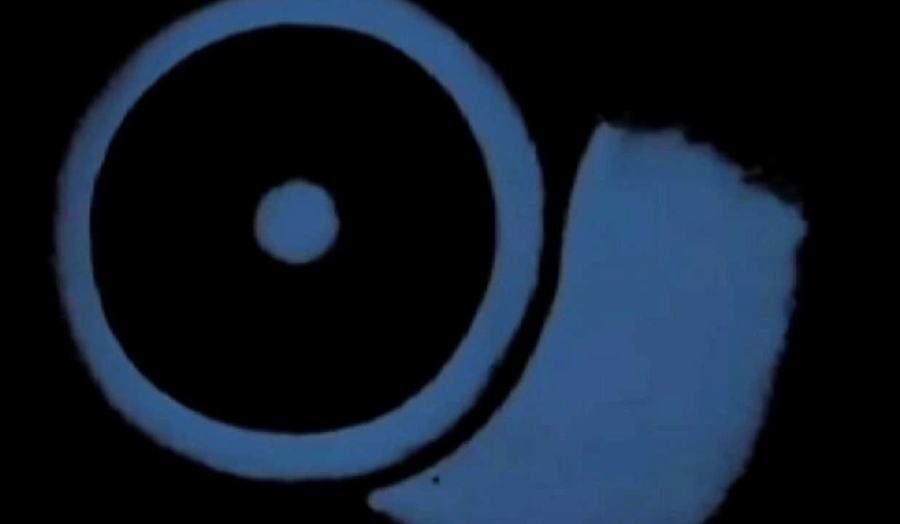
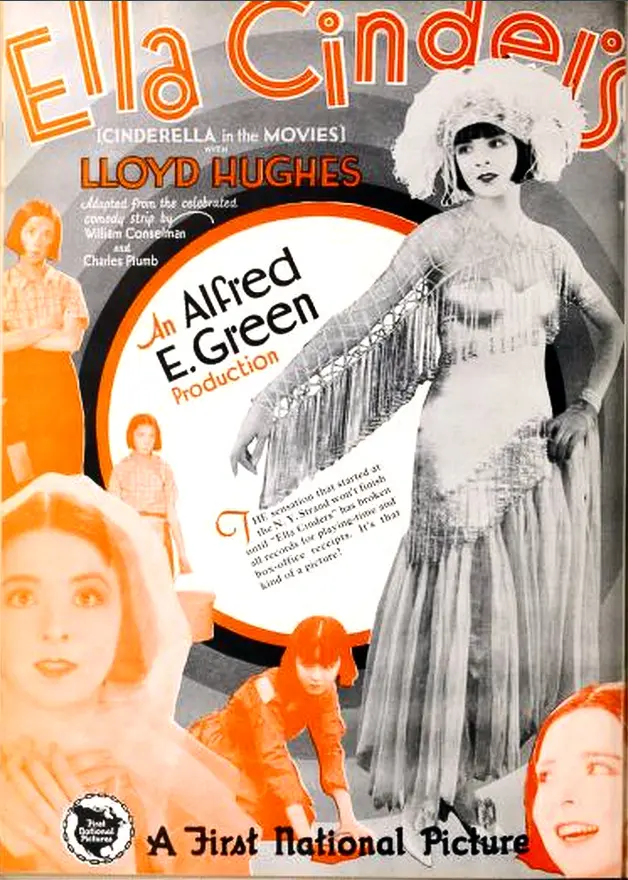
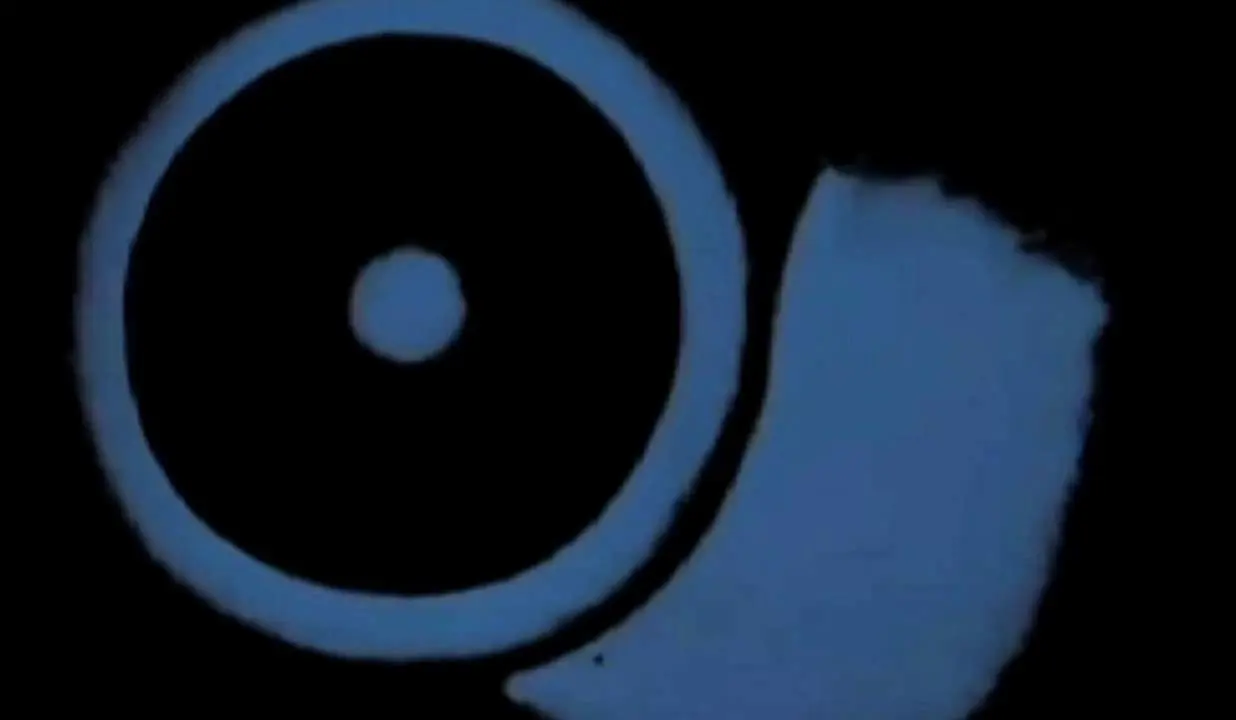
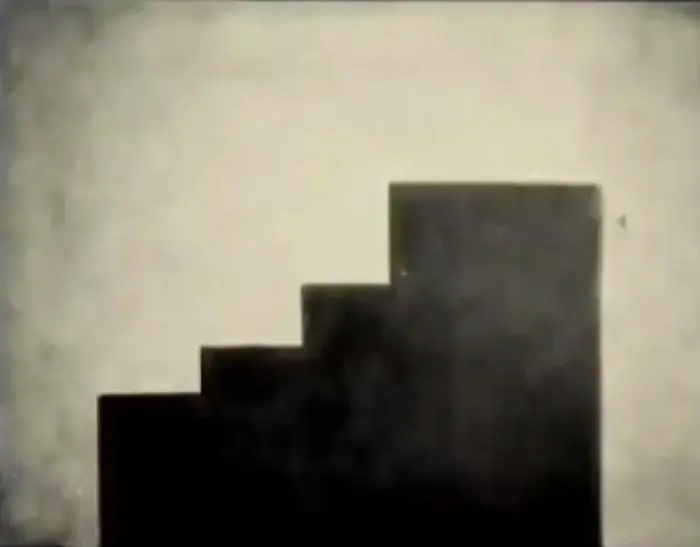
The year 1921 witnessed an aesthetic rupture that most contemporary audiences, tethered to the burgeoning melodrama of the studio system, were scarcely prepared to comprehend. While the majority of the cinematic output was preoccupied with the moralizing narratives found in works like The Devil's Needle or the sen...
still_frame
still_frame
still_frame
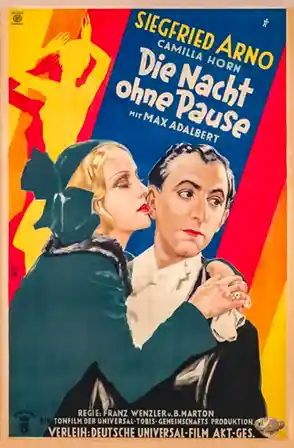
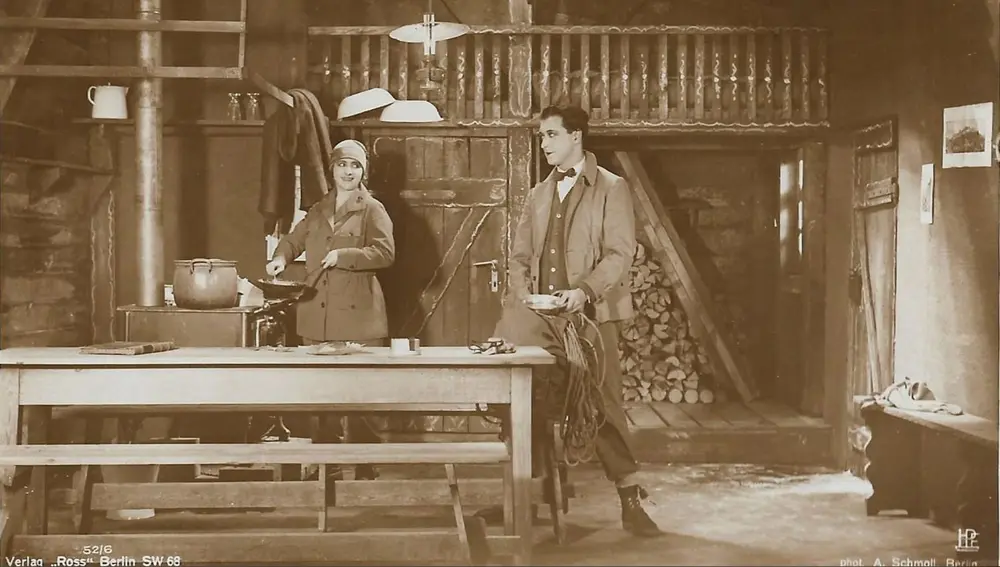
Comparing the cinematic DNA and archive impact of two defining moments in cult history.
Walter Ruttmann
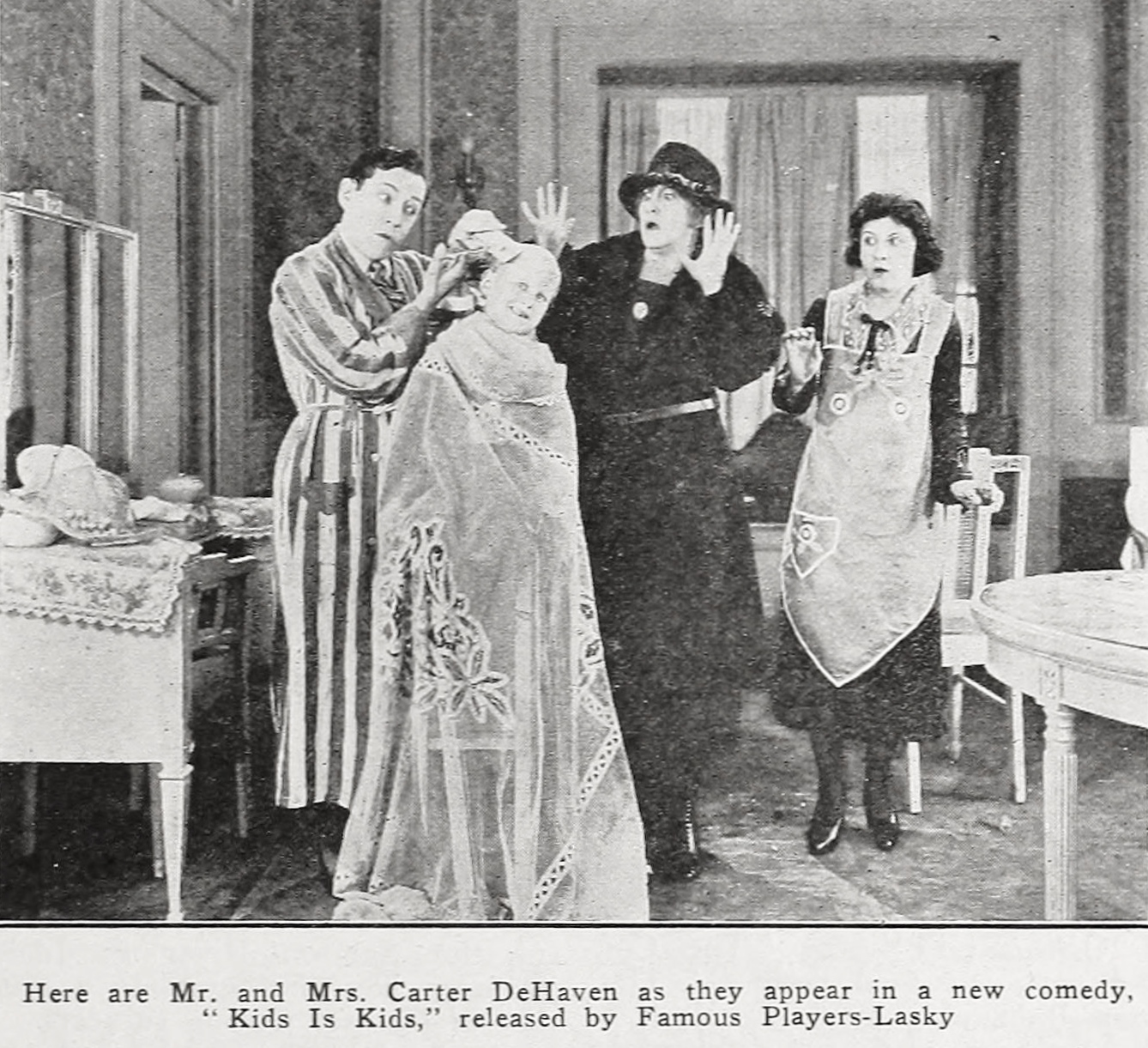
Charley Chase
Community
Log in to comment.
" The year 1921 witnessed an aesthetic rupture that most contemporary audiences, tethered to the burgeoning melodrama of the studio system, were scarcely prepared to comprehend. While the majority of the cinematic output was preoccupied with the moralizing narratives found in works like The Devil's Needle or the sentimental domesticity of Lovely Mary, Walter Ruttmann was busy dismantling the medium itself. With Opus II, Ruttmann did not merely provide a sequel to his previous experiment; he r..."