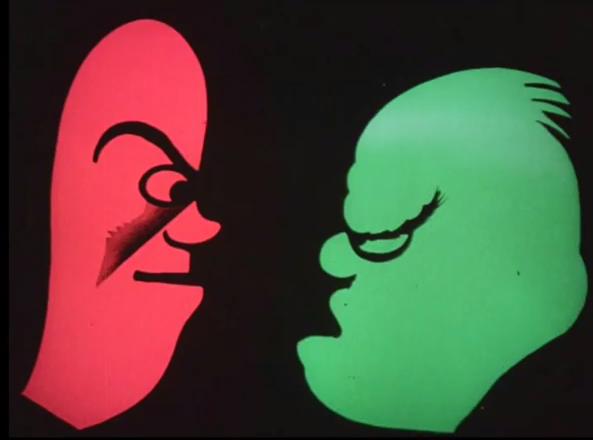
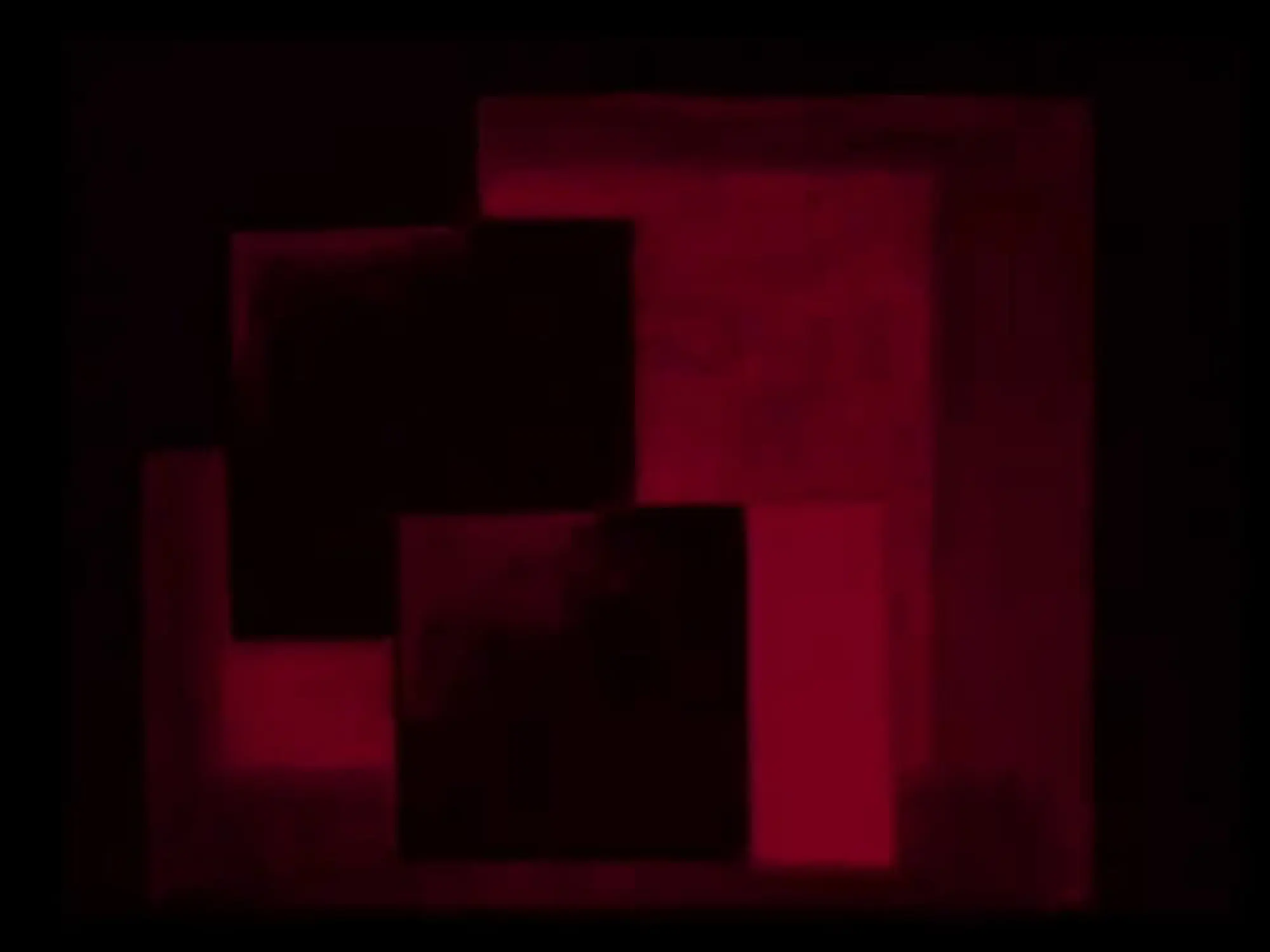
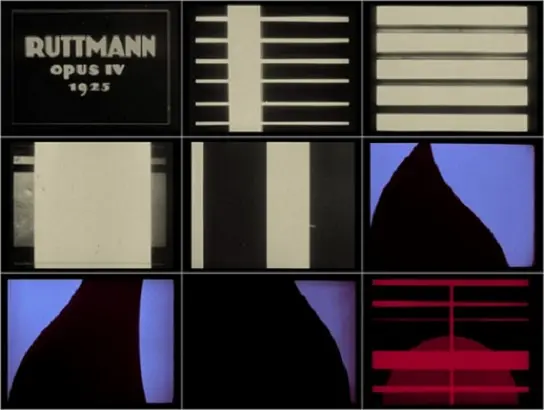
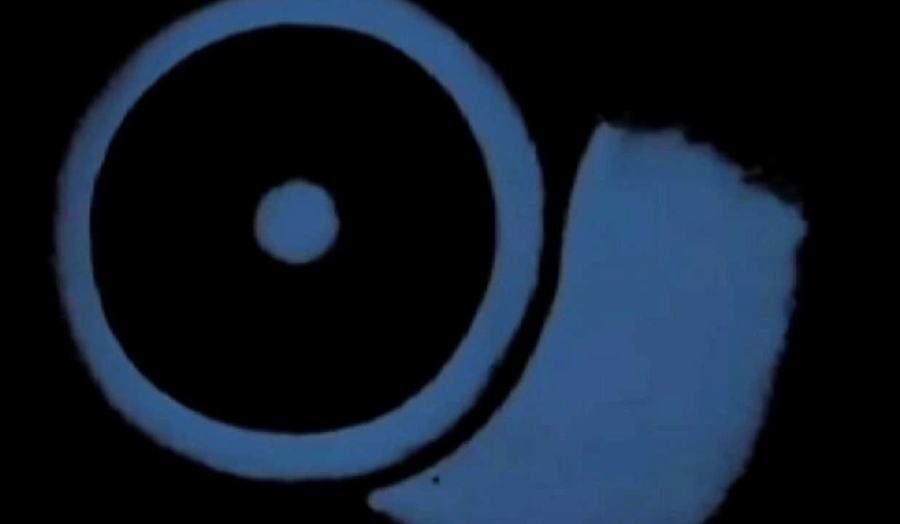
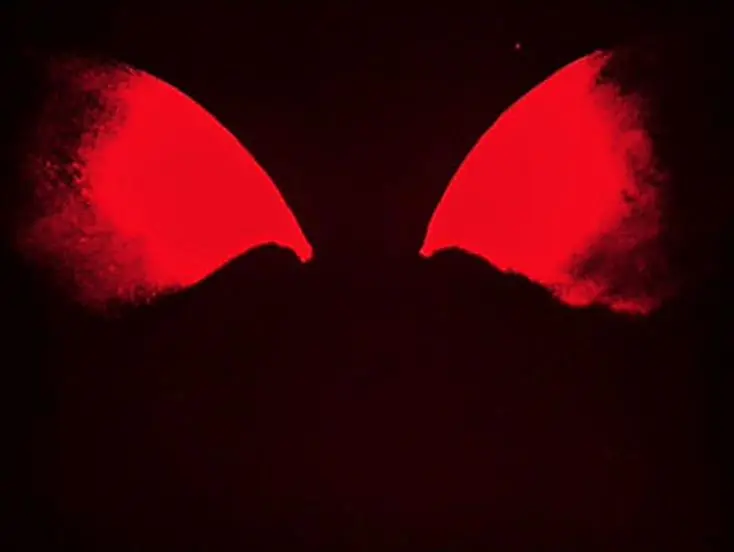
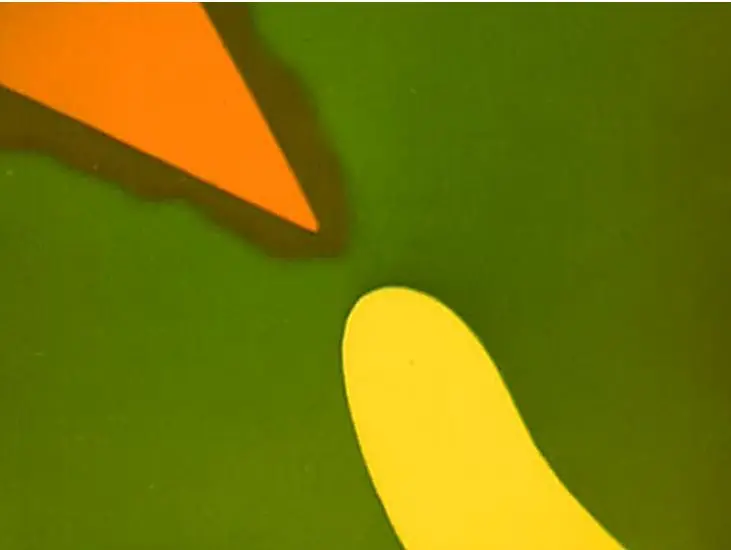
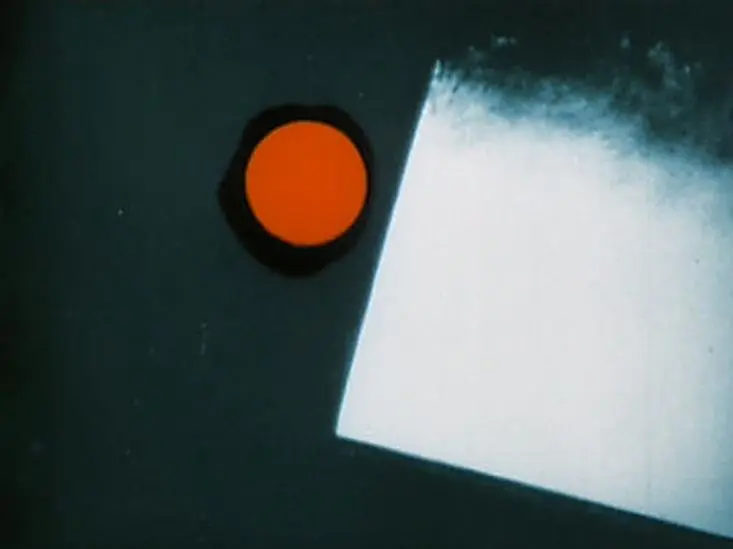
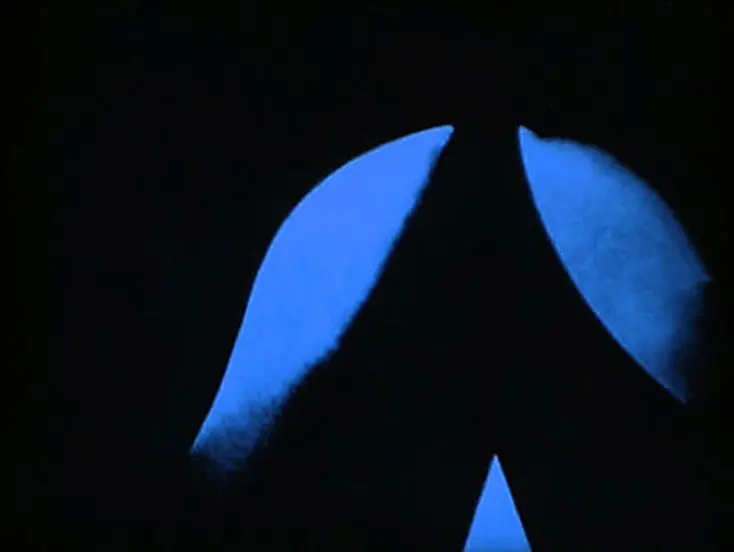
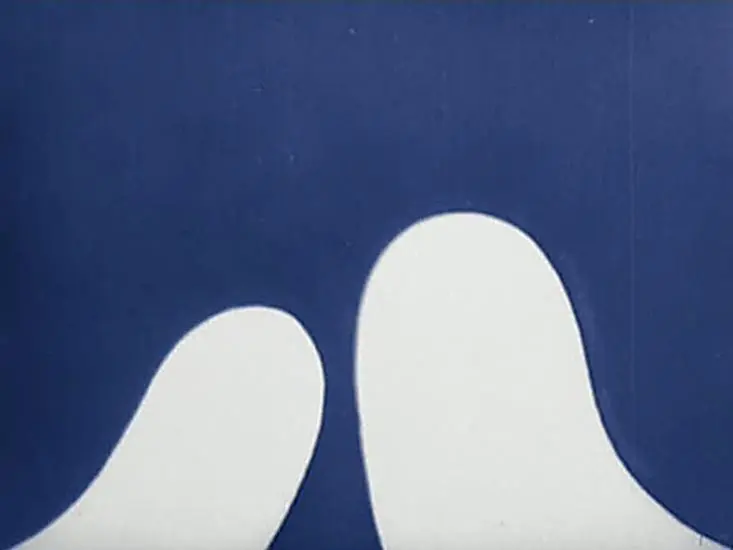
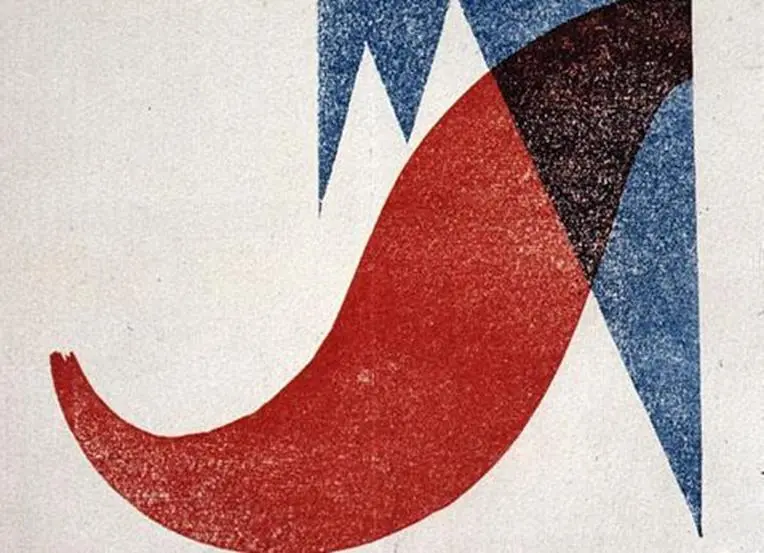
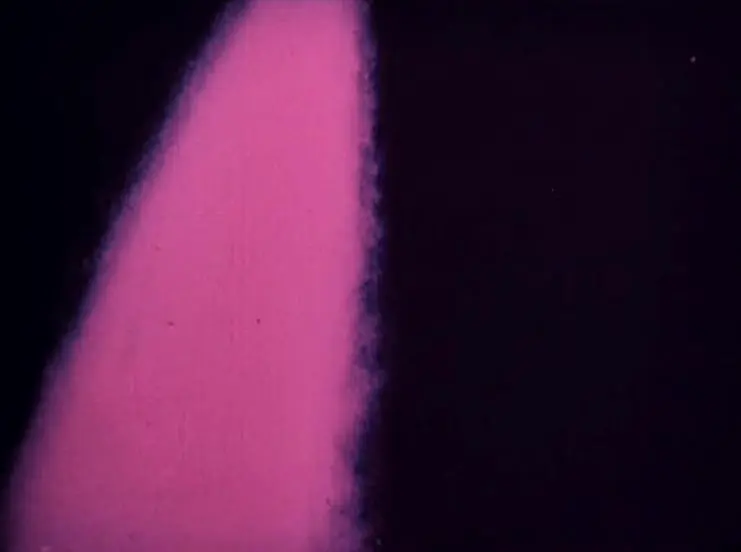
Against a dark background, several bright, curved or rounded shapes pulse towards the center of the screen, one at a time. They are followed by many other shapes, some irregular, some pointed, others rounded.
Germany
The Genesis of Pure Form: Deconstructing Walter Ruttmann's 'Lichtspiel Opus 1' In the annals of cinematic history, certain works stand not merely as films, but as epoch-defining declarations, challenging the very fabric of what moving images could be. Walter Ruttmann's "Lichtspiel Opus 1", a creation...
still_frame
still_frame
still_frame
still_frame
still_frame
still_frame
product
still_frame


Comparing the cinematic DNA and archive impact of two defining moments in cult history.
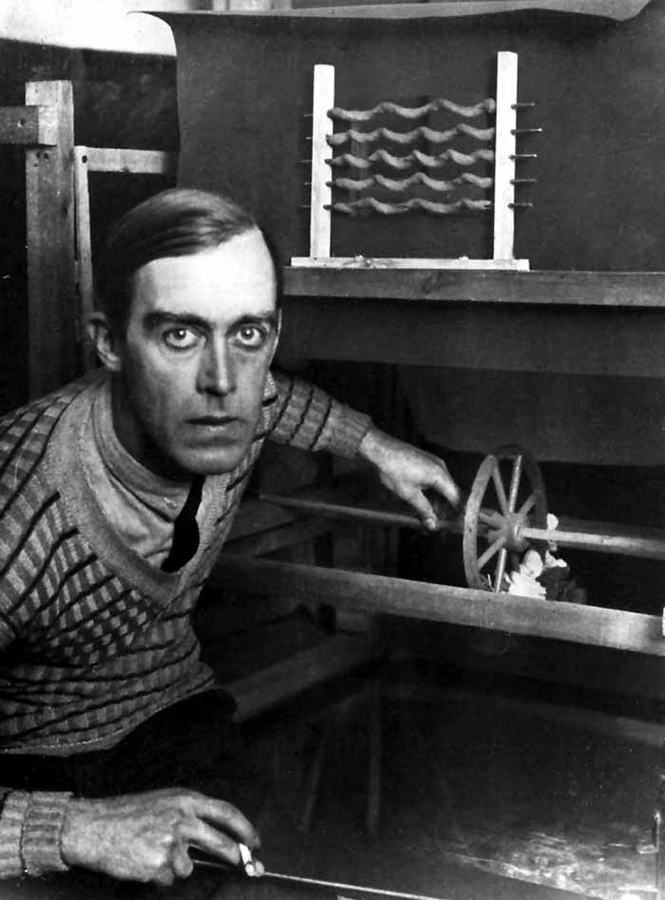
Walter Ruttmann

Hal Roach
Community
Log in to comment.
" The Genesis of Pure Form: Deconstructing Walter Ruttmann's 'Lichtspiel Opus 1' In the annals of cinematic history, certain works stand not merely as films, but as epoch-defining declarations, challenging the very fabric of what moving images could be. Walter Ruttmann's "Lichtspiel Opus 1", a creation from the nascent years of the Weimar Republic, is precisely such a piece. It’s not a narrative film, nor a documentary, nor even a conventional experimental short in the sense we ..."
Deep dive into the cult classic
Discover similar cinematic experiences
A Directorial Spotlight on Walter Ruttmann