DbcultAccessing Vault...
3.9/10
Senior Film Conservator
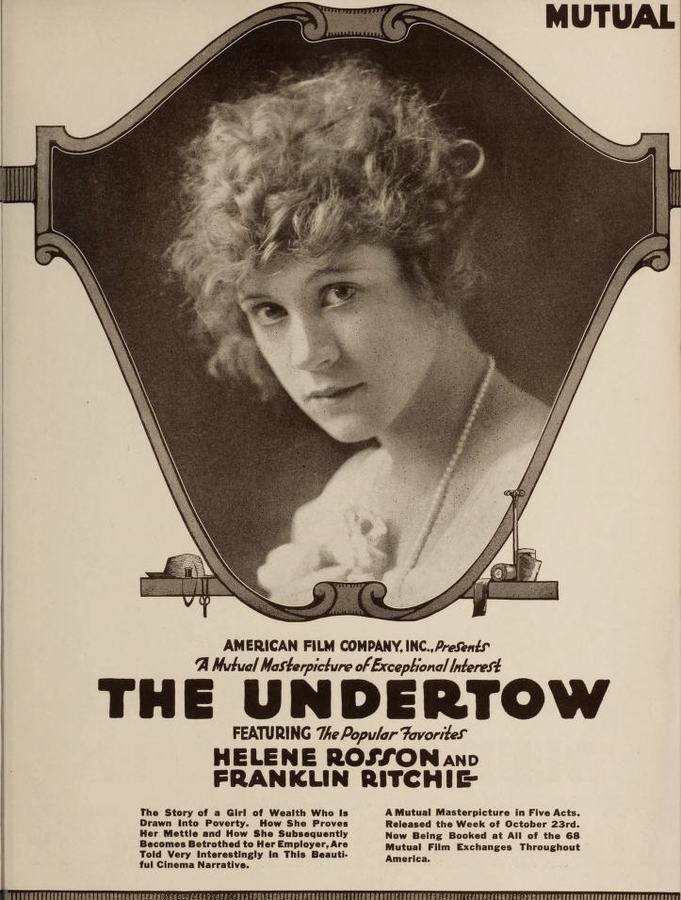
A definitive 3.9/10 rating for a film that redefined the boundaries of cult cinema. The Undertow remains a cornerstone of transgressive art.
Stepping back into the cinematic landscape of 1915, one encounters a fascinating tapestry of storytelling, where nascent techniques coalesced with grand dramatic ambitions. Among these early gems, The Undertow emerges not merely as a relic, but as a surprisingly potent narrative, its silent frames brimming with the moral complexities and societal anxieties of its era. This isn't just a historical curiosity; it's a profound exploration of personal integrity, corporate malfeasance, and the unexpected currents of human connection that can either buoy or drown us. In an age where spectacle often overshadowed subtlety, this film dared to delve into the intricate dance between individual virtue and systemic corruption, presenting a narrative arc that feels both archetypal and remarkably prescient.
At its core, The Undertow introduces us to James King, a figure of significant industrial power, yet inwardly beleaguered by a domestic life utterly devoid of intellectual or emotional synchronicity. His initial marriage is depicted as a profound mismatch, a union to a woman whose lack of ambition and questionable associations stand in stark contrast to King's own diligent, perhaps even austere, sensibilities. This marital discord isn't merely background noise; it's the initial, subtle undertow that begins to pull at King's personal stability, foreshadowing the greater upheavals to come. The film masterfully uses this personal friction to establish King as a man already navigating internal strife, making his subsequent trials in the business world resonate with a deeper, more personal pathos. One can almost feel the weight of his unspoken frustrations, a common theme in early melodramas, yet here imbued with a certain gravitas thanks to Franklin Ritchie's portrayal.
As King ascends to the leadership of a massive factory, employing a veritable army of workers, the narrative expands its canvas to explore the moral landscape of early industrial capitalism. Here, the film introduces a stark dichotomy through its foremen: Hammond, an embodiment of avarice and cruelty, whose tyranny grinds down the spirit of the workforce; and Morden, a beacon of honesty and trustworthiness. This clear-cut portrayal of good versus evil might seem simplistic by modern standards, but in the context of silent film, it served as a powerful, easily digestible allegorical framework. Orral Humphrey, as Hammond, likely leaned into the exaggerated villainy characteristic of the era, while the virtuous Morden (perhaps played by a less prominent but equally effective actor, given the cast list focuses on leads) would have offered a stoic counterpoint. The starkness of this contrast allows the audience to immediately grasp the ethical stakes inherent in King's burgeoning empire. The factory itself becomes a microcosm of society, a battleground for the soul of industry.
Morden's character is further fleshed out through his domestic life, where his benevolence extends beyond the factory floor. His adoption of David Strong, a young factory worker, and later his welcoming of Esther, his brother's daughter, into his home, paints a picture of a man whose moral compass is unwavering. Esther, initially accustomed to a life of privilege, exhibits remarkable resilience, adapting to her new surroundings and, significantly, joining the factory's labor force. This detail is crucial, as it positions Esther not merely as a romantic interest, but as an active participant in the film's social commentary, bridging the gap between the world of capital and the world of labor. Helene Rosson, as Esther, brings a quiet strength to a character who might otherwise be relegated to a damsel in distress role, imbuing her with agency and fortitude.
The narrative takes a dramatic turn with King's decision to sever ties with his first wife. Unable to endure her actions any longer, he settles a substantial sum upon her, allowing her to depart for England to seek a divorce. This act, while seemingly an escape from personal turmoil, is immediately followed by a tragic twist of fate: her ship is wrecked, and she perishes. This sudden, almost Shakespearean intervention of destiny serves multiple narrative purposes. It liberates King from his domestic woes without the messiness of a protracted divorce, clearing the path for new romantic possibilities, and adds a layer of somber gravitas to the story. The film, in this instance, employs a common melodramatic device, using external tragedy to resolve internal conflict, a technique seen in many films of the period, including those that tackled social issues like The War Correspondents, where fate often played a significant hand in the lives of its characters.
With King's personal life undergoing such a profound, albeit tragic, transformation, the focus shifts back to the escalating tensions within his factory. A critical disturbance arises, and it is Esther, with her keen sense of justice and connection to the workforce, who attempts to inform King. Her letter, however, becomes another casualty of Hammond's villainy, intercepted and suppressed by the foreman. This act of censorship highlights the insidious power dynamics at play, where information control is as potent a weapon as any physical force. It also underscores Esther's proactive role, positioning her as an intuitive and courageous figure, far from a passive observer.
Despite Hammond's machinations, fate, or perhaps King's own growing discernment, directs his attention toward the nefarious foreman. In a moment of narrative convergence, King also meets Esther, and their connection is immediate and profound. This burgeoning romance, blossoming amidst the backdrop of industrial strife and personal loss, offers a powerful counterpoint to the film's darker elements. It suggests that even in the most challenging circumstances, genuine human connection and moral alignment can find a way to flourish. Helene Rosson and Franklin Ritchie, through their silent performances, would have conveyed this growing affection through subtle gestures, lingering gazes, and shared moments of understanding, relying on the visual language of silent cinema to communicate emotional depth.
The climax of the film sees Hammond's villainy reach its zenith. Desperate to undermine King and perhaps seize control, he bribes a workman to commit arson, intending to burn down the factory. This act of sabotage is a classic melodramatic trope, designed to create maximum tension and provide a clear external threat. However, it is Esther, once again, who becomes the unlikely hero. Overhearing the sinister plot, she bravely warns King, averting catastrophic disaster. This moment cements her role not just as a love interest, but as an indispensable partner, a woman whose intelligence and courage are vital to King's success and the well-being of his enterprise. Her actions echo themes of resilience found in other period dramas where female protagonists often had to navigate perilous situations, such as in The War Bride's Secret, where quick thinking and bravery were paramount.
With Hammond's plot foiled and his treachery exposed, King acts decisively. He calls all the workmen together, reinstates those who were wronged, and, in a powerful public gesture, introduces Esther to them as his affianced wife. This final scene is rich with symbolic meaning. It's not merely a happy ending for the protagonists; it represents the triumph of justice, the restoration of order, and the establishment of a more equitable industrial environment. King’s decision to involve the workmen in this personal announcement signifies a new kind of leadership—one that is transparent, benevolent, and inclusive. Esther's consent, explicitly mentioned in the plot summary, is also crucial, emphasizing her agency and her willing partnership in this new chapter. It's a vision of industrial harmony, perhaps idealistic, but deeply resonant with the social reform movements of the early 20th century.
Examining The Undertow through a modern lens requires an appreciation for the unique artistry of silent cinema. Without spoken dialogue, filmmakers relied heavily on visual storytelling: exaggerated gestures, expressive facial movements, meticulous set design, and the strategic use of intertitles to convey plot points and dialogue. The performances of Helene Rosson, Franklin Ritchie, and Orral Humphrey would have been highly stylized, designed to communicate emotions and intentions clearly to an audience accustomed to this form of dramatic presentation. The pacing, too, would have been different, often slower in buildup but punctuated by bursts of intense action or emotional revelation. The power of the narrative, therefore, rests not just on the plot, but on the actors' ability to project inner states and external conflicts through physical presence and silent emoting.
The use of light and shadow, rudimentary but impactful cinematography, and the implicit presence of a live musical accompaniment would have further enhanced the viewing experience. These elements combined to create a world that, while silent, was incredibly rich in sensory detail and emotional resonance. The film's ability to tackle complex themes like corporate ethics and marital strife without dialogue speaks volumes about the ingenuity of early filmmakers. One can compare this reliance on visual narrative to films like Schuldig, where the dramatic weight of moral dilemmas was carried almost entirely by the actors' expressions and the mise-en-scène. The emotional stakes are conveyed through the intensity of a gaze, the tremor of a hand, or the sudden, decisive movement across a room. This is the true magic of silent film: its capacity to transcend the absence of sound through a heightened visual and performative language.
What makes The Undertow resonate even today, beyond its historical significance, is its clear-eyed exploration of universal themes. The struggle between integrity and corruption, the search for meaningful connection, and the resilience of the human spirit against adversity are timeless. While the specific industrial setting and the social conventions depicted belong to a bygone era, the underlying moral dilemmas remain acutely relevant. King's journey from a man trapped in a loveless marriage and battling internal corporate strife to one who finds both personal happiness and professional redemption is a compelling arc. Esther's transformation from a woman of privilege to a courageous, working-class heroine who actively shapes her destiny is equally inspiring. Her character, particularly, stands as a testament to evolving perceptions of female agency in early cinema, a departure from more passive roles often seen in contemporary works.
The film's resolution, with its emphasis on justice and the forging of a new, benevolent leadership, offers a hopeful vision. It suggests that even in the face of greed and betrayal, virtue can ultimately prevail. This optimistic outlook, characteristic of many early cinematic narratives, provided audiences with a sense of moral clarity and reassurance in a rapidly changing world. It's a testament to the power of storytelling to reflect societal values and aspirations, even as it entertains. In an industrializing society grappling with its own ethical compass, The Undertow provided a compelling allegory for the triumph of good governance and personal rectitude over the destructive forces of unchecked ambition and malevolence. Its legacy lies in its ability to encapsulate complex human drama within the elegant, wordless poetry of early film, leaving an indelible impression on the viewer long after the final frame has faded.
In conclusion, The Undertow is far more than a simple historical artifact; it is a vibrant piece of early cinema that speaks volumes about the human condition. Its intricate plot, well-defined characters, and clear moral framework coalesce into a compelling drama that would have captivated audiences of its time and continues to offer rich insights to those willing to delve into its silent depths today. The film serves as a potent reminder of the enduring power of narrative, demonstrating how even without spoken words, universal truths can be articulated with profound clarity and emotional resonance. It is a testament to the pioneering spirit of early filmmakers and the timeless allure of a story well told, proving that the currents of human experience, both treacherous and redemptive, have always been fertile ground for artistic exploration. For those interested in the evolution of cinematic storytelling and the moral narratives that shaped early 20th-century sensibilities, The Undertow remains an essential, captivating watch, a silent echo of a dramatic past that still resonates with contemporary relevance.
IMDb —
1923
Community
Log in to comment.