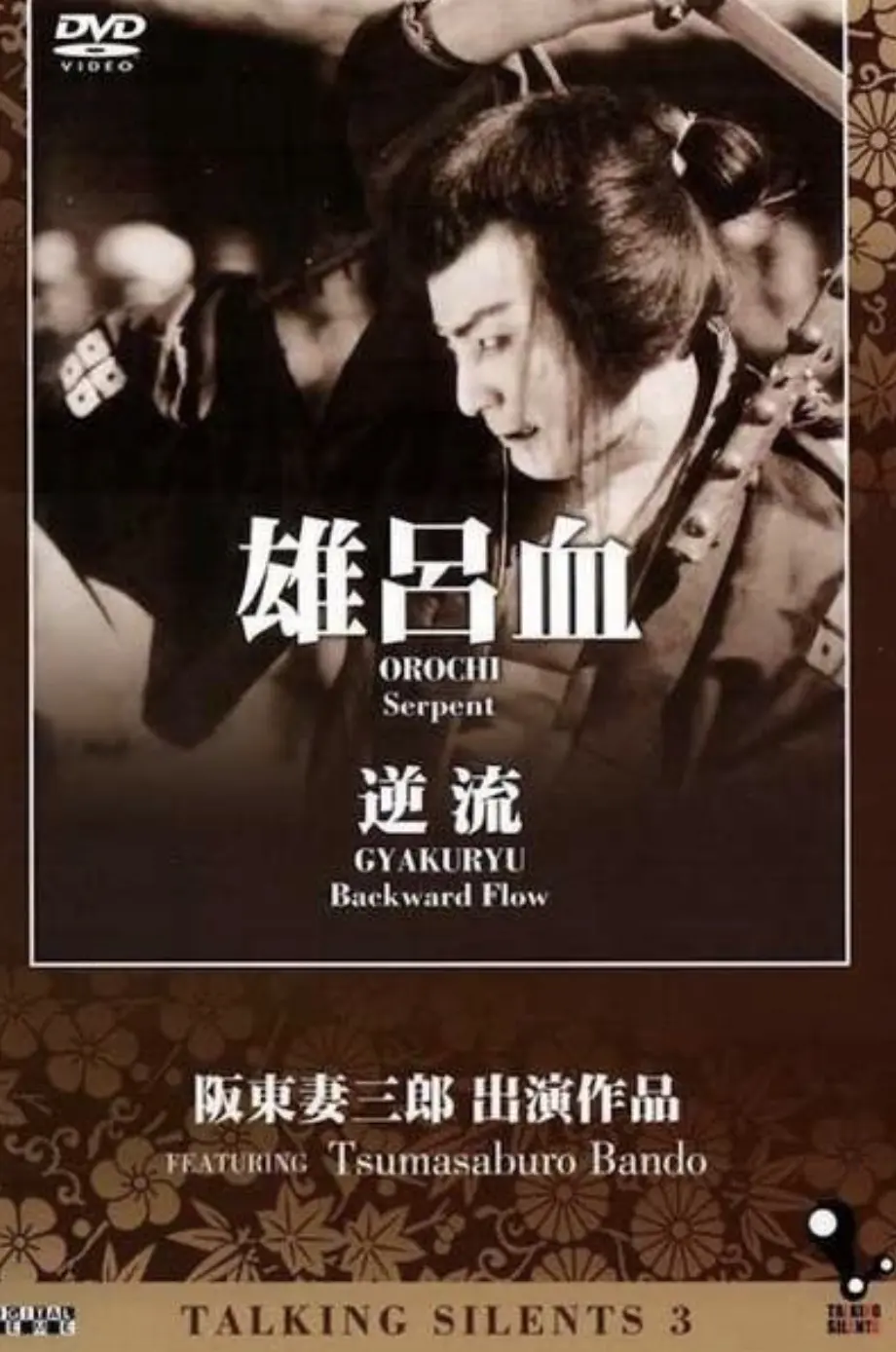
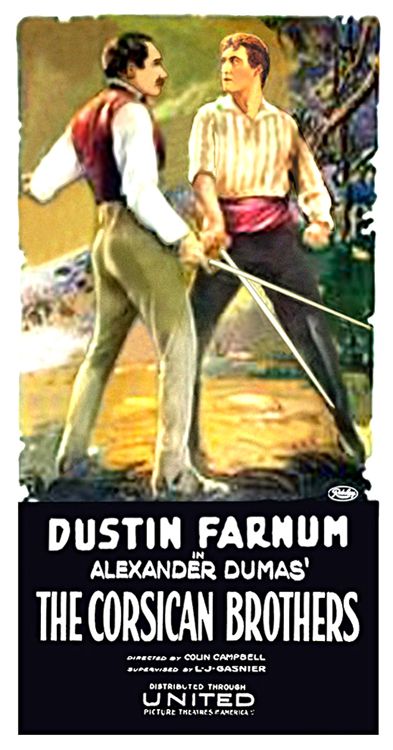
The story of a decent samurai who is widely considered a scum and a criminal. His bad luck and numerous misunderstandings drag him down the social ladder straight to the gutter.
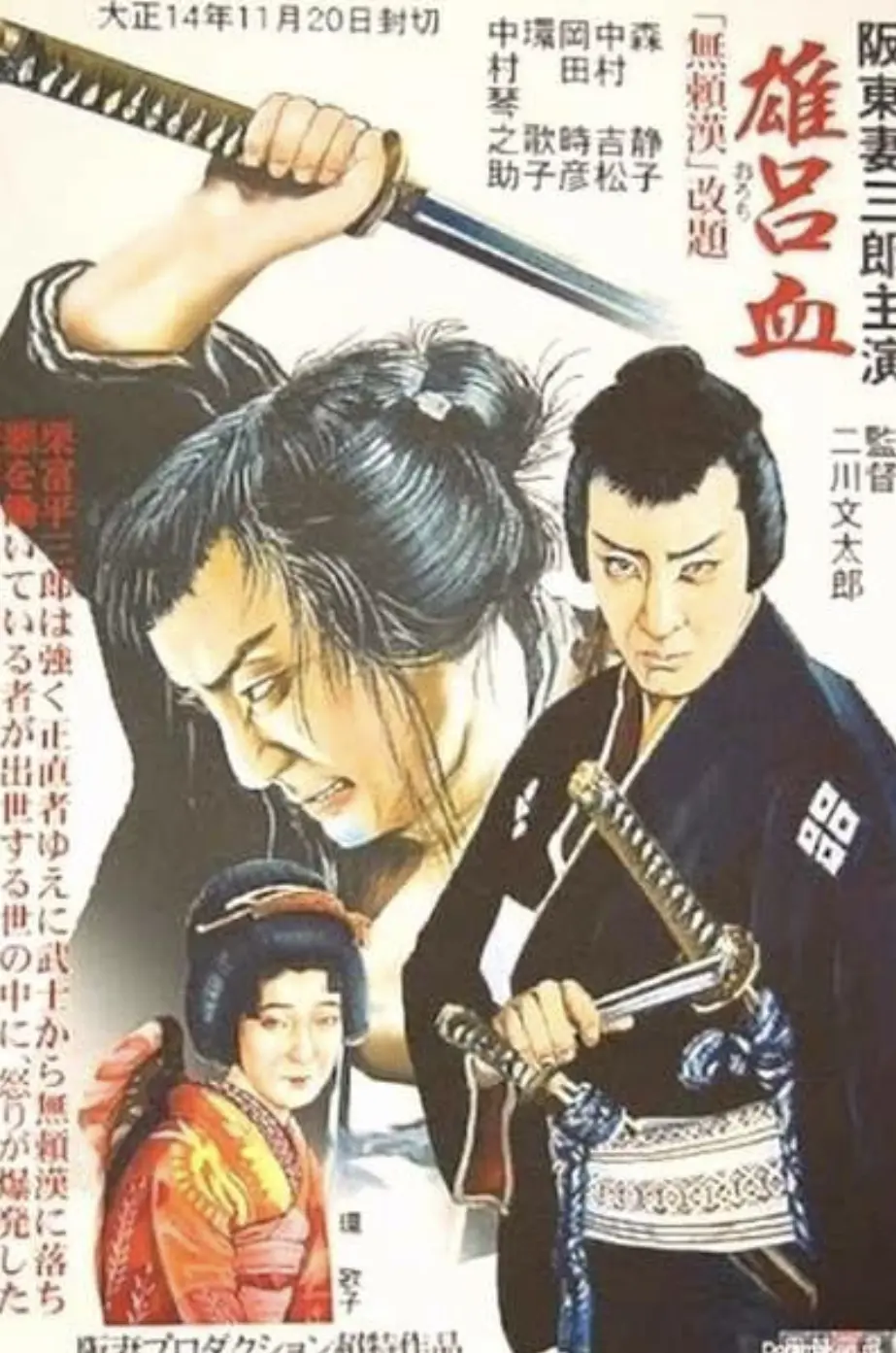
To witness Orochi (1925) is to experience a seismic shift in the tectonic plates of Japanese cinema. Directed by Buntaro Futagawa and penned by the visionary Rokuhei Susukita, this silent masterpiece did not merely entertain the masses of the Taisho era; it shattered the porcelain image of the samurai as a paragon of e...
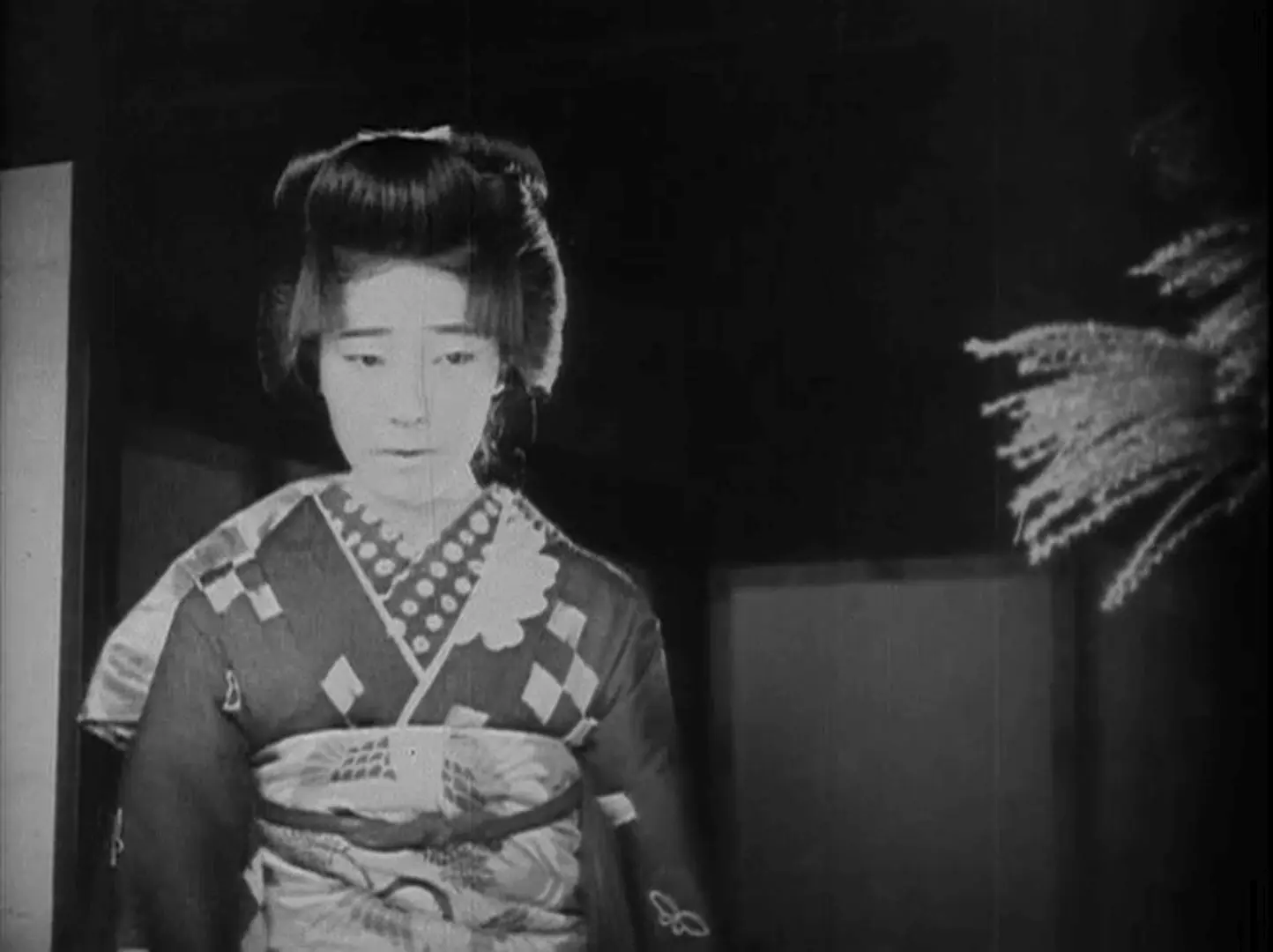
still_frame
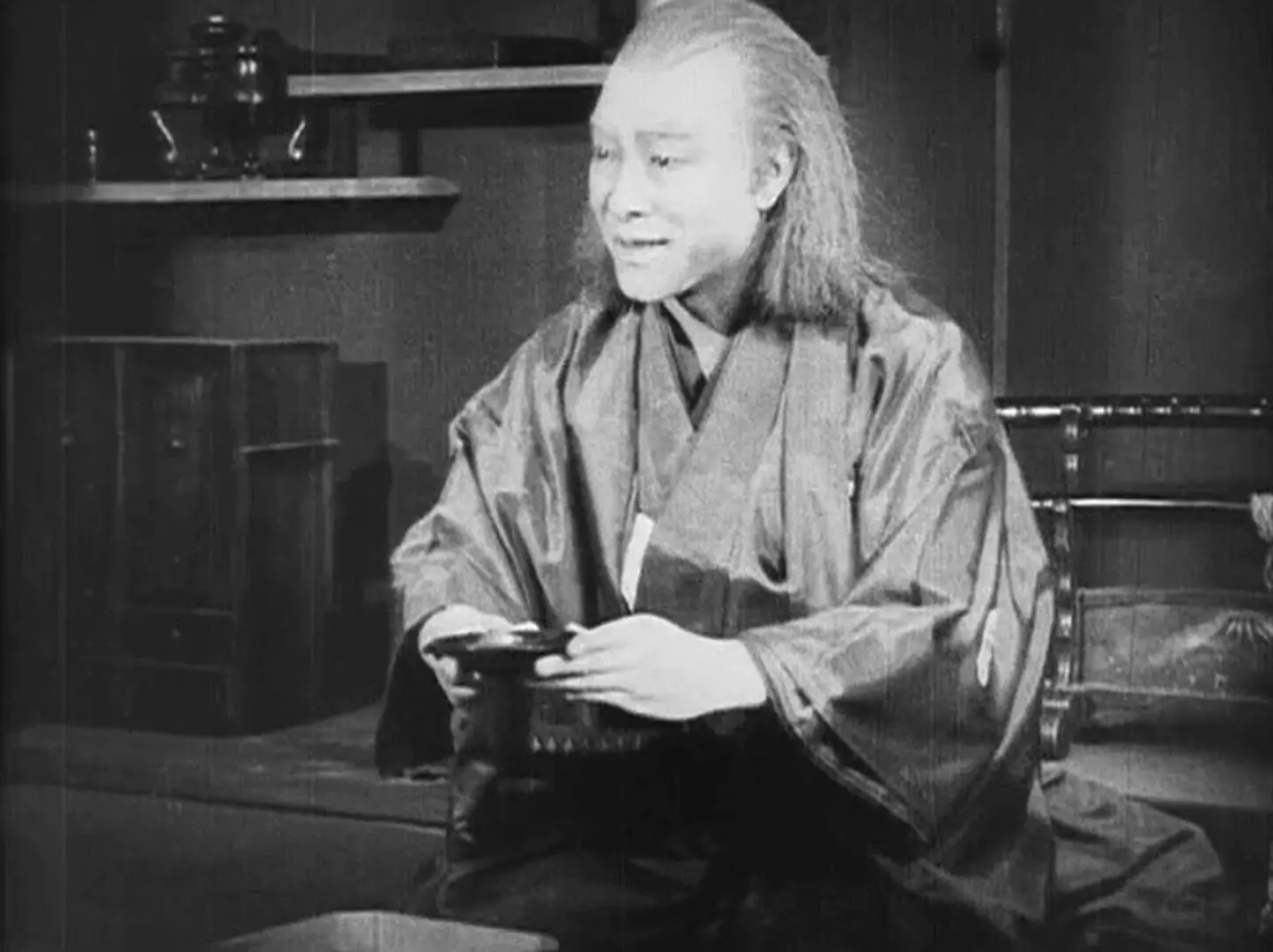
still_frame
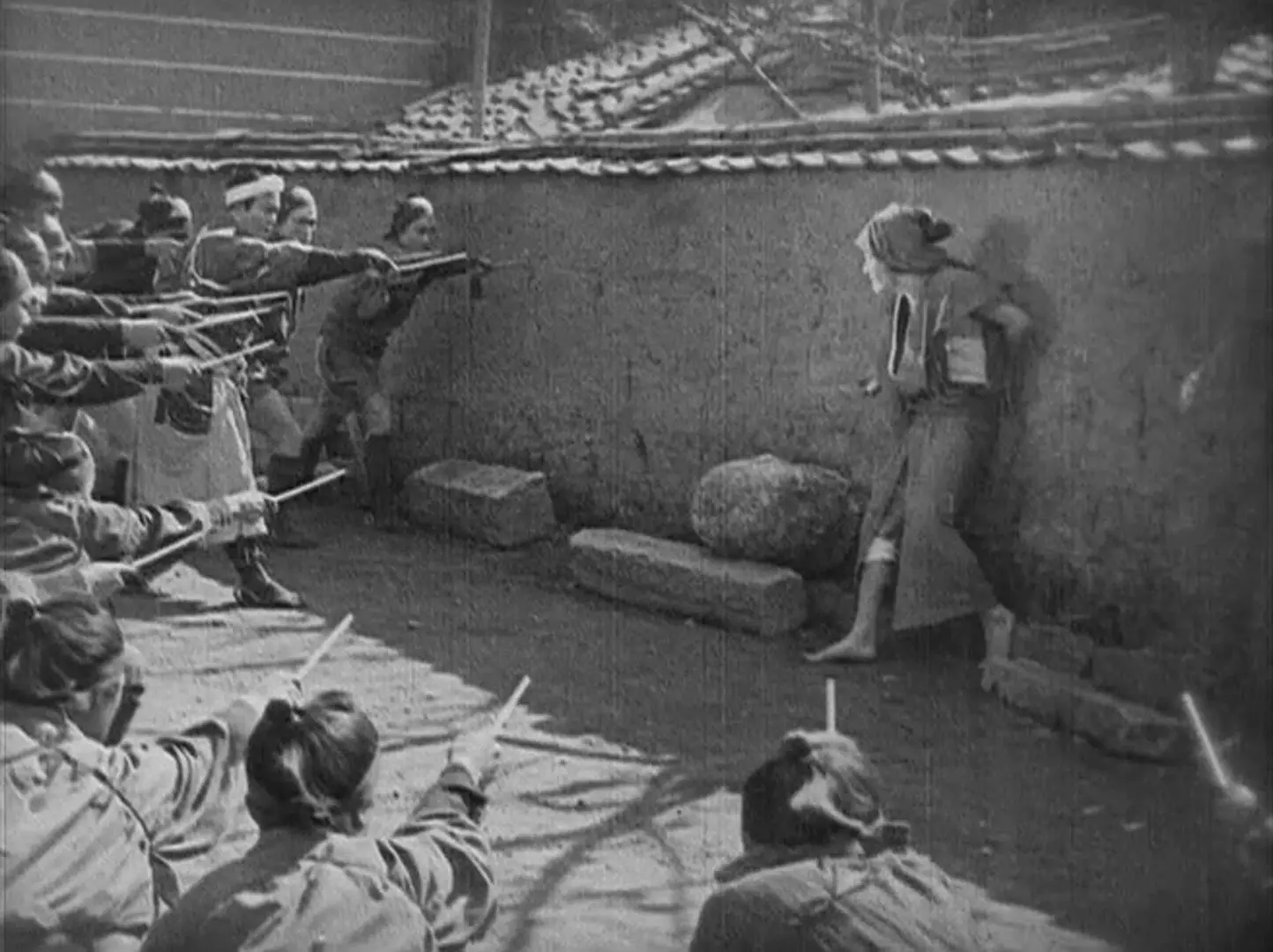
still_frame
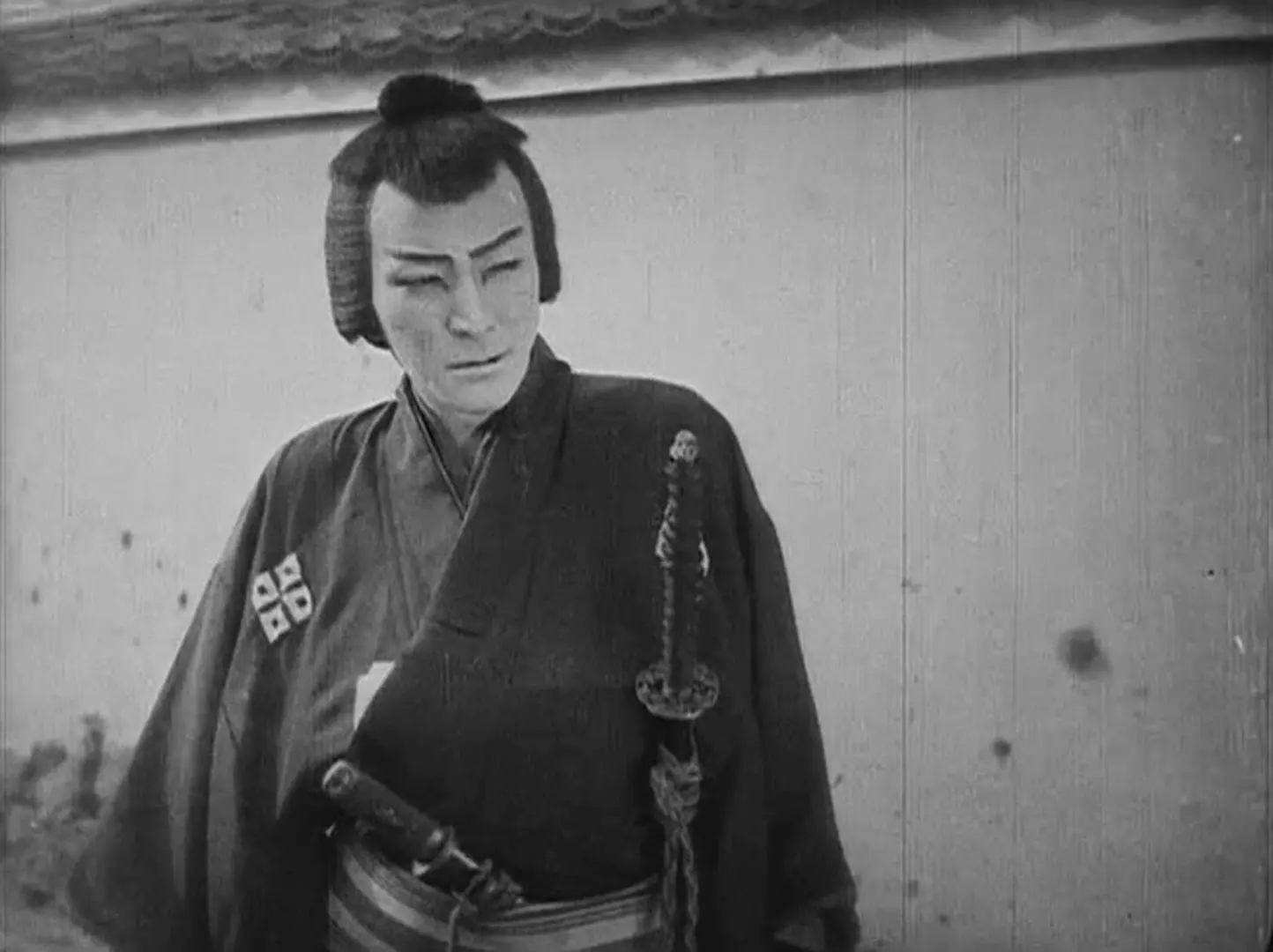
still_frame

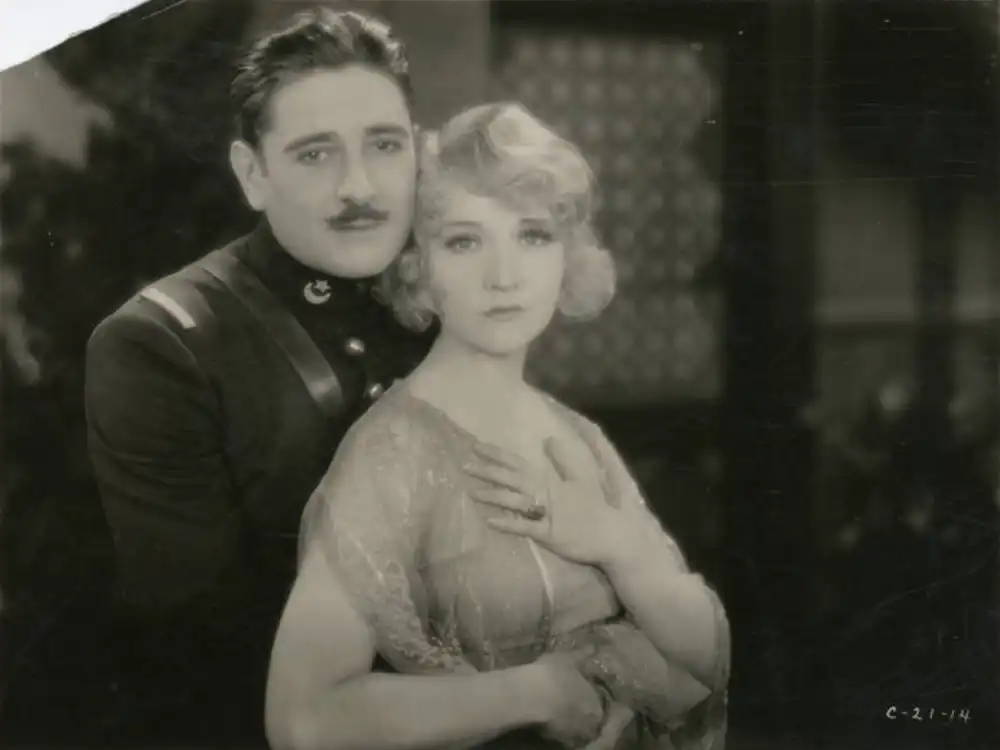
Comparing the cinematic DNA and archive impact of two defining moments in cult history.
Buntarô Futagawa
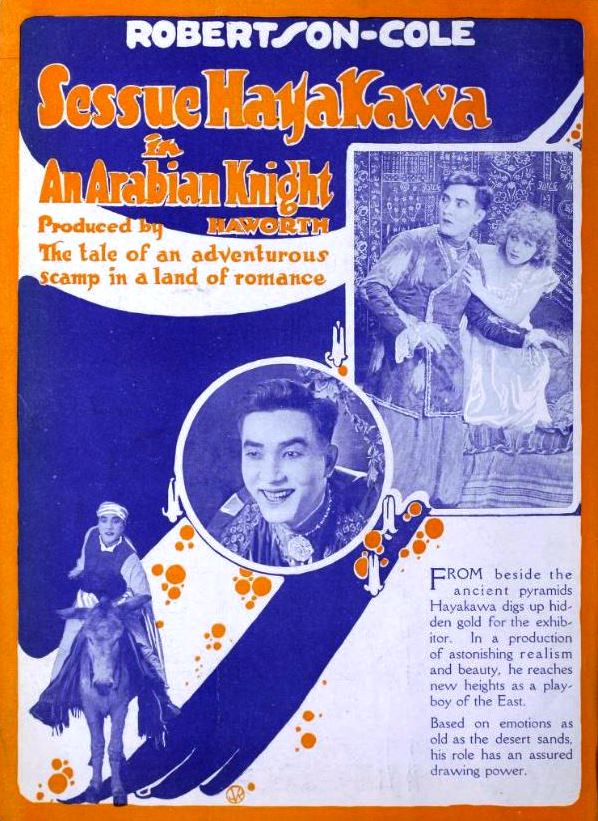
Charles Swickard
Community
Log in to comment.
"To witness Orochi (1925) is to experience a seismic shift in the tectonic plates of Japanese cinema. Directed by Buntaro Futagawa and penned by the visionary Rokuhei Susukita, this silent masterpiece did not merely entertain the masses of the Taisho era; it shattered the porcelain image of the samurai as a paragon of effortless virtue. While Western audiences in the mid-1920s were consuming the rugged, often moralistic frontier justice of films like The Lone Star Ranger, Japanese theater-goers w..."
Momotarô Yamamura
Rokuhei Susukita
Japan
1920 · IMDb 5.5
Charles Swickard