DbcultAccessing Vault...
7.1/10
Senior Film Conservator
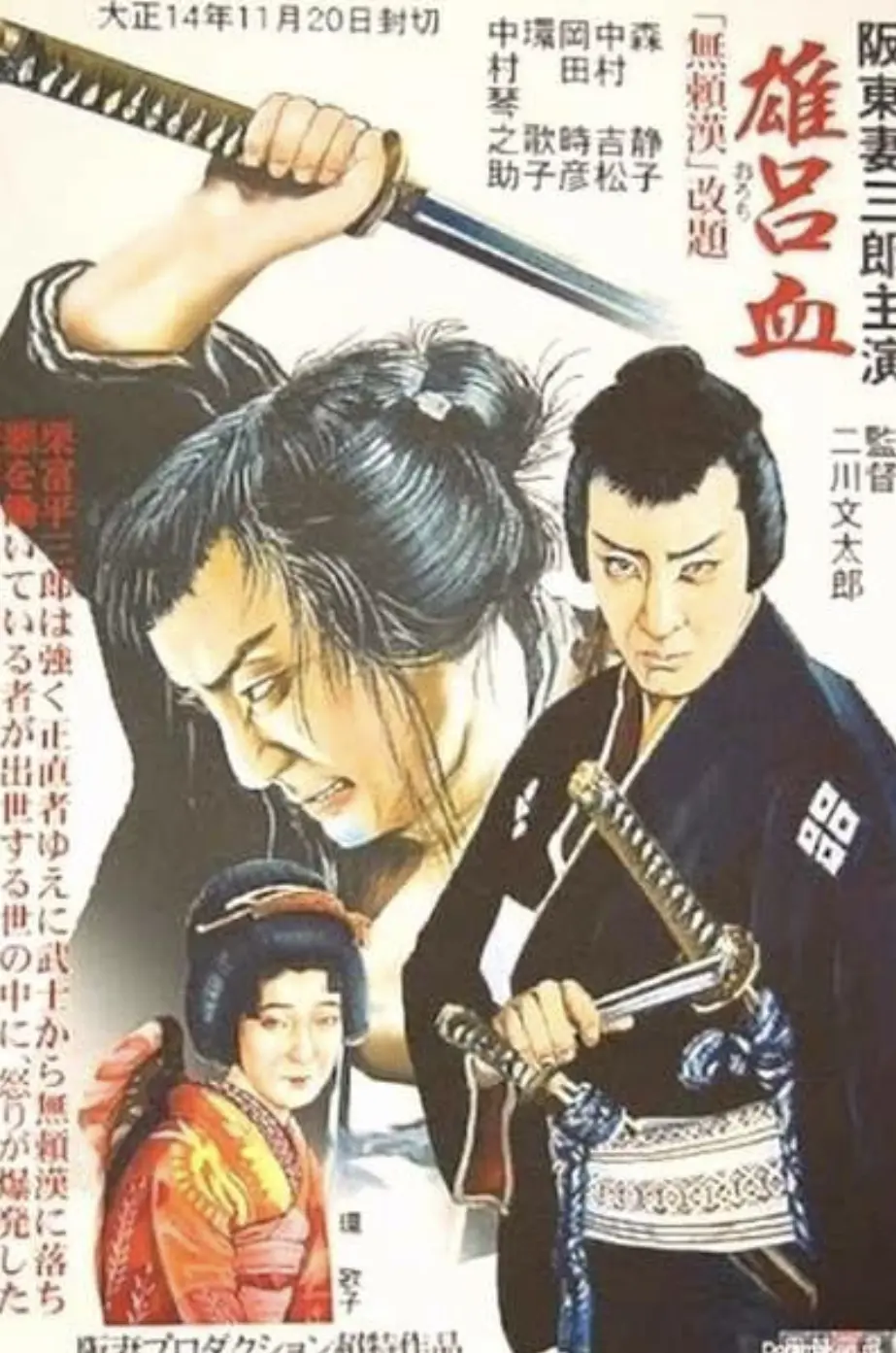
A definitive 7.1/10 rating for a film that redefined the boundaries of cult cinema. Orochi remains a cornerstone of transgressive art.
To witness Orochi (1925) is to experience a seismic shift in the tectonic plates of Japanese cinema. Directed by Buntaro Futagawa and penned by the visionary Rokuhei Susukita, this silent masterpiece did not merely entertain the masses of the Taisho era; it shattered the porcelain image of the samurai as a paragon of effortless virtue. While Western audiences in the mid-1920s were consuming the rugged, often moralistic frontier justice of films like The Lone Star Ranger, Japanese theater-goers were being confronted with a protagonist whose life was a cascading failure of the 'bushido' promise. The film is a jagged, bleeding heart of a work that replaces the static, Kabuki-influenced choreography of its predecessors with a frenetic, almost psychotic energy that feels startlingly modern even a century later.
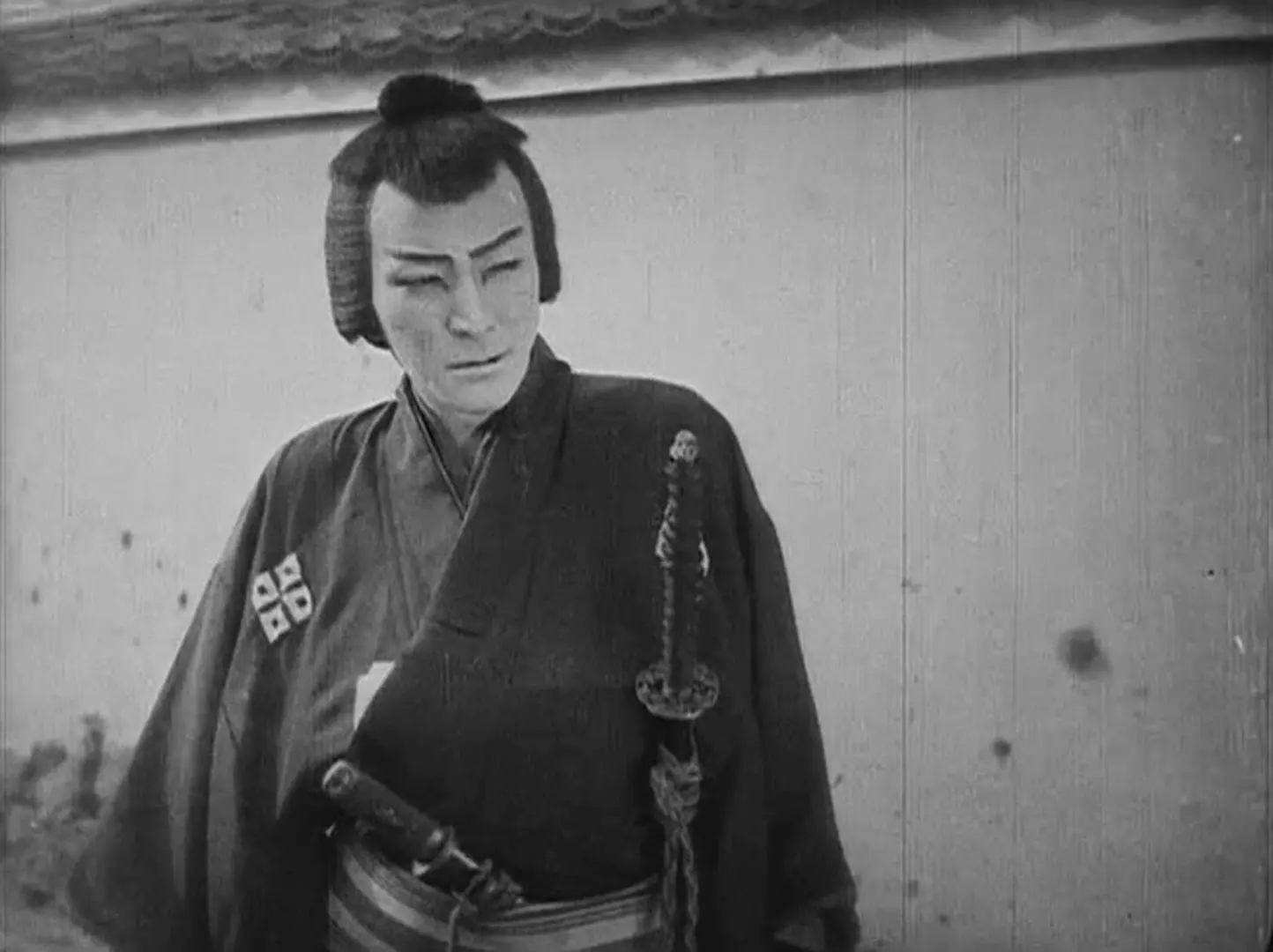
The brilliance of Tsumasaburō Bandō, affectionately known as 'Bando-Tsuma,' lies in his ability to inhabit the skin of Kuritomi Heiaburo with a terrifying vulnerability. Heiaburo is not a villain, nor is he a traditional hero; he is a man of intense emotional volatility whose very earnestness becomes his undoing. The film meticulously documents his expulsion from a prestigious dojo—not for a lack of skill, but for a refusal to play the sycophantic games of his peers. This theme of the 'honest man in a dishonest world' echoes the thematic weight found in Foolish Lives, where the protagonist's moral compass serves only to lead them into a labyrinth of societal rejection.
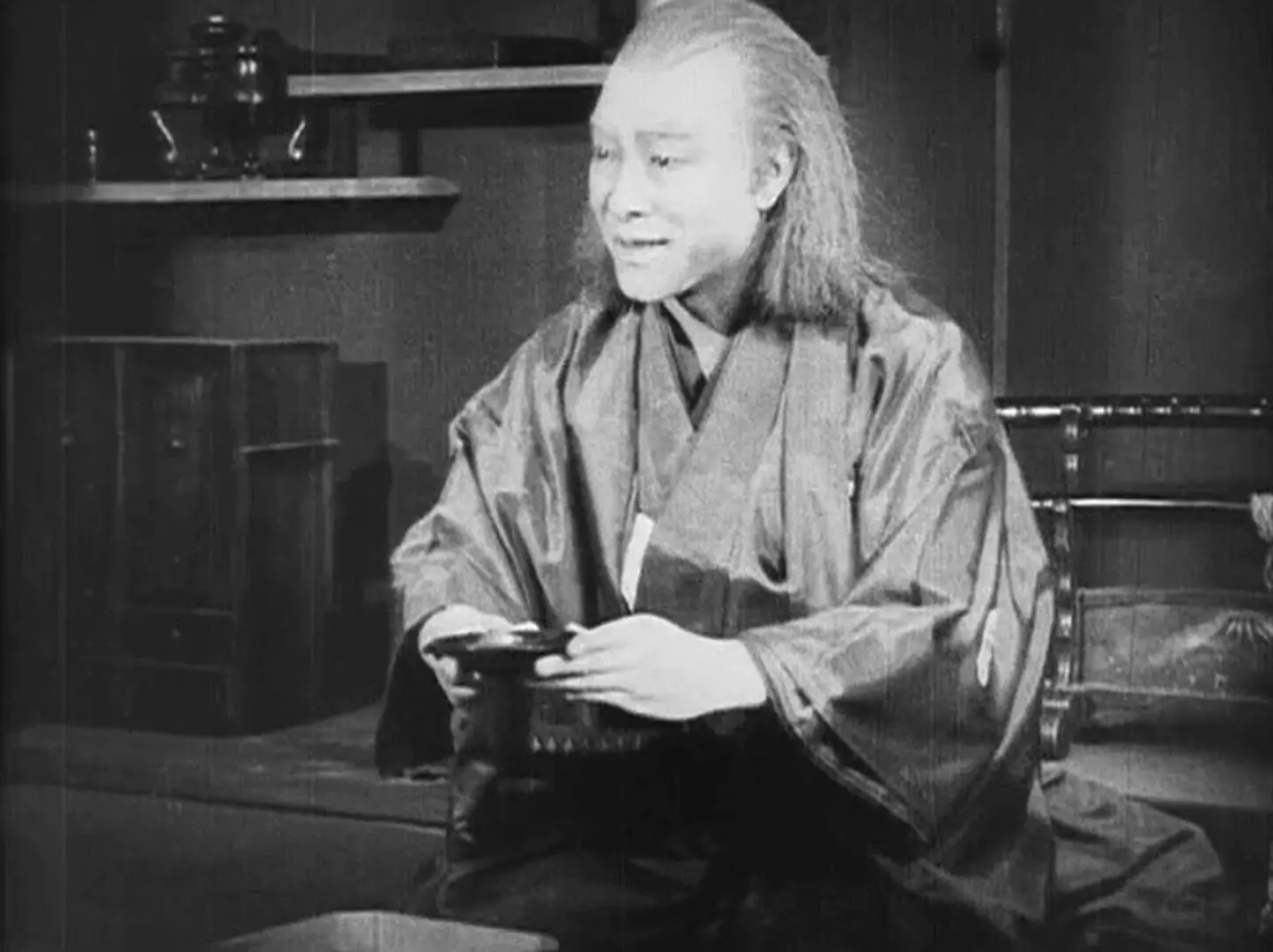
As Heiaburo drifts into the gutter, the film’s visual language shifts. The lighting becomes more oppressive, the shadows longer, and the framing more claustrophobic. We see him attempt to save a woman from a kidnapping, only to be branded a kidnapper himself. We see him try to protect his master, only to be accused of betrayal. The irony is not just thick; it is suffocating. This is a world where the mask is the reality, and Heiaburo, who refuses to wear one, is treated as a monster. The social commentary here is biting—a critique of a rigid class system that was beginning to crumble in the face of modernization, yet still held the power to crush the individual.
Before Orochi, sword fighting in Japanese film was a dance—formalized, rhythmic, and largely bloodless. Futagawa and Bandō threw this aesthetic into the fire. The action in this film is a chaotic, desperate scramble for survival. The swordplay is not elegant; it is a 'serpent' (the literal translation of Orochi) that twists and strikes with a lethal, uncoordinated fury. When Heiaburo finally snaps, the camera work mirrors his psychological fracture. The panning shots are rapid, the editing is jagged, and the sheer number of opponents he faces creates a sense of overwhelming futility.
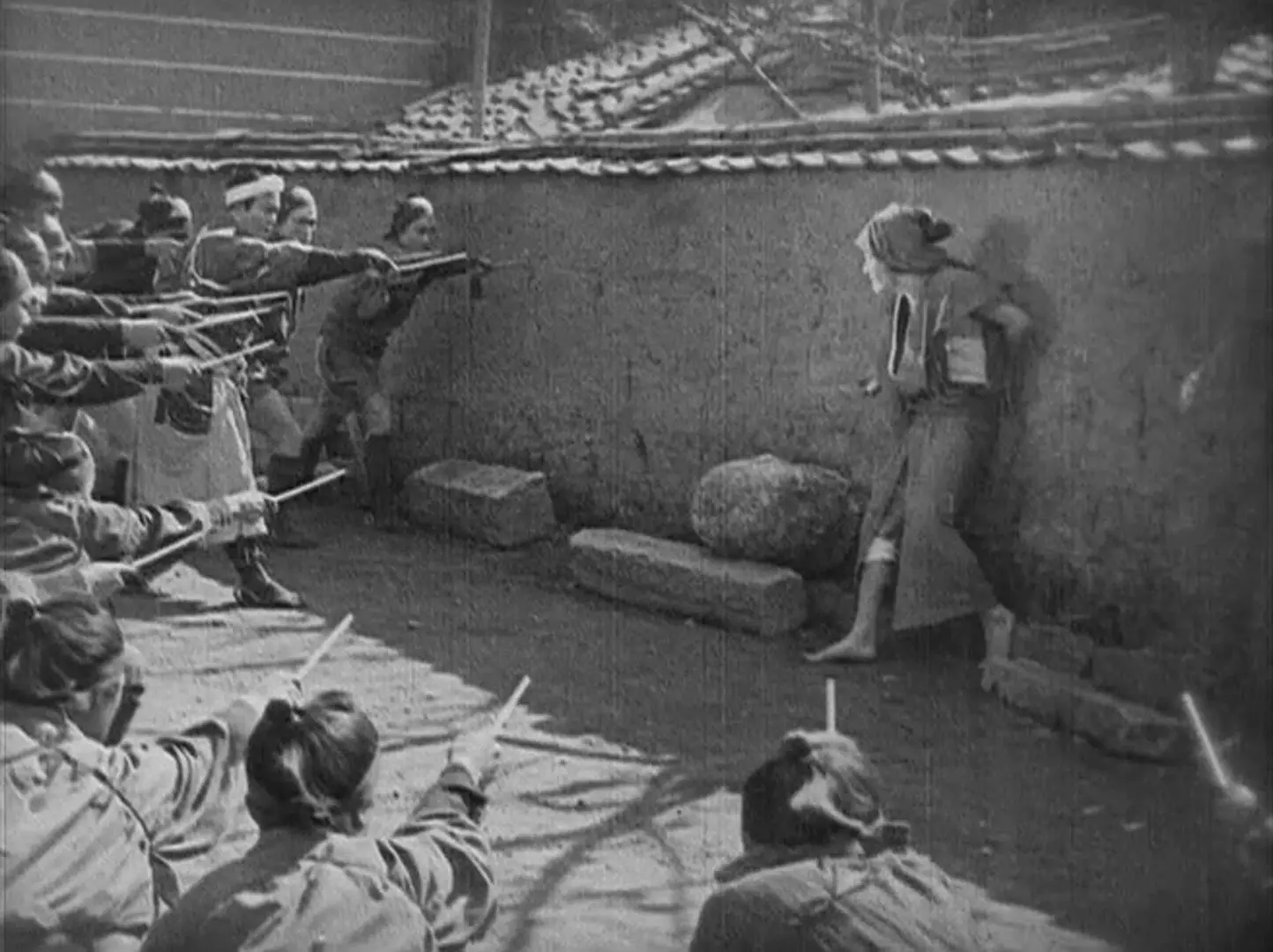
This stylistic evolution was part of the shinkigeki movement, which sought to bring realism and psychological depth to period dramas. Much like the gritty realism explored in Dangerous Days, Orochi refuses to grant the viewer the comfort of a clean resolution. The violence is not a tool for justice; it is a manifestation of Heiaburo’s scream against a world that has already decided his fate. The exhaustion on Bandō’s face during the final twenty-minute skirmish is not mere acting; it is a physical testimony to the character’s spiritual depletion.
"Not all who are labeled criminals are evil, and not all who wear the robes of authority are righteous. Orochi is the story of the man caught in the gears of that terrible lie."
When placed alongside other films of its era, such as the Australian struggle depicted in Australia's Own or the moral dilemmas of The Inner Voice, Orochi stands out for its sheer existential dread. While Lest We Forget dealt with the collective trauma of war, Orochi deals with the trauma of the individual within a supposedly peaceful society. It suggests that the peace of the Taisho era was built on the backs of those it deemed 'scum.'
The film’s influence on the future of cinema cannot be overstated. One can see the DNA of Heiaburo in the wandering ronin of Akira Kurosawa’s films or the anti-heroes of the 1960s Japanese New Wave. The use of the 'rebel' samurai became a trope, but here it is presented with a raw, unpolished sincerity that is often lost in later iterations. It lacks the polish of The Love Letter, but it replaces that delicacy with a sledgehammer to the chest.
The cinematography by Hideo Ishimoto is a masterclass in silent storytelling. Note the way the dojo scenes are shot with a rigid symmetry, representing the stifling order of the institution. As Heiaburo descends into the underworld, the symmetry breaks. The camera begins to tilt, the backgrounds become cluttered and messy, and the very air seems thick with dust and despair. This visual transition is as effective as the narrative one, pulling the viewer into Heiaburo’s disorientation.
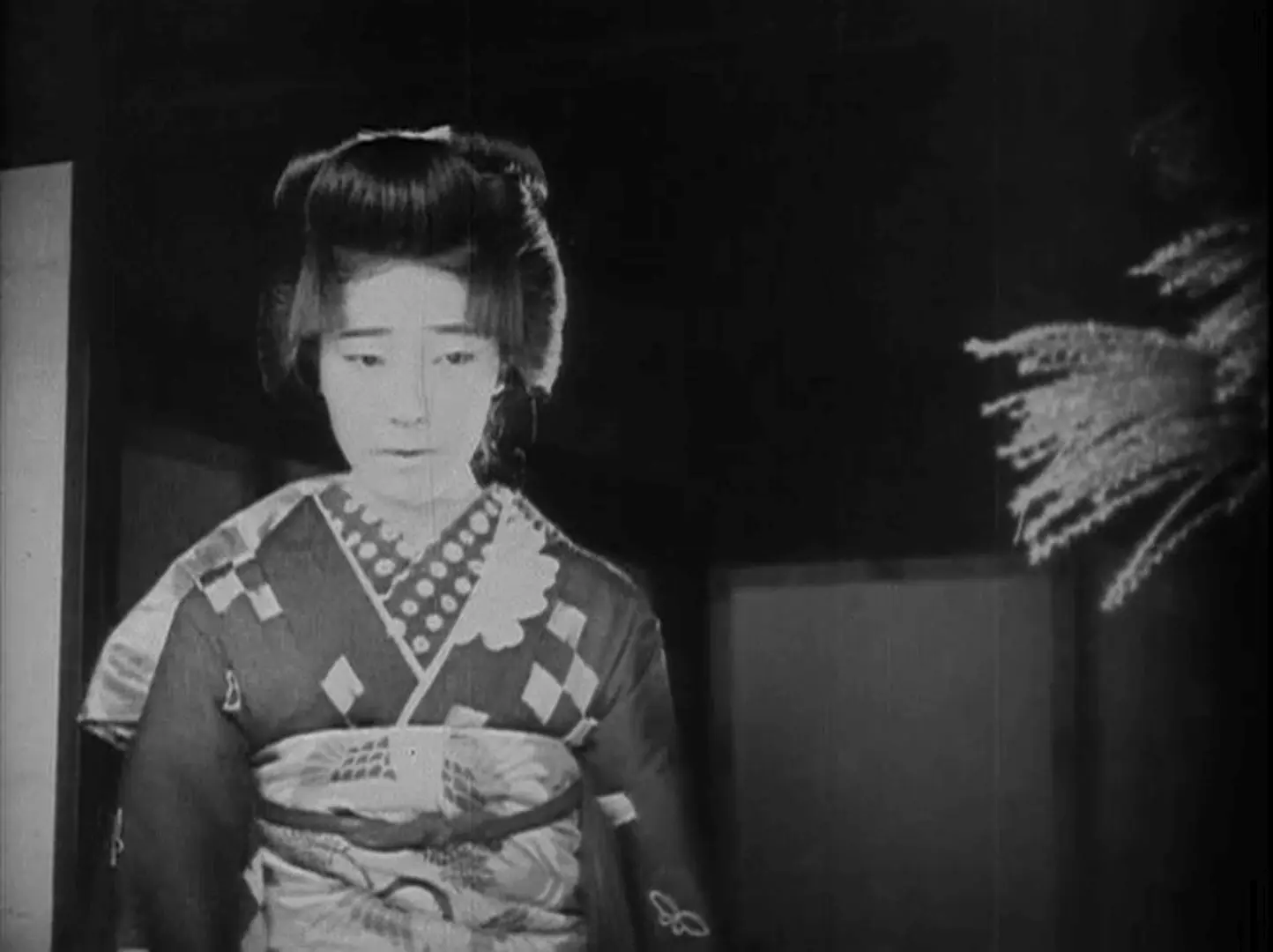
Furthermore, the supporting cast, including Misao Seki and Utako Tamaki, provide a necessary contrast to Bandō’s explosive energy. They represent the various facets of the society that fails him—the rigid mentor, the misunderstood love interest, and the opportunistic villains. Their performances are grounded, providing a realistic backdrop for Heiaburo’s operatic tragedy. This grounding is essential; without it, the film might have drifted into melodrama. Instead, it remains a piercing tragedy, reminiscent of the emotional stakes in The Flower Girl, but with a significantly more aggressive edge.
The climax of Orochi is perhaps the most famous sequence in silent Japanese cinema. Heiaburo, cornered and exhausted, takes on a literal army. This is not the heroic stand of a martyr; it is the thrashing of a dying animal. The choreography is a whirlwind of limbs, blades, and falling bodies. Bandō moves with a serpentine fluidity that justifies the film’s title, yet there is no glory in his victory. Every man he cuts down is a reminder of his total isolation from the human race.
This sequence serves as a stark counterpoint to the more structured conflicts in films like Mutiny. In Orochi, the rebellion is not political; it is personal and existential. The film concludes not with a triumph, but with a capture that feels like a relief. The final image of Heiaburo, bound and broken, is a haunting indictment of a culture that would rather destroy a good man than admit its own flaws. It is a moment of profound silence that rings louder than any dialogue could.
In the pantheon of world cinema, Orochi remains a towering achievement. It predates the cynical noir of the West and the psychological thrillers of the modern era, yet it contains the seeds of both. It is a film that demands to be seen not just as a historical curiosity, but as a living, breathing work of art. The themes of social ostracization and the corruption of justice are as relevant today as they were in 1925. Whether compared to the historical documentation of The Battle of the Ancre or the intimate character studies of A napraforgós hölgy, Orochi carves out its own unique space—a space where the sword is a pen, and the ink is the blood of a man who only wanted to be decent.
For those seeking to understand the evolution of the samurai genre, or for those who simply want to witness a masterclass in physical performance, Orochi is essential viewing. It is a dark, beautiful, and ultimately heartbreaking journey into the heart of a man who was too honest for his own good. It is the story of the serpent that was forced to bite, and the world that cursed it for having fangs.

IMDb 5.8
1934
Community
Log in to comment.