Streetlights smear amber across wet asphalt; a pocket chessboard clicks open like a switchblade. Partida ganada doesn’t announce its stakes—it lets them rust under your fingernails until you realize you’ve been scratching the board, not the itch. Ramos’s screenplay writes addiction in algebraic graffiti: every move is...
Comparing the cinematic DNA and archive impact of two defining moments in cult history.
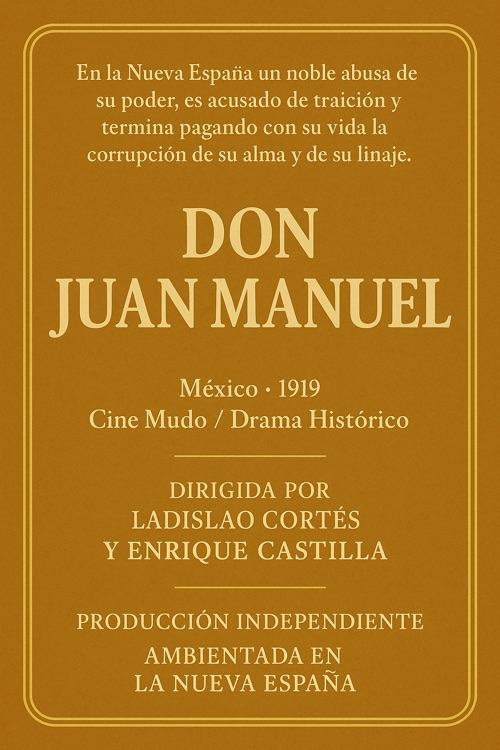
Enrique Castilla
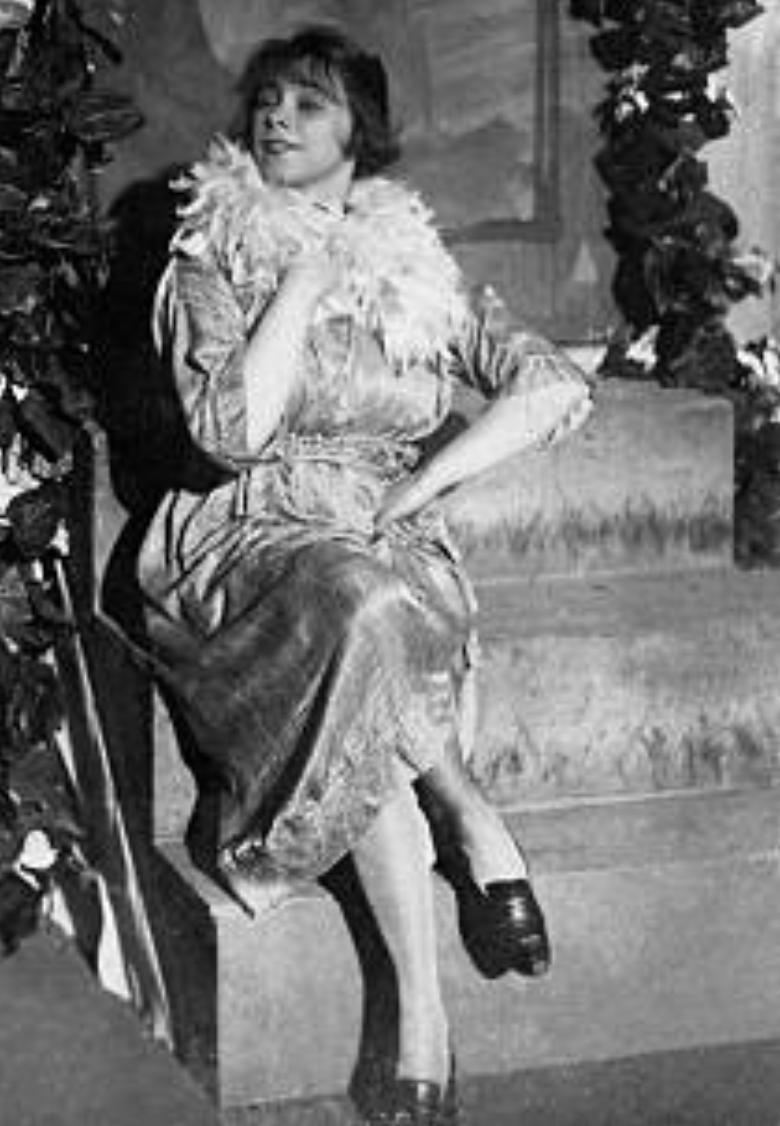
Bruno Ziener
Community
Log in to comment.
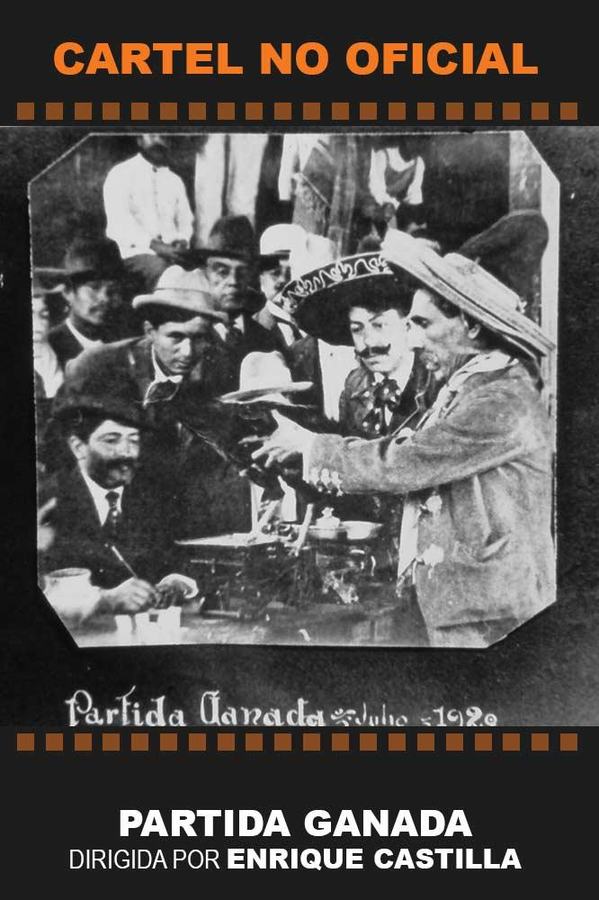
" Streetlights smear amber across wet asphalt; a pocket chessboard clicks open like a switchblade. Partida ganada doesn’t announce its stakes—it lets them rust under your fingernails until you realize you’ve been scratching the board, not the itch. Ramos’s screenplay writes addiction in algebraic graffiti: every move is a transaction, every transaction a disappearance. The film’s Bogotá is a vertical labyrinth where cable-car cabins dangle like abandoned bishops and the Andean fog eats neon whole..."
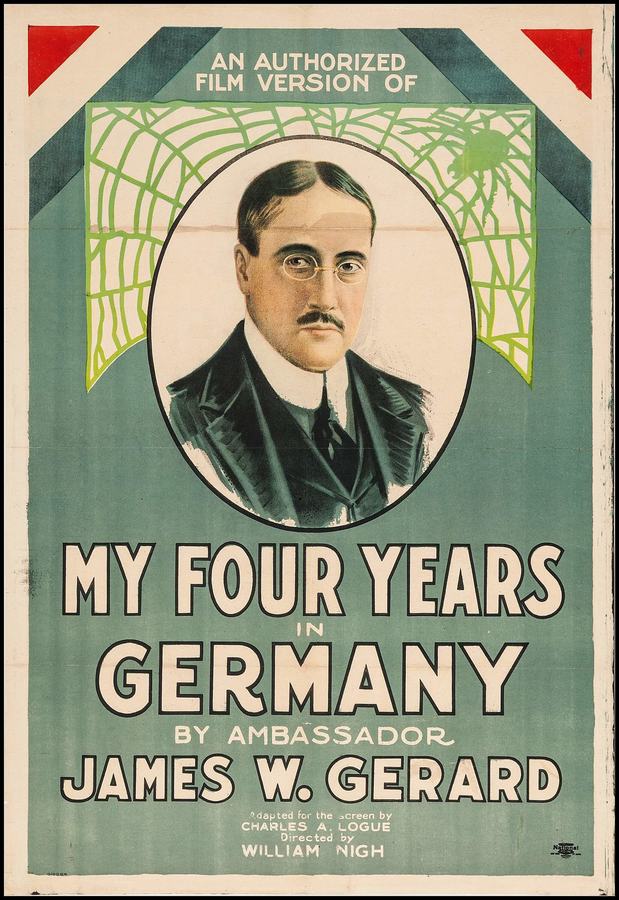
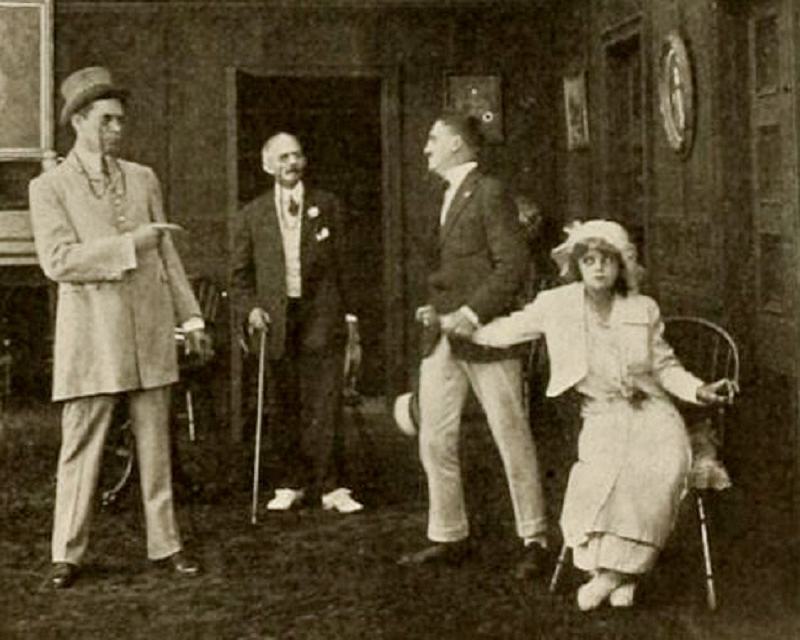
Deep dive into the cult classic
Discover similar cinematic experiences
A Directorial Spotlight on Enrique Castilla