DbcultAccessing Vault...
Cult Review
Senior Film Conservator
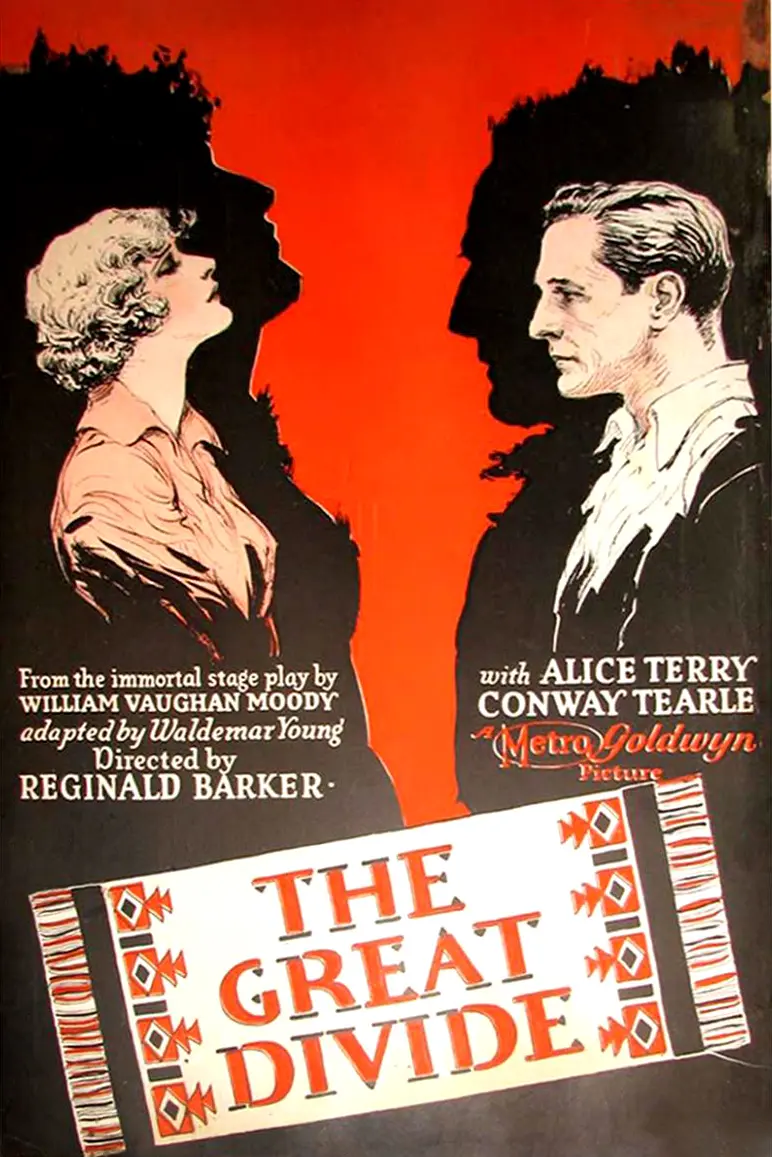
The 1925 iteration of The Great Divide stands as a towering monolith in the landscape of silent cinema, a visceral exploration of the friction between civilization and the untamed wild. Directed with a keen eye for psychological tension, this adaptation of William Vaughn Moody’s stage play transcends the typical melodrama of its era, offering instead a gritty, almost tactile examination of human desperation and the transactional nature of survival. Unlike the more whimsical narratives found in Phantom Fortunes, Barker’s film plunges the viewer into a moral abyss where the boundaries between hero and villain are blurred by the dust of the Arizona desert.
The opening sequences are masterfully claustrophobic. Ruth Jordan, portrayed with an ethereal yet resilient grace by Alice Terry, is established as a paragon of Eastern refinement. When she is left alone in the cabin, the stillness of the wilderness becomes a character unto itself—a silent witness to the impending intrusion of chaos. The arrival of the three drunks is staged with a looming sense of dread that rivals the suspense of Sir Arne's Treasure. Wallace Beery, in a role that highlights his capacity for sheer, unadulterated menace, embodies the worst of the frontier’s lawlessness.
The pivotal moment of the film—the bargain—is a complex ethical knot. Stephen Ghent (Conway Tearle) is not introduced as a savior in the traditional sense; he is merely the least repulsive option in a room full of monsters. The transaction, where Ghent buys Ruth’s safety with a chain of gold nuggets, serves as a searing metaphor for the commodification of women in the early West. It is a theme that echoes through contemporary works like The Wrong Woman, yet here it is handled with a raw, uncompromising intensity that avoids easy moralizing.
The three-day trek to Ghent’s gold mine is a marvel of silent film cinematography. The vast, indifferent expanse of the desert mirrors the internal isolation of the protagonists. Every frame is saturated with the heat and grit of the landscape, making the audience feel the physical toll of their journey. While The Desert Sheik often romanticized the dunes, The Great Divide treats the environment as a harrowing crucible. The camera captures the jagged peaks and shifting sands not as scenery, but as the physical manifestation of Ruth’s despair and Ghent’s rugged, unrefined passion.
Conway Tearle delivers a performance of remarkable depth. He manages to convey Ghent’s evolution from a predatory opportunist to a man burdened by the weight of his own actions without relying on histrionic gestures. His Ghent is a man of the earth—hard, uncompromising, but ultimately capable of a profound, if clumsy, love. Contrast this with the characters in Out of Luck, and one sees the superior craftsmanship in the character development of this production.
When the narrative shifts back to the Jordan family ranch, the film delves into the sociological divide that gives the movie its title. Ruth’s return to her brother’s world is not a simple homecoming; it is a collision of two irreconcilable realities. The refinement of her upbringing now feels hollow in the face of the primal experiences she endured. This psychological dissonance is a recurring motif in silent dramas, notably in Chained to the Past, where the weight of history prevents a clean break from trauma.
Alice Terry shines in these sequences. Her portrayal of a woman suffering from what we would now recognize as PTSD is subtle and heartbreaking. The way she recoils from the civilized comforts she once craved speaks volumes about the permanent mark left by Ghent’s world. The film suggests that the 'Great Divide' is not just a geographic or social one, but a fracture within the soul itself. The presence of Zasu Pitts adds a layer of poignant vulnerability to the supporting cast, enriching the film’s emotional texture.
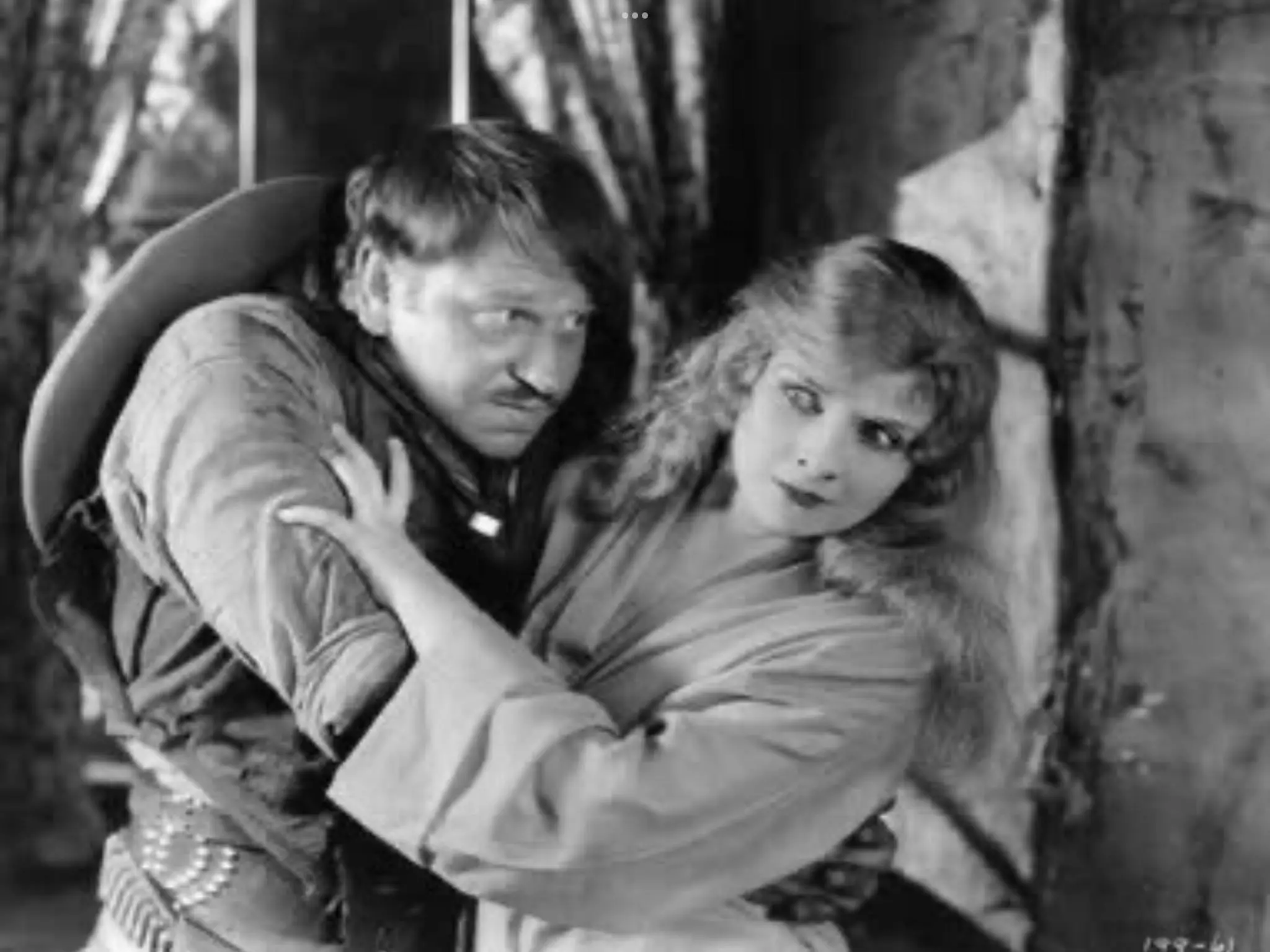
The final act of the film elevates the story from a frontier drama to a mythic tale of redemption. Ghent’s decision to pursue Ruth is not an act of possession, but an act of contrition. The sequence involving the distant village, the doctor, and the torrential flood is a masterpiece of early special effects and stunt work. The peril Ghent faces is visceral, a stark reminder of the unforgiving nature of the land. His sacrifice—giving his mount to the doctor and braving the flood—is the ultimate proof of his transformation.
This climax is far more sophisticated than the resolutions found in The Railroader or The Triumph of Venus. It isn't just about a hero saving a damsel; it’s about a man earning his right to be part of a family. The birth of their son serves as the physical bridge between their two worlds, a synthesis of Eastern idealism and Western strength. When Ruth finally hears of Stephen’s heroism, her realization is not just a romantic epiphany, but a recognition of the fundamental change in his character.
From a technical perspective, the writing team—including Benjamin Glazer and Lenore J. Coffee—deserves immense credit for modernizing Moody’s play. They stripped away the theatrical artifice to focus on the raw, cinematic potential of the story. The pacing is deliberate, allowing the tension to simmer before boiling over in the third act. The editing, particularly during the desert sequences, creates a rhythmic sense of exhaustion and persistence that was quite advanced for 1925. This isn't the disjointed narrative style often seen in Istoriya grazhdanskoy voyny; it is a cohesive, fluid visual language.
The lighting design also warrants mention. The use of natural light in the outdoor scenes creates a stark, high-contrast look that emphasizes the harshness of the environment, while the interior cabin scenes utilize shadows to heighten the sense of threat. This interplay of light and dark is reminiscent of the best European imports of the time, such as Das Mädel von Picadilly, 2. Teil, yet it feels uniquely American in its execution.
In the pantheon of silent Westerns, The Great Divide occupies a unique space. It refuses to offer the easy comforts of a traditional romance, nor does it descend into pure nihilism. It is a film about the hard work of forgiveness and the possibility of growth in even the most barren soil. While films like The Divorcee explored social scandals, The Great Divide explores the very foundation of human connection.
The performances by Alice Terry and Conway Tearle remain remarkably modern. They avoid the wide-eyed exaggerations of the era, opting instead for a grounded, internal approach that makes their struggle feel timeless. Even the minor roles, like those played by Huntley Gordon and Allan Forrest, are imbued with a sense of purpose that prevents them from becoming mere plot devices. The film’s exploration of gender roles—specifically Ruth’s agency within her forced marriage—is surprisingly nuanced, offering a critique of both the 'civilized' man’s overprotection and the 'primitive' man’s aggression.
Ultimately, The Great Divide is a testament to the power of silent cinema to communicate complex emotional truths through visual storytelling. It is a film that demands to be seen not just as a historical curiosity, but as a vital, breathing piece of art. Whether compared to the action-oriented The Western Musketeer or the social satires like A Widow's Camouflage, this 1925 masterpiece stands apart for its gravity and its unwavering commitment to the messy, difficult process of human reconciliation. It is, quite simply, essential viewing for anyone who wishes to understand the depth and potential of the early silver screen.
"A haunting, dusty epic that finds the golden nugget of humanity within the roughest of hearts. The Great Divide is more than a title; it is a psychological map of the human condition."
IMDb —
1935
Community
Log in to comment.