DbcultAccessing Vault...
4.6/10
Senior Film Conservator
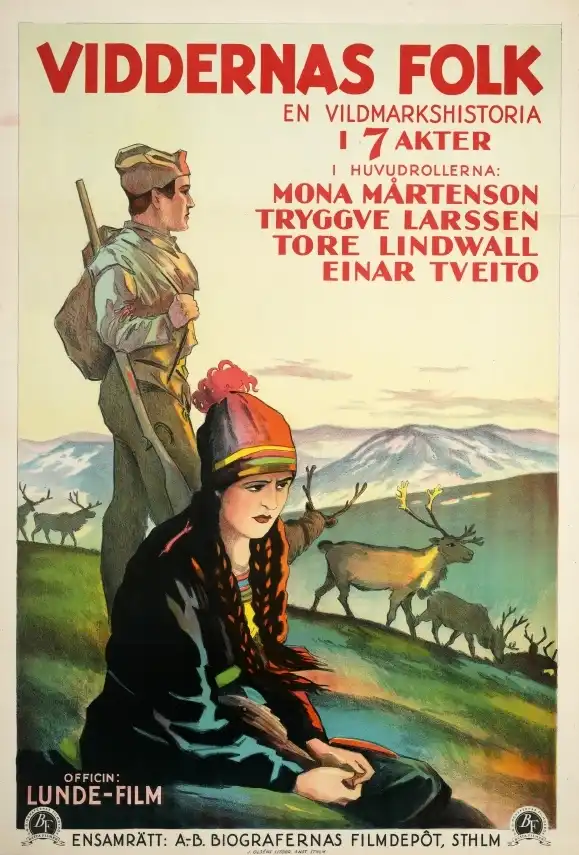
A definitive 4.6/10 rating for a film that redefined the boundaries of cult cinema. Viddenes folk remains a cornerstone of transgressive art.
Look, if you're not already someone who seeks out silent films, 'Viddenes folk' (1927) probably isn't going to be the one to convert you. It's a melodrama, pure and simple, about a young couple whose love is complicated by a disapproving father and a legal conviction. You'll enjoy this if you're deep into early Nordic cinema or just have a soft spot for the grand, often over-the-top gestures of the silent era. But if slow pacing, obvious character motivations, and a general lack of subtlety tend to make you roll your eyes, then yeah, you can safely skip this one.
The film opens with these absolutely gorgeous, sweeping shots of the Norwegian landscape. The kind of vistas that make you wish silent films had color back then. They linger for a good while, letting you really soak it in. Almost too long, honestly. You’re waiting for something to happen, and the mountains just keep being… mountains. It sets a mood, though. A very, very patient mood.
Nina, played by Snefrid Aukland, is our heroine. She's got this wide-eyed innocence about her, which works for the role. Her lover, the one her father doesn't want, is Tore Lindwall. Lindwall spends a lot of the film looking earnest, almost painfully so. There are these scenes of them together, out in the fields, where they're supposed to be radiating young love. And they try! They really do. There's a lot of hand-holding and longing glances, but sometimes it feels less like passionate romance and more like they're both just trying to remember their blocking. One particular shot of them by a stream, where he's supposed to be consoling her, his hand just sort of pats her back awkwardly for what feels like an eternity. You can almost feel the director off-screen yelling, 'More emotion!'
Then there’s Nina's father, Sigurd Eldegard, who is basically a walking, scowling obstacle. He makes his disapproval known with a series of very firm nods and arm crosses. He’s got another guy picked out for Nina, Einar Tveito's character, who is just… bland. Tveito doesn't really get much to do beyond looking vaguely respectable and then later, a bit smug. There's no real sense of why Nina's father thinks this guy is so great, other than, you know, he's not the other guy. It's all very black and white.
The pacing is a real sticking point. There are moments, especially in the middle section, where scenes just stretch. An intertitle pops up, explains a bit of dialogue, and then the characters act it out, but it’s always just a little bit slower than you’d expect. Like a conversation about the harvest that goes on for several minutes, with everyone nodding slowly, before we get back to the actual drama. It feels less like building tension and more like padding.
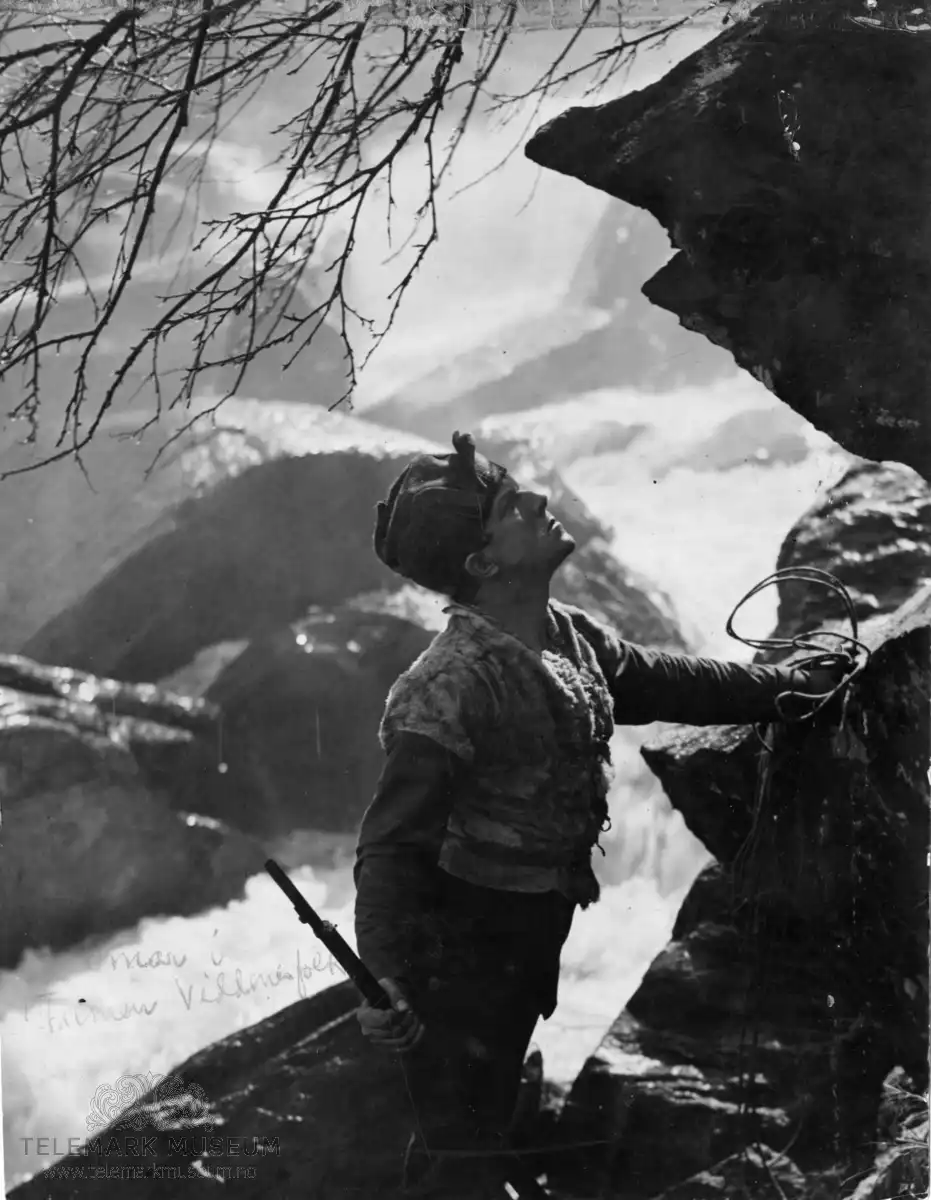
The big turning point, the conviction of Nina's lover, happens surprisingly quickly. One minute he's arguing with the father, the next he's being led away by some rather unconvincing law enforcement types. The whole courtroom drama, if you can call it that, is mostly skipped over. We just get the result. Nina’s reaction shot here is quite something; she throws her hands up and then covers her face. It’s a very theatrical moment, not subtle at all, but in a silent film, sometimes you just have to go for it. It gets the point across.
What I did appreciate were the small visual details. The costumes, for example, felt authentic to the rural setting, not overly glamorous, which was a nice touch. And the way light hits the wooden interiors in some of the farmhouse scenes – very stark, very real. But then you get a crowd scene during a village gathering, and it looks like about ten people showed up. They're all doing very deliberate 'villager' things, like talking animatedly with no sound, and it just feels a little empty.
There's a scene later where Nina is visibly struggling, working the land, trying to make ends meet. It's supposed to be heartbreaking, and it is, to a degree. But then the camera cuts to a close-up of her hands, covered in dirt, and it feels like the movie is really insisting on the hardship. Like, we get it. She's suffering. You don't need to hold on the muddy fingernails for quite so long.
The ending is… well, it’s an ending. It ties things up, but it doesn't quite earn the emotional payoff it seems to be aiming for. After all that slow build, the resolution feels a bit rushed, like the filmmakers suddenly realized they were running out of reel. It leaves you with a sense of 'oh, okay, that happened' rather than any profound emotional resonance. It’s certainly no Sherlock Holmes for intricate plotting or A Woman of the World for sheer star power.
Ultimately, 'Viddenes folk' is a curio. It’s a document of its time, a glimpse into early Norwegian cinema, and it has some genuinely beautiful moments, especially when it just lets the landscape speak for itself. But for a modern viewer, even one with a fondness for silent film, it demands a lot of patience. If you're studying the era, or just have a completionist streak for Scandinavian cinema, give it a look. Otherwise, there are probably more engaging ways to spend an hour and a half with a silent film.
IMDb —
1918
Community
Log in to comment.