Summary
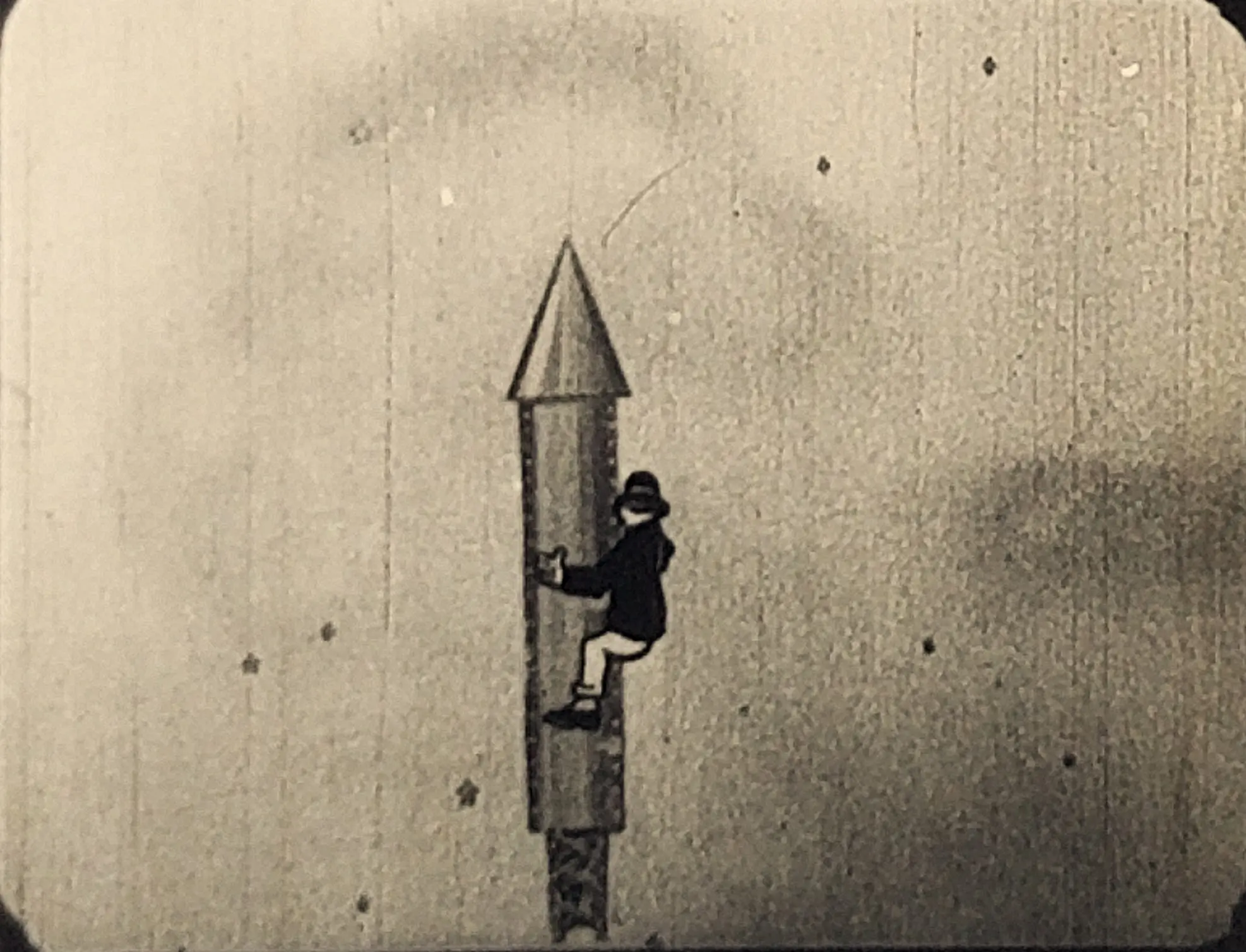
In a daring blend of domestic drama and speculative adventure, "Pa's Trip to Mars" follows the eponymous patriarch, Arthur Pembroke, a widowed carpenter whose yearning for escapism is ignited by a mysterious, rust‑stained postcard that arrives in his modest workshop. The card, emblazoned with a stylised red planet and cryptic coordinates, is the last remnant of a long‑lost lover who vanished during a secret government experiment in the 1960s. Fueled by grief and curiosity, Arthur assembles an eclectic crew: his teenage daughter Lila, a prodigious robotics enthusiast; Miriam, a disillusioned ex‑astronaut whose career was sabotaged by bureaucratic intrigue; and Goro, a charismatic street‑magician whose sleight‑of‑hand conceals a mastery of quantum mechanics. Together, they refurbish a decommissioned Soviet‑era launch vehicle hidden beneath the town’s abandoned steel mill, retrofitting it with a patchwork of reclaimed circuitry, solar sails, and a homemade AI named "Ceres" that mutters poetry in Esperanto. As the ragtag team navigates bureaucratic red tape, sabotage from a rival consortium, and the looming spectre of Arthur’s own mortality, the narrative oscillates between tender intergenerational moments—Lila coaxing her father to confront the lingering ache of his wife’s disappearance—and high‑octane sequences of orbital docking, Martian dust storms, and a surreal encounter with a sentient basalt formation that seems to echo the town’s collective memory. The film culminates in a haunting tableau: Arthur stepping onto the crimson dunes, his silhouette framed against a twin‑sun horizon, while Lila watches from the orbiting module, her tears reflecting the distant Earth, a reminder that the true voyage is not merely across space but through the labyrinth of loss, love, and redemption.
Review Excerpt
"
A Celestial Canvas of Familial Longing
From the opening frame—a grainy close‑up of a rust‑stained postcard fluttering against a soot‑blackened wall—"Pa's Trip to Mars" announces its ambition with a visual metaphor that is both literal and allegorical. Director Mira Liao, whose previous work A Woman's Woman explored intimate power dynamics, now expands her auteurist lens to the interstellar, yet never abandons the micro‑cosmic focus on a single father’s yearning. The mise‑mise is meticulousl..."