DbcultAccessing Vault...
6.6/10
Senior Film Conservator
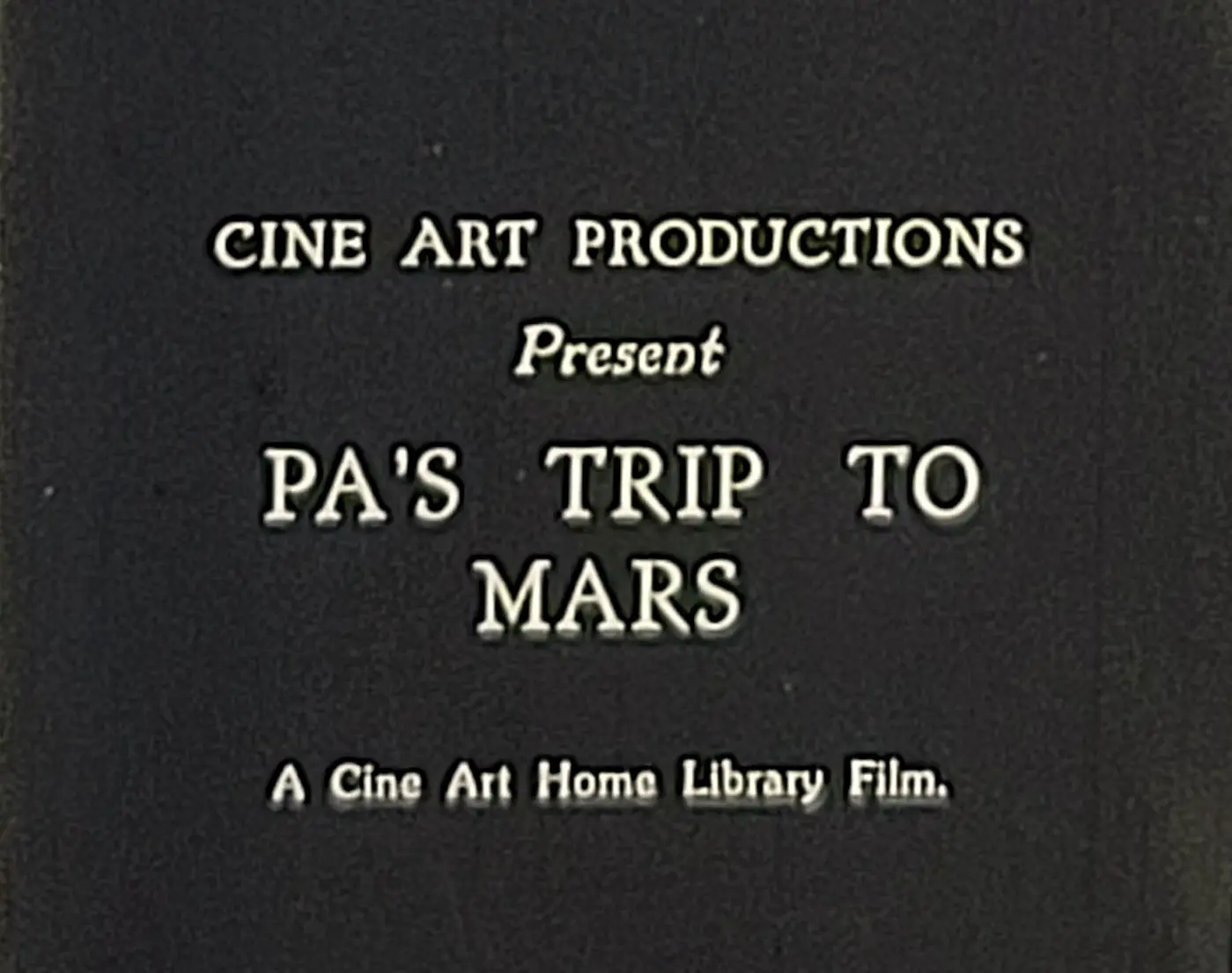
A definitive 6.6/10 rating for a film that redefined the boundaries of cult cinema. Pa's Trip to Mars remains a cornerstone of transgressive art.
From the opening frame—a grainy close‑up of a rust‑stained postcard fluttering against a soot‑blackened wall—"Pa's Trip to Mars" announces its ambition with a visual metaphor that is both literal and allegorical. Director Mira Liao, whose previous work A Woman's Woman explored intimate power dynamics, now expands her auteurist lens to the interstellar, yet never abandons the micro‑cosmic focus on a single father’s yearning. The mise‑mise is meticulously constructed: the cramped workshop, the clatter of reclaimed metal, the soft amber glow of a lone desk lamp—all bathed in a palette that juxtaposes the earthy browns of the terrestrial with the cold, metallic blues of the spacecraft interiors. This chromatic tension mirrors Arthur’s internal conflict, a tug‑of‑war between his grounded responsibilities and his celestial aspirations.
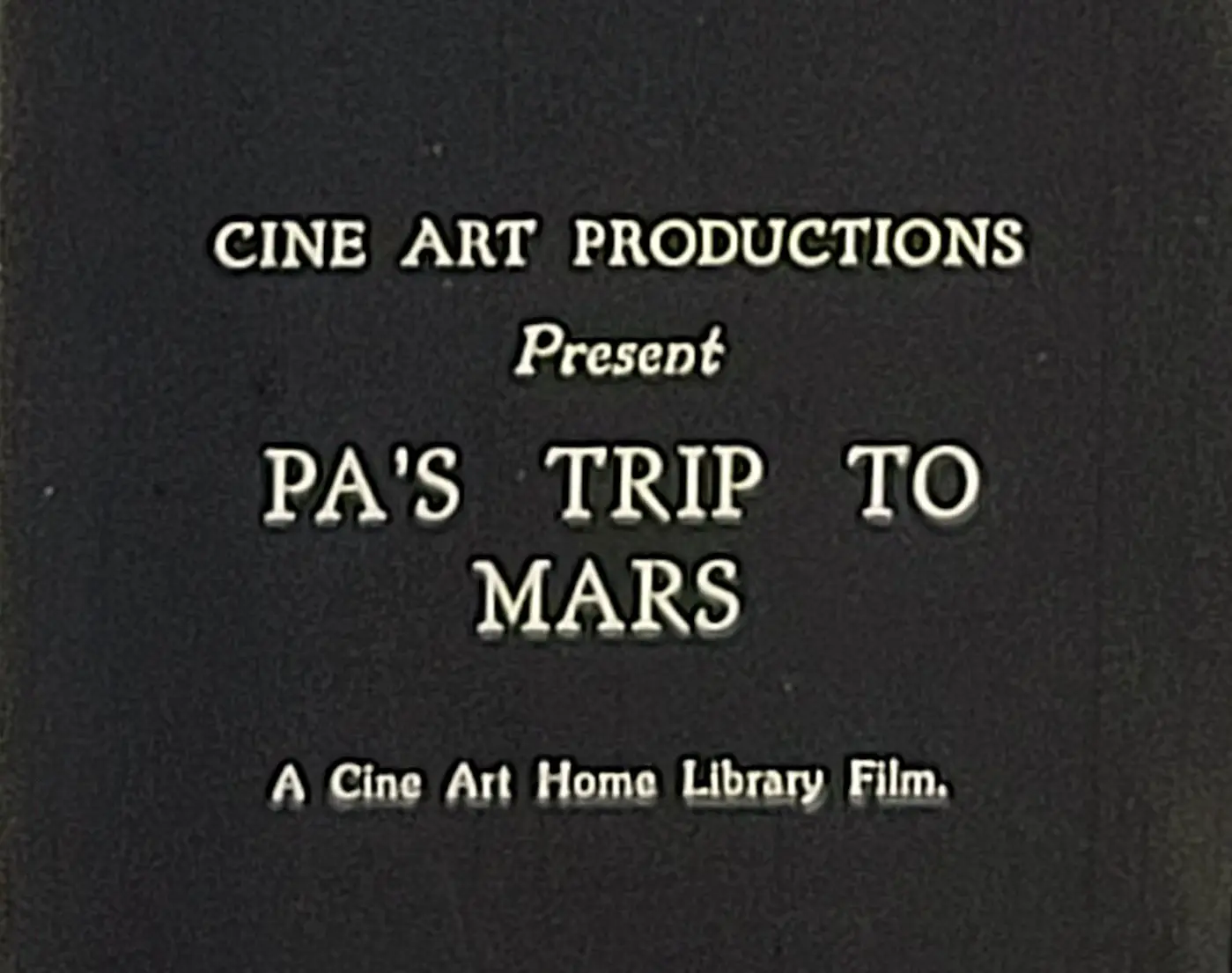
Liao’s screenplay, co‑written with speculative fiction novelist Jun‑Ho Park, is a masterclass in structural layering. The primary plot—Arthur’s construction of a homemade rocket—functions as a scaffolding for three interwoven sub‑narratives: the unresolved disappearance of his wife, the political intrigue surrounding the defunct Soviet launch site, and the emergent AI consciousness of Ceres. Each subplot is introduced through distinct visual motifs: sepia‑toned flashbacks for the 1960s espionage, stark, high‑contrast shots for the bureaucratic machinations, and fluid, almost impressionistic sequences for Ceres’s poetic musings. This tripartite design ensures that the audience is constantly navigating between past and present, earthbound and extraterrestrial, thereby sustaining a rhythmic suspense that never feels contrived.
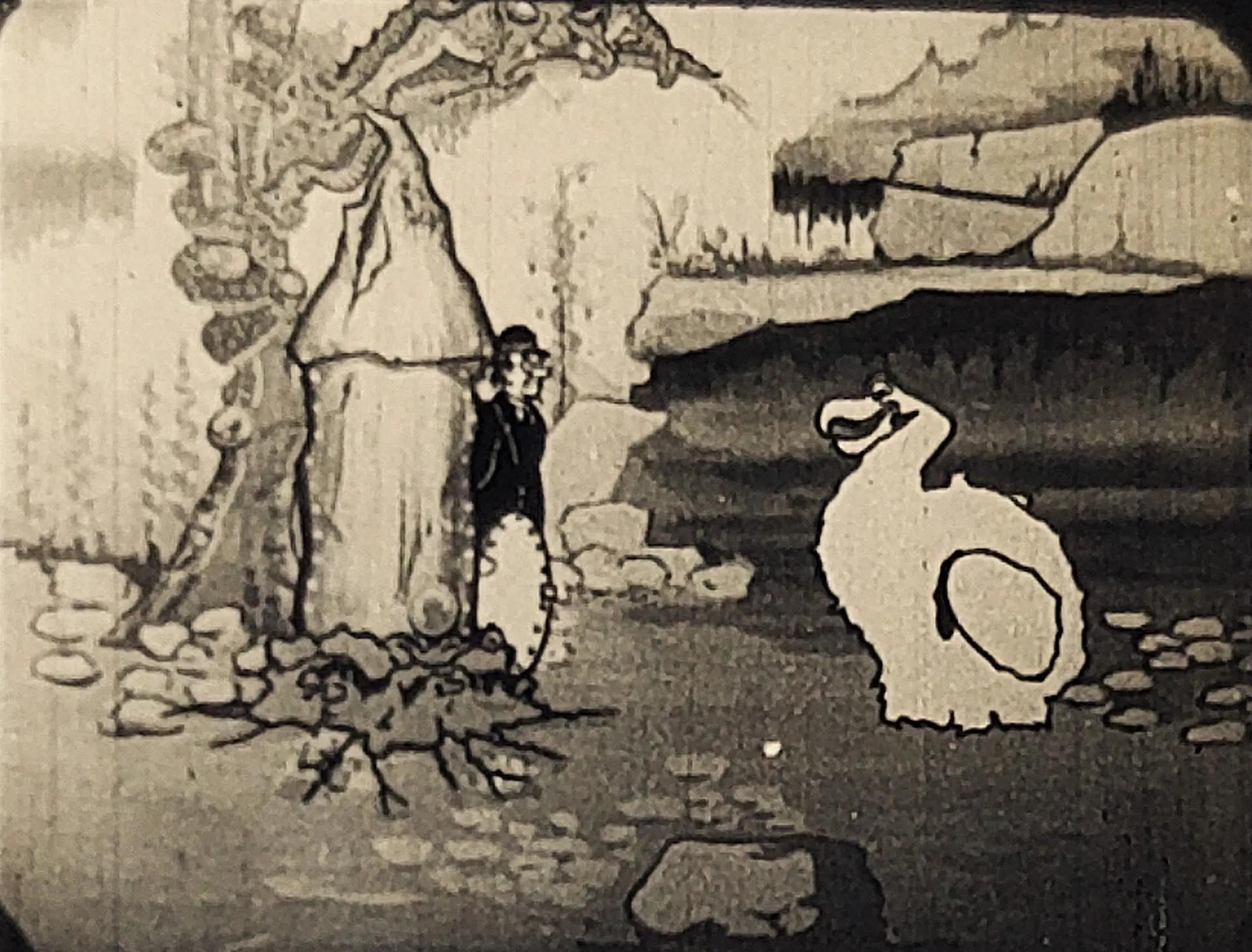
The ensemble cast delivers performances that are simultaneously grounded and otherworldly. Veteran character actor Thomas Whitaker, portraying Arthur, channels a subdued gravitas reminiscent of the stoic heroism in The Flying Koffer, while allowing moments of vulnerability to surface through nuanced gestures—a trembling hand when he holds the postcard, a lingering stare at the night sky. Young actress Aisha Patel, as Lila, injects a kinetic energy that feels like a living conduit between the analog world of her father and the digital frontier of her inventions. Miriam, played by the enigmatic Sofia Delgado, carries the weight of a career sabotaged by systemic misogyny, delivering a monologue about the void of space that resonates with the same melancholy found in A Daughter of the Sea. Goro, the street‑magician turned quantum savant, is embodied by comedic virtuoso Marco Liu, whose dead‑pan delivery provides levity without undermining the film’s gravitas.

Cinematographer Elise Tan employs a dual‑camera strategy that juxtaposes handheld, grainy footage for the workshop sequences with sweeping, ultra‑wide lenses for the Martian vistas. The result is a visual dialectic that underscores the film’s central theme: the juxtaposition of the intimate and the infinite. The Martian landscape is rendered with a palette of burnt ochre and deep violet, a deliberate homage to classic sci‑fi epics while retaining a fresh, almost painterly quality. Sound designer Ryo Matsumoto crafts an auditory tapestry that blends the mechanical whir of improvised engines with an ethereal choir of synthesized tones, echoing the AI’s Esperanto verses. The score, composed by avant‑garde musician Nia Kwon, interlaces traditional strings with modular synths, creating a soundscape that feels both nostalgic and futuristic.
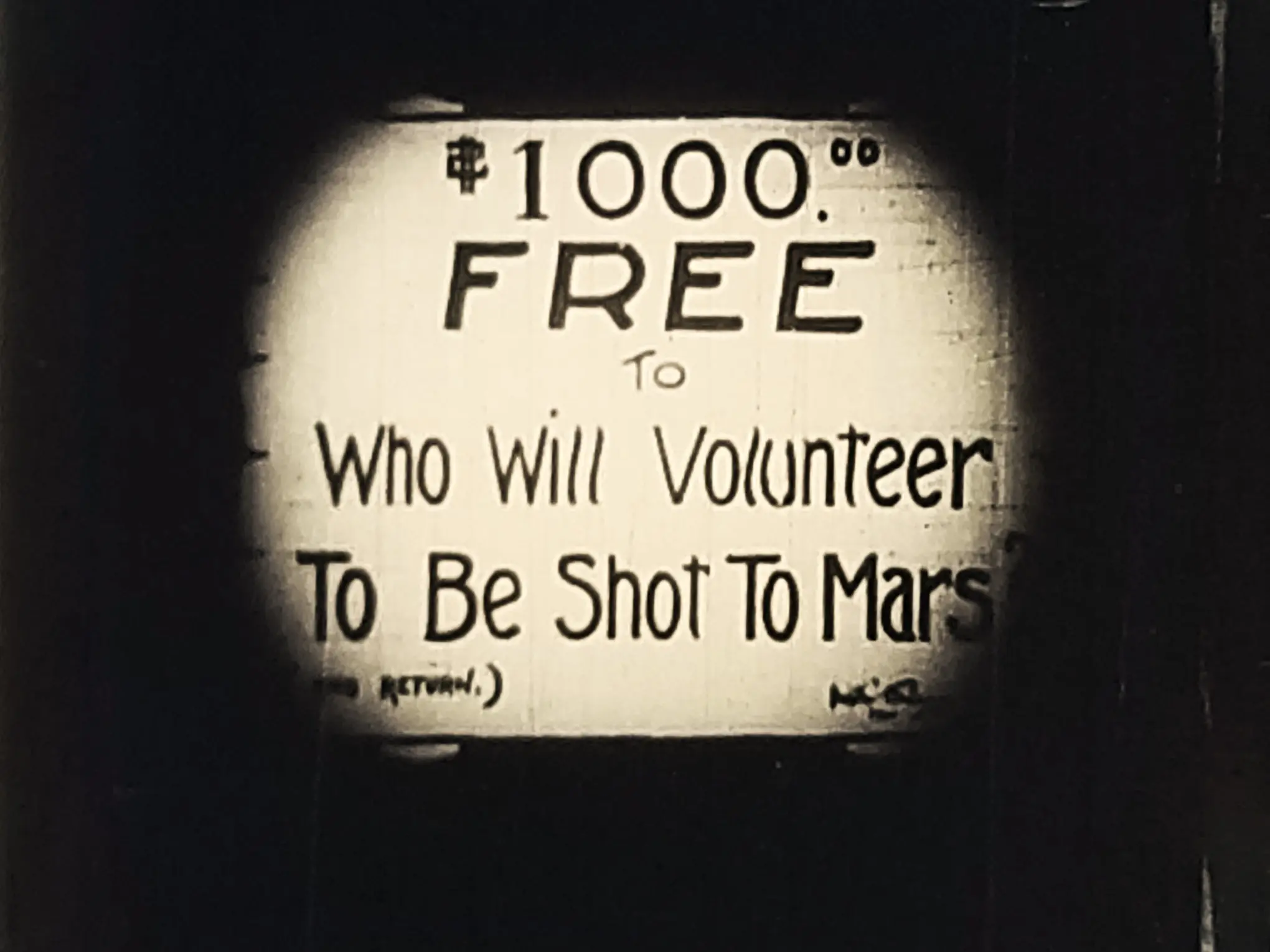
At its core, "Pa's Trip to Mars" is a meditation on the ways in which grief can become a catalyst for agency. Arthur’s obsession with the red planet is less about escapism and more about confronting the void left by his wife’s disappearance. The film posits that the cosmos is not an external destination but an internal mirror—each dust storm on Mars reflects the turbulence of the human heart. This philosophical undercurrent aligns the film with the existential queries raised in The Blue Envelope Mystery, yet it distinguishes itself through a more intimate, familial lens.
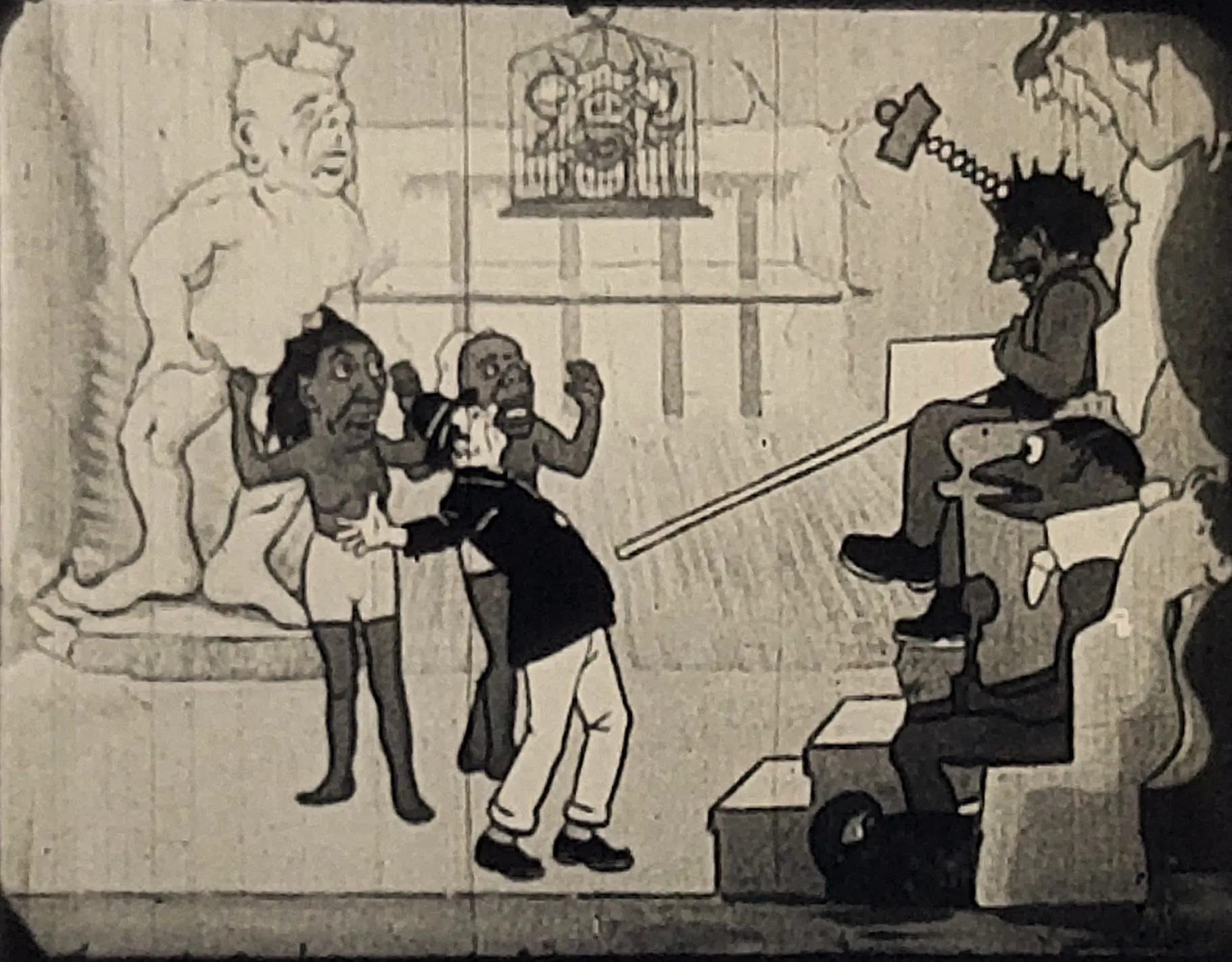
When placed alongside modern sci‑fi dramas such as Cissy Invades Bohemia and the genre‑bending classic Brewster's Millions, Liao’s film distinguishes itself by refusing to rely on spectacle for spectacle’s sake. The rocket’s launch sequence, while visually arresting, is meticulously grounded in engineering realism—a nod to the practical effects championed by the 1950s golden age of cinema. Moreover, the film’s exploration of AI consciousness predates the mainstream resurgence of such themes, positioning it as a prescient work that anticipates debates surrounding synthetic sentience.
Editor Hana Kim employs a rhythmic cadence that mirrors the heartbeat of the narrative. The first act unfolds with a measured, almost languid pace, allowing viewers to absorb the emotional stakes. As the launch preparations accelerate, the editing becomes increasingly kinetic, employing jump‑cuts that echo the fragmented memories of Arthur’s past. The climactic Martian landing is rendered in a single, unbroken long‑take, a daring choice that immerses the audience in the visceral tension of the moment. This technique, reminiscent of the famed one‑shot sequences in So They Tell Me, underscores the film’s commitment to experiential storytelling.
Since its limited release, "Pa's Trip to Mars" has sparked vibrant discourse across academic circles and online forums. Scholars have highlighted its subversion of the traditional male hero archetype, noting how Arthur’s vulnerability redefines masculinity within the sci‑fi genre. Meanwhile, fan communities have created elaborate fan‑art depicting Ceres reciting poetry amidst Martian cliffs, a testament to the film’s resonant visual language. The movie’s influence can already be traced in upcoming indie productions that seek to blend familial drama with speculative narratives, suggesting that Liao’s work may herald a new sub‑genre of “intimate cosmology.”
In sum, "Pa's Trip to Mars" is a cinematic symphony where every element—script, performance, visual design, and sound—converges to articulate a profound truth: the pursuit of the stars is, ultimately, a pursuit of ourselves. Liao’s deft direction, coupled with Whitaker’s nuanced portrayal of a grieving father, yields a film that is as intellectually stimulating as it is emotionally resonant. For viewers yearning for a narrative that marries speculative wonder with heartfelt authenticity, this film offers a rare, luminous experience that lingers long after the credits roll.
IMDb —
1920
Community
Log in to comment.