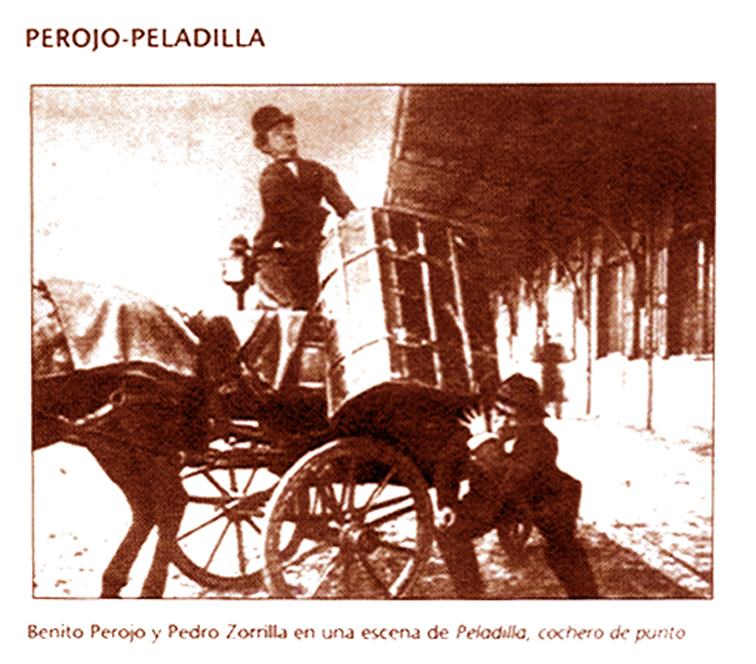
The first time the carriage wheel squeals, you feel it in your molars—an animal whine that promises splinters under the skin. Peladilla Cochero de Punto is not a period piece; it is a wound that keeps reopening, each rotation of the wheel flicking rusted flakes of Spanish history into your eyes. Berta Romero, operati...
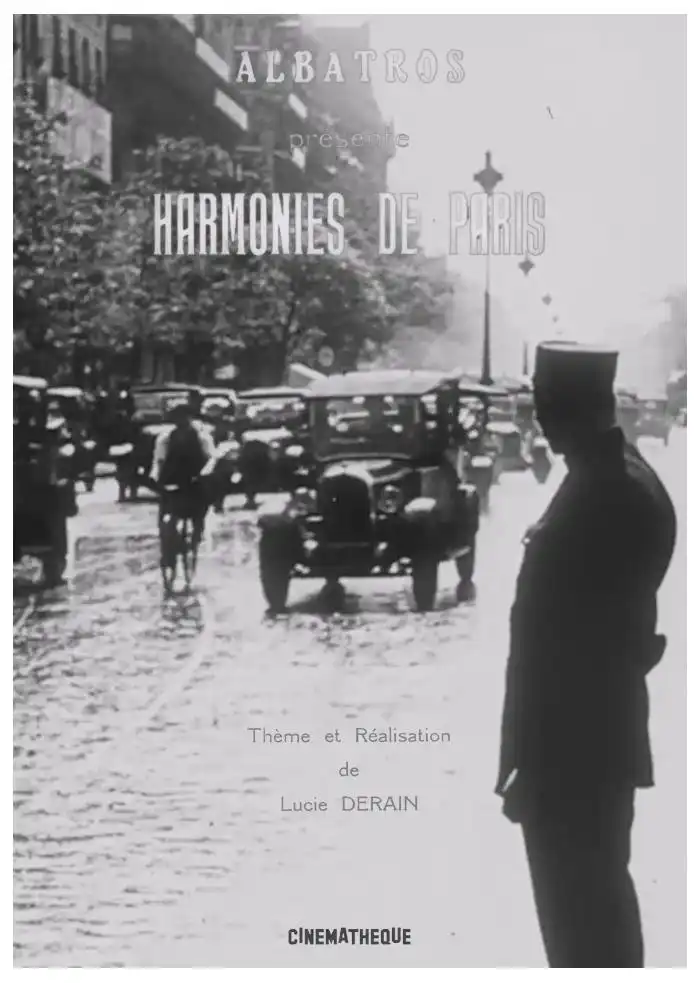
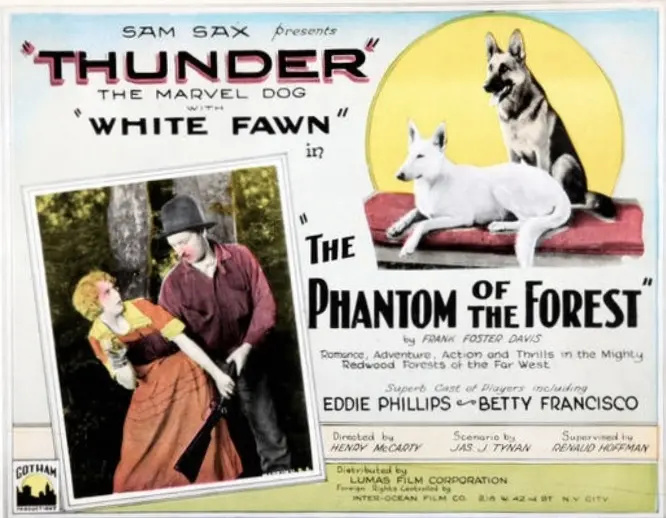
Comparing the cinematic DNA and archive impact of two defining moments in cult history.
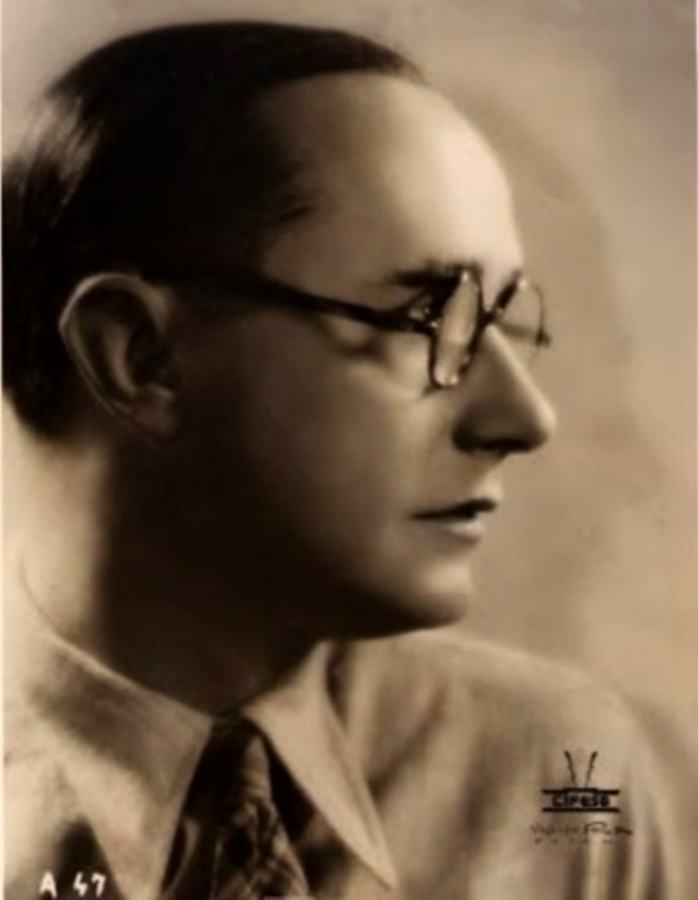
Benito Perojo
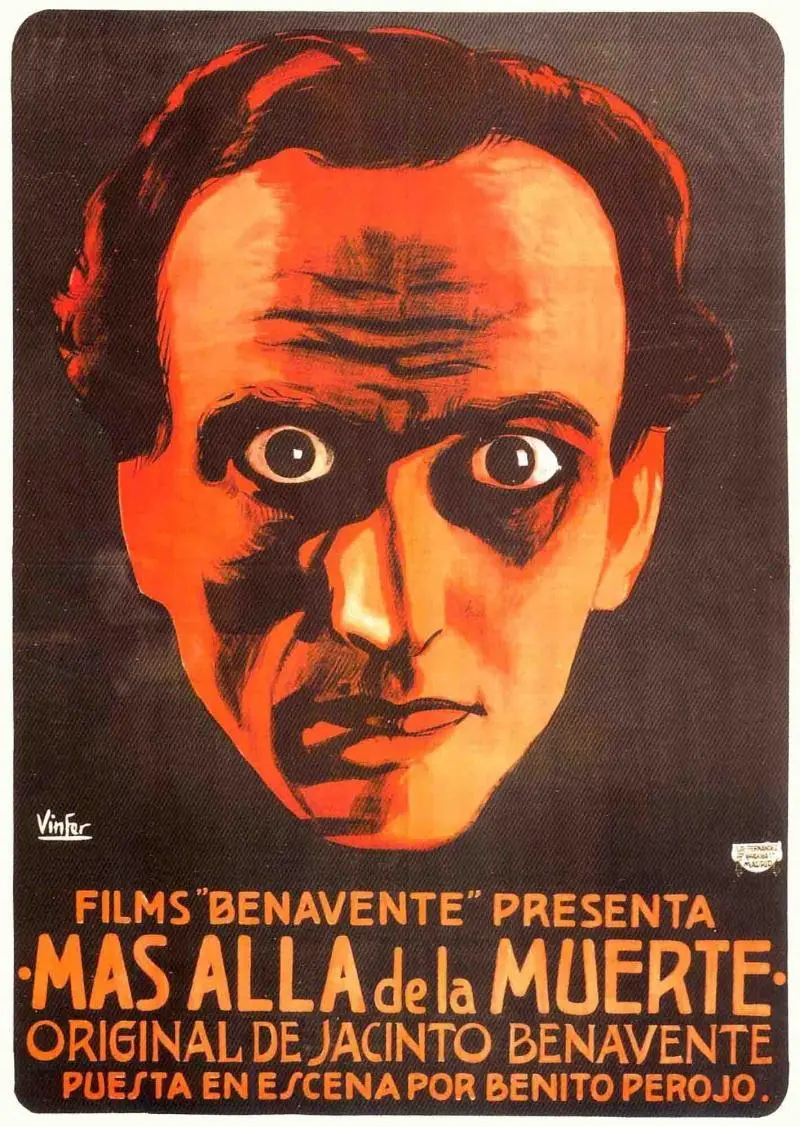
Benito Perojo
Community
Log in to comment.
" The first time the carriage wheel squeals, you feel it in your molars—an animal whine that promises splinters under the skin. Peladilla Cochero de Punto is not a period piece; it is a wound that keeps reopening, each rotation of the wheel flicking rusted flakes of Spanish history into your eyes. Berta Romero, operating the camera with the intimacy of a pickpocket, refuses to let you blink. Perojo’s screenplay—if one dares call this lattice of fever dreams a script—unspools like a confession w..."