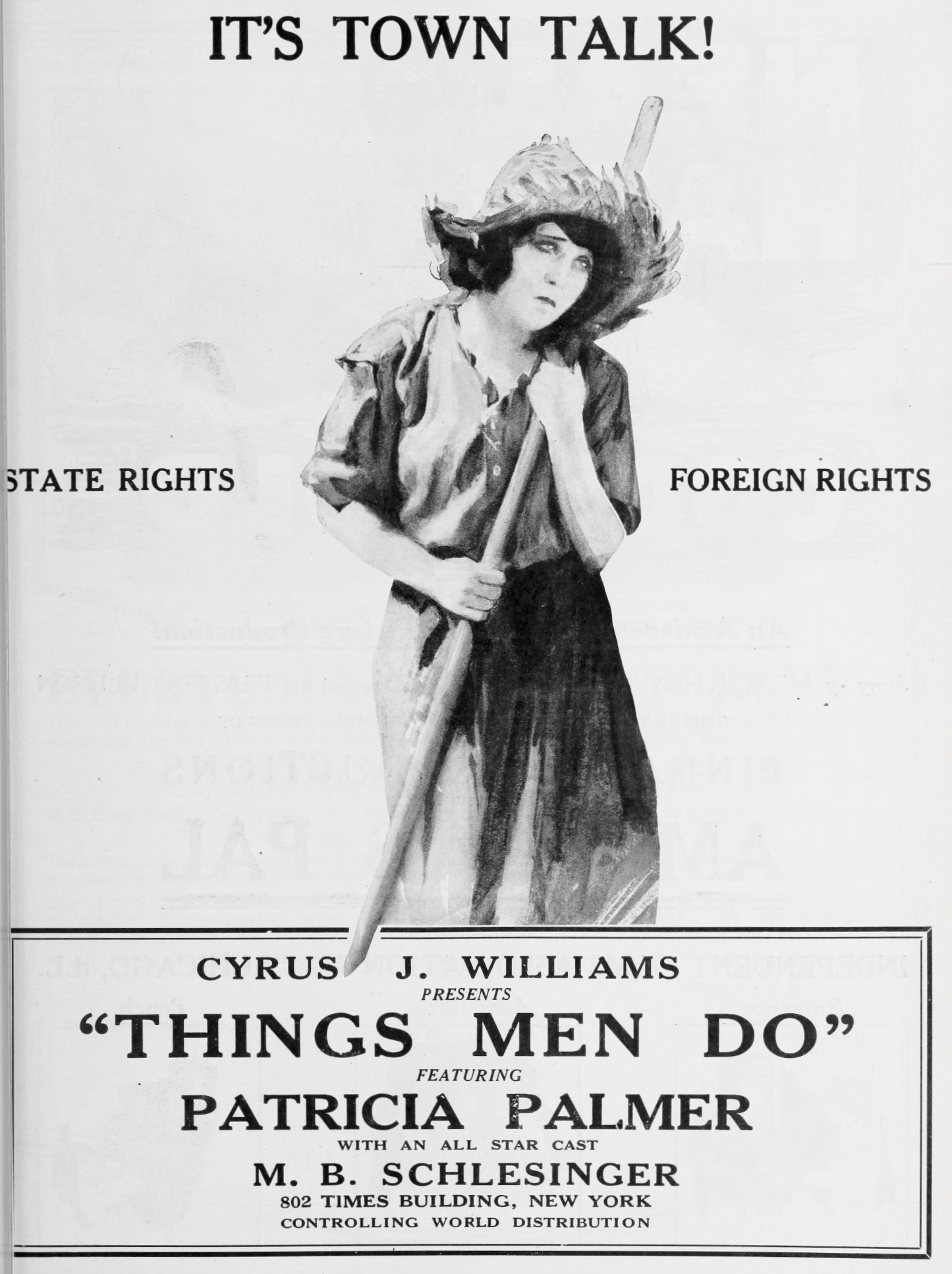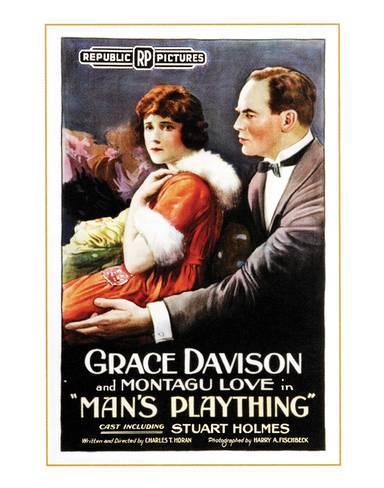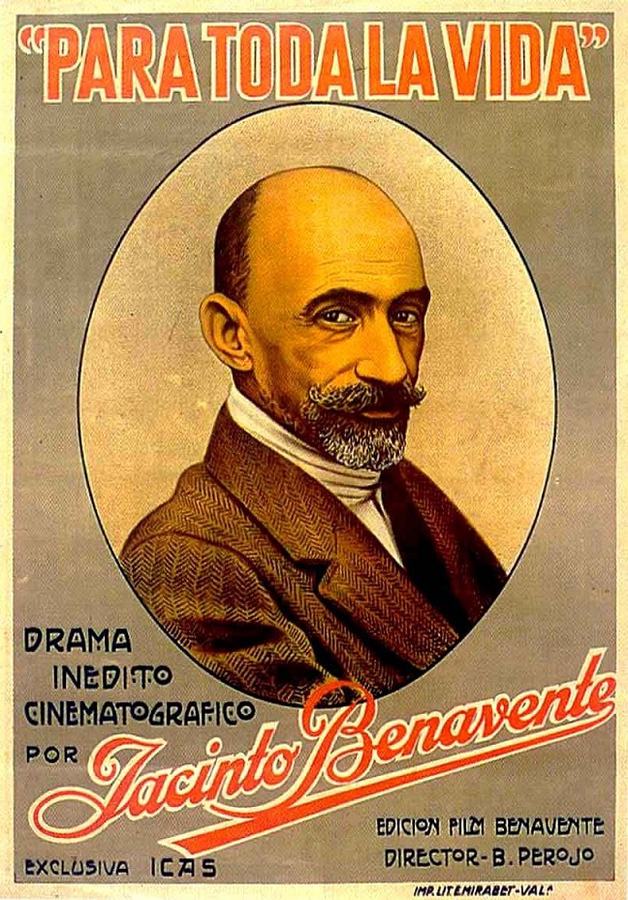
In the pantheon of early twentieth-century cinema, Benito Perojo’s Para toda la vida (1923) stands as a monumental bridge between the theatrical prestige of Jacinto Benavente and the avant-garde aspirations of a developing Spanish film industry. This is not merely an adaptation; it is a profound reimagining of space ...
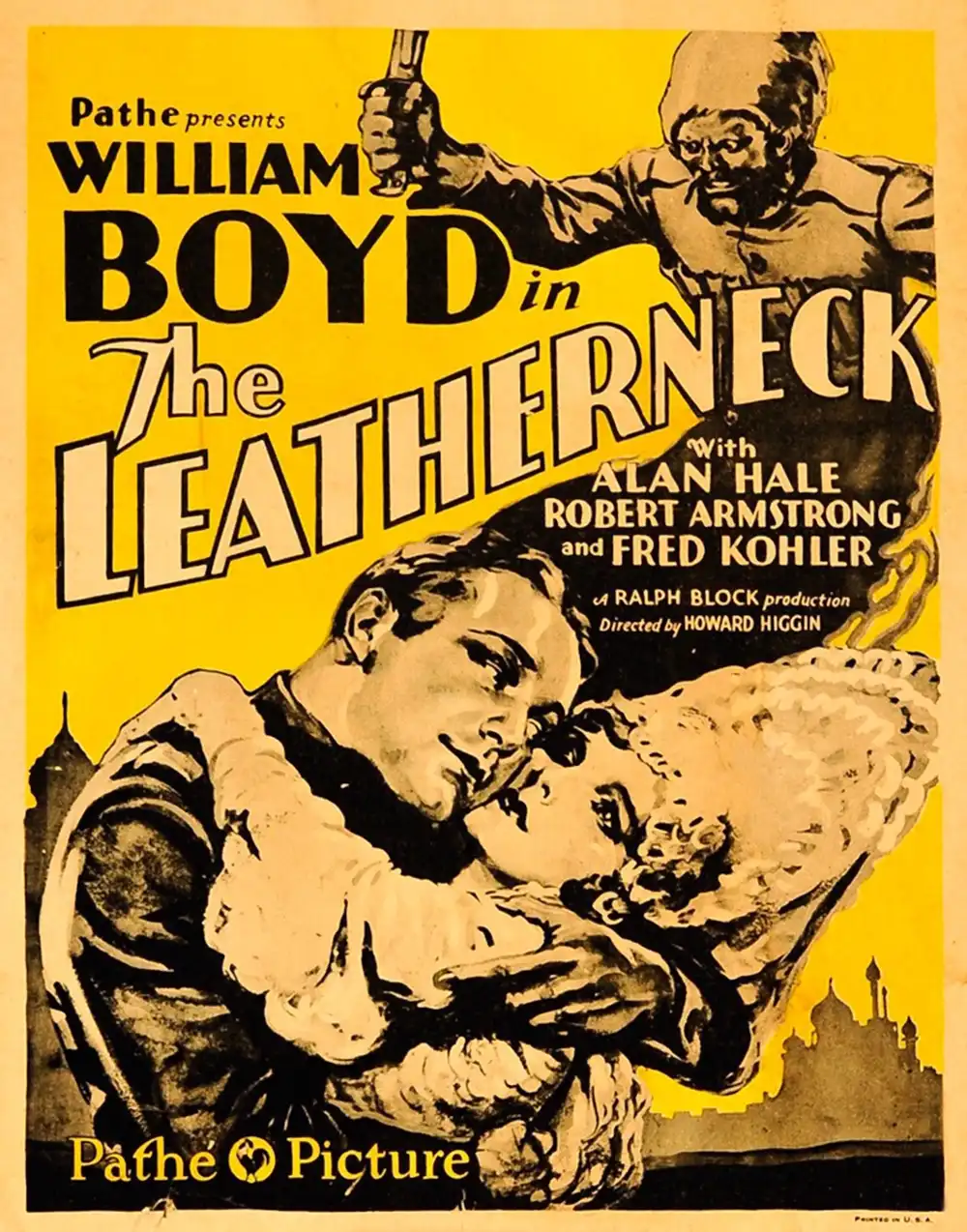
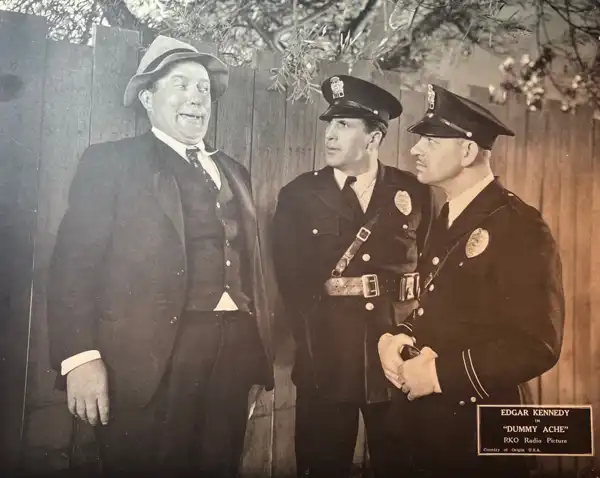
Comparing the cinematic DNA and archive impact of two defining moments in cult history.
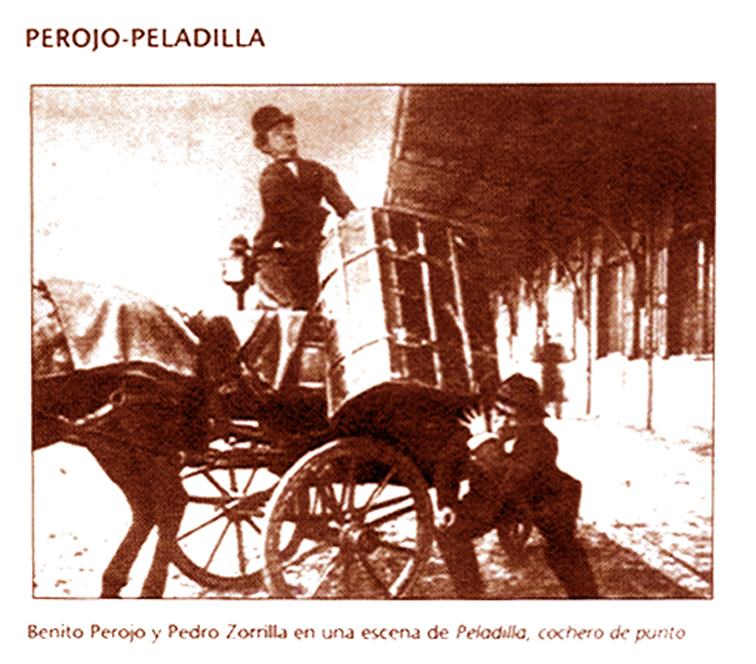
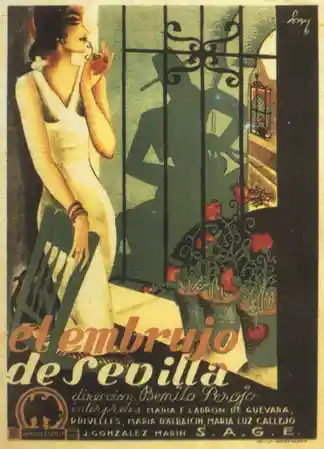
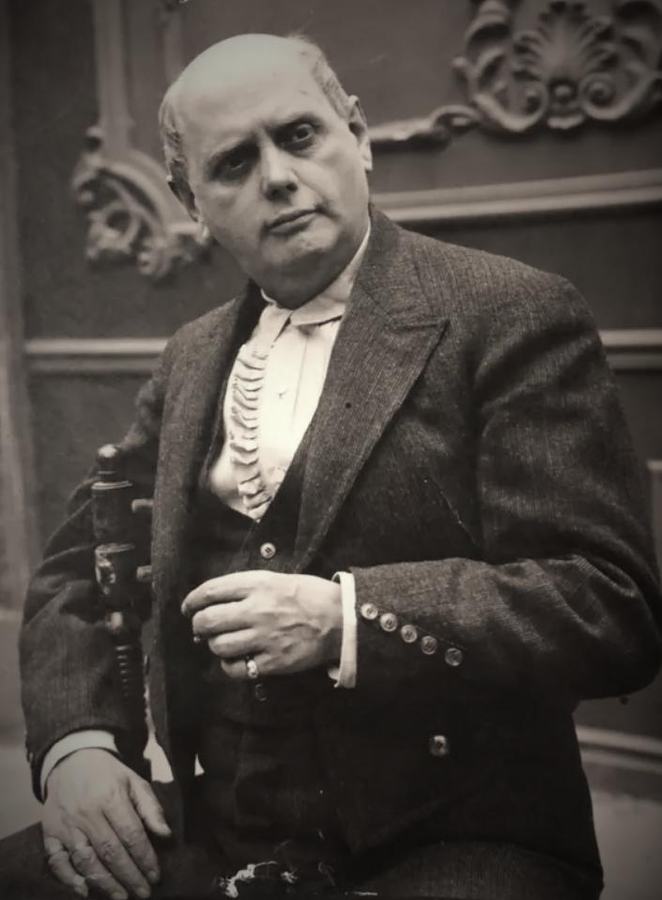
Benito Perojo
Dallas M. Fitzgerald
Community
Log in to comment.
" In the pantheon of early twentieth-century cinema, Benito Perojo’s Para toda la vida (1923) stands as a monumental bridge between the theatrical prestige of Jacinto Benavente and the avant-garde aspirations of a developing Spanish film industry. This is not merely an adaptation; it is a profound reimagining of space and silence. While many films of the era, such as The Long Lane's Turning, relied heavily on moralistic didacticism, Perojo delves into the murky ambiguities of the human heart, wh..."
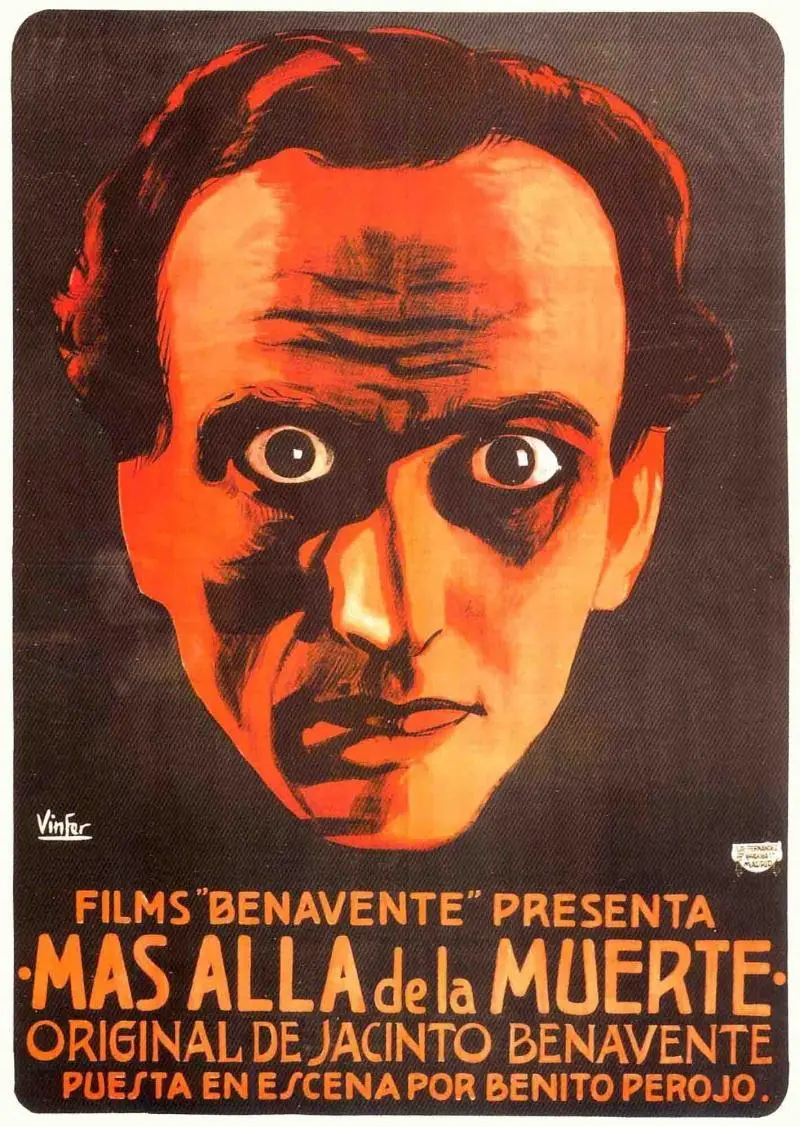
Jacinto Benavente, Benito Perojo
Spain
Deep dive into the cult classic
Discover similar cinematic experiences
A Directorial Spotlight on Benito Perojo