DbcultAccessing Vault...
7.8/10
Senior Film Conservator
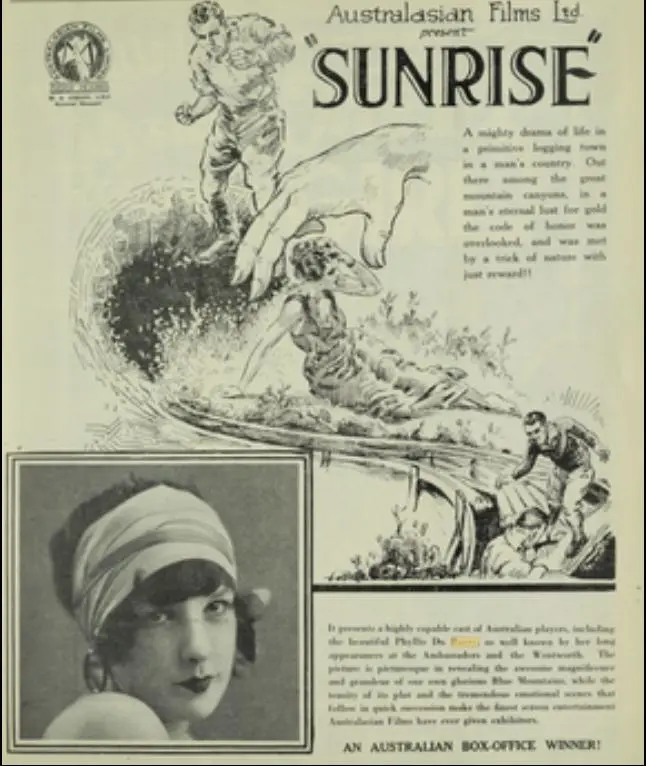
A definitive 7.8/10 rating for a film that redefined the boundaries of cult cinema. Sunrise remains a cornerstone of transgressive art.
Short answer: Yes, but primarily as a historical artifact for those who appreciate the foundational grit of early Australian cinema. For the casual viewer accustomed to modern pacing, the film’s reliance on melodramatic tropes might feel cumbersome.
This film is for the cinephile who enjoys seeing how early directors utilized natural landscapes to mirror internal psychological states. It is NOT for anyone looking for a fast-paced thriller or a film that challenges the rigid moral binaries of the 1920s.
1) This film works because it uses the Australian bush not just as a setting, but as a visceral character that enforces its own brand of morality.
2) This film fails because the antagonist’s motivations feel paper-thin and dictated by the plot rather than character logic.
3) You should watch it if you want to see one of the earliest examples of how the 'survivalist rescue' trope was perfected on screen.
In 1926, the Australian film industry was still finding its voice, and Sunrise is a loud, if somewhat unpolished, shout from the wilderness. The film’s opening act, where George Willis loses his wife, sets a tone of stark, uncompromising reality. The rockfall isn't just a plot device; it’s a statement on the fragility of human structures—both physical and matrimonial.
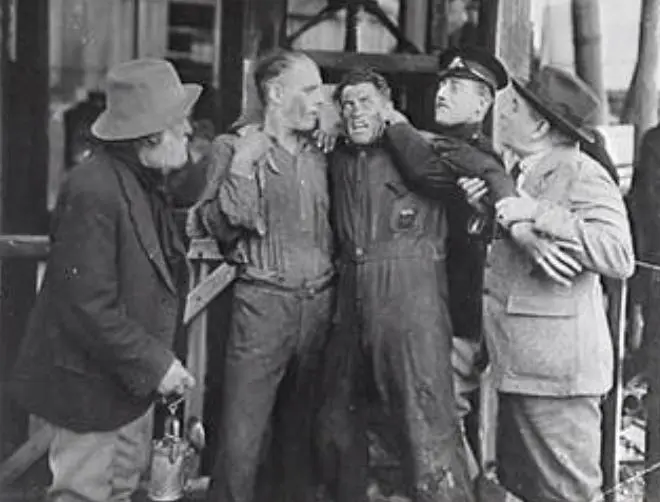
Dick Thornton plays George with a heavy-set stoicism that feels authentic to the period. When he retreats into the bush, the camera captures the isolation with a clarity that rivals other wilderness dramas of the era, such as The Valley of Doubt. There is a specific shot of Willis standing against a backdrop of ancient gum trees that perfectly encapsulates the theme of man’s insignificance.
The bush is depicted as a place of both death and rebirth. It kills the unfaithful wife, yet it provides the sanctuary where George can rediscover his humanity. This duality is the film's strongest asset. It doesn't romanticize the wild; it respects its indifference.
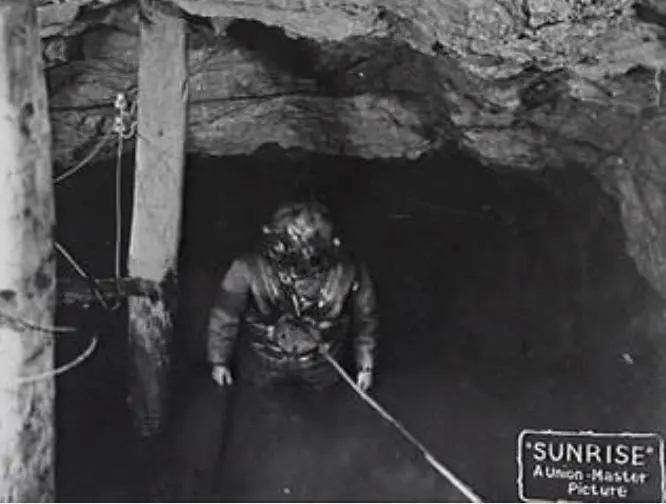
The heart of the film lies in the rescue of Hope Stuart, played with a fragile but resilient energy by Lila McComas. The flood sequence is a technical marvel for 1926. While it lacks the high-budget sheen of The Devil's Cargo, it possesses a raw, handheld quality that makes the danger feel immediate. You can almost feel the cold water in the frame.
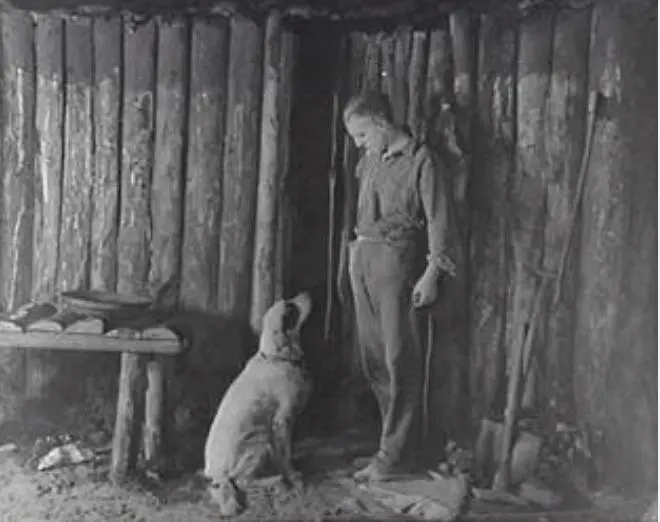
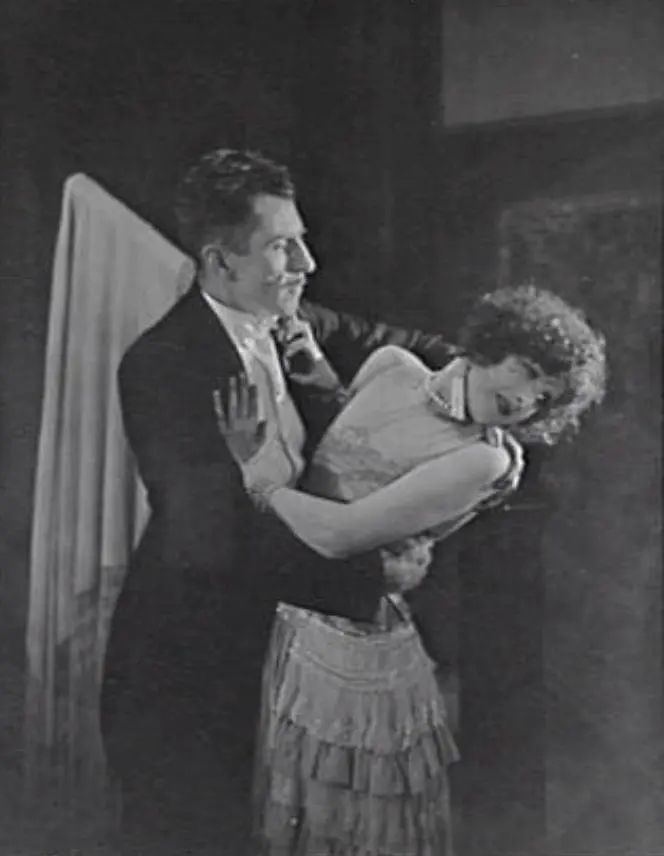
However, once the story shifts back to the township, it falls into the familiar traps of the era. The introduction of Arthur Greerson as the primary antagonist brings a shift toward theatrical villainy. Greerson isn't a complex character; he is a mustache-twirling obstacle. His accusation of murder against George feels like a pivot toward the sensationalism seen in A Thousand to One.
The film struggles to balance its survivalist grit with its courtroom-style drama. The transition from the bush to the father’s house is jarring. It feels like two different movies stitched together. One is a psychological study of a hermit; the other is a standard melodrama about a frame-up.
Mollie Mead’s writing is surprisingly lean for the time. She avoids the flowery title cards that often bogged down silent films like American Maid. Instead, she lets the actions of the characters speak. George’s decision to nurse Hope back to health is shown through a series of small, domestic tasks that build intimacy without a single word of dialogue.
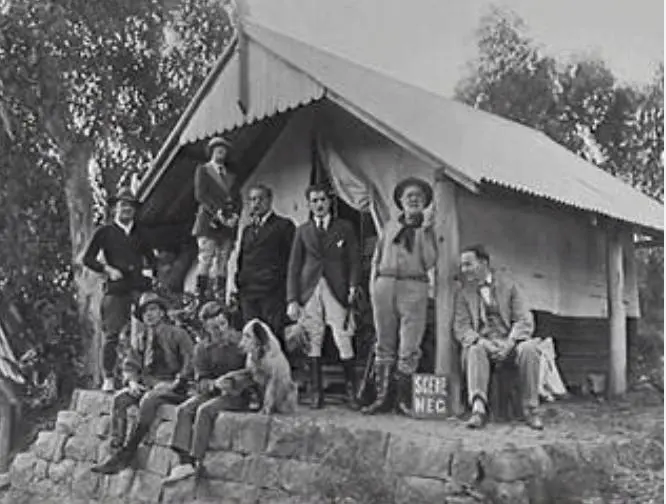
The cinematography by the uncredited cameramen (likely under Longford's direction) utilizes natural light to great effect. The shadows in the bush scenes are deep and oppressive, contrasting sharply with the bright, open spaces of the Stuart farm. This visual language tells us more about George’s mental state than the script ever could.
Pacing is where the film falters. The middle act, while visually interesting during the flood, tends to linger too long on George’s isolation. By the time the murder accusation is leveled, the audience is already checking their watches. It’s a common issue in films of this vintage, similar to the slow burn of The Last Straw.
Unlike the avant-garde experiments of Kino-pravda no. 8, Sunrise is a traditional narrative. It doesn't try to reinvent the camera; it tries to capture a specific Australian experience. Compared to contemporary international works like Yichuan zhenzhu, it feels more grounded and less stylized. It prioritizes the environment over the artistic flourish.
Pros:
Cons:
I’ll be blunt: the death of the wife is a cowardly writing choice. It’s a convenient way to make George a sympathetic widower rather than a man dealing with the messy reality of a broken marriage. By killing her off, the film avoids the much more interesting story of George’s psychological recovery from betrayal.
It works. But it’s flawed. The film wants us to believe in George’s nobility, but his nobility is only possible because the script clears the path of any real moral complexity. If his wife had survived, George would have had to make choices. Instead, the rocks make the choices for him.
Furthermore, the accusation by Greerson feels forced. It’s the kind of plot point you’d see in a lesser film like Little Miss Nobody. It serves to create tension, but it doesn't feel earned by the characters' previous actions. It’s a shame, because the first half of the film promises something much more profound.
Sunrise (1926) is a fascinating look at the early days of Australian feature filmmaking. It captures the spirit of the bush with a sincerity that few films of the time managed. While the plot eventually devolves into standard melodrama, the technical achievements of the flood and the rockfall sequences make it worth a watch for any serious film historian.
It is a film of two halves: a visceral survival story followed by a predictable social drama. If you can forgive the latter for the sake of the former, you will find much to admire here. It’s a rough diamond—unpolished, occasionally frustrating, but undeniably real.
IMDb 5
1929
Community
Log in to comment.