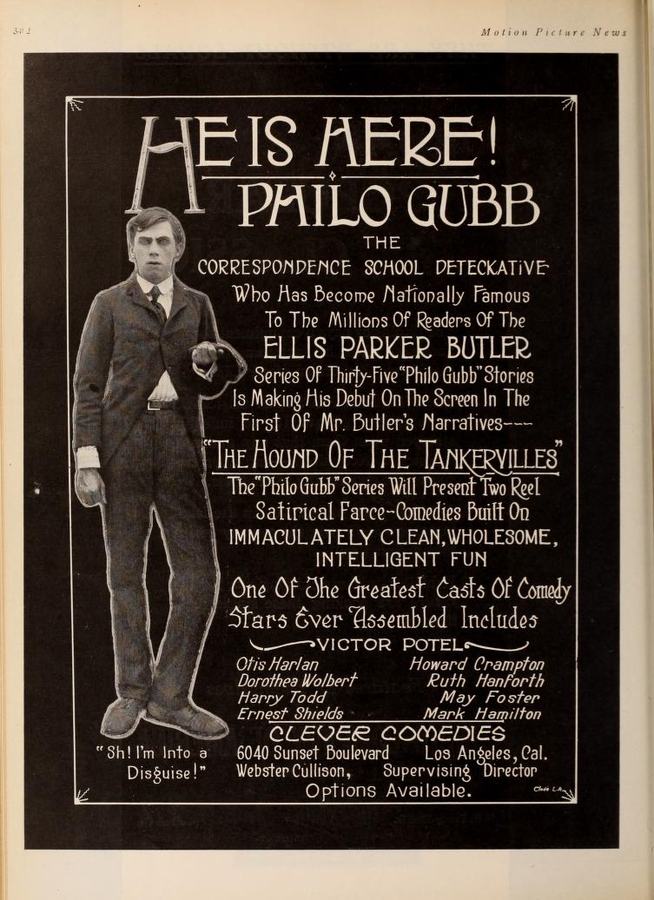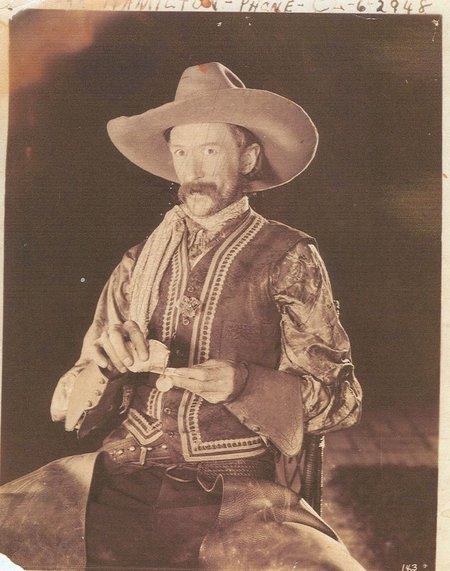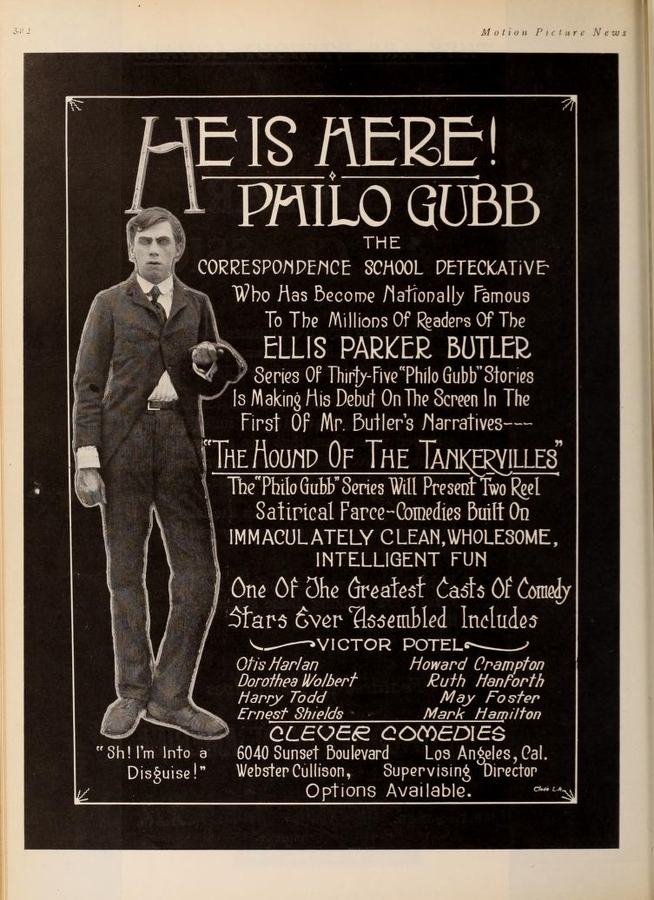
The Anatomy of a Mail-Order Mastermind In the pantheon of early silent cinema, few characters embody the quixotic spirit of the American dreamer quite like Philo Gubb. Portrayed with a spindly, nervous energy by Ernest Shields, Gubb is the quintessential anti-hero of the vocational age. While The No...
Comparing the cinematic DNA and archive impact of two defining moments in cult history.
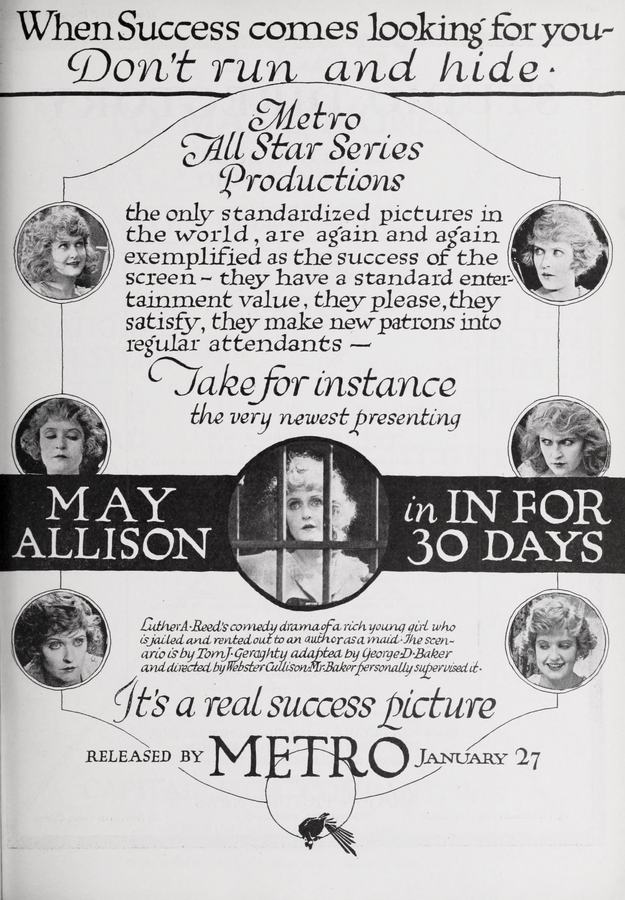
Webster Cullison
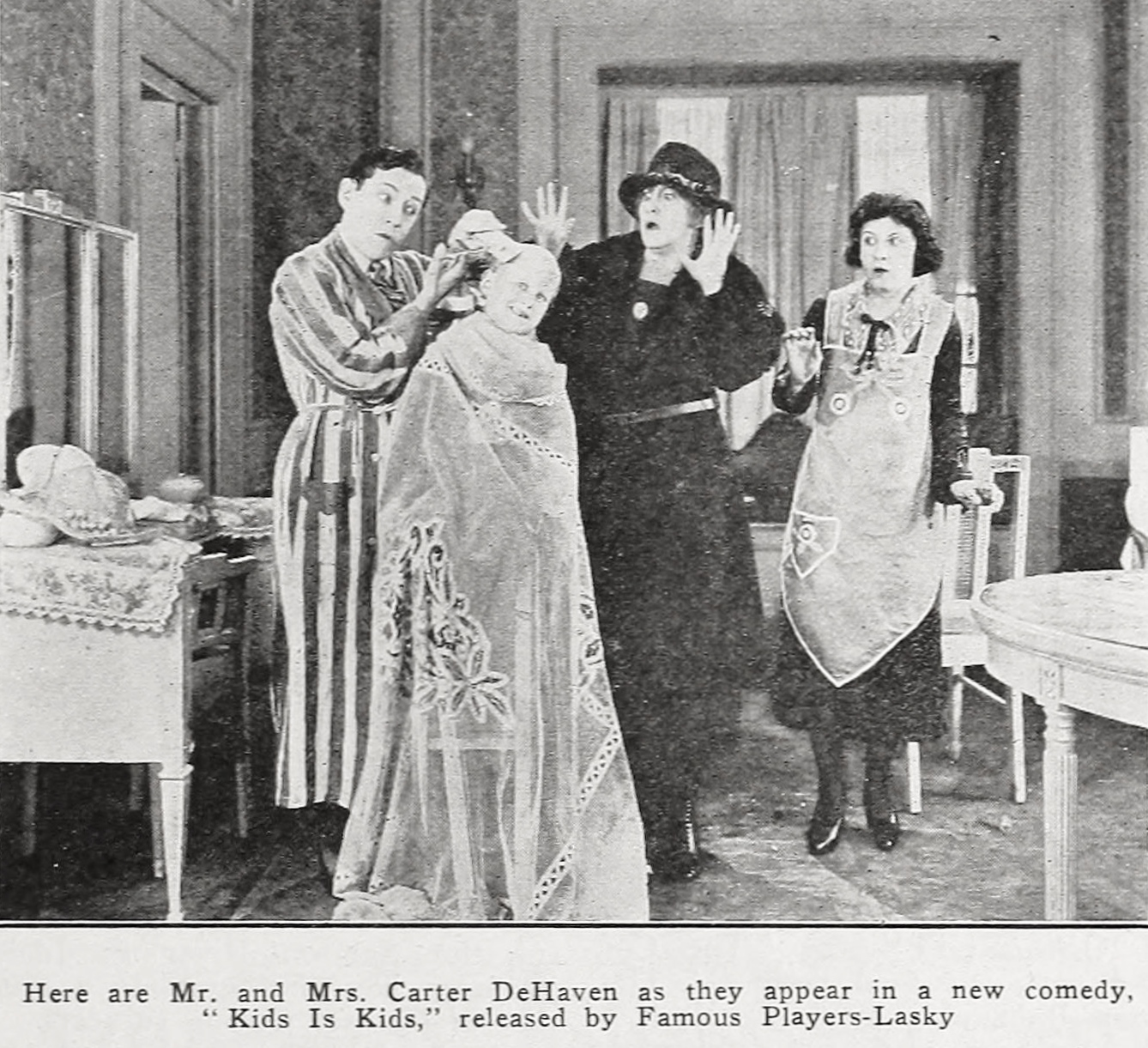
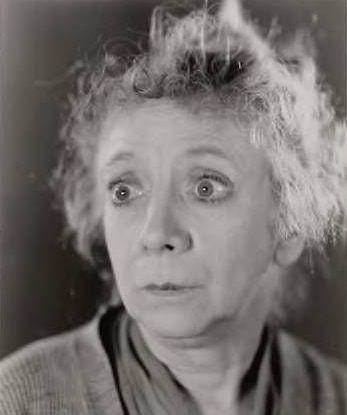
Charley Chase
Community
Log in to comment.
" The Anatomy of a Mail-Order Mastermind In the pantheon of early silent cinema, few characters embody the quixotic spirit of the American dreamer quite like Philo Gubb. Portrayed with a spindly, nervous energy by Ernest Shields, Gubb is the quintessential anti-hero of the vocational age. While The No-Good Guy might explore the social frictions of character flaws, Philo Gubb: The Correspondence School Detackative focuses its lens on the absurdity of unearned ambition. The film ..."
Ellis Parker Butler
United States
Deep dive into the cult classic
Discover similar cinematic experiences
A Directorial Spotlight on Webster Cullison