Summary
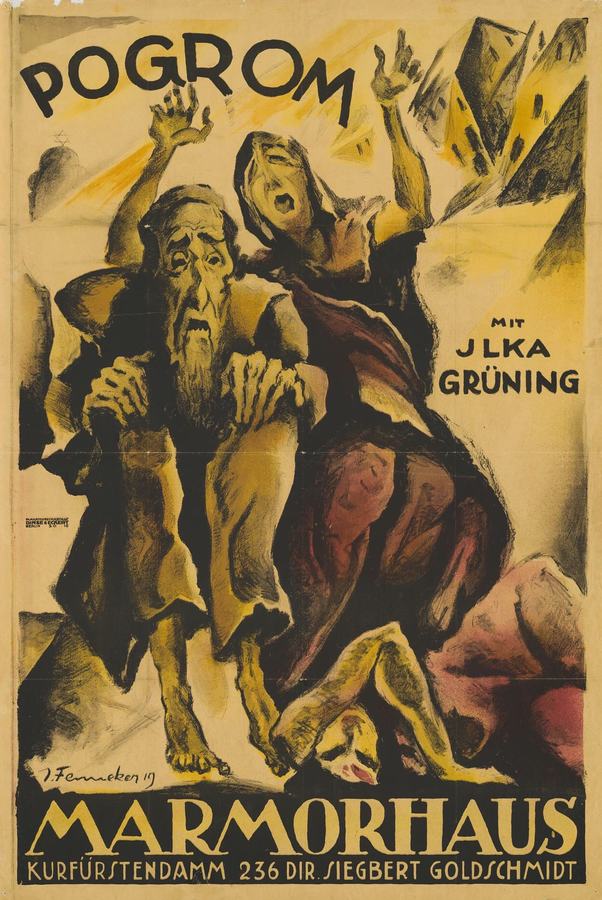
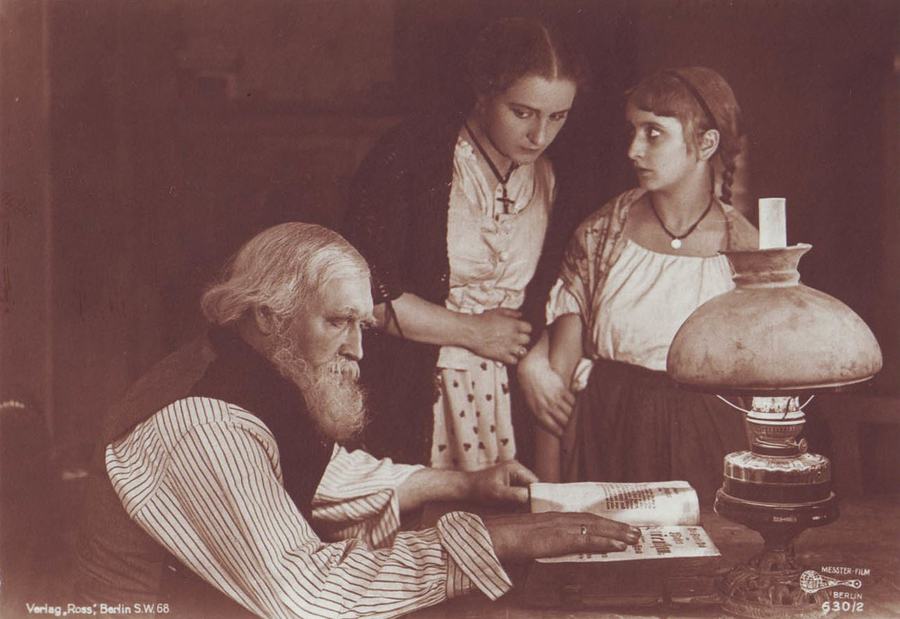
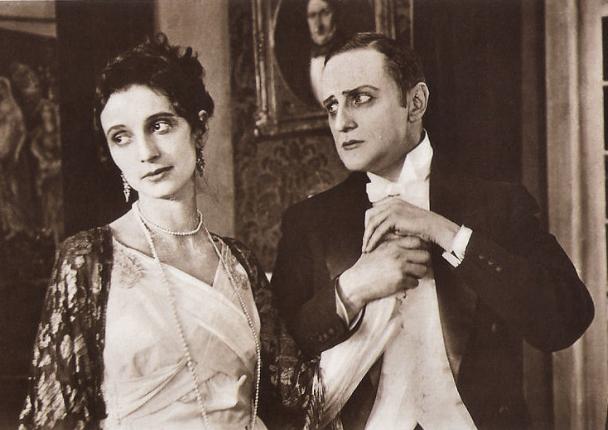
In the fictional Eastern European town of Kreslav, a vibrant Jewish community finds itself precariously balanced on the precipice of escalating nationalist fervor. Rabbi Mendel, portrayed with profound gravitas by Ernst Benzinger, leads with a philosophy of stoic endurance, a stance challenged by his fiery son, David (Hermann Bauer), who champions a more assertive defense against mounting aggressions. The local political landscape is fraught, with Mayor Schmidt (Hans Josberg) attempting a delicate balance against the insidious machinations of Viktor Kroll (Ernst Stahl-Nachbaur), a demagogue whose virulent rhetoric poisons the public consciousness. Hermann Wolfsberg's Isaac, a merchant initially dismissive of the brewing storm, gradually confronts the grim reality. The community's resilience is embodied by figures like Leah (Gertrud Abel), David's fiancée and a dedicated teacher, and the venerable matriarch Rivka (Ilka Grüning). As Kroll's campaign of hate intensifies, culminating in a grotesque false accusation against Jacob (Friedrich Römer), a local tailor, the town plunges into a systematic pogrom. The film vividly captures the terrifying night of destruction, looting, and violence, forcing Rabbi Mendel to reconcile his pacifism with the urgent need for protection, ultimately joining David's desperate, makeshift defense. The ensemble, including Fritz Alten, Carl Machold, Alexander Ekert, Walter Formes, Martin Herzberg, Heinz Alexander, Ernst Treumann, W. Bergsch, Fritz Russ, and Julius Brandt, paints a harrowing mosaic of human responses—from victimhood and perpetration to bewildered observation. The narrative culminates not in a facile victory, but in the stark, devastating aftermath, where the survivors, though shattered, cling to a fragile hope, embarking on the arduous journey of rebuilding, their spirit tested but unbroken, facing an uncertain dawn.
Review Excerpt
"
Unveiling the Brutality: A Deep Dive into Alfred Halm's 'Pogrom'
Alfred Halm's 1920 cinematic endeavor, simply titled 'Pogrom,' stands as a stark and unflinching mirror reflecting humanity's capacity for both profound cruelty and unwavering resilience. This silent era masterpiece, though perhaps less widely known than some of its contemporaries, delivers a narrative punch that resonates with a chilling prescience, particularly when viewed through the lens of history's subsequent tragedies. ..."