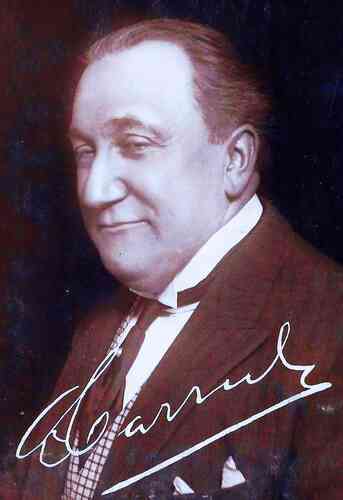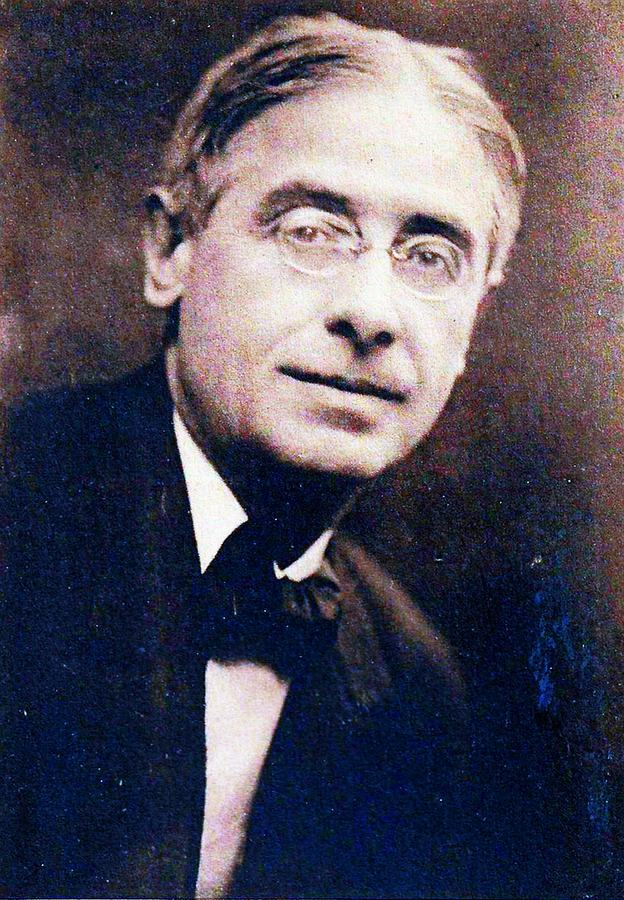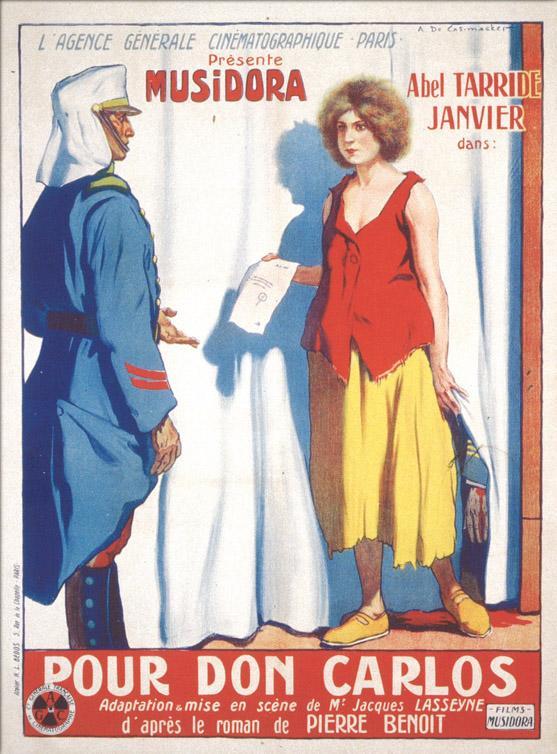
In late 19th century Spain, a civil war plays out in the Basque region between supporters of the pretender Carlos VIII and the republican government, with the feisty Allegria inspiring the Carlists..
A century after its suppressed premiere, Pour don Carlos erupts from nitrate anonymity like a powder-horn blast, scattering clichés about silent historiography.The opening tableau—moonlight sliding across the cantilevered cranes of Bilbao’s shipyards—announces an aesthetic unafraid of modernist geometry. Jullien’s came...
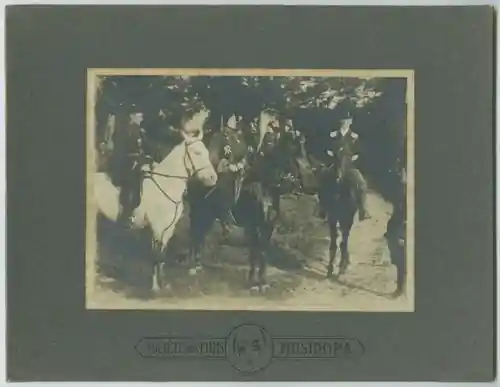
publicity
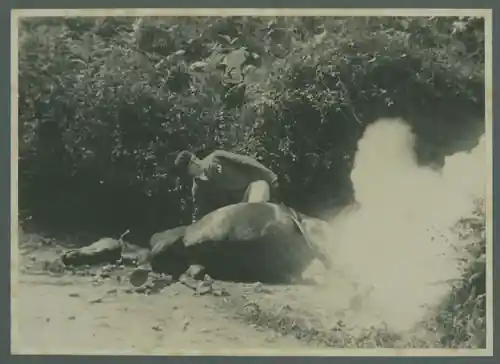
publicity
Comparing the cinematic DNA and archive impact of two defining moments in cult history.
Jacques Lasseyne
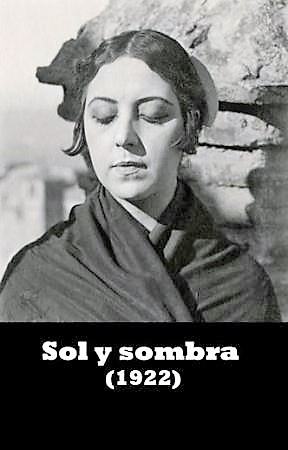
Jacques Lasseyne
Community
Log in to comment.
"A century after its suppressed premiere, Pour don Carlos erupts from nitrate anonymity like a powder-horn blast, scattering clichés about silent historiography.The opening tableau—moonlight sliding across the cantilevered cranes of Bilbao’s shipyards—announces an aesthetic unafraid of modernist geometry. Jullien’s camera glides above the estuary, revealing clandestine caravans of rifles smuggled in sardine barrels; the sequence’s tactile graininess rivals the Keystone Comedies’ kinetic mayhem, y..."
Ramiro Arrué
Pierre Benoît, Musidora
France
1922 · IMDb 5.9
Jacques Lasseyne
Deep dive into the cult classic
Discover similar cinematic experiences
A Directorial Spotlight on Jacques Lasseyne