DbcultAccessing Vault...
7.6/10
Senior Film Conservator
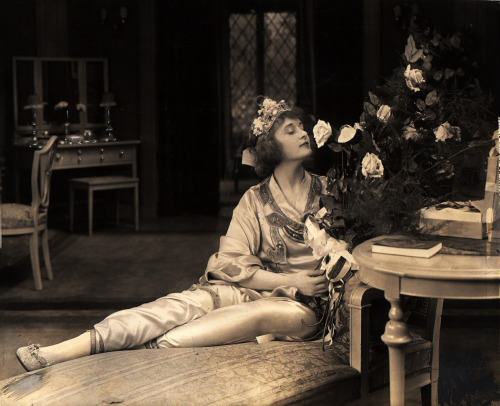
A definitive 7.6/10 rating for a film that redefined the boundaries of cult cinema. In Pursuit of Polly remains a cornerstone of transgressive art.
The year 1918 remains a pivotal epoch in the annals of early cinema, a time when the medium was shedding its nickelodeon skin to emerge as a sophisticated vehicle for narrative complexity and star power. At the heart of this transition stands In Pursuit of Polly, a film that deftly balances the lighthearted whimsy of the "runaway girl" trope with the darkening shadows of the Great War. Starring the incandescent Billie Burke, the film serves as a testament to her unique ability to command the screen with a mixture of aristocratic grace and slapstick vulnerability. Long before she became the definitive Glinda the Good Witch, Burke was a powerhouse of the silent screen, and here, under the direction of Chester Withey, she navigates a plot that is as much a social satire as it is a spy thriller.
The narrative catalyst—Polly’s flight from three unwanted suitors—might seem quaint by contemporary standards, yet it reflects a profound cultural anxiety regarding female autonomy in the early 20th century. Unlike the domestic constraints explored in Pretty Mrs. Smith, where Burke previously navigated the complexities of marital identity, In Pursuit of Polly pushes the protagonist into the public sphere. Polly is not merely running away; she is running toward a self-defined existence, even if that path is inadvertently paved with the hazards of international espionage. The suitors themselves represent three distinct pillars of social expectation, and her rejection of them serves as a silent-era manifesto for independence.
When Polly checks into a hotel under an assumed name, the film shifts gears from a romantic farce to a proto-noir. The cinematography captures the hotel’s corridors with a sense of mounting claustrophobia, a visual language that echoes the psychological depth found in European imports like The Student of Prague. However, where the latter leans into the macabre, Withey’s direction keeps the pace brisk and the tone buoyant. The inclusion of the Secret Service agent, played with a stolid, almost humorous intensity by Thomas Meighan, introduces the theme of surveillance—a very real concern in 1918 America. The agent’s mistake—viewing a young woman’s quest for privacy as a threat to national security—is a sharp critique of the paranoiac atmosphere of the era.
The second act of the film plunges Polly into the world of genuine German spies. This transition is handled with a surprising amount of tension. While films like The $5, 000, 000 Counterfeiting Plot focused on the mechanical and procedural aspects of crime, In Pursuit of Polly remains centered on the subjective experience of its heroine. Polly is not a passive victim; she is an accidental participant who must use her wits to outmaneuver seasoned operatives. This agency is a hallmark of the scripts written by Izola Forrester, Mann Page, and Eve Unsell, who collectively understood the necessity of a proactive female lead.
The contrast between Polly’s perceived guilt and her actual innocence creates a delicious irony that sustains the film’s middle section. As she is pursued by both the law and the lawless, the film utilizes the landscape as a metaphorical obstacle course. The chase sequences are staged with a kinetic energy that rivals the industrial vigor seen in The Steel King's Last Wish. Yet, the stakes here feel more intimate. We are not just watching a chase; we are watching the collision of Polly’s private world with the brutal realities of a world at war.
Visually, the film is a masterclass in the use of light and shadow to denote moral ambiguity. The scenes involving the real spies are bathed in a harsher, more high-contrast light than the soft-focus romanticism of the opening reels. This stylistic shift mirrors Polly’s loss of innocence as she realizes the gravity of her situation. The acting, particularly by the supporting cast including Frank Losee and William B. Davidson, avoids the over-the-top theatricality often associated with the period, opting instead for a more grounded, cinematic naturalism.
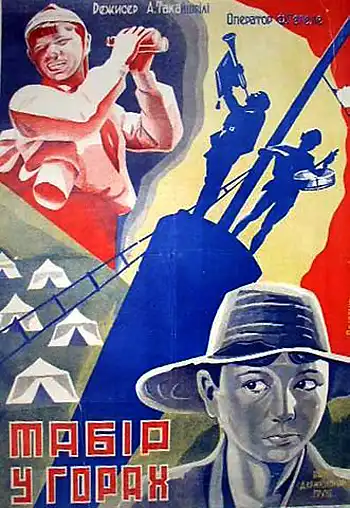
In comparing this work to contemporary international cinema, such as the Russian drama Grekh, one notices the distinct American penchant for optimism even in the face of peril. While European films of the time were often bogged down by existential dread or the weight of ancient sins, In Pursuit of Polly maintains a rhythmic vitality. It shares more DNA with the adventurous spirit of The Call of the North, emphasizing the protagonist's resilience and adaptability in unfamiliar territory.
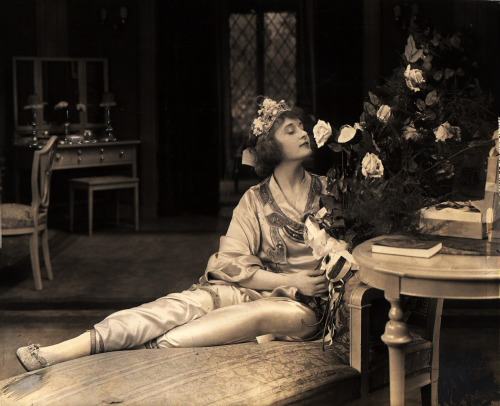
One cannot analyze this film without acknowledging the shadow of the First World War. The figure of the German spy was a ubiquitous bogeyman in American culture at the time, appearing in everything from propaganda posters to pulp novels. By placing a beloved figure like Billie Burke in the crosshairs of this paranoia, the film humanizes the conflict while simultaneously providing an escapist outlet. It lacks the overt jingoism found in The Pride of New York, choosing instead to focus on the absurdity of the "spy scare."
The film also touches upon the class dynamics of the era. Polly’s ability to move through different social strata—from the high-society world of her suitors to the clandestine meetings of international agents—highlights the fluidity of identity that the hotel setting provides. This theme of shifting identities is a recurring motif in silent cinema, seen in various forms in films like The Girl from Rector's or the Swedish thriller De lefvande dödas klubb. Polly’s alias is her armor, but it is also her undoing, illustrating the double-edged sword of anonymity.
Burke’s performance is the engine that drives the film. Her facial expressions—a twitch of the lip, a wide-eyed stare of realization—convey more than any title card ever could. She possesses a rare comedic timing that allows her to be the butt of the joke without losing her dignity. In many ways, her role here is a precursor to the screwball heroines of the 1930s. She exhibits the same frantic intelligence and charm that would later define the careers of actresses like Carole Lombard or Katharine Hepburn. When compared to the more somber performances in Saints and Sorrows, Burke’s Polly is a breath of fresh air, a character who refuses to be defined by the tragedies or the expectations surrounding her.
The chemistry between Burke and Thomas Meighan is palpable, providing a romantic anchor for the high-stakes plot. Meighan, who would go on to be one of the biggest stars of the 1920s, provides a perfect foil for Burke’s energy. His character’s transition from a suspicious agent to a protective lover is handled with a subtlety that avoids the melodramatic pitfalls of the era. Their interaction in the final act, as the espionage plot reaches its crescendo, is both heart-pounding and heartwarming.
While In Pursuit of Polly may not have the haunting resonance of Doch isterzannoy Pol'shi or the moral weight of John Redmond, the Evangelist, its value lies in its craftsmanship and its captures of a specific American zeitgeist. It is a film that understands the power of the "chase"—not just as a physical action, but as a metaphor for the pursuit of happiness and safety in an uncertain world. The direction by Withey ensures that the film never feels static; it is constantly in motion, much like its protagonist.
The film also serves as a fascinating look at the "working woman" of the era—or rather, the woman who works to maintain her freedom. Even though Polly is a socialite, her labor throughout the film is the labor of survival and self-preservation. This theme of female resilience is echoed in other films of the period, such as The Mantle of Charity or The General's Children, but rarely is it presented with such a delightful comedic touch.
The resolution of the film, while satisfying the generic requirements of the time, leaves the viewer with a sense of Polly’s newfound strength. She has faced the domestic threat of unwanted marriage and the international threat of wartime spies, and she has emerged victorious. The final scenes, much like those in The Ships That Meet, emphasize the serendipity of human connection in a chaotic world. Polly is no longer just a girl being pursued; she is a woman who has found her place in a world that is much larger and more dangerous than she initially imagined.
In the grand tapestry of silent cinema, In Pursuit of Polly is a vibrant thread. It showcases the burgeoning sophistication of American film production, the magnetic appeal of its stars, and the ability of cinema to reflect and refract the anxieties of its time. For modern viewers, it offers a window into a world where the lines between romance and danger were thrill-fully blurred, and where a woman’s pursuit of her own identity was the most exciting chase of all. The film stands as a testament to the enduring power of Billie Burke and the creative team that brought this spirited, labyrinthine tale to life.
IMDb —
1933
Community
Log in to comment.