Russian Federation
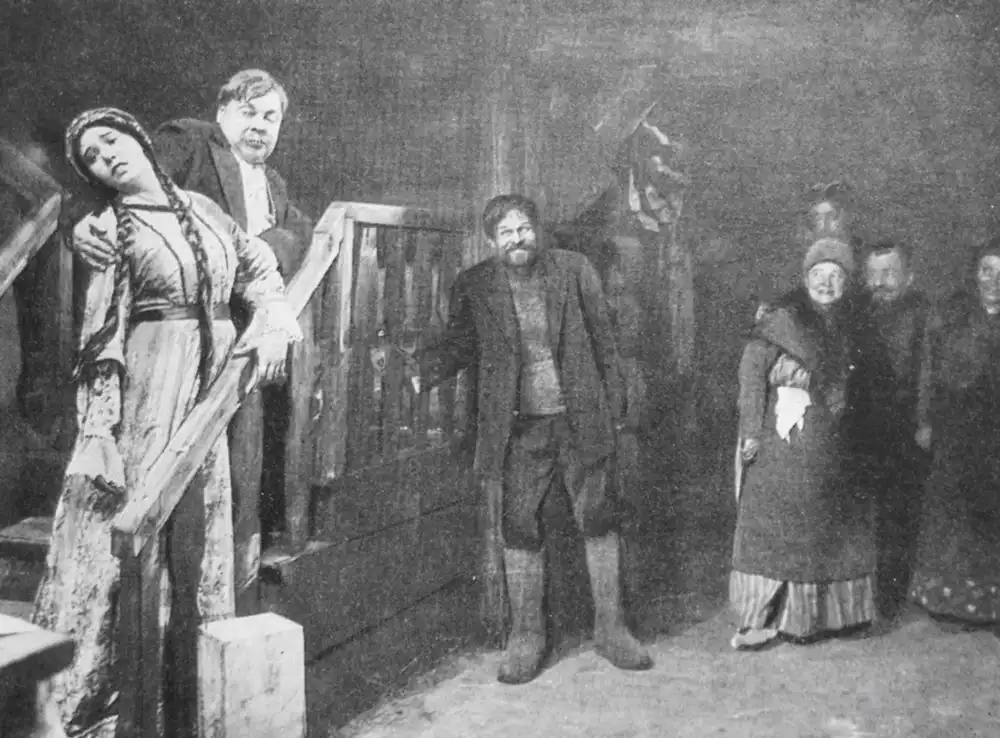
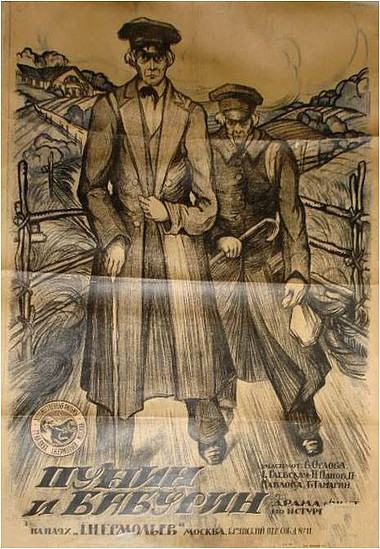
In the annals of pre-revolutionary Russian cinema, few works achieve the atmospheric density and psychological precision found in the 1915 adaptation of Punin i Baburin. This isn't merely a translation of Ivan Turgenev’s prose to the silver screen; it is a profound exploration of the Russian soul at a crossroads, cap...


Comparing the cinematic DNA and archive impact of two defining moments in cult history.
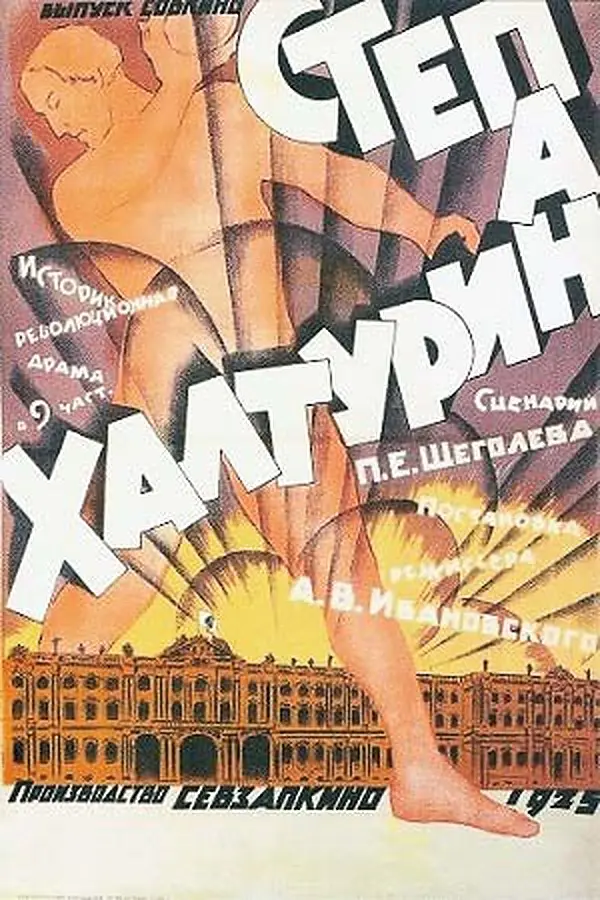
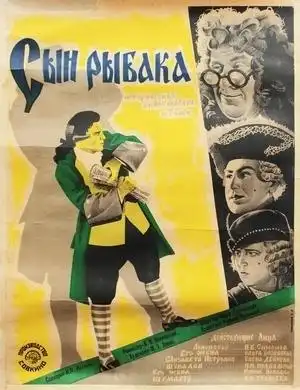
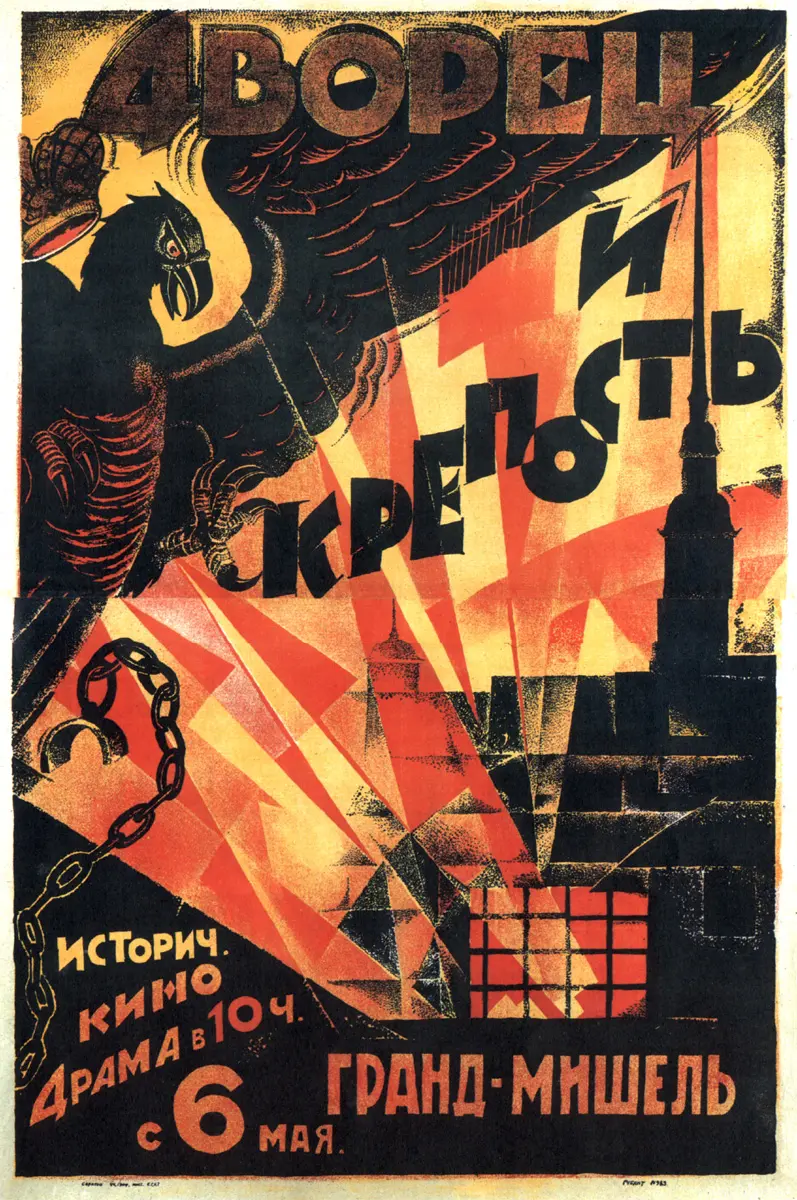
Aleksandr Ivanovsky
Aleksandr Ivanovsky
Community
Log in to comment.
" In the annals of pre-revolutionary Russian cinema, few works achieve the atmospheric density and psychological precision found in the 1915 adaptation of Punin i Baburin. This isn't merely a translation of Ivan Turgenev’s prose to the silver screen; it is a profound exploration of the Russian soul at a crossroads, captured through the lens of a medium still discovering its own linguistic potential. The Architecture of Melancholy While contemporary Western audiences might be more familiar with..."

Deep dive into the cult classic
Discover similar cinematic experiences
A Directorial Spotlight on Aleksandr Ivanovsky