DbcultAccessing Vault...
7.2/10
Senior Film Conservator
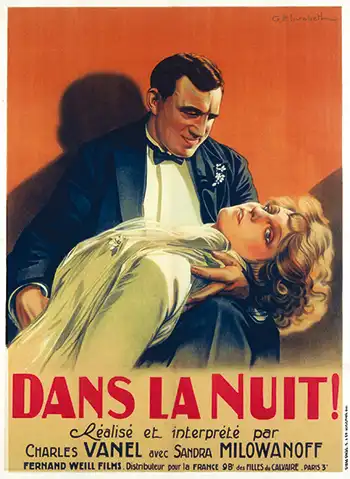
A definitive 7.2/10 rating for a film that redefined the boundaries of cult cinema. Dans la nuit remains a cornerstone of transgressive art.
So, you clicked on a review for a silent film from 1929. Good on ya! 👍 If you’re already into silent cinema, especially French dramas that don't shy away from the tough stuff, then yeah, _Dans la nuit_ is absolutely worth a look. It’s a strong, quiet punch to the gut.
However, if the idea of no dialogue and a piano score for an hour sends shivers down your spine, you can probably give this one a miss, honestly. It’s not an easy entry point to the genre.
This film is a pretty heavy tale about a working-class couple, just trying to get by. He’s a pit worker, and she’s his wife, living in a small, cramped space that feels kinda suffocating even before things go south.
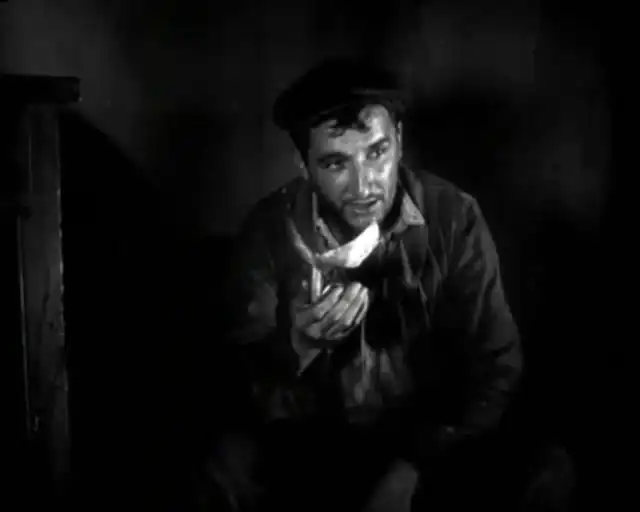
Things take a real bad turn when he has a nasty accident in the mine. Suddenly, he's crippled. And just like that, their whole world kinda just… tips over.
Charles Vanel, who also wrote and directed this, plays the husband, and he carries so much here. His face when he’s first injured, then later, just sitting there, helpless. It’s a raw, silent scream without needing any title cards to explain it.
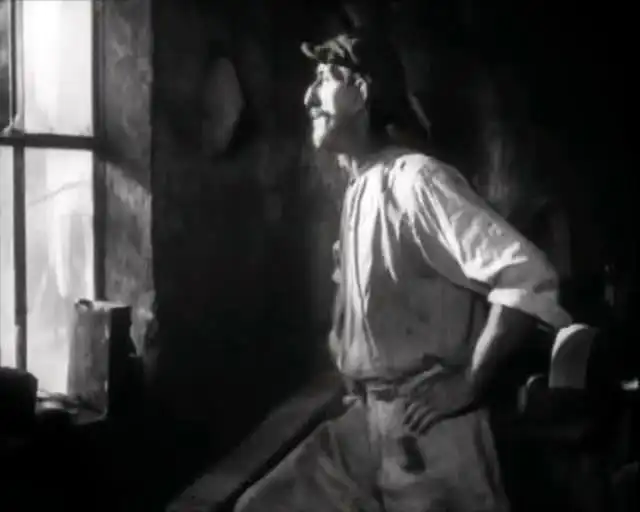
That shot where he's just sitting, looking out a window, kinda lost in his own head, it really does stick with you, that image. You can almost feel his pain, the sheer *weight* of it all.
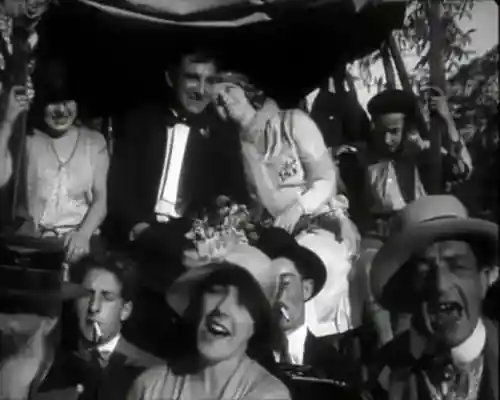
The accident scene itself feels surprisingly real, not overly dramatic. You can almost *feel* the dust and the clang of metal, the sudden chaos. It’s quick, effective, and sets the tone perfectly.
Then we shift to the home, which becomes a different kind of prison for him. The movie does a good job showing the slow, painful grind of his recovery, or lack thereof. The title card that just says, 'Days passed...' It’s simple, but it tells you everything about the slow march of despair.
The wife, played by Sandra Milovanoff, is a bit harder to pin down. Is she truly cruel? Or just desperate and bored? Or maybe just weak?
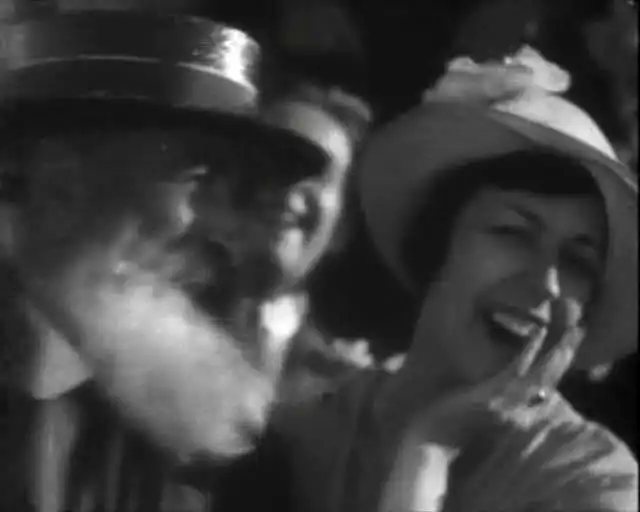
There’s a scene where she’s almost *too* comfortable with the other man. It makes you wonder what was going on before the accident even happened. Was there already a crack in their foundation?
Her glances, sometimes quick, sometimes lingering, between her husband and the other man... those small moments speak volumes. You see her internal struggle, or at least, her *lack* of it, which is almost more unsettling.
The crowd scenes feel pretty authentic for the time, though sometimes you get an extra or two who looks a bit too much at the camera. A tiny thing, but I noticed it. It adds a little bit of that raw, unpolished feel.
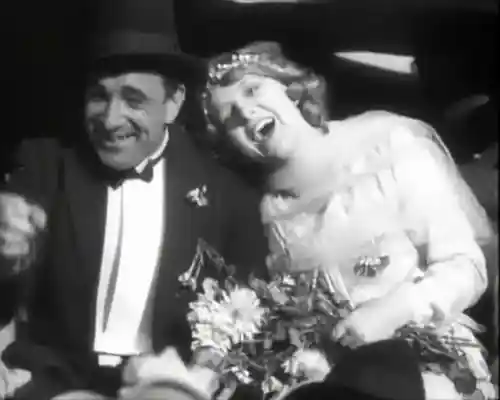
The movie moves pretty quick for a silent film, honestly. Doesn't drag much, which is a blessing for modern viewers who aren't used to the pace.
The way they use shadows in their small home, it says a lot about their situation without a single title card. The darkness almost seems to swallow them whole.
There are some really striking close-ups on faces that are just *intense*. Vanel's eyes especially. You can see the whole story unfolding in them.
The ending feels... inevitable, but still hits hard. It doesn’t try to tidy things up with a neat bow, which I appreciate. Life isn’t always neat, especially not here.
You know how some silent films can feel a bit... theatrical? This one feels more grounded, dirty almost. More like a slice of life, even if it's a very dramatic slice.
I kept thinking about Souls in Bondage while watching this, not for plot, but for that raw, desperate feeling of being trapped by circumstances. It shares a similar kind of bleakness.
Definitely give _Dans la nuit_ a watch if you appreciate the artistry of early cinema and stories that don't pull their punches. It’s a powerful, somber experience that will stick with you long after the credits roll. Or, well, after the final title card fades.

IMDb 5.8
1931
Community
Log in to comment.