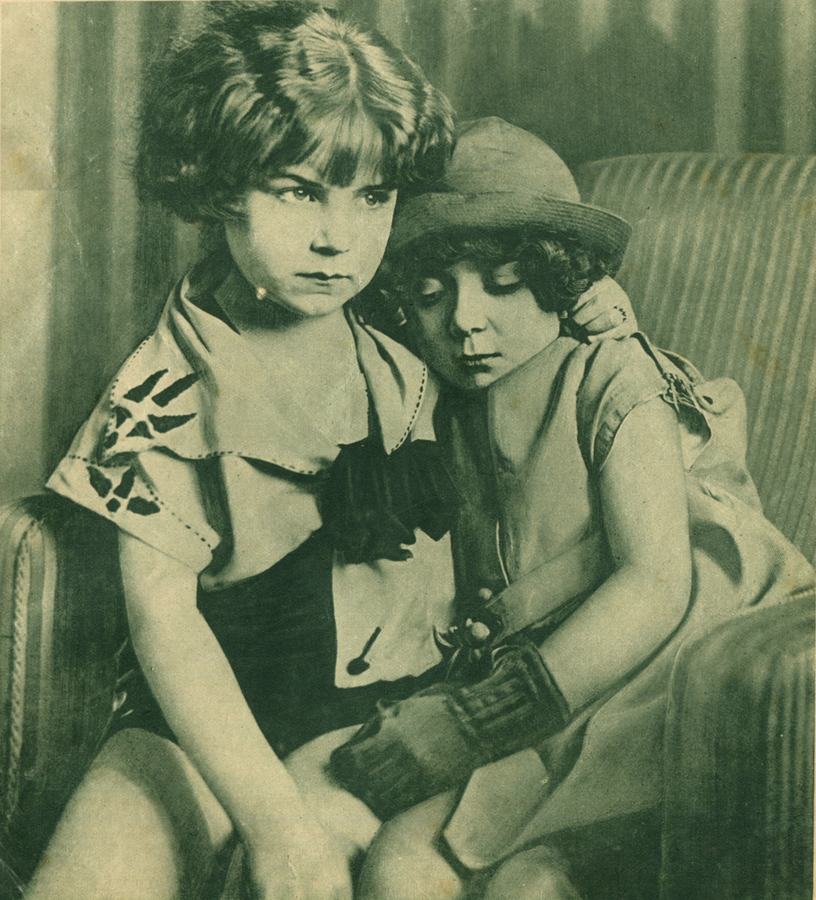
Jacques de Baroncelli’s 1946 adaptation of Jules Mary’s bestseller arrives like a battered brass mirror flung onto the Seine at midnight—its reflection is cracked, lurid, impossible to ignore. The title card, scrawled in crimson that refuses to dry, already accuses the viewer: Roger la Honte. Say it aloud and you tas...
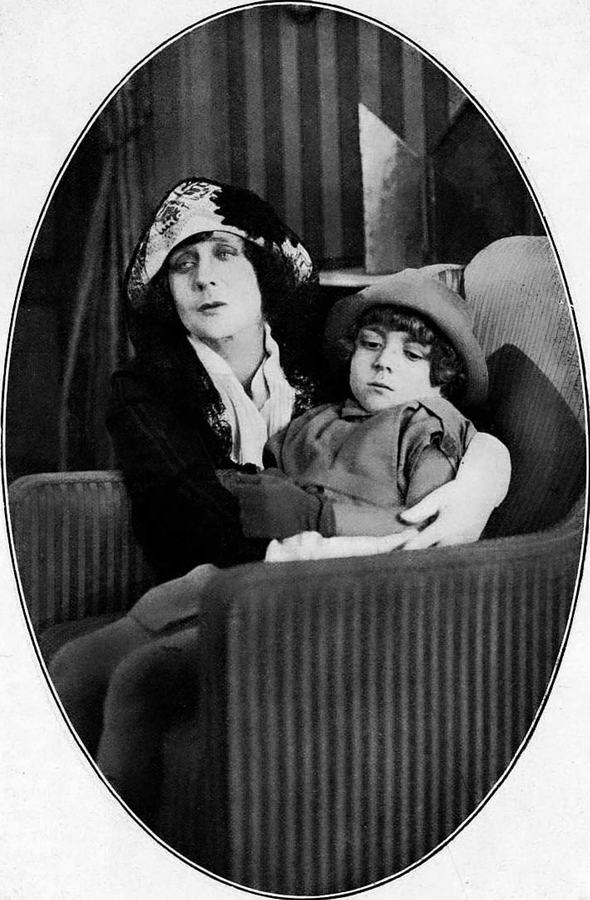
publicity
still_frame
Comparing the cinematic DNA and archive impact of two defining moments in cult history.
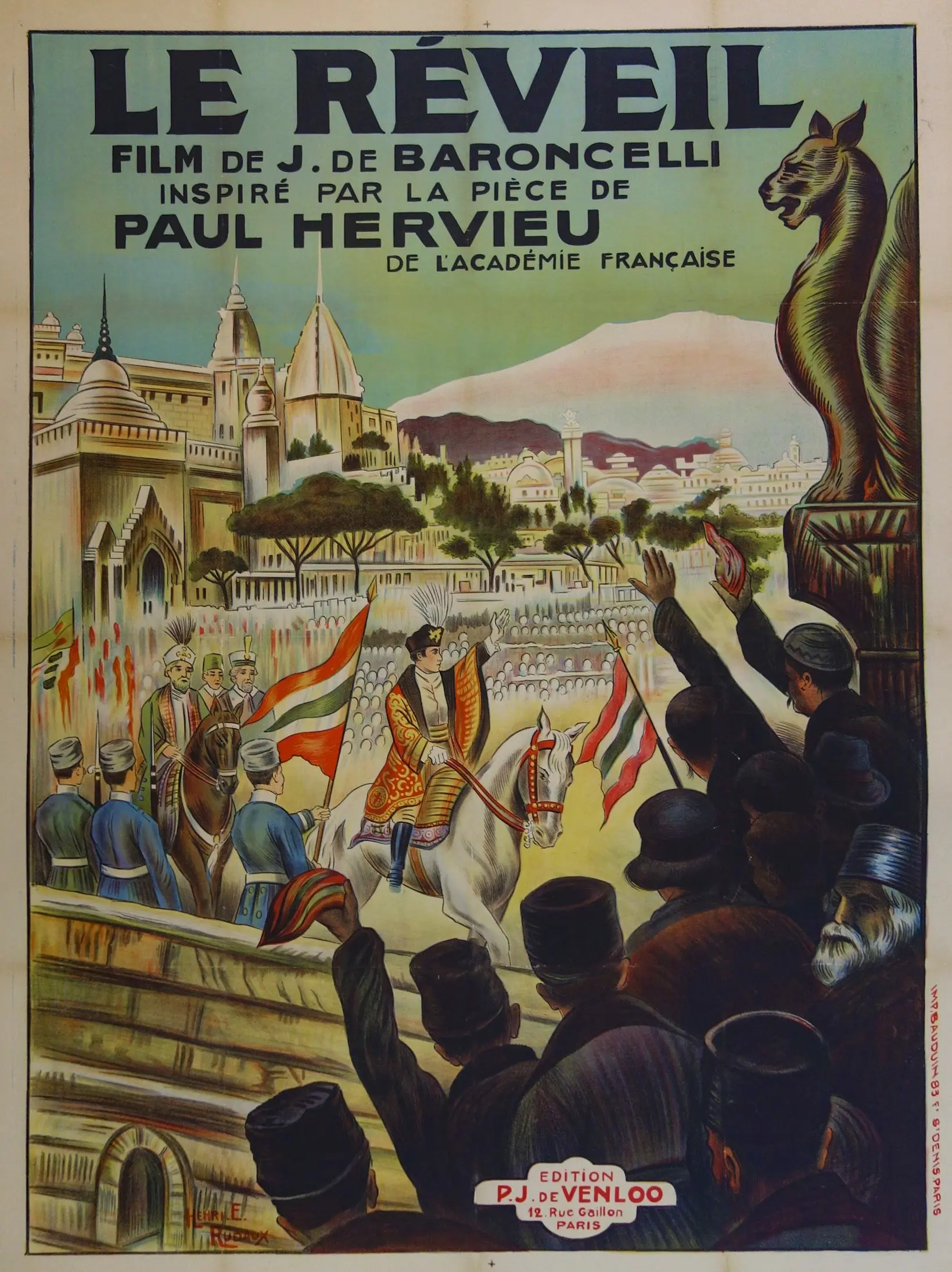
Jacques de Baroncelli
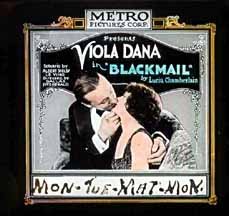
Dallas M. Fitzgerald
Community
Log in to comment.
" Jacques de Baroncelli’s 1946 adaptation of Jules Mary’s bestseller arrives like a battered brass mirror flung onto the Seine at midnight—its reflection is cracked, lurid, impossible to ignore. The title card, scrawled in crimson that refuses to dry, already accuses the viewer: Roger la Honte. Say it aloud and you taste rust; swallow it and you inherit a century of rot. A Plot That Swallows Its Own Tail Forget linearity. The film loops, recoils, and devours itself. We begin not with birth but..."
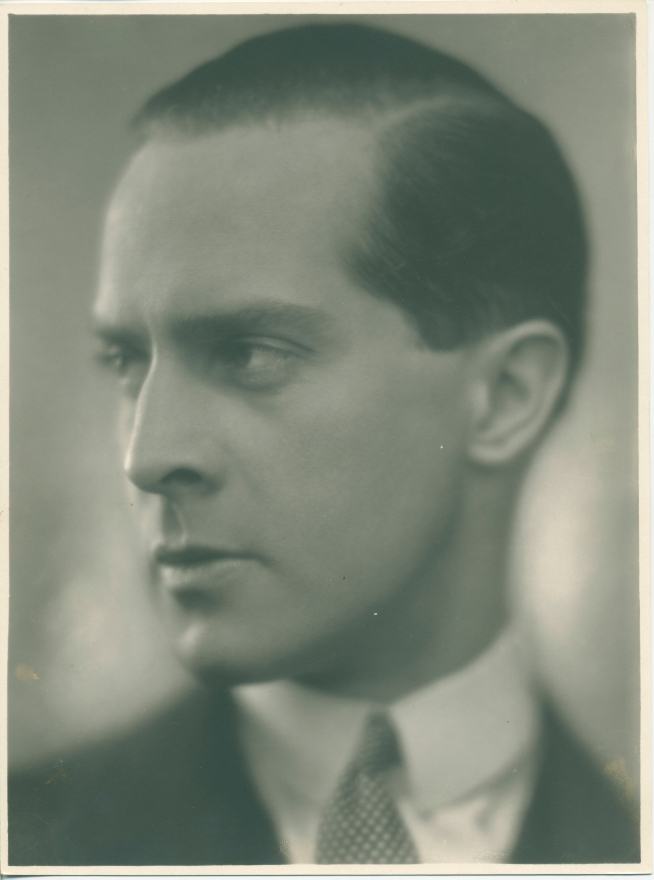
Eric Barclay
Jacques de Baroncelli, Jules Mary
France
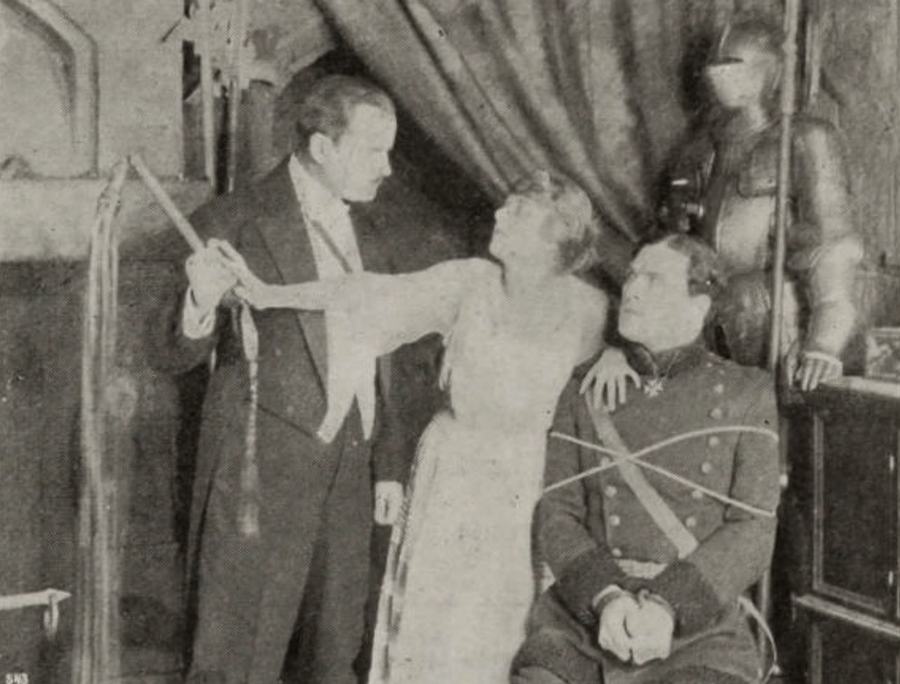
Deep dive into the cult classic
Discover similar cinematic experiences
A Directorial Spotlight on Jacques de Baroncelli