DbcultAccessing Vault...
Cult Review
Senior Film Conservator
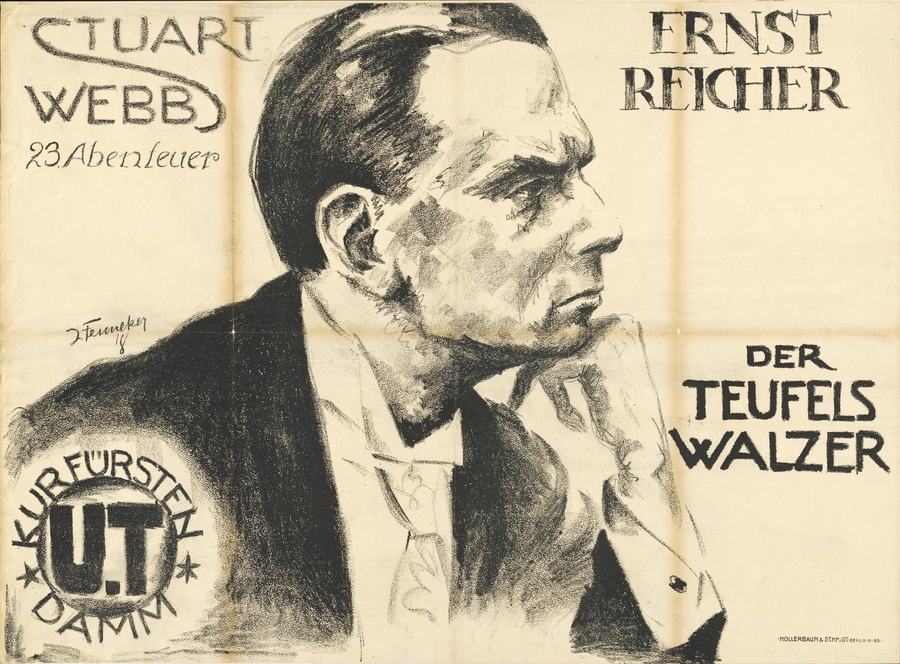
The cinematic landscape of the 1920s was a fertile ground for the burgeoning film industry, with Der Teufelswalzer being one of the notable productions of that era. This film, starring Ernst Reicher and Willy Kaiser-Heyl, presents a fascinating case of a musician, Paolo Sarto, whose life is disrupted by a mysterious visit, culminating in the discovery of the visitor's lifeless body in Sarto's garden. As the story unfolds, it becomes apparent that Der Teufelswalzer is not merely a crime drama but a nuanced exploration of the human psyche, replete with themes of anxiety, guilt, and the complexities of human relationships.
One of the standout aspects of Der Teufelswalzer is its masterful pacing, which keeps the viewer engaged and invested in the mystery. The introduction of detective Stuart Webbs, tasked with unraveling the enigma surrounding the murder, adds a layer of complexity to the narrative. Webbs' character serves as a catalyst, propelling the story forward as he navigates the intricate web of clues and alibis. This character-driven approach allows the audience to witness the gradual unraveling of the mystery, mirroring Webbs' own deductive process.
The film's use of setting and atmosphere is equally noteworthy. The Sarto residence, with its beautifully manicured garden, serves as a symbol of the tranquility and harmony that Paolo Sarto's music embodies. The discovery of the body in this serene environment jarringly juxtaposes the peaceful façade with the underlying turmoil, reflecting the discord that has begun to characterize Sarto's life. This visual dichotomy underscores the film's central theme: the fragility of human equilibrium and the ease with which it can be disrupted by external forces.
In comparison to other films of the era, such as Wenn das Herz in Haß erglüht and Lydia Gilmore, Der Teufelswalzer distinguishes itself through its unique blend of psychological insight and suspenseful storytelling. The film's exploration of the human condition, particularly the inner turmoil experienced by its protagonist, resonates deeply, making it a compelling watch for audiences interested in character-driven dramas. Furthermore, the movie's thematic resonance can be seen in relation to other classics like The Bridge of Sighs and The Squaw Man, which also delve into the complexities of human emotions and relationships.
The cinematography in Der Teufelswalzer is noteworthy for its use of lighting and shadows to convey mood and tension. The scenes are often dimly lit, with an emphasis on shadows, which not only reflects the mystery and suspense of the plot but also underscores the psychological states of the characters. This visual approach adds a layer of depth to the narrative, making the viewing experience even more immersive. The film's technical aspects, including its cinematography and editing, place it alongside other notable films of the silent era, such as Conn, the Shaughraun and The Criminal, in terms of its contribution to the evolution of cinematic storytelling.
The performances in Der Teufelswalzer are also deserving of praise. Ernst Reicher brings a level of sophistication and nuance to the role of Paolo Sarto, capturing the character's descent into anxiety and despair with convincing intensity. Willy Kaiser-Heyl, as detective Stuart Webbs, provides a sturdy counterpoint, embodying the rational and methodical approach necessary to untangle the complex web of evidence and deception. The chemistry between the leads is palpable, adding to the overall tension and suspense that permeates the film. In this regard, Der Teufelswalzer can be favorably compared to films like The Cruise of the Make-Believes and The Folly of Sin, which also feature strong performances that drive the narrative forward.
In conclusion, Der Teufelswalzer is a film that masterfully intertwines the elements of mystery, suspense, and psychological drama, creating a captivating cinematic experience. With its well-crafted narrative, atmospheric setting, and strong performances, it stands as a testament to the enduring power of silent cinema to engage and enthrall audiences. For viewers interested in exploring more films from this era, Indiscreet Corinne, Feathertop, Thais, Flor de durazno, Forbandelsen, Broken Fetters, and A Game of Wits are also highly recommended, each offering unique insights into the human condition and the cinematic innovations of their time.
IMDb 6.2
1937
Community
Log in to comment.