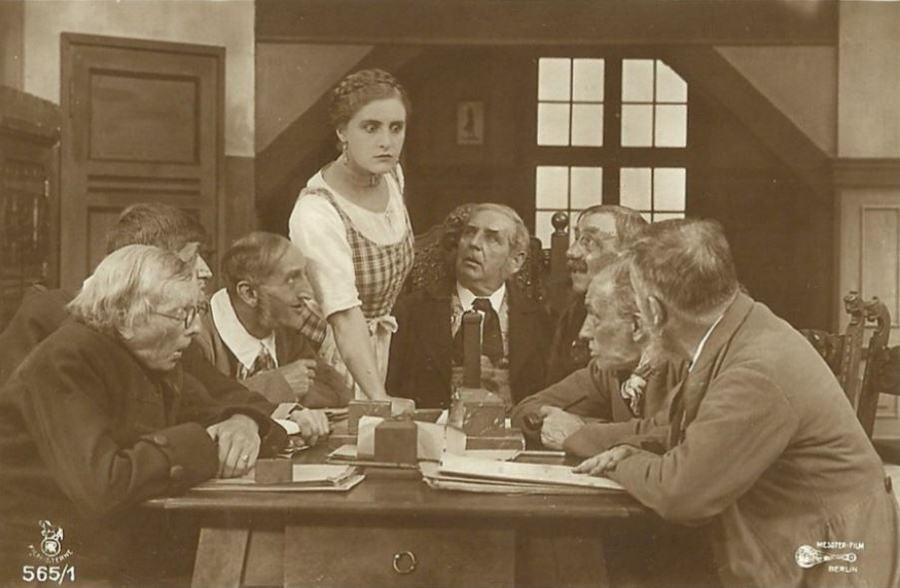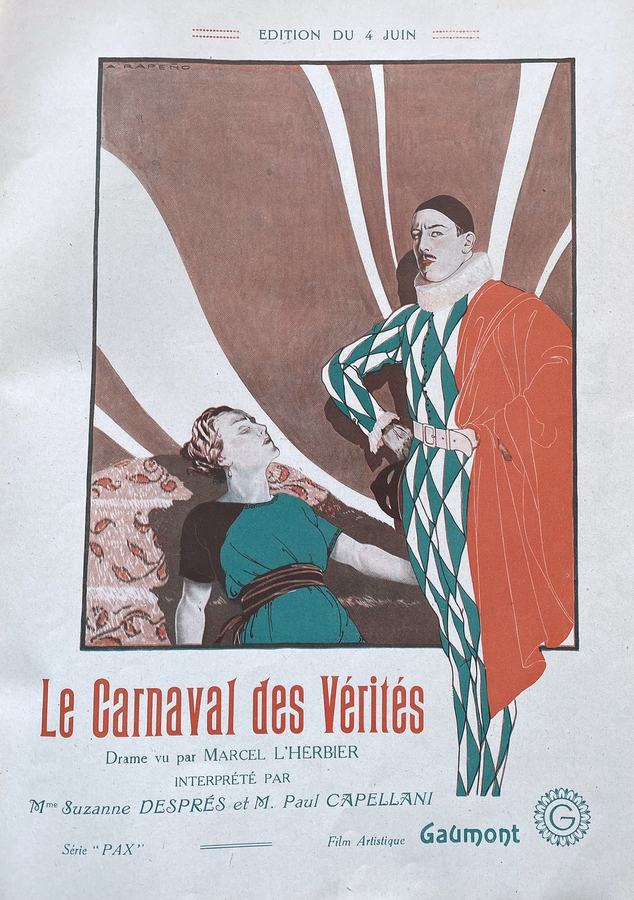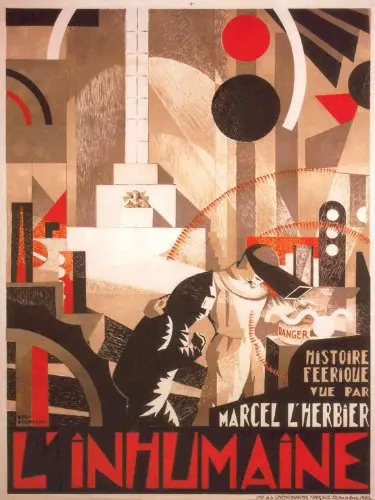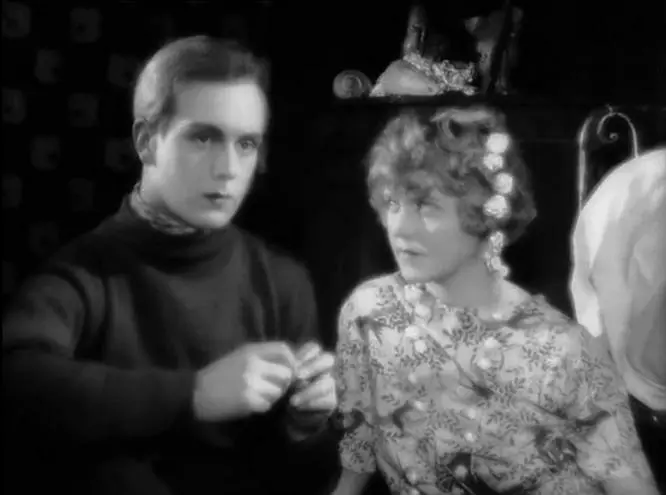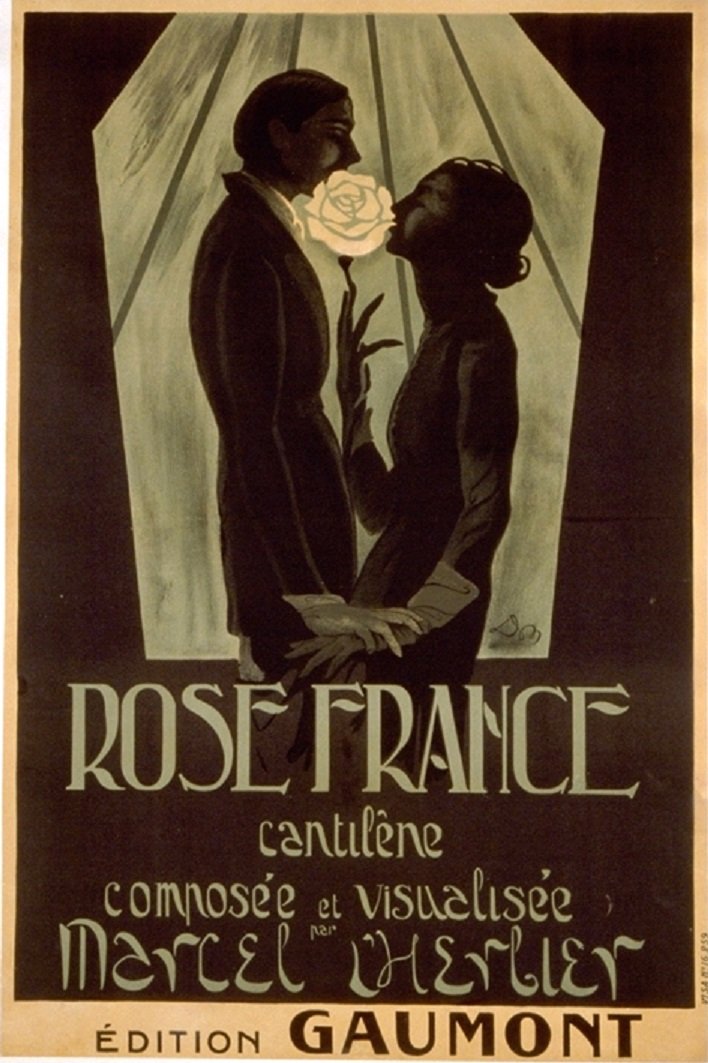
A French chauvinistic propaganda film made during the Great War..
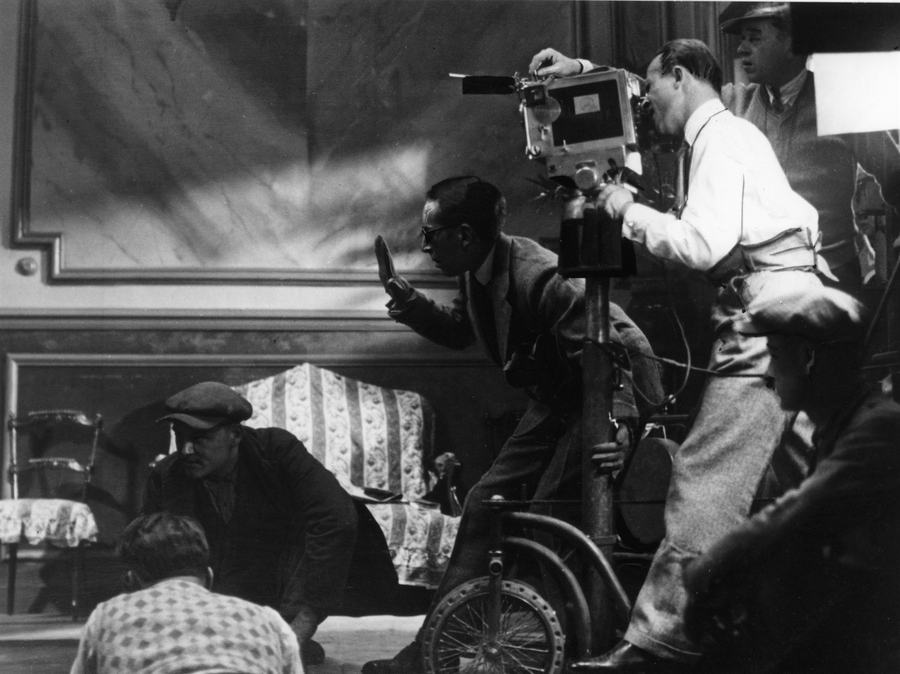
France
The Vermillion Vines: Dissecting Rose-France's Wartime Propaganda Amidst the sulfurous fog of the Western Front, cinema became artillery by other means. Rose-France (1916) detonates onto screens not as mere entertainment but as a cultural grenade packed with nationalistic shrapnel. Director Jacques de Baroncelli wea...
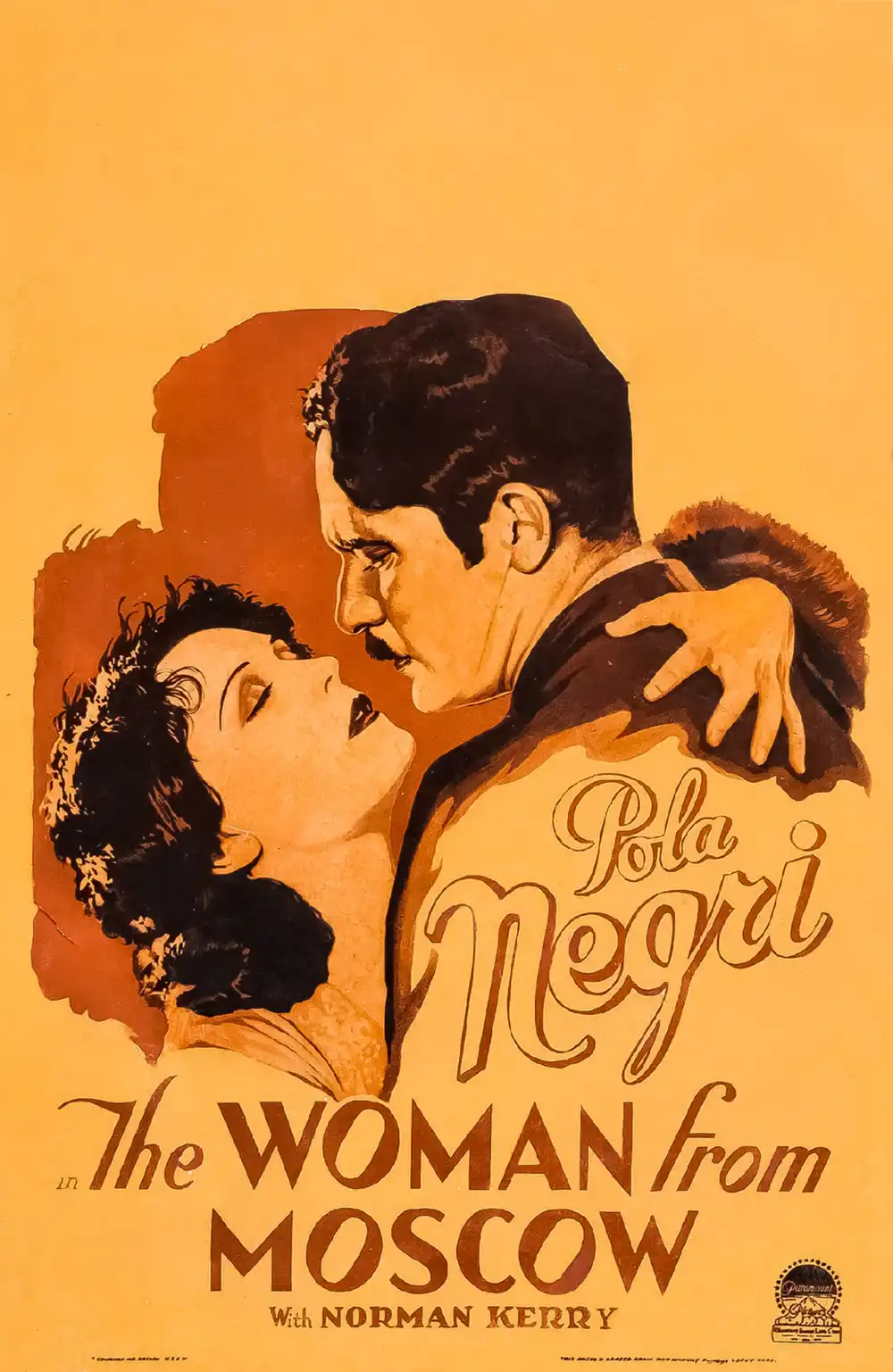
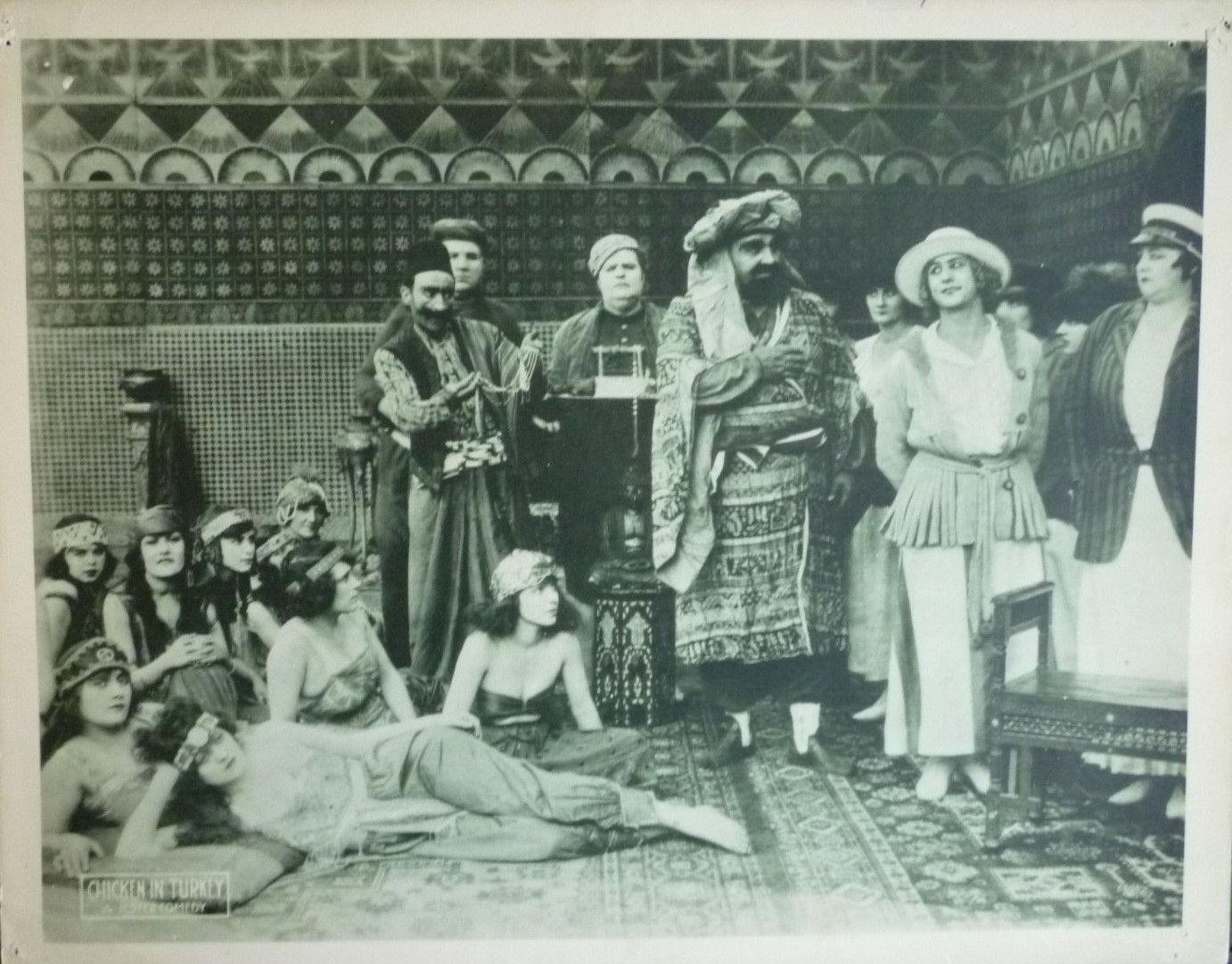
Comparing the cinematic DNA and archive impact of two defining moments in cult history.
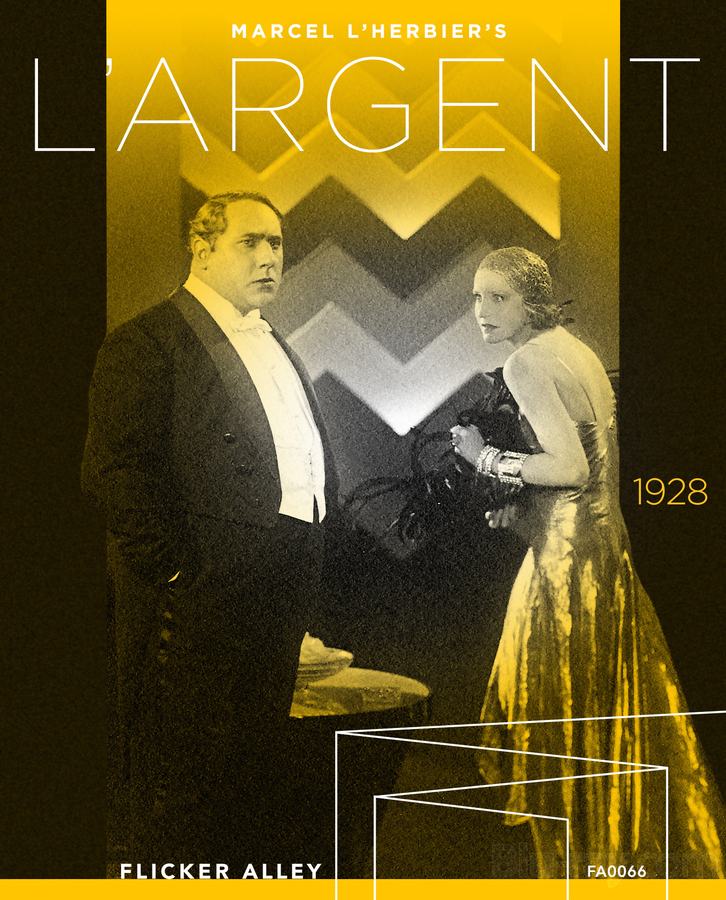
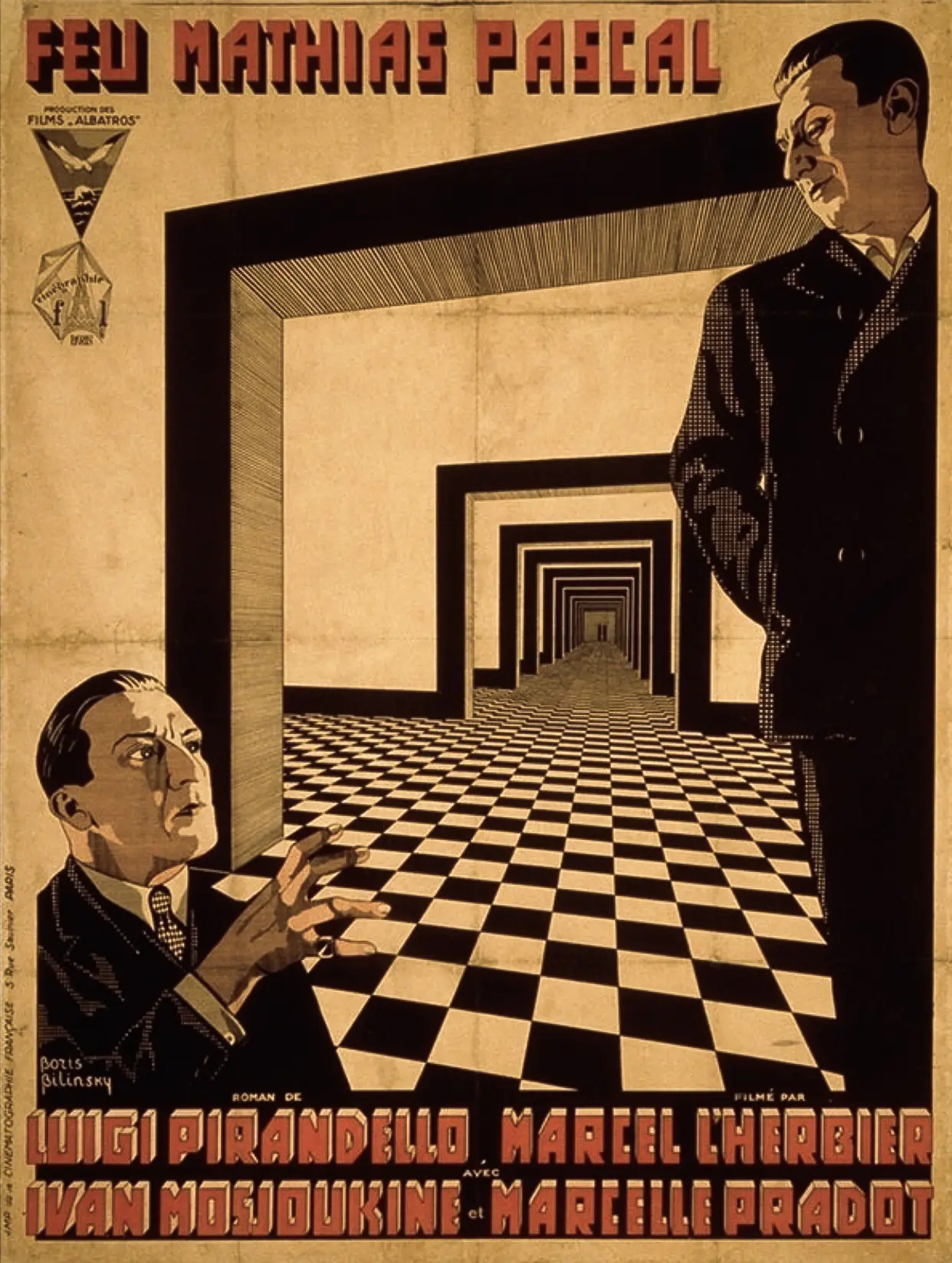
Marcel L'Herbier
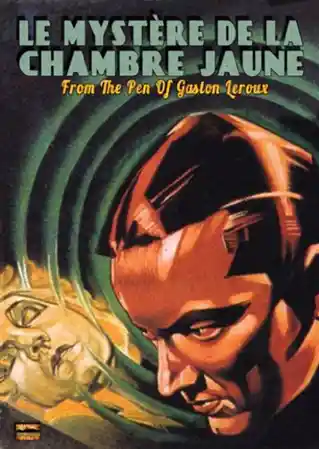
Marcel L'Herbier
Community
Log in to comment.
" The Vermillion Vines: Dissecting Rose-France's Wartime Propaganda Amidst the sulfurous fog of the Western Front, cinema became artillery by other means. Rose-France (1916) detonates onto screens not as mere entertainment but as a cultural grenade packed with nationalistic shrapnel. Director Jacques de Baroncelli weaponizes every frame – from the opening tableau of Byron Kuhn's sculptor hands molding clay that morphs into a howitzer, to the Bacchic finale where Champagne's terroir drowns invad..."