DbcultAccessing Vault...
6.6/10
Senior Film Conservator
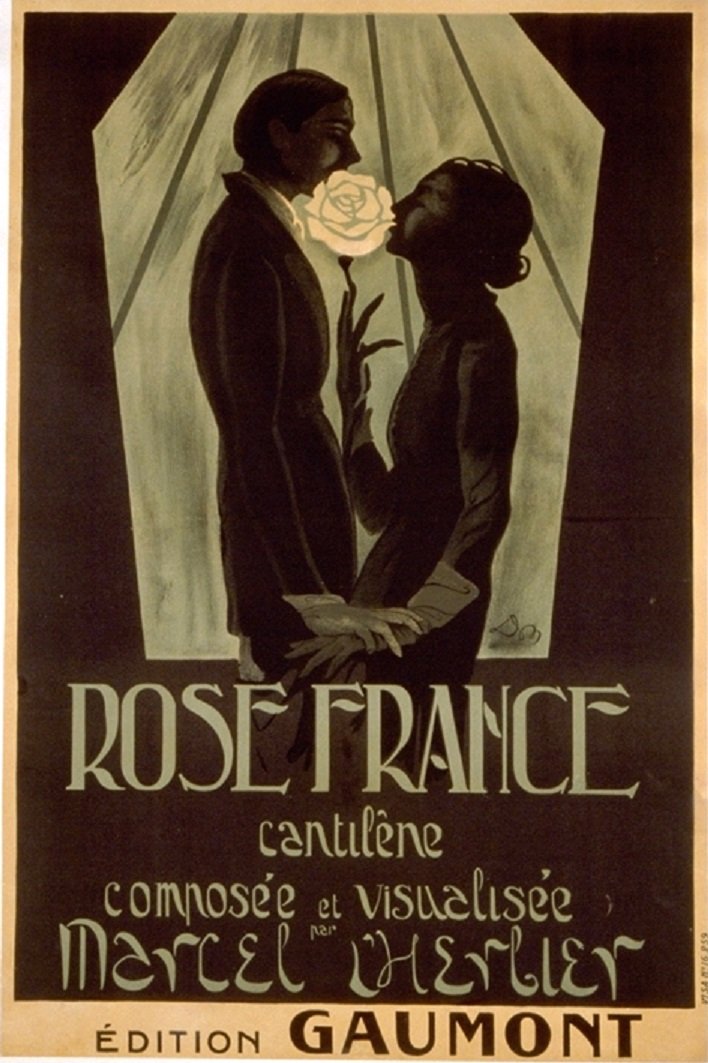
A definitive 6.6/10 rating for a film that redefined the boundaries of cult cinema. Rose-France remains a cornerstone of transgressive art.
Amidst the sulfurous fog of the Western Front, cinema became artillery by other means. Rose-France (1916) detonates onto screens not as mere entertainment but as a cultural grenade packed with nationalistic shrapnel. Director Jacques de Baroncelli weaponizes every frame – from the opening tableau of Byron Kuhn's sculptor hands molding clay that morphs into a howitzer, to the Bacchic finale where Champagne's terroir drowns invaders in allegorical vengeance. This isn't storytelling; it's cinematic conscription.
Baroncelli's genius lies in transforming viticulture into guerrilla tactics. When Claude-France Aïssé's vineyard becomes the Western Front's microcosm, her wine press operates as both agricultural tool and interrogation device. Note how Jaque Catelain's Prussian colonel sips Riesling while ordering executions – the stem glass trembling in his grip telegraphing imperial fragility. Meanwhile, Kuhn's Henri Dubois engraves troop movements onto corks with sculptor's precision, each tiny helix of ink mirroring the micro-writing techniques seen in contemporary spy serials. The cellar sequences achieve claustrophobic brilliance: barrels loom like artillery shells, their wooden staves reflecting the trenches' splintered props.
"What Birth of a Nation did for American racism, Rose-France accomplishes for Gallic exceptionalism – both films expose cinema's terrifying power to distill ideology into iconography."
Hand-tinting becomes psychological warfare. While most Great War films languished in monochrome, Rose-France's laboratory applied vermillion dye exclusively to French elements: Marianne's sash, spilled Beaujolais, Dubois' bleeding palm as he grips barbed wire. Teutonic forces remain sepia-toned ghosts, their grayness visually affirming propaganda pamphlets that depicted Germans as soulless mechanized hordes. This chromatic dichotomy anticipates the symbolic color play in Das Phantom der Oper's masquerade sequence, though here it serves jingoism rather than expressionism.
Byron Kuhn delivers a performance carved from anguish and marble. Watch how his sculptor's gait evolves: pre-war fluidity (tracking shots follow his chisel strokes) becomes a trench-shackled hobble after the Reims bombardment. His most devastating moment arrives not during the rosé flood, but in the silent close-up where he fashions a rose from shrapnel fragments. The camera lingers on his fingers – once creators of beauty, now assembling shards of destruction – a duality echoing the artisan/soldier conflict in The Silent Man. When he impales this metallic bloom onto von Kleist's corpse, it's the ultimate artist's signature.
The film's most subversive stroke positions French soil itself as combatant. Baroncelli's lenses fetishize terroir: root systems resemble neural networks, fog curls over furrows like phantom brigades. During the climactic deluge, cinematographer René Guichard tilts his camera to capture rosé rivulets snaking through topsoil like capillary bloodflow – the land bleeding invaders out. This anthropomorphism of landscape finds its dark counterpart in the German trenches of Mitternacht, where mud actively swallows soldiers.
That legendary flood scene remains shocking 108 years later. Baroncelli filmed on location using 8,000 liters of dyed glycerin to mimic wine's viscosity. As Aïssé smashes the oldest cask, the liquid doesn't pour – it vomits forth like a geyser of national body fluids. German extras slide across stone floors in grotesque slapstick, their drowning throats emitting bubbles tinged pink by the dye. The sequence's disturbing genius lies in its tonal whiplash: horror (a man gulping liquid fruitlessly) undercut by broad humor (an obese major becoming a human cork). This duality mirrors The Soup and the Fish Ball's food-based chaos, but weaponized.
The 2022 4K restoration unearthed buried subtext. Digital enhancement revealed anti-war graffiti previously invisible on cellar walls: "BAISE LA GUERRE" (fuck war) scratched beside a crude Venus. Was this sabotage by a pacifist crew member? More shockingly, frame-by-frame analysis shows Baron Byron Khun de Prorak's spy character mouthing Russian phrases to German officers – a possible nod to the Eastern Front's strain on German resources. These discoveries complicate the film's propaganda purity, suggesting artistic resistance beneath nationalist spectacle.
Contemporary critics dismissed the wine flood as hysterical realism, but modern scholars detect Dadaist impulses. Consider the disorienting angles during the deluge: cameras mounted inside barrels, POV shots of liquid engulfing the lens. The smashed cask's bung hole becomes a pupil-like void, prefiguring Buñuel's eyeball slicing. When Catelain's colonel hallucinates charging cuirassiers in the foam, it anticipates the dream logic of Die tolle Heirat von Laló. Even the title whispers subversion – "Rose-France" evokes rosé wine while phonetically suggesting "Wars France," a pun lost on English audiences.
Claude-France Aïssé's vigneronne transcends mascot status. Watch her fingers during harvest: they caress grapes with erotic intimacy before crushing them to blood-pulp – a metaphor for maternal violence. Her costuming deliberately recalls Joan of Arc's armor through corsetry: boning evokes plate mail, steel embroidery mimics chainmail. When she ignites leaking alcohol to create a flaming moat, the blue flames lick her skirt without burning – a virgin martyr miracle. This warrior-woman archetype connects to Nugget Nell's frontier resilience, though Aïssé channels divinity rather than grit.
That controversial ending statue – rose grafted onto Iron Cross – radiates complex energy. Kuhn's Dubois doesn't smile in triumph; his face shows artistic revulsion at the hybrid atrocity. The sculpture's base incorporates actual shrapnel collected at Verdun, lending the prop gruesome authenticity. Light falls on the rose petals but leaves the cross in shadow – not victory, but artistic desecration as psychological warfare. This finale's ambiguity separates Rose-France from blunt instruments like Famous Battles of Napoleon, suggesting Baroncelli understood propaganda's corrosive effect on creativity.
Watching Rose-France today induces cognitive whiplash. Its technical virtuosity (Guichard's dolly shots through vineyard rows) clashes with vile xenophobia (Germans depicted as wine-gargling swine). Yet within its nationalist hysteria glimmers cinema's radical potential. That final shot of rosé droplets falling like tears on the hybrid sculpture predicts the anti-war ambiguity of A gyanu decades later. The film remains essential not as patriotic relic, but as a palimpsest where artistry and propaganda bleed into each other – much like Dubois' shrapnel rose weeping wine-dark "sap" onto conquered steel.
IMDb 6.2
1934
Community
Log in to comment.