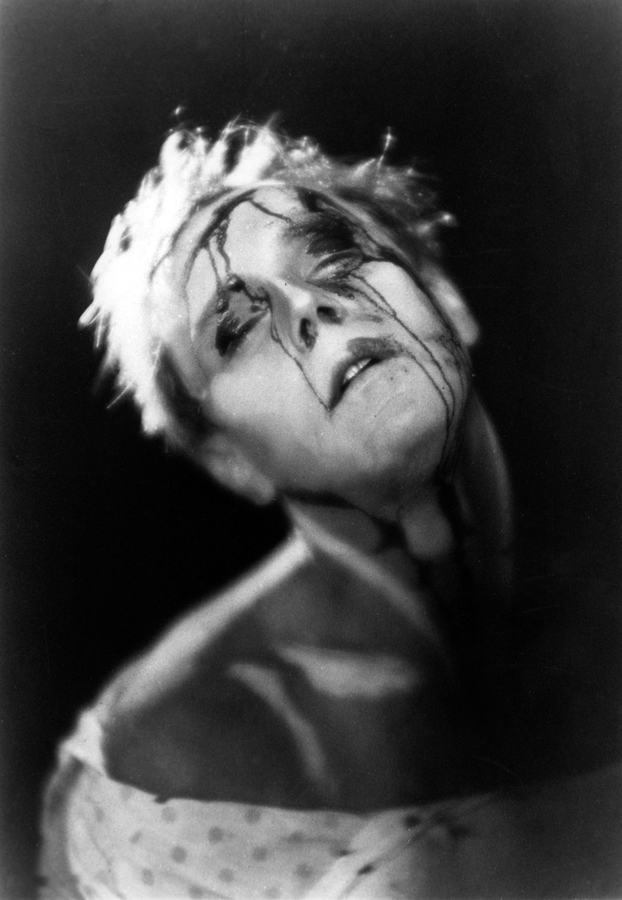
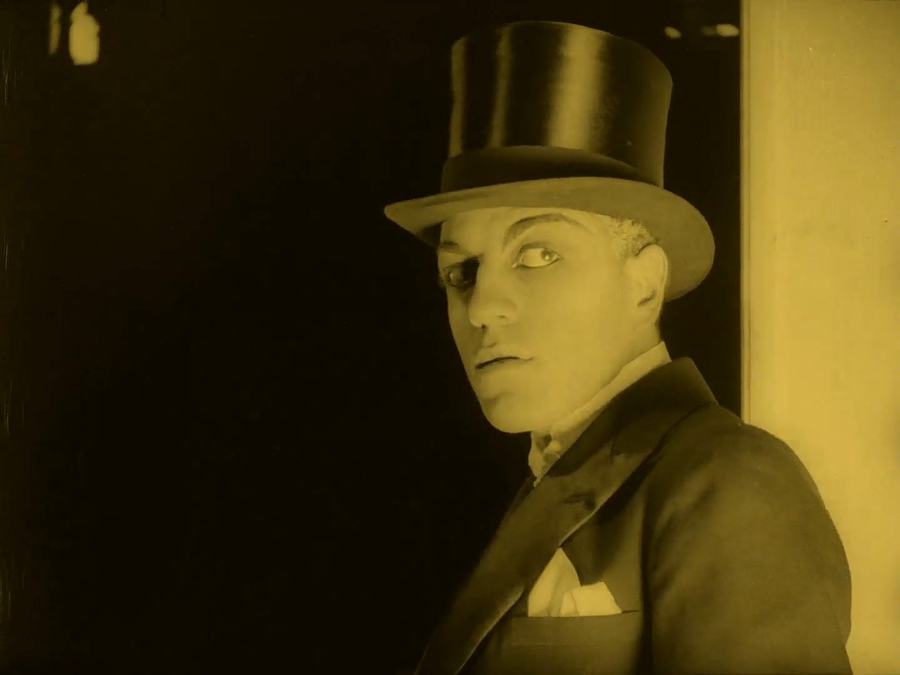
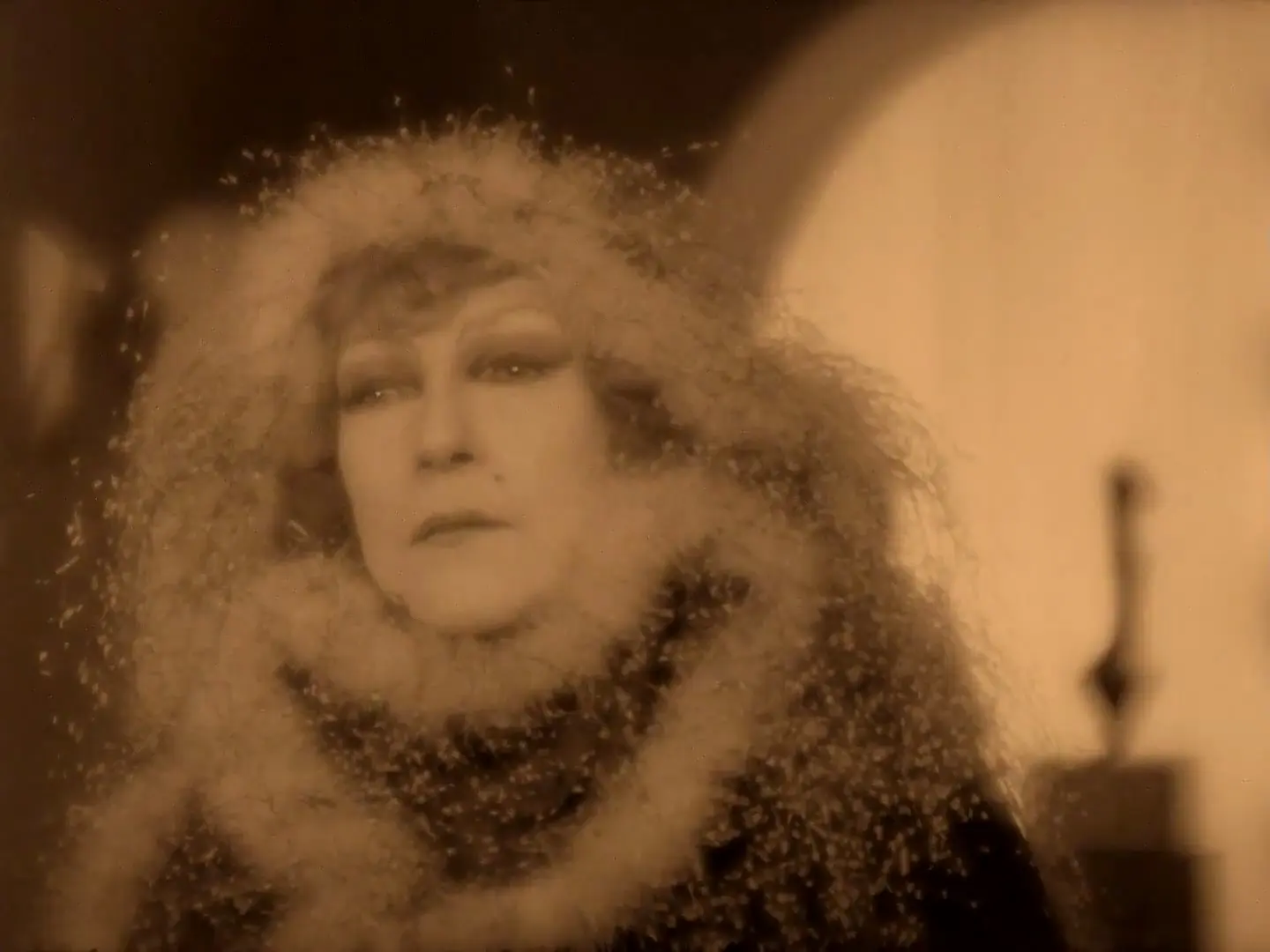
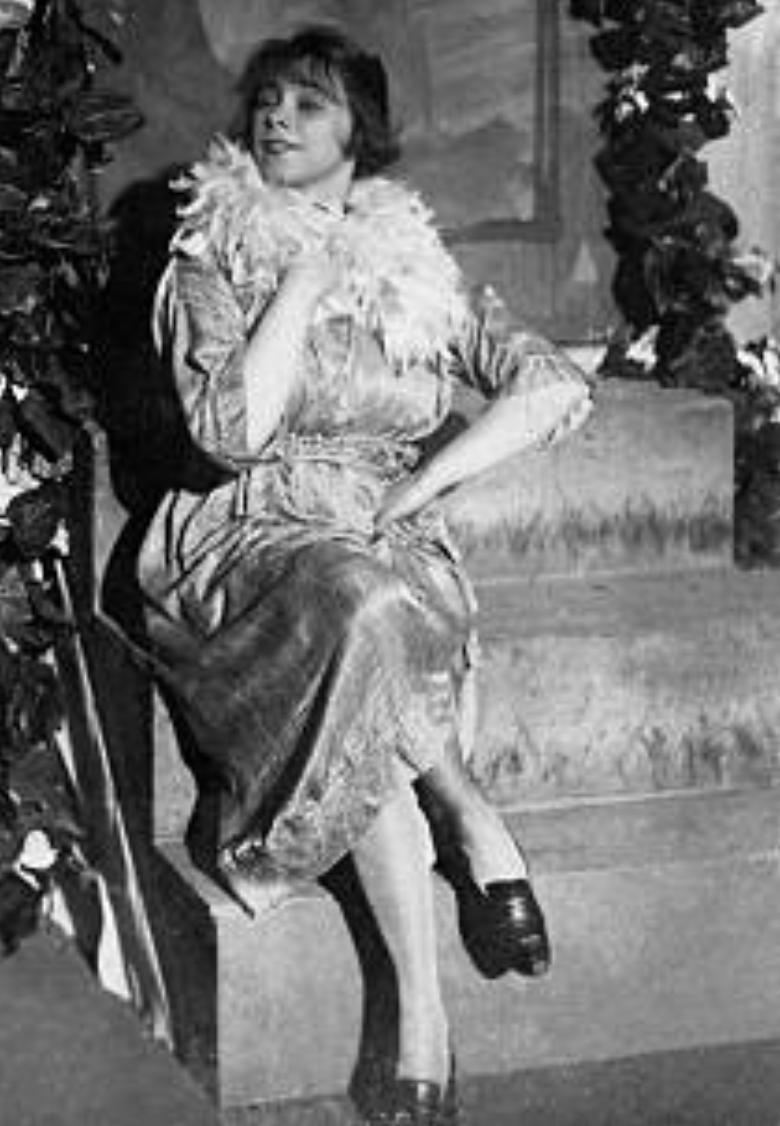
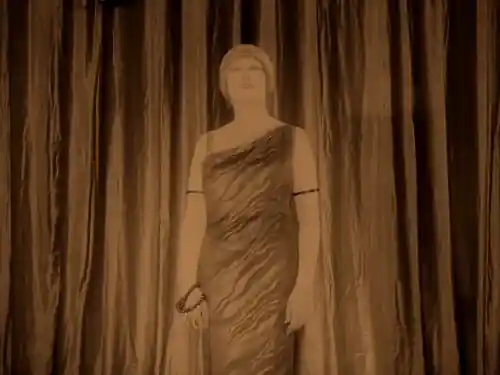
Claire Lescot is a famous first lady. All men want to be loved by her and among them is the young scientist Einar Norsen.
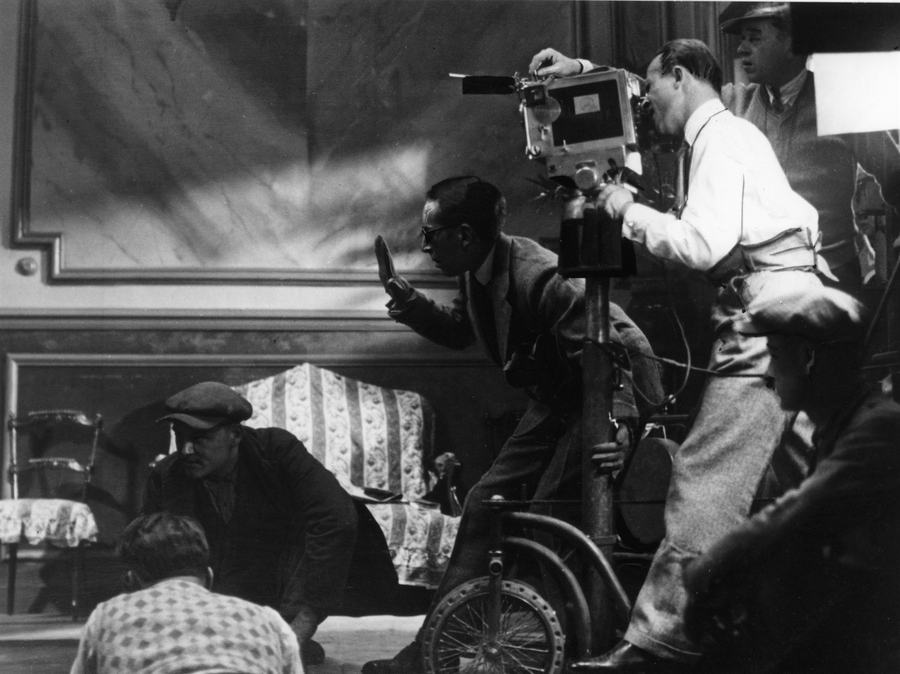
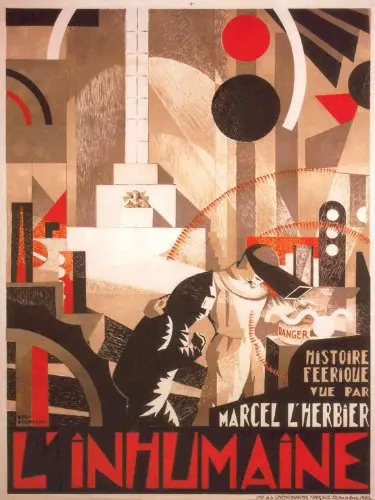
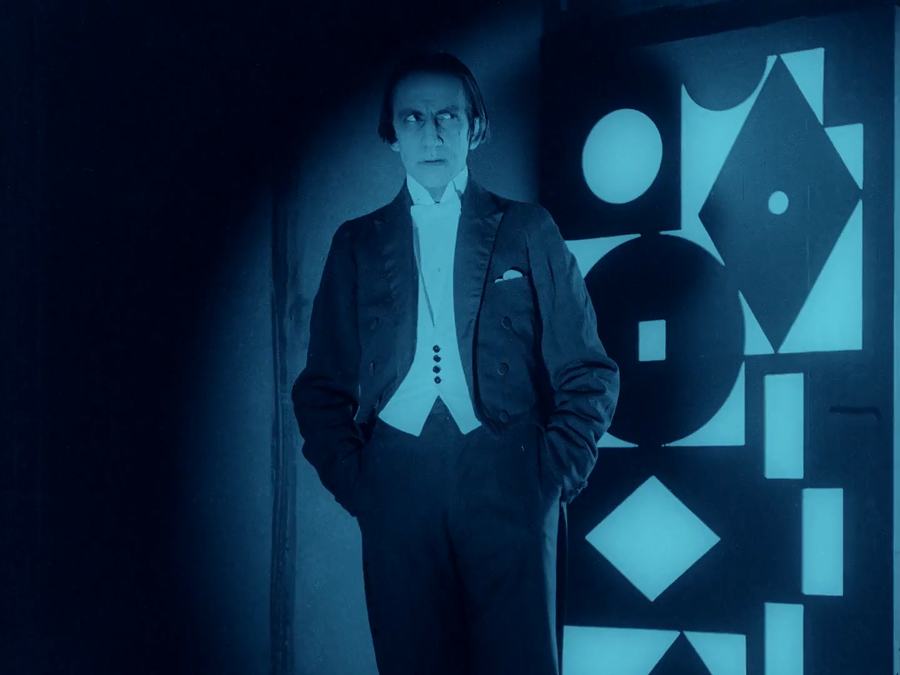
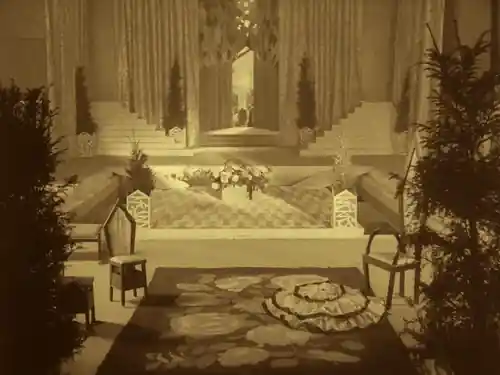
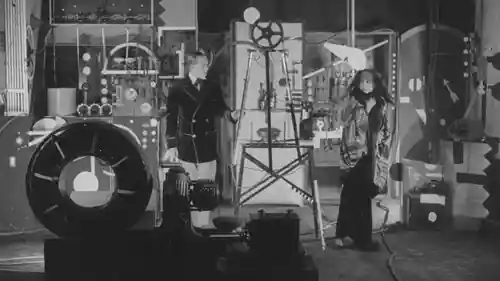
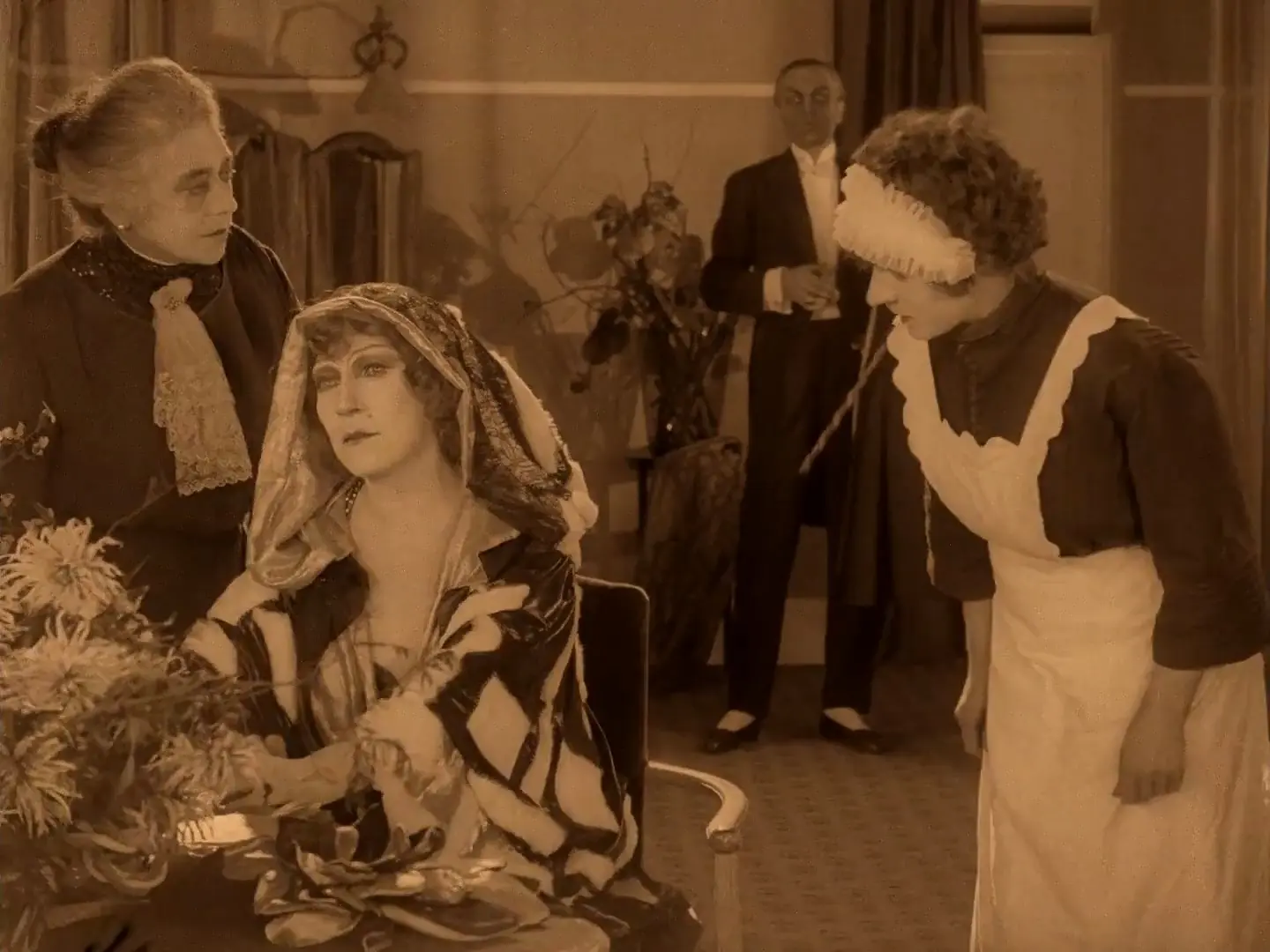
To approach L’inhumaine is to step into a cathedral of the 1920s zeitgeist, a sprawling, interdisciplinary project that seeks to synthesize every nascent movement of the European avant-garde into a singular, flickering experience. Directed by the cerebral Marcel L’Herbier, this 1924 opus is less a film and more a revol...

still_frame
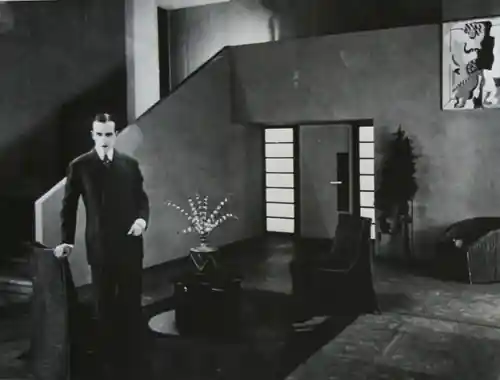
still_frame
still_frame
still_frame
still_frame
still_frame

still_frame
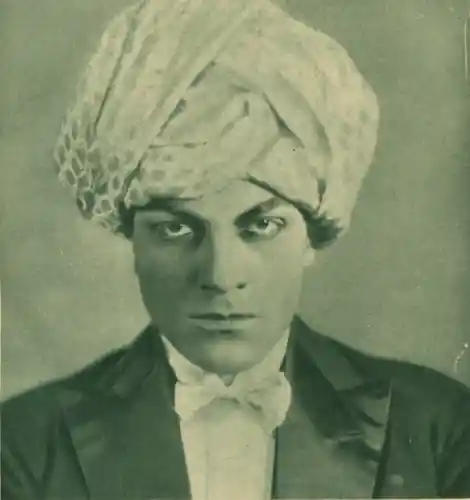
still_frame

Comparing the cinematic DNA and archive impact of two defining moments in cult history.
Marcel L'Herbier
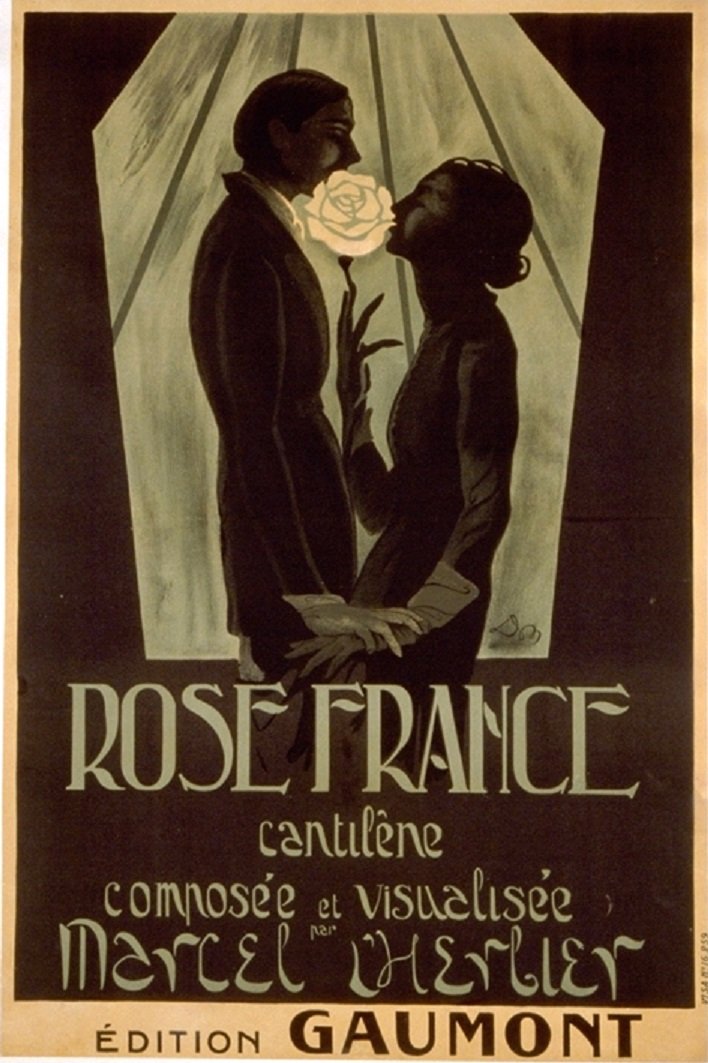
Marcel L'Herbier
Community
Log in to comment.
"To approach L’inhumaine is to step into a cathedral of the 1920s zeitgeist, a sprawling, interdisciplinary project that seeks to synthesize every nascent movement of the European avant-garde into a singular, flickering experience. Directed by the cerebral Marcel L’Herbier, this 1924 opus is less a film and more a revolutionary declaration. It is a work where the scenery breathes, the architecture emotes, and the editing rhythms mimic the pulse of a new, electrified century. While some might find..."
Pierre Mac Orlan, Marcel L'Herbier, Joris-Karl Huysmans, Georgette Leblanc
France