DbcultAccessing Vault...
6.8/10
Senior Film Conservator
A definitive 6.8/10 rating for a film that redefined the boundaries of cult cinema. The Fall of the House of Usher remains a cornerstone of transgressive art.
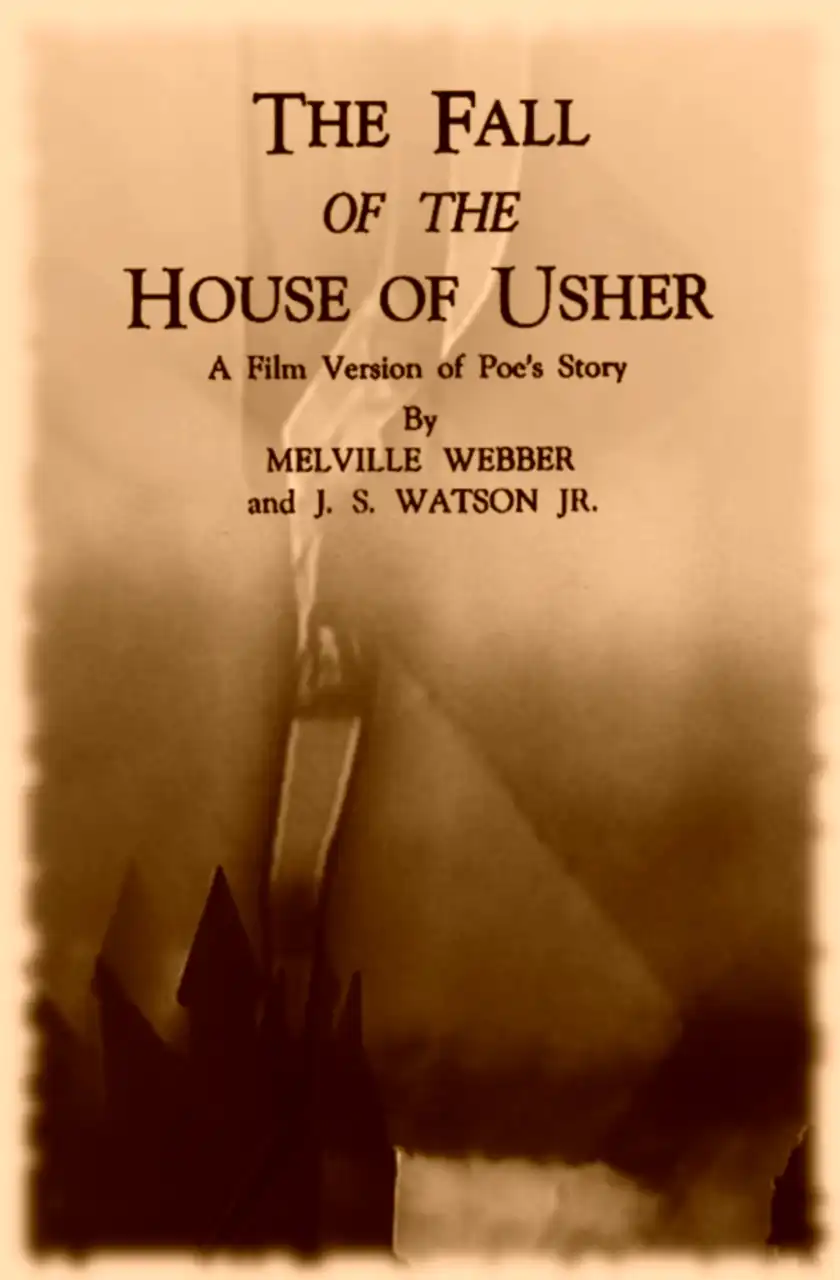
If you come to the 1928 version of The Fall of the House of Usher—the American short directed by James Sibley Watson and Melville Webber—expecting a coherent gothic melodrama, you will be disappointed. However, if you want to see what happens when the camera is treated like a paintbrush rather than a recording device, this is essential viewing. It is a film for those who appreciate the texture of film grain and the way a shadow can feel more threatening than a monster. It is decidedly not for anyone who needs a clear sequence of events or traditional character arcs.
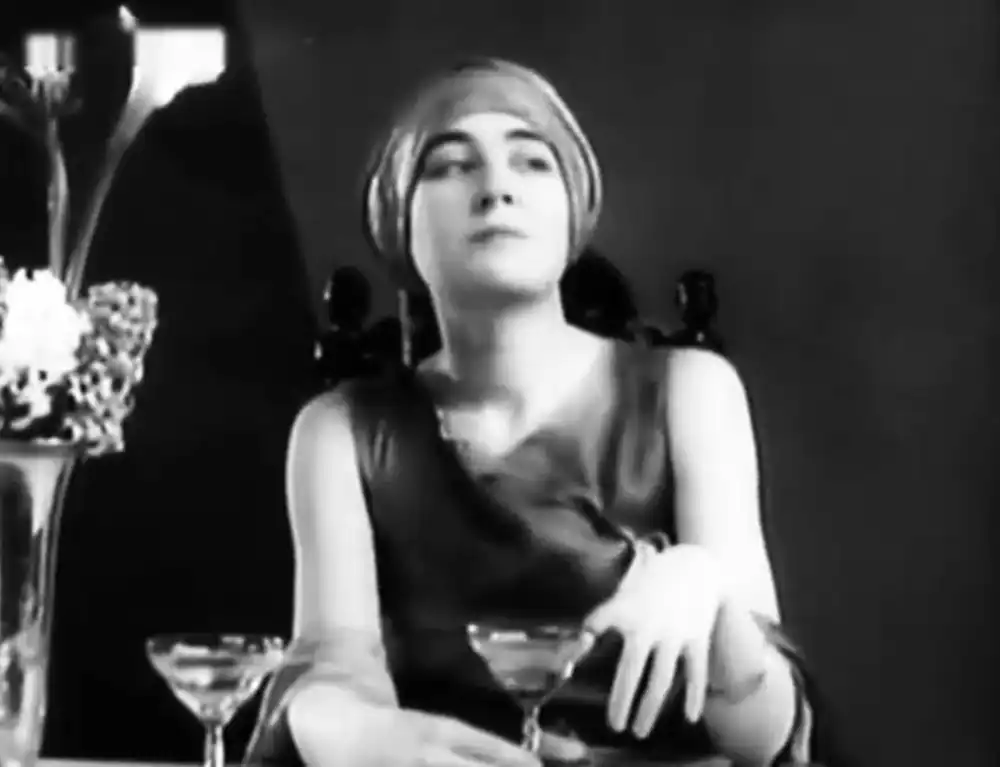
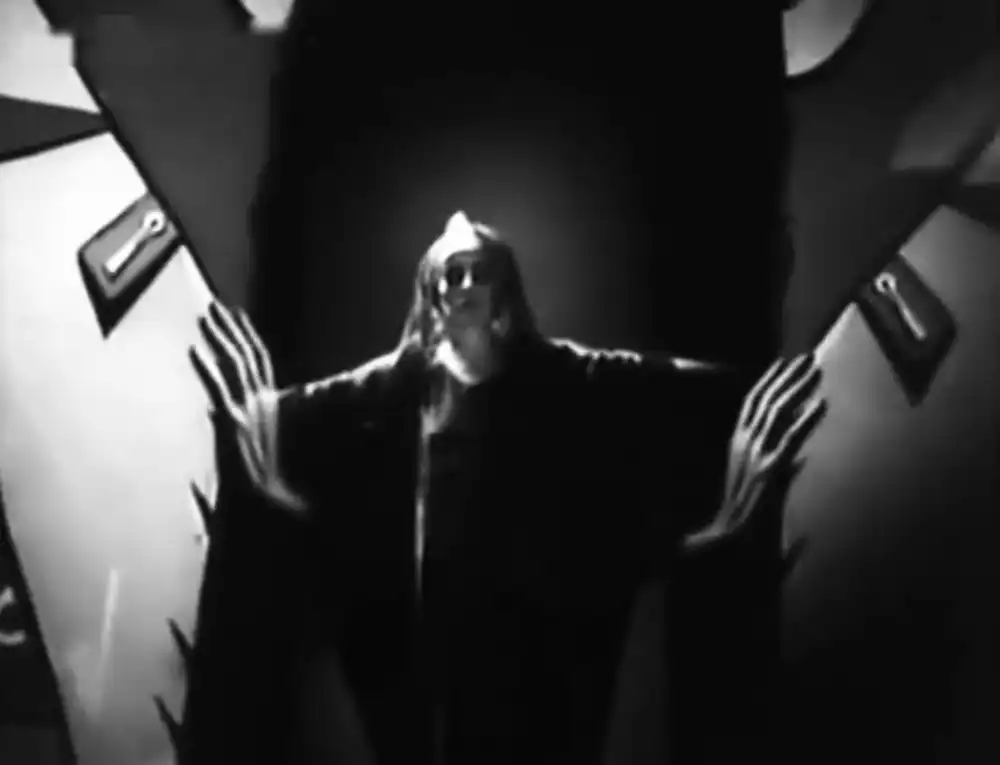
Most adaptations of Poe try to build a spooky atmosphere through set design and acting. Watson and Webber take a different route: they use the medium itself to simulate madness. The film is famous for its use of prisms and multiple exposures. In one of the most striking sequences, the visitor arrives at the house, but we don't see a house in the traditional sense. Instead, we see overlapping images of jagged architecture and staircases that seem to lead nowhere. The screen is often sliced into thirds or quarters, with different images playing in each section, creating a sense of total disorientation.
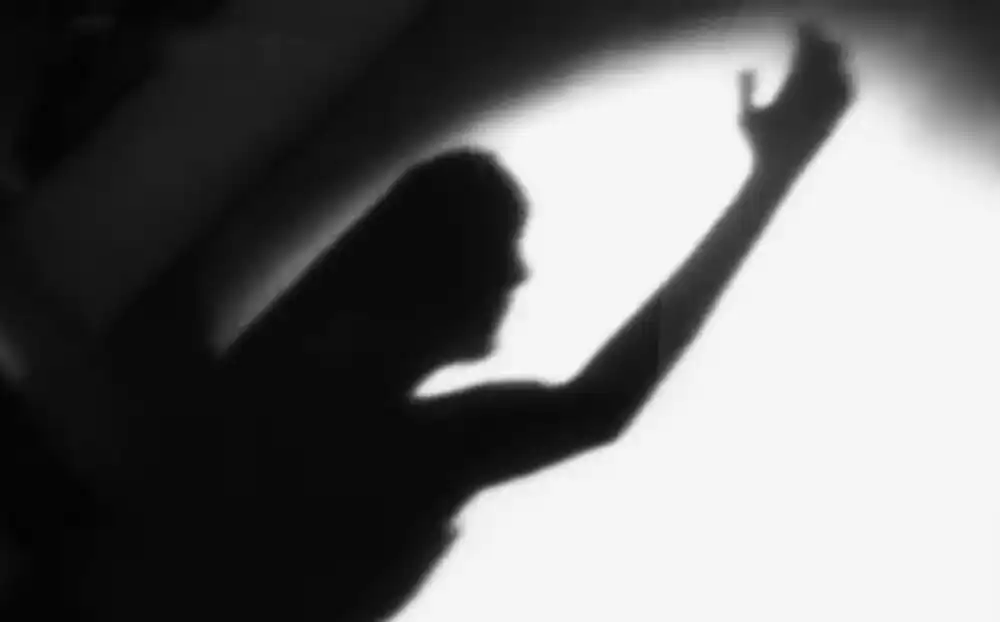
There is a specific moment where the text of the story actually floats across the screen, blending with the live-action footage. It’s not just a subtitle; the words become part of the architecture of the shot. It’s a clever way to acknowledge the source material while admitting that the film has no interest in being a "literary" adaptation in the conventional sense.
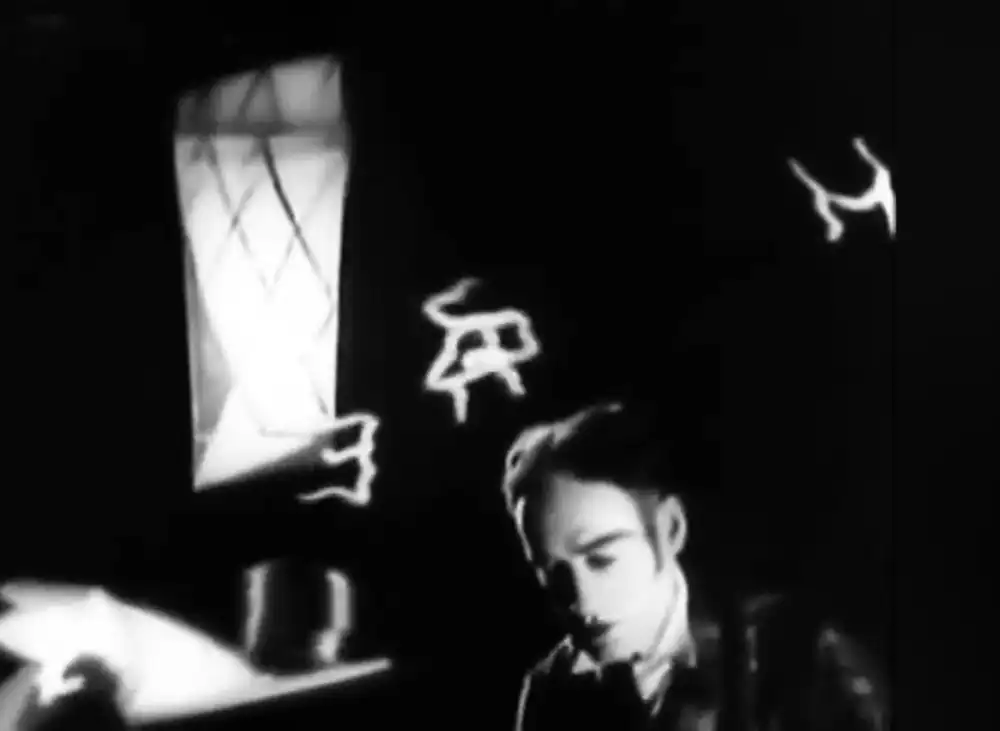
The actors—Herbert Stern as Roderick and Hildegarde Watson as Madeline—aren't really acting in the way we’d see in a contemporary narrative like The Snob. They are more like moving statues. Stern’s Roderick is a collection of wide-eyed stares and stiff, jerky movements. He feels less like a man and more like a ghost already inhabiting the ruins.
Madeline Usher is even more ethereal. Her presence is often signaled by shimmering light or blurred focus. When she is eventually placed in the coffin, the film focuses on the rhythmic, percussive nature of the burial. The way the hammer hits the nails is edited with a staccato rhythm that feels genuinely uncomfortable. It’s one of the few moments where the film slows down enough to let a single action resonate, and it’s more effective than any jump scare found in modern horror.
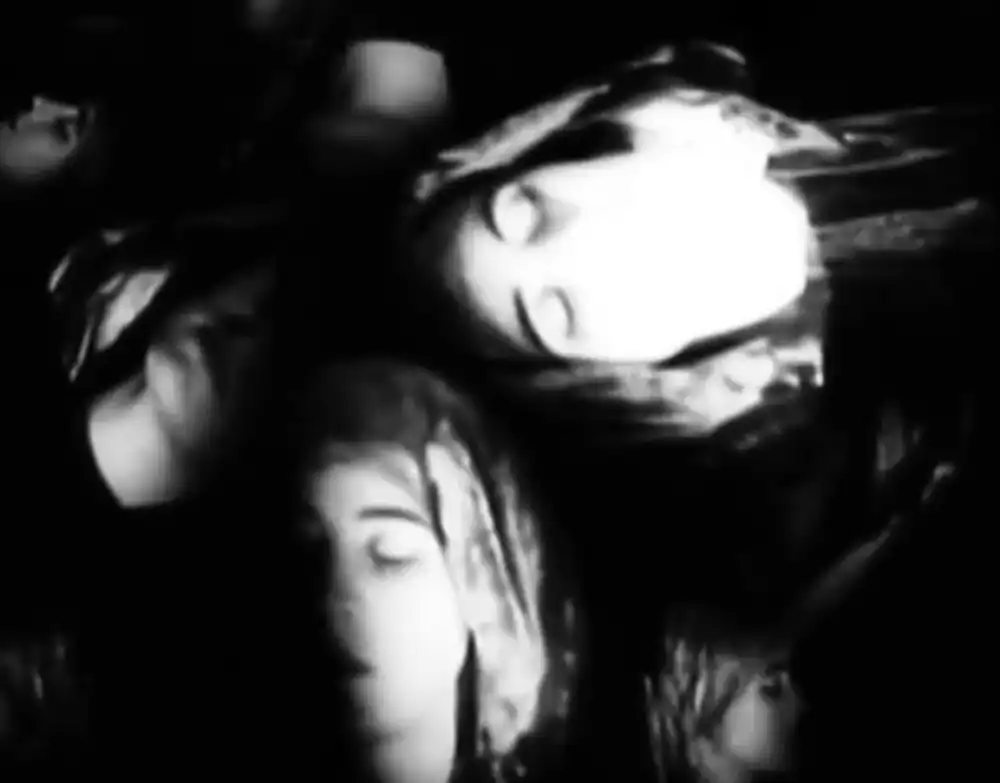
At only thirteen minutes, the film doesn't have time to drag, but it does have a strange, internal pulse. It moves in fits and starts. One moment you are watching a relatively clear shot of a character, and the next, the screen dissolves into a kaleidoscope of hands, faces, and drifting smoke. This isn't the slapstick physical precision of something like Buster Keaton's Hard Luck (1921); it’s a deliberate attempt to make the viewer feel like they are losing their grip on reality along with the characters.
The ending, involving the collapse of the house, is handled through abstract shapes and shifting light. It’s a bold choice. By refusing to show a literal house falling down, the directors make the destruction feel more psychological. It’s not just a building that’s ending; it’s a bloodline and a state of mind.
The lighting choices are where the film truly shines. Unlike the bright, instructional lighting found in educational films of the era like Wege zu Kraft und Schönheit, Usher embraces total darkness. The blacks are deep and ink-like, making the white faces of the actors pop with an almost ghoulish intensity. There are several shots where the camera seems to be looking through a glass of water or a distorted lens, bending the edges of the frame. It’s a lo-fi effect that feels more organic and unsettling than modern CGI.
The Fall of the House of Usher (1928) is a triumph of style over substance, but when the style is this evocative, that’s not a slight. It captures the "tottering of the mind" that Poe wrote about better than almost any other version because it doesn't try to explain it. It just shows it to you. If you have thirteen minutes and an interest in the history of avant-garde cinema, this is a mandatory watch. It’s a sharp, jagged little relic that proves you don't need a massive budget to create a lasting nightmare.
IMDb 7.1
1933
Community
Log in to comment.