DbcultAccessing Vault...
Cult Review
Senior Film Conservator
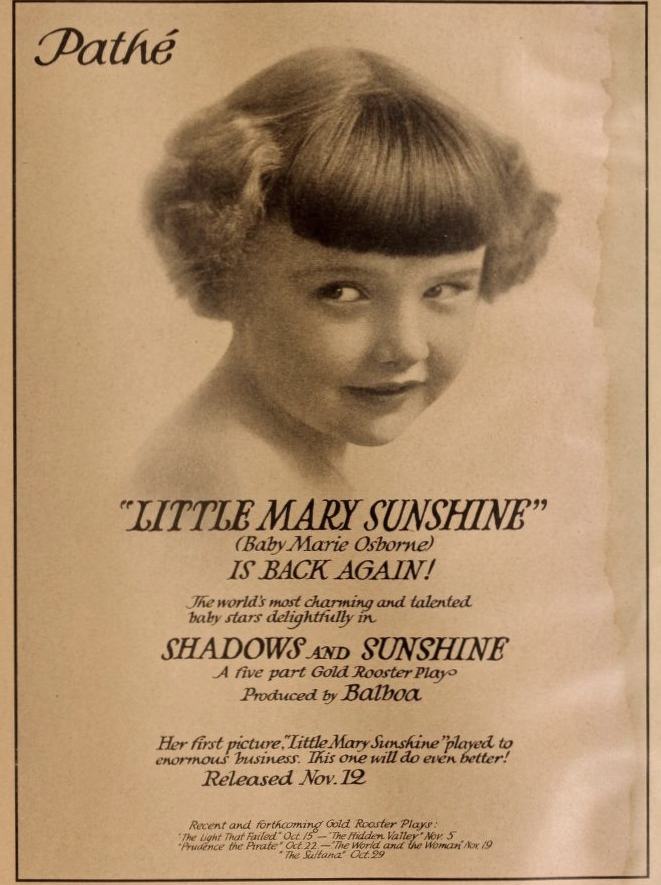
In the sprawling tapestry of early cinematic endeavors, where flickering images often spoke volumes more than any spoken word, there exists a particular kind of resonance in films that dared to grapple with the profound dichotomies of the human experience. 'Shadows and Sunshine' (1916) stands as a testament to this ambitious spirit, a silent melodrama that, even over a century later, manages to captivate with its earnest portrayal of life's inherent contrasts. This film, a product of an era perpetually experimenting with the nascent language of film, isn't merely a historical artifact; it's a deeply affecting exploration of resilience, despair, and the enduring human capacity for hope. It invites us to ponder the very nature of light and darkness, not just as visual motifs, but as fundamental components of the soul's landscape.
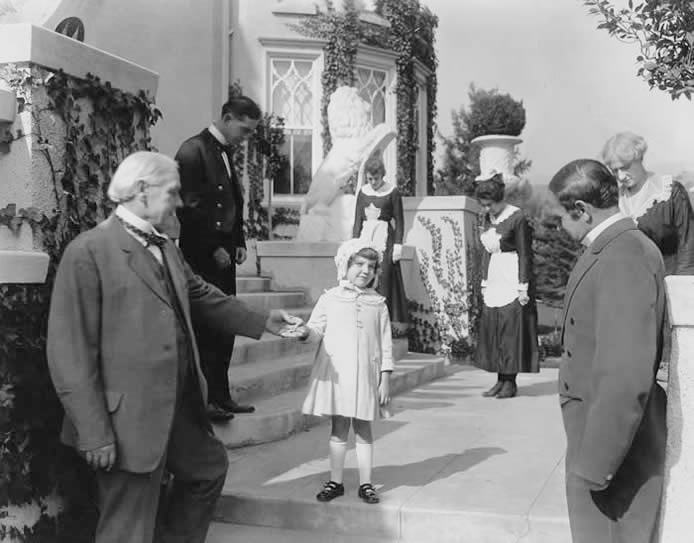
The narrative, an intricate tapestry woven from the threads of human frailty and indomitable spirit, centers on young Little Blossom, brought to life with an arresting innocence and heartbreaking vulnerability by Marie Osborne. Osborne, a child actor of extraordinary pathos, navigates a world steeped in the grimy reality of urban poverty, her bright eyes often reflecting a wisdom far beyond her tender years. She is an orphan, or perhaps merely abandoned, a solitary bloom struggling to survive in the harsh concrete jungle. Her plight is initially exacerbated by the seemingly unyielding demeanor of Mollie McConnell's Mrs. O'Malley, a character etched with such a formidable, almost granite-like exterior that her eventual thawing feels earned and profoundly moving. McConnell masterfully conveys the struggle of a woman hardened by life, whose gruffness serves as a protective shell against a world that has offered her little tenderness. Their early scenes together, marked by a tense friction that slowly gives way to a begrudging affection, are a masterclass in silent storytelling, relying on subtle gestures and the potent language of the eyes to communicate profound emotional shifts.
As Blossom's fragile existence unfolds, the film introduces us to Henry King's character, a young man whose own aspirations are constantly buffeted by the winds of societal expectation and personal obligation. King, a significant figure in early cinema, imbues his role with a compelling internal struggle, portraying a youthful idealism that yearns for a better world, yet is tethered to the pragmatic demands of survival. His burgeoning connection with Blossom, initially one of mentorship and protection, gradually deepens into a more complex bond, representing a potential beacon of 'sunshine' in her otherwise shadowed life. However, this nascent hope is threatened by the insidious machinations of Daniel Gilfether's antagonist, a character whose villainy is rendered with a chilling, understated menace. Gilfether avoids overt theatrics, instead opting for a more insidious portrayal of corruption and self-interest, making his character all the more effective in casting new 'shadows' over Blossom's precarious happiness. His presence introduces an element of genuine peril, highlighting the societal predators that prey on the vulnerable.
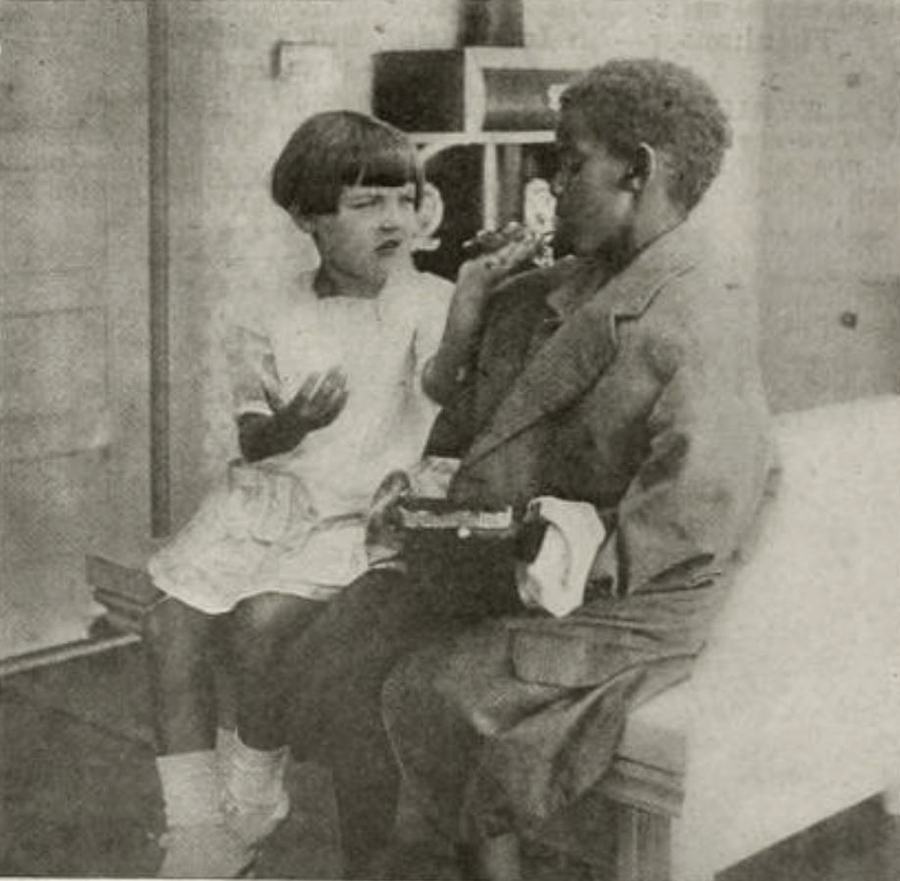
The strength of 'Shadows and Sunshine' lies not just in its compelling narrative, but in the remarkable performances of its ensemble cast, each contributing a vital thread to the film's emotional fabric. Lucy Payton, in a supporting role, provides a much-needed anchor of warmth and compassion. Her character, a quiet force of empathy, often serves as a moral compass, offering solace and guidance when Blossom's world threatens to crumble. Payton's subtle expressions and gentle demeanor are a stark contrast to the harsher realities depicted, providing moments of genuine emotional respite. Similarly, Leon Pardue, though perhaps less prominent, delivers a performance marked by an earnest sincerity. His character's actions, often small but significant, underscore the film's central theme: that even modest acts of kindness can illuminate the deepest shadows. The interplay between these characters creates a rich tapestry of human relationships, showcasing the intricate ways individuals influence and shape one another's destinies.
Even in smaller roles, the cast excels. R. Henry Grey, for instance, in a role that could easily fade into the background, manages to inject his character with a distinct personality, contributing to the lived-in feel of the film's world. The collective effort of this talented group elevates 'Shadows and Sunshine' beyond a mere melodrama, transforming it into a nuanced study of human resilience. The actors, deprived of dialogue, rely entirely on their physicality, their facial expressions, and the sheer force of their emotional commitment to convey complex feelings and motivations. This demanding art form, often underestimated, is here demonstrated with profound skill, allowing the audience to project their own understanding onto these wordless exchanges, making the experience deeply personal and immersive.
Beyond the captivating performances, the film's technical craftsmanship, particularly its use of cinematography, is instrumental in conveying its central themes. The very title, 'Shadows and Sunshine,' is a directive to the visual storytelling, and the filmmakers rise to the challenge with remarkable artistry. The stark contrasts between dimly lit, oppressive interiors and sun-drenched, hopeful exteriors are not merely aesthetic choices; they are integral to the narrative's emotional resonance. Scenes depicting Blossom's early struggles are often bathed in a chiaroscuro effect, with deep, engulfing shadows that visually mirror her despair and vulnerability. Conversely, moments of joy, discovery, or burgeoning hope are frequently presented under a warm, expansive 'sunshine,' symbolizing clarity, warmth, and possibility. This deliberate manipulation of light and shadow serves as a powerful metaphor for the fluctuating fortunes of the characters, guiding the audience's emotional journey with subtle yet profound visual cues.
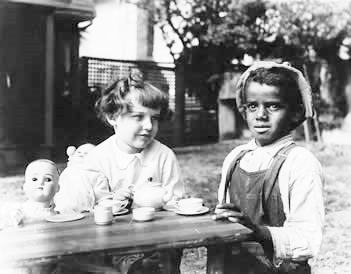
The set design, too, plays a crucial role in establishing the film's gritty realism. From the cramped, dilapidated tenements that house Blossom in her darkest hours to the slightly more refined, yet still humble, abodes that hint at potential betterment, every detail contributes to the sense of a tangible, lived-in world. Costumes, while perhaps not as elaborate as those seen in grander productions, are meticulously chosen to reflect the characters' socio-economic status and their inner states. Blossom's simple, often patched clothing, for instance, emphasizes her innocence and poverty, while the more severe attire of Mrs. O'Malley speaks volumes about her no-nonsense personality. The director, though uncredited in the prompt, clearly possessed a keen eye for detail and an intuitive understanding of how visual elements could amplify the emotional impact of the story, creating a cohesive and immersive cinematic experience that transcends its silent origins.
'Shadows and Sunshine' delves into a rich array of themes that remain perennially relevant. At its core, it is a powerful exploration of resilience in the face of adversity. Blossom's unwavering spirit, even when confronted with betrayal and despair, serves as a poignant reminder of the human capacity to endure and to find light amidst overwhelming darkness. The film also examines the complex interplay between social class and individual fate. The stark realities of poverty and the inherent vulnerability of those at the bottom of the societal ladder are depicted with an unflinching gaze, yet without resorting to overt didacticism. Instead, the narrative allows the audience to witness the profound impact of socio-economic circumstances on individual lives, fostering empathy rather than simply eliciting pity.
Furthermore, the film subtly explores the nature of good and evil, not as abstract forces, but as choices made by individuals. Daniel Gilfether's character embodies the corrupting influence of self-interest, while the acts of kindness from characters like Lucy Payton and Leon Pardue represent the redemptive power of compassion. The dichotomy isn't always clear-cut, however; Mrs. O'Malley's journey from gruffness to tenderness suggests that even those who appear hardened by life can harbor deep reservoirs of goodness. This nuanced portrayal of morality adds depth to the narrative, preventing it from devolving into simplistic black-and-white characterizations. The film, in essence, becomes a meditation on the human condition itself, acknowledging both the inherent darkness and the potential for radiant light within us all.
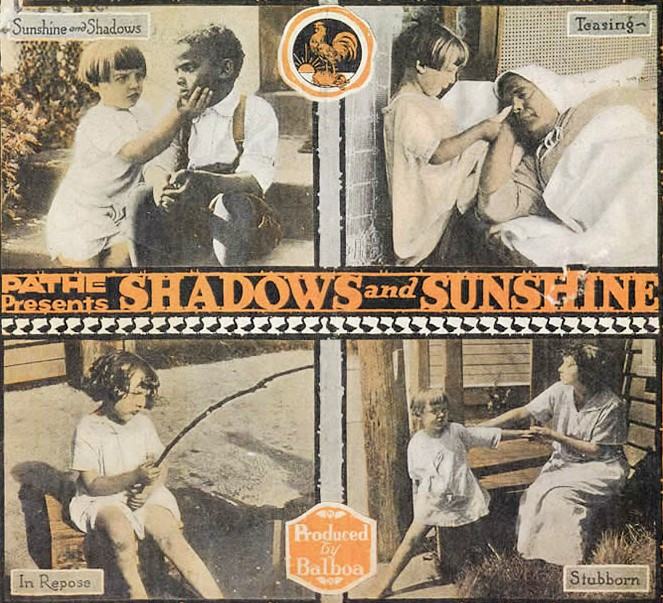
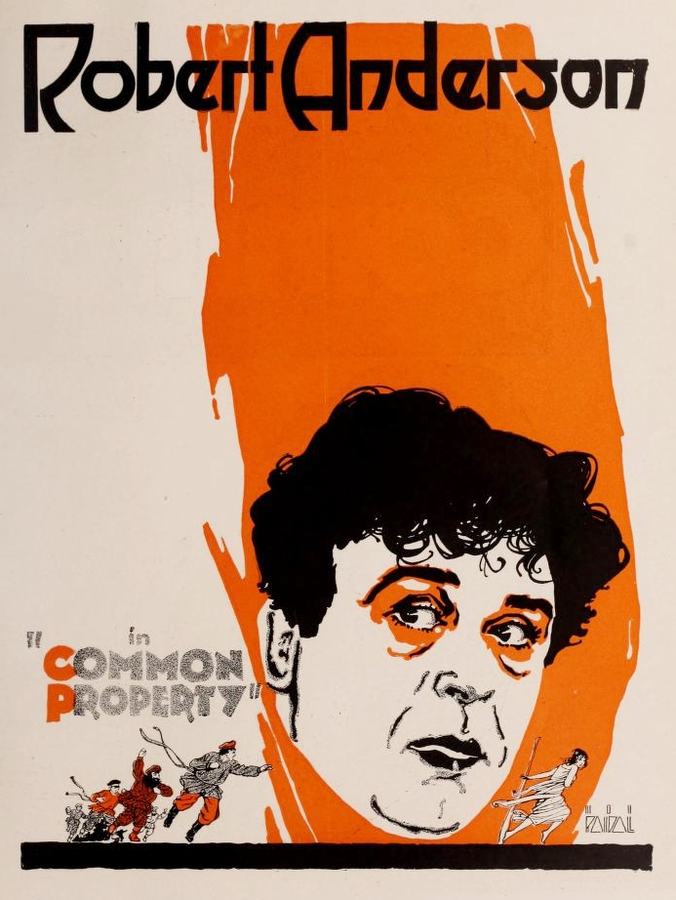
When viewed through the lens of its contemporaries, 'Shadows and Sunshine' carves out its own distinct niche. Its focus on a child protagonist grappling with societal hardship finds parallels in other films of the era that sought to evoke strong emotional responses. While it shares the melodramatic sensibilities of works like The Destroying Angel, which often explored themes of moral corruption and redemption, 'Shadows and Sunshine' distinguishes itself through its particular emphasis on the enduring spirit of childhood resilience. The innocence of Marie Osborne's Blossom provides a unique emotional core, making her struggles feel particularly poignant.
The complex character dynamics, particularly the transformation of Mollie McConnell's Mrs. O'Malley, might bring to mind the intricate psychological portrayals found in certain European films of the period, though perhaps less overtly gothic than a work like Malombra. Instead, the film grounds its emotional shifts in a more immediate, relatable social context. The exploration of poverty and its impact on family life also echoes themes found in dramas like Hungry Heart, though 'Shadows and Sunshine' often opts for a more optimistic, albeit hard-won, resolution, emphasizing the potential for societal redemption through individual acts of kindness.
In terms of directorial ambition and scope, it stands apart from the grand historical epics such as Pyotr Velikiy or the allegorical profundity of Skazka mira. Instead, its power lies in its intimate focus, its ability to magnify the struggles of ordinary people. The film's narrative structure, moving from despair to eventual hope, shares common ground with films like Triumph, which similarly chart a protagonist's journey through adversity to a final, uplifting resolution. However, 'Shadows and Sunshine' imbues its triumph with a quieter, more personal resonance, making the victory feel deeply earned rather than simply bestowed.
The film's portrayal of female agency and perseverance, particularly through Blossom's journey, aligns it with other dramas that highlighted women's roles in challenging circumstances, though perhaps with a less overt social critique than To-Day. It focuses more on the internal strength required to navigate a difficult world. The manipulative elements introduced by Daniel Gilfether's character could draw comparisons to the psychological tension found in films like Trilby (1915), where external forces exert a profound control over a vulnerable protagonist, though 'Shadows and Sunshine' ultimately emphasizes the protagonist's ability to break free from such influences. Even in the more nuanced character studies, such as those found in Madame d' Ora, the focus is often on an internal transformation or societal critique, whereas 'Shadows and Sunshine' blends the personal with a broader commentary on resilience.
Furthermore, the film's exploration of moral ambiguity and the choices individuals make under pressure, as seen in Henry King's character, resonates with the thematic complexity of films like Half a Rogue, which dared to present characters that defied simple categorization. While 'Shadows and Sunshine' retains a more traditional moral framework for its central conflict, it allows for shades of grey in the motivations and transformations of its supporting cast. The pursuit of justice or escape from difficult circumstances, as seen in The Fugitive, is here transformed into a more metaphorical escape from the 'shadows' of one's past or present, towards the 'sunshine' of a better future. Ultimately, 'Shadows and Sunshine' stands as a compelling example of early cinema's capacity for emotional depth and thematic richness, a quiet triumph in an era of rapid artistic evolution.
The enduring appeal of 'Shadows and Sunshine' lies in its universal themes and its masterful execution. It is a film that speaks to the timeless human desire for connection, for belonging, and for the hope that even after the darkest night, dawn will inevitably break. The performances, particularly from Marie Osborne and Mollie McConnell, transcend the limitations of silent cinema, conveying emotions that resonate deeply with contemporary audiences. The visual storytelling, with its intelligent use of light and shadow, remains remarkably effective, a testament to the fundamental principles of cinematic artistry that were being forged during this period.
In an age saturated with sound and elaborate special effects, there is a profound beauty in the simplicity and emotional directness of 'Shadows and Sunshine.' It reminds us that the most powerful stories are often those that explore the intricate landscape of the human heart, its capacity for both profound despair and boundless hope. This film is more than just a historical curiosity; it is a vibrant, living piece of cinematic history that continues to cast its warm, hopeful glow on those willing to look beyond the silence and embrace its timeless message. It is a testament to the fact that true artistry, regardless of its era, possesses an inherent ability to transcend time and speak directly to the soul.
IMDb 5.4
1929
Community
Log in to comment.