DbcultAccessing Vault...
Cult Review
Senior Film Conservator
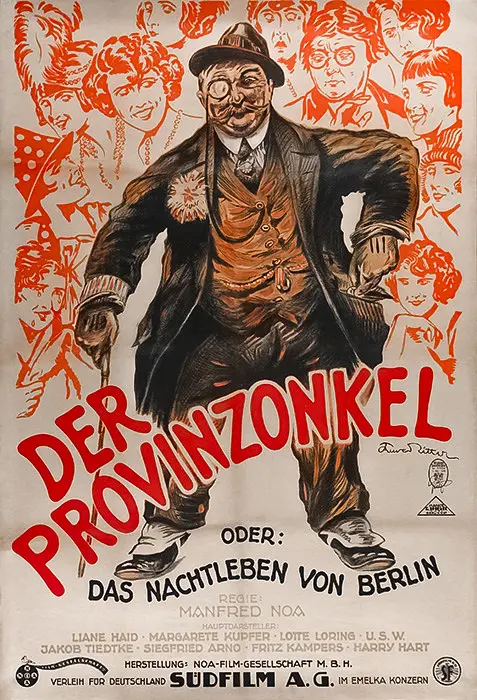
So, is Der Provinzonkel worth watching today? Short answer: yes, but with significant caveats. This silent-era German comedy, for all its antiquated charm and historical significance, is not a film for everyone. It’s a fascinating glimpse into a bygone cinematic style, brimming with the expressive performances and societal observations that defined its era, yet it demands a certain patience and appreciation for the medium’s early conventions.
This film is best suited for dedicated cinephiles, silent film enthusiasts, and those with a keen interest in German cultural history of the 1920s. If you’re accustomed to modern pacing, intricate dialogue, or CGI spectacles, Der Provinzonkel will likely test your endurance and may not offer the immediate gratification you seek. Consider it an archaeological dig into cinema’s foundations, rather than a polished contemporary experience.
At its core, Der Provinzonkel is a delightful, if somewhat predictable, fish-out-of-water narrative, elevated by the sheer theatricality of its performers. Jakob Tiedtke, in the titular role of Uncle Theobald, delivers a performance that oscillates between endearing naiveté and stubborn adherence to his provincial worldview. His arrival in the bustling metropolis, a character in itself, sets the stage for a clash of epochs.
The film’s central conflict isn't merely comedic; it’s a sly commentary on the burgeoning modernity of Weimar Germany. The nieces, Lotte and Liesl, embody the 'new woman' archetype – independent, socially adept, and unafraid of challenging traditional strictures. Their romantic choices, one pragmatic and the other passionate, mirror the societal shifts, providing a rich, albeit often exaggerated, canvas for Theobald’s bewildered reactions.
The narrative, penned by Margarete-Maria Langen and Lothar Knud Frederik, navigates these generational and geographical divides with a light touch, preferring broad strokes of humor over deep psychological exploration. The misadventures that befall Theobald – from inadvertently funding a struggling artist to misunderstanding urban social cues – serve as a series of well-constructed vignettes designed to elicit laughter, but also to subtly highlight the growing chasm between rural tradition and metropolitan progressivism.
This film works because of its charming, committed performances that fully embrace the silent film idiom.
This film fails because its pacing can feel sluggish to modern eyes, and its narrative, while pleasant, rarely ventures into truly surprising territory.
You should watch it if you appreciate the historical context of silent cinema and the expressive power of early screen acting.
The strength of Der Provinzonkel lies almost entirely in its ensemble cast, a veritable who’s who of German silent film talent. Without the crutch of dialogue, every gesture, every facial contortion, every carefully choreographed movement becomes paramount. And here, the film largely succeeds.
Jakob Tiedtke, as Theobald, is a revelation. His physical comedy is precise, yet never overbearing. Watch for the scene where he attempts to navigate a crowded city street, his wide-eyed bewilderment and hesitant steps painting a vivid picture of a man utterly out of his element. It’s a masterclass in non-verbal communication, reminiscent of the great character actors of the era, bringing a genuine warmth to a potentially caricatured role.
Margarete Kupfer, as Frau Doktor, provides a formidable counterpoint. Her presence alone commands attention. She embodies the sharp-witted, slightly cynical urbanite, her raised eyebrow or dismissive wave speaking volumes more than any intertitle could. Her scenes with Tiedtke are particularly engaging, a delightful sparring match between two titans of silent screen acting. She doesn't just act; she *observes*, and her observations become part of the narrative commentary.
Liane Haid and Lotte Lorring, as the nieces, bring youthful energy and contrasting portrayals of modern womanhood. Haid, with her ethereal beauty, often conveys the more romantic and idealistic side, while Lorring grounds her character with a pragmatic, almost calculating edge. Their interactions, especially in scenes discussing their romantic prospects, highlight the societal pressures and evolving expectations placed upon women of the period. Sig Arno, as the struggling artist, channels the bohemian archetype with a blend of charm and desperation, his grand gestures and dramatic pronouncements perfectly suited to the silent medium.
The supporting cast, including Harry Hardt and Fritz Kampers, fills out the urban landscape with memorable, if brief, turns. Hardt’s portrayal of the wealthy suitor is suitably pompous, providing an excellent foil for Arno’s artistic angst. Kampers, though less prominent, adds to the tapestry of city life, embodying the kind of character you’d expect to encounter in a bustling Berlin café.
The raw, unadulterated expressiveness required for silent film acting is on full display. It’s a style that modern audiences might find exaggerated, but within its context, it’s utterly compelling. Each actor commits fully to their archetypes, transforming simple plot points into emotionally resonant moments through sheer physicality and facial nuance.
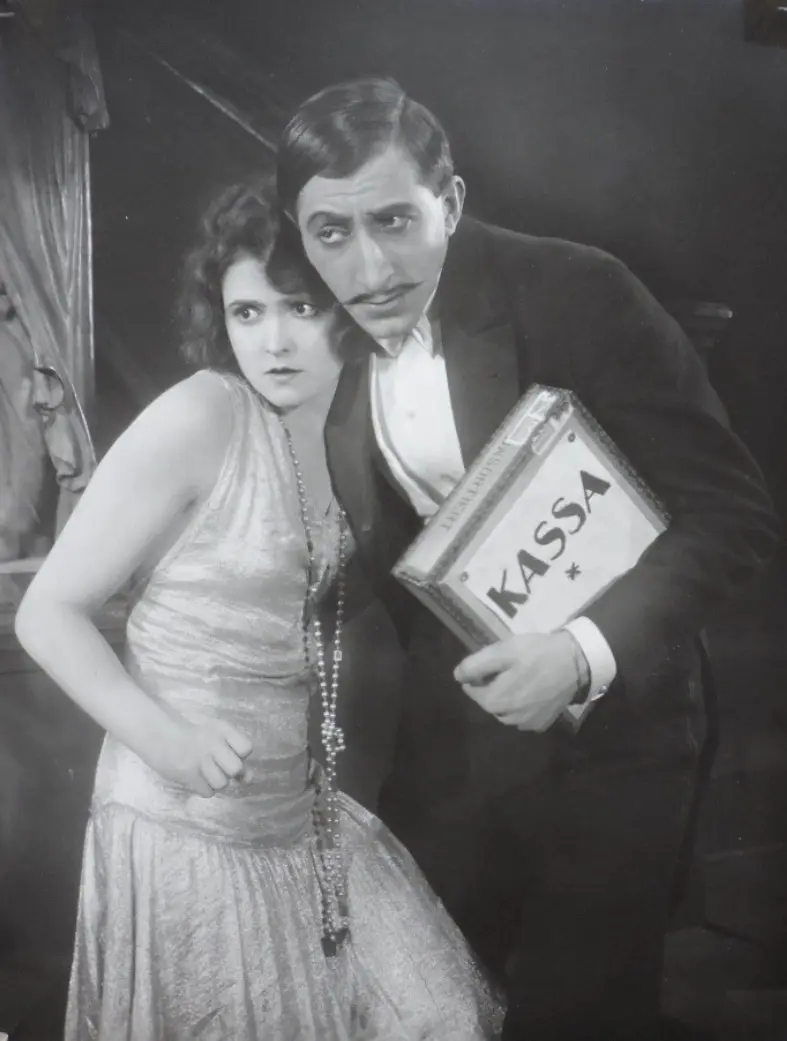
The direction in Der Provinzonkel, while not groundbreaking by today’s standards, is effective and showcases the prevailing techniques of its time. The filmmakers make judicious use of intertitles, not just to convey dialogue, but often to inject narrative voice or thematic commentary, guiding the audience through the story’s comedic turns.
Cinematographically, the film leans heavily on established silent film conventions. Expect mostly static shots, often framing characters in medium or full shots to allow their physical performances to take center stage. There are moments, however, where the camera subtly hints at more sophisticated techniques.
For example, a sequence depicting Uncle Theobald’s disorientation in a busy market square utilizes quick cuts and slightly Dutch angles to convey his confusion, a nascent form of expressive editing that would later be perfected by filmmakers like F.W. Murnau in The Last Laugh. The use of light and shadow, while not as dramatic as German Expressionist works like The White Desert, effectively distinguishes between the warmth of the provincial home and the sharper, often harsher, realities of the city. The cityscapes themselves are often rendered with a blend of documentary-style realism and theatrical artifice, reflecting the era's fascination with urban development.
The set design, particularly the contrast between Theobald’s cluttered, traditional home and the nieces’ sleeker, more modern apartment, is a silent character in itself, reinforcing the film’s central thematic clash. The costumes, too, are meticulously chosen to define character and social standing, from Theobald’s slightly ill-fitting suits to the nieces’ chic, flapper-esque attire.
The pacing of Der Provinzonkel is undeniably a product of its time. Modern viewers, accustomed to rapid-fire editing and constant narrative propulsion, might find its rhythm deliberate, even slow. However, this measured pace allows the comedic set pieces to breathe, giving the audience time to absorb the visual gags and the nuances of the actors’ performances.
The film oscillates between broad physical comedy and moments of gentle melodrama. The comedic elements often involve mistaken identities, social gaffes, and the general absurdity of Theobald’s attempts to fit in. These are punctuated by more tender scenes exploring the nieces' romantic dilemmas and Theobald's underlying good intentions, despite his provincialism.
One particularly effective comedic sequence involves Theobald attempting to use a modern telephone for the first time, his exaggerated gestures of confusion and frustration resonating with anyone who has grappled with new technology. This particular scene, while simple, showcases the film's ability to extract humor from everyday situations, a hallmark of good comedic writing regardless of the era.
The tone is consistently light-hearted, even when touching upon themes of financial struggle or societal judgment. The film never delves into true darkness, preferring to maintain a buoyant, optimistic outlook that ultimately resolves its conflicts with a sense of reconciliation and mutual understanding. This tonal consistency is one of its quiet strengths, ensuring an enjoyable, if not profound, viewing experience.
Absolutely, but with the right mindset. Der Provinzonkel is more than just a historical artifact; it's a testament to the enduring power of silent storytelling. It offers a unique window into the social anxieties and cultural shifts of early 20th-century Germany, wrapped in a package of charming performances and gentle humor.
However, it demands an active engagement from the viewer. You need to be willing to interpret the facial expressions, read the intertitles, and appreciate the artistry of a medium that relied on visual storytelling above all else. If you approach it as a historical document that still manages to entertain, you’ll find much to enjoy.
For those interested in the evolution of comedy, or the development of character archetypes in film, it’s an invaluable watch. It’s also a refreshing change of pace from the sensory overload of contemporary cinema, offering a quieter, more reflective viewing experience. It works. But it’s flawed.
Der Provinzonkel is a delightful, if somewhat niche, viewing experience that will appeal most strongly to those with an existing affection for silent cinema. It’s a film that earns its place in the annals of German cinematic history not through revolutionary technique, but through its honest portrayal of human foibles and its stellar ensemble performances. It's not going to change your life, nor is it a forgotten The Star Rover in terms of dramatic impact, but it offers a gentle, often hilarious, escape into a past era.
The film’s greatest legacy might be its ability to transport viewers back to a time when storytelling relied on the sheer talent of performers and the ingenuity of visual communication. It serves as a valuable reminder that laughter, misunderstanding, and the timeless clash between tradition and modernity are universal themes, regardless of whether they are conveyed through spoken words or exaggerated gestures.
Ultimately, Der Provinzonkel is a charming, if imperfect, piece of cinematic heritage. Give it a chance if you’re prepared to meet it on its own terms; you might just find yourself unexpectedly charmed by this provincial uncle’s urban adventure. It's a film that deserves to be seen, not just preserved.
IMDb 5.6
1933
Community
Log in to comment.