Summary
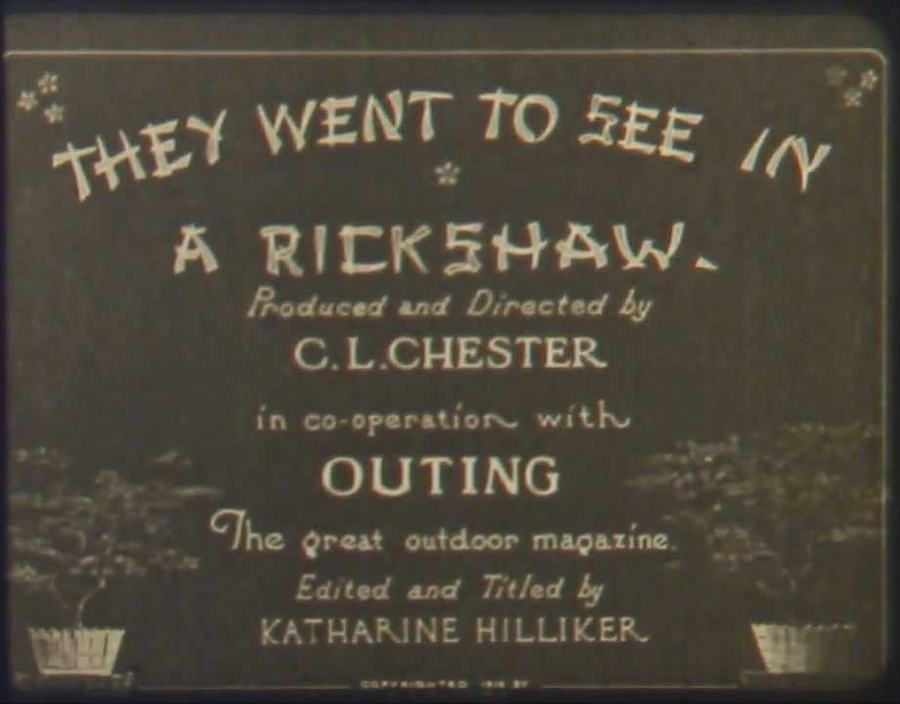
A lone hand-cranked 16 mm camera rides the back of a rickety jinrikisha through the lacquered humidity of a pre-war Japanese summer, harvesting shards of street life as if they were fireflies in a mason jar: a Noh actor tightening his hannya mask behind the cedar colonnade of a Kyoto shrine, Hiroshima paper-makers plunging mulberry pulp into vats that glimmer like liquid moonlight, pearl divers off the Ise coast whose breath hangs silver in the dawn, miso merchants stacking casks whose brass hoops sing under the hammer, Tokyo café girls in linen sailor collars practicing the Charleston on a tatami that still smells of last night’s tatami-bug spray, Shinto priests sketching kanji on cedar plaques while freight trains clatter below the torii like iron dragons, Osaka knife-grinders pushing pedal wheels that throw constellations of sparks onto wet cobblestones, Aomori rice-straw weavers braiding thousand-year knots for the Nebuta floats that will soon be set ablaze, Kagoshima sugarcane farmers chewing stalks while radios hiss the first bars of jazz smuggled in from Yokohama piers, Kanazawa lacquer artisans breathing through cloth masks as they rub urushi until it glows like a black mirror swallowing sunset. The rickshaw never stops; its passenger is invisible, perhaps the camera itself, perhaps the ghost of a woman who once went to see the world and now only sees through the shutter’s flutter. Each frame is a monotype: the emulsion cracked, the sprockets warped, the colors bled to bruise-blue and sulfur-yellow, yet every imperfection breathes. Children stare straight into the lens with the solemnity of elders; elders grin like truant schoolboys. Time folds like an origami crane: a 1923 Tokyo street suddenly becomes a 1932 Osaka market without a cut, the same boy now taller, the same woman now gone. The film ends where it began—rickshaw wheel spinning in a puddle that reflects the sky, a sky now empty of bombers that will arrive a decade later. No narrator, no intertitles, only the creak of wood and the metronome drip of rain from eaves. What remains is not a record but a reverie: Japan as a trembling lantern of gestures, textures, appetites, and lullabies, all about to be extinguished and re-lit in the cyclical bonfire of history.
Documentary featuring footage of life and customs in Japan.
Review Excerpt
"
The first thing that strikes you is the smell—not onscreen, but in your own memory: camphor and tatami, diesel and soy, the incense of cedar that clings to every frame of She Went to See in a Rickshaw as stubbornly as the magenta mildew eating the nitrate. Restored in 4K from a single surviving print discovered inside a miso barrel in Shodoshima, this wordless 61-minute documentary glides through inter-war Japan like a dragonfly skimming a pond, never landing long enough to explain itself, yet ..."