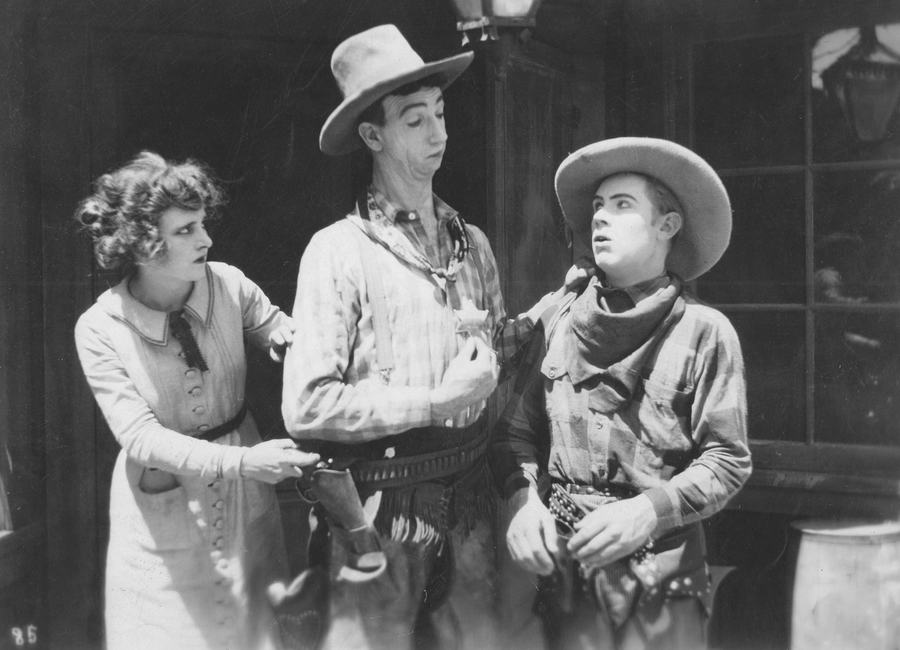
Johnny secures a job at a grocery store with the help of Brownie, who tries valiantly to cover up his young master's many mistakes..
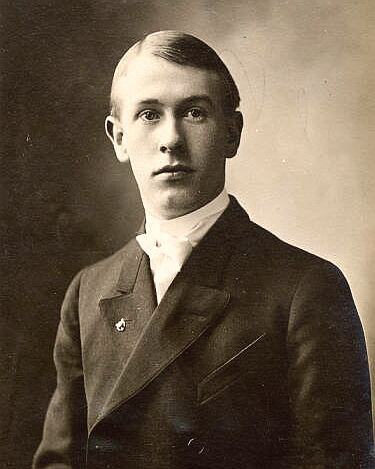
Alfred J. Goulding
United States
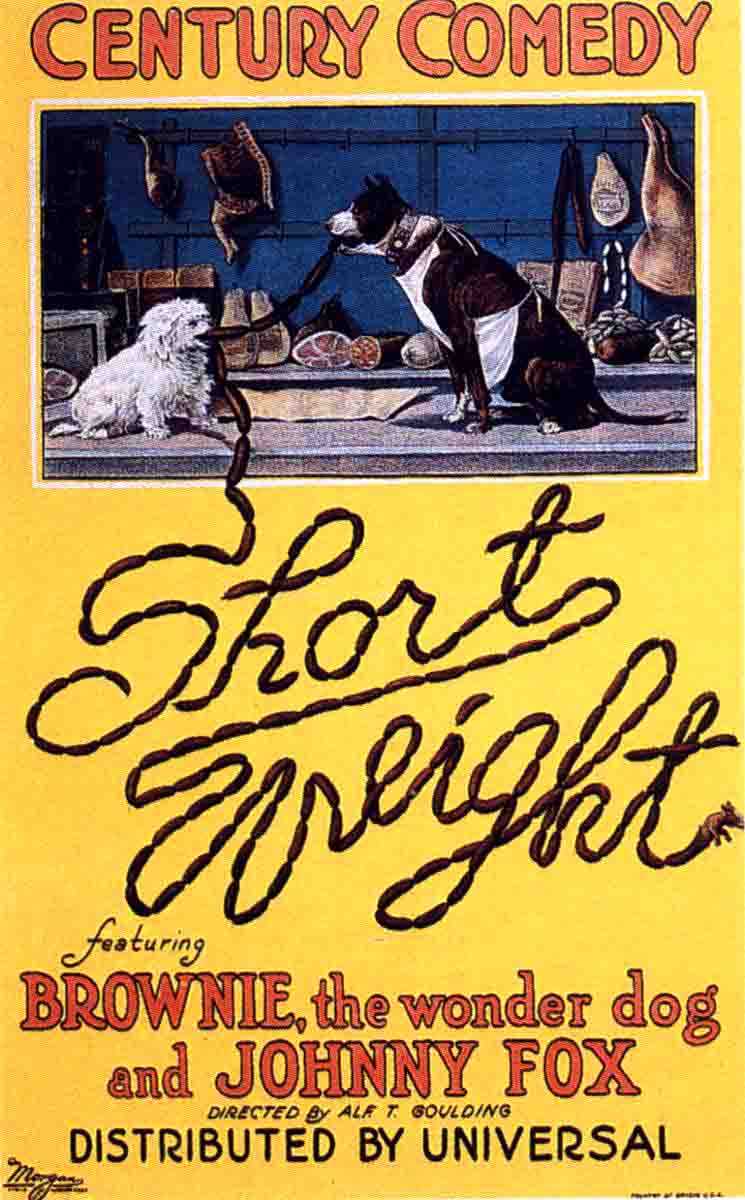
Imagine, if you will, a world where the clatter of a tin can ricochets like a bullet through cathedral-high aisles of crackers and condensed milk. That world is Short Weight, a one-reel miracle that Alfred J. Goulding stitched together in 1922, when most studios were still fumbling with the grammar of visual comedy. ...

Comparing the cinematic DNA and archive impact of two defining moments in cult history.
Alfred J. Goulding
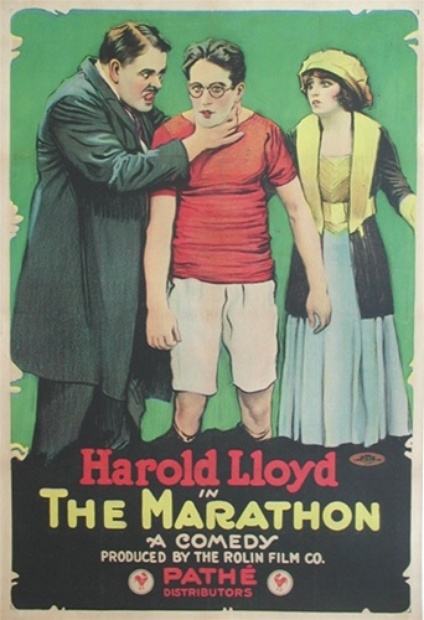
Alfred J. Goulding
Community
Log in to comment.
" Imagine, if you will, a world where the clatter of a tin can ricochets like a bullet through cathedral-high aisles of crackers and condensed milk. That world is Short Weight, a one-reel miracle that Alfred J. Goulding stitched together in 1922, when most studios were still fumbling with the grammar of visual comedy. The film is only eighteen minutes long, yet it carries the emotional ballast of a Russian novel and the kinetic snap of a Buster Keaton set-piece—except the real star is Brownie, a..."

Deep dive into the cult classic
Discover similar cinematic experiences
A Directorial Spotlight on Alfred J. Goulding