DbcultAccessing Vault...
6.5/10
Senior Film Conservator
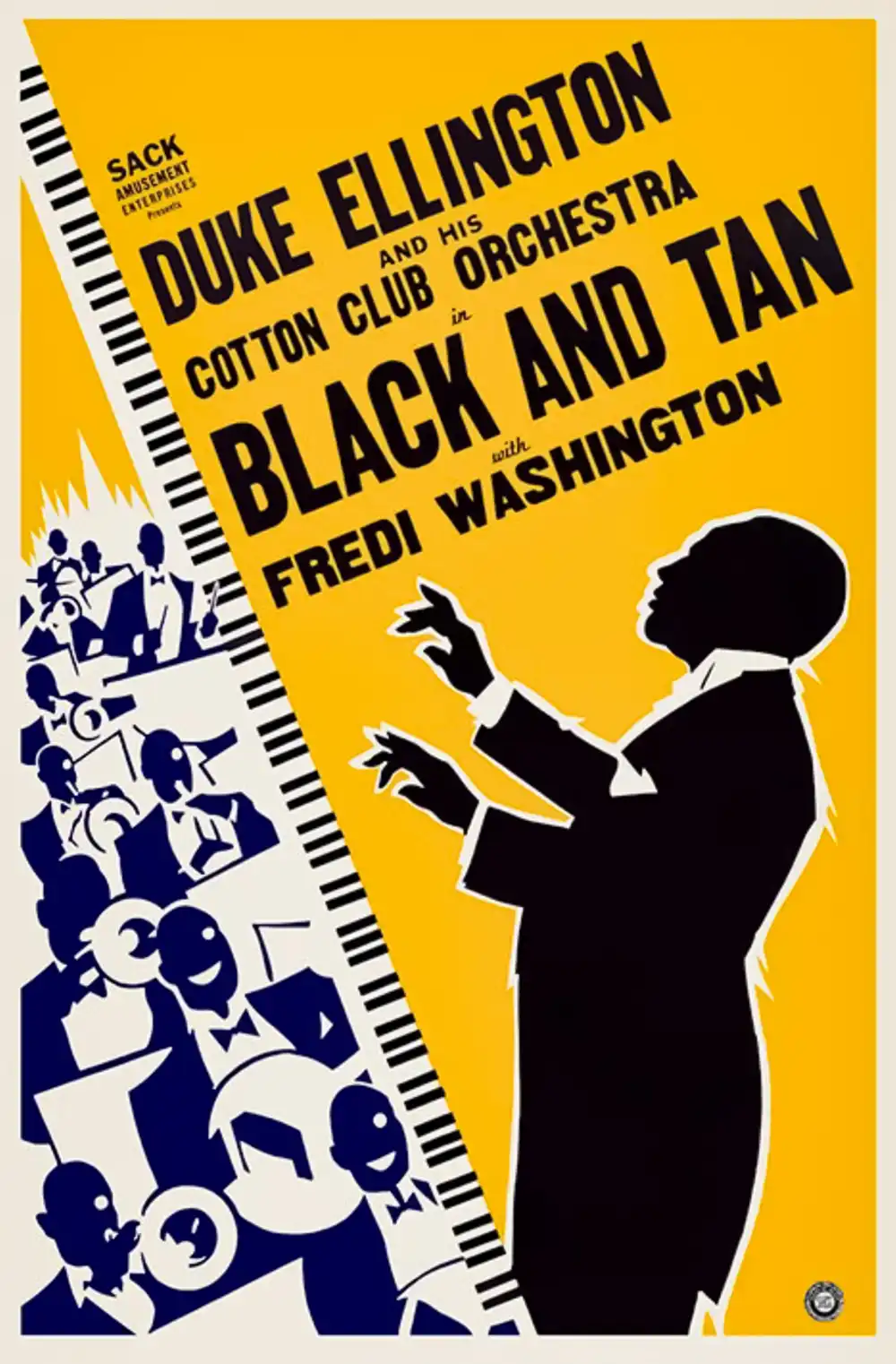
A definitive 6.5/10 rating for a film that redefined the boundaries of cult cinema. Black and Tan remains a cornerstone of transgressive art.
If you have about twenty minutes and want to see what Harlem looked like in a dream back in 1929, you should watch this. It is definitely worth your time, mostly because the music is incredible and the ending is weirdly haunting. Jazz fans will love it, but people who want a happy, lighthearted musical might find the ending a bit of a bummer.
It starts off kind of slow with Duke and another guy practicing at a piano. They are broke, which you can tell because two guys show up to repossess the piano. The repo men are basically there for comic relief, but it feels a little awkward compared to the rest of the movie.
They have this whole back-and-forth about the piano that goes on for a bit. Then Fredi Washington walks in and saves the day by giving them a bottle of gin. It is a very specific, old-school way of solving a problem. She looks amazing here, by the way. Fredi has this energy that just eats up the screen every time she moves.
The plot is pretty thin, but that is fine for a short. Duke is a struggling musician and Fredi is a dancer who has a bad heart. She is not supposed to dance, but they need the money for his big show. You can see where this is going from a mile away, but it still works because the atmosphere is so thick.
There is this one scene in the club where the camera goes all blurry and weird. It is meant to show Fredi getting dizzy while she is dancing. It is actually pretty effective for 1929. The movie stops being a standard musical and starts feeling like a horror film for a second.
I noticed that the extras in the club scenes look like they are having a genuine blast. Usually, in these old shorts, the crowds look stiff like they are waiting for lunch. Not here. The dancing is fast and feels dangerous, like someone might actually get kicked in the head. It is much more lively than something like The Americano which feels very staged in comparison.
Duke Ellington is just... cool. He doesn't have to do much. He just sits at the piano and looks like he owns the entire room. His suit is perfect. His hair is perfect. Even when he is supposed to be sad, he has this dignity that is impossible to fake.
The music is the real star, obviously. "Black and Tan Fantasy" plays and it is just soulful and grimy in the best way. It is not that polished, polite jazz you hear in elevators. It sounds like it has dirt under its fingernails.
When Fredi finally collapses, the movie takes a hard turn. The lighting gets really dark. They move her to a bed, and the Hall Johnson Choir comes in. They stand in the shadows and sing while Duke plays the piano next to her. It is super moody.
The shadows on the wall are massive. It looks like something out of an old German expressionist movie, which I did not expect from a jazz short. The way the shadows of the singers stretch across the room is probably the best part of the whole film. It makes the room feel ten times bigger and emptier at the same time.
I think the ending might be a little too long for some people. They keep singing and singing while she is fading away. It is supposed to be emotional, but it almost becomes a bit hypnotic. You kind of forget you are watching a story and just get lost in the sound.
There is a weird moment where the camera lingers on a glass of water on the nightstand. I don't know why. It just sits there for a few seconds too long. Maybe they were waiting for a cue? It is one of those small mistakes that makes the movie feel more real.
If you compare this to other shorts from the time, like maybe Smith's Holiday, this feels way more artistic. It is trying to be more than just a filmed performance. It wants to be a tragedy.
Fredi Washington’s performance at the very end is pretty gut-wrenching. She doesn't overact it too much. She just looks tired. It is a very grounded way to play a death scene in an era where everyone usually flailed around.
One thing that bothered me was the sound quality, but what do you expect from 1929? Sometimes the piano sounds a bit tinny. But when the brass kicks in, it still hits you right in the chest. You can tell why Duke was a big deal even back then.
It is a strange little movie. It goes from a comedy about a piano being stolen to a deep, dark meditation on death in like fifteen minutes. That kind of tonal whip-lash is something you don't see much anymore. It is messy but in a way that feels human.
I would say watch it for the visuals alone. Even if you mute it (don't do that, the music is great), the way they use light and dark is better than most big-budget movies today. It feels like someone actually cared about where the camera was sitting.
Anyway, it is on YouTube usually. It is short enough that you can watch it while you eat a sandwich. Just don't expect to feel super happy when it is over. It is a beautiful, jazzy bummer. 🎺
IMDb —
1922
Community
Log in to comment.