DbcultAccessing Vault...
7.6/10
Senior Film Conservator
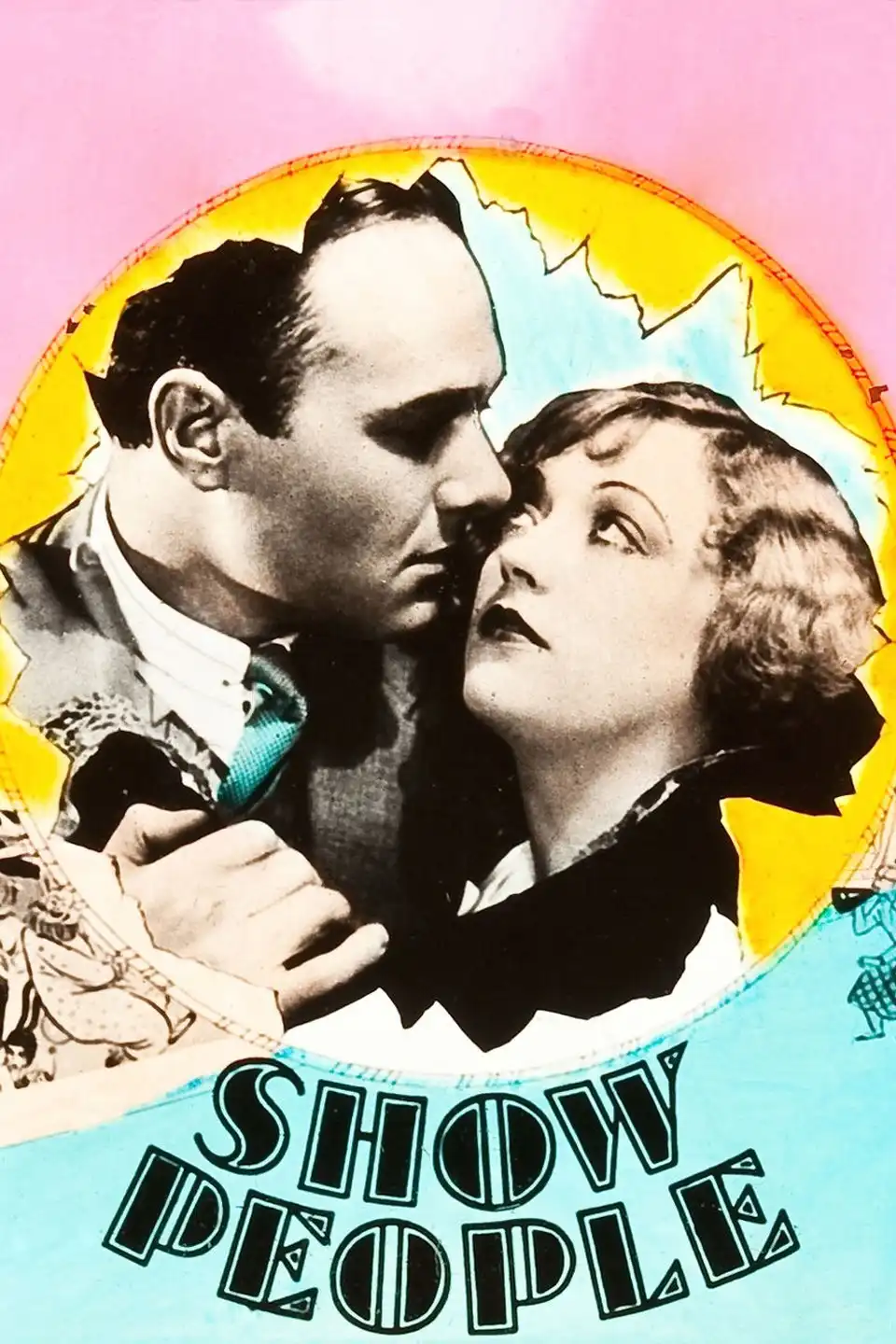
A definitive 7.6/10 rating for a film that redefined the boundaries of cult cinema. Show People remains a cornerstone of transgressive art.
If you have ever harbored the suspicion that silent films are nothing but dusty relics of exaggerated pantomime and melodramatic weeping, Show People is the film that will prove you wrong. It is absolutely worth watching today, not just as a historical curiosity, but as a genuinely funny, sharply observed satire of the entertainment industry that feels remarkably contemporary. It is a film for anyone who enjoys 'behind the scenes' stories or meta-commentary on celebrity culture. Those who demand high-stakes action or gritty realism will likely find it too light, but for everyone else, it’s a masterclass in comedic timing.
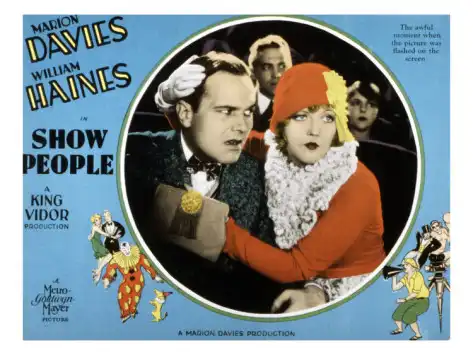
The biggest revelation here is Marion Davies. For decades, her reputation was unfairly tarnished by her association with William Randolph Hearst and the lingering (and incorrect) assumption that she was the inspiration for the talentless Susan Alexander in Citizen Kane. In Show People, Davies dismantles that myth entirely. Playing Peggy Pepper, she displays a level of physical comedy that rivals the greats of her era.
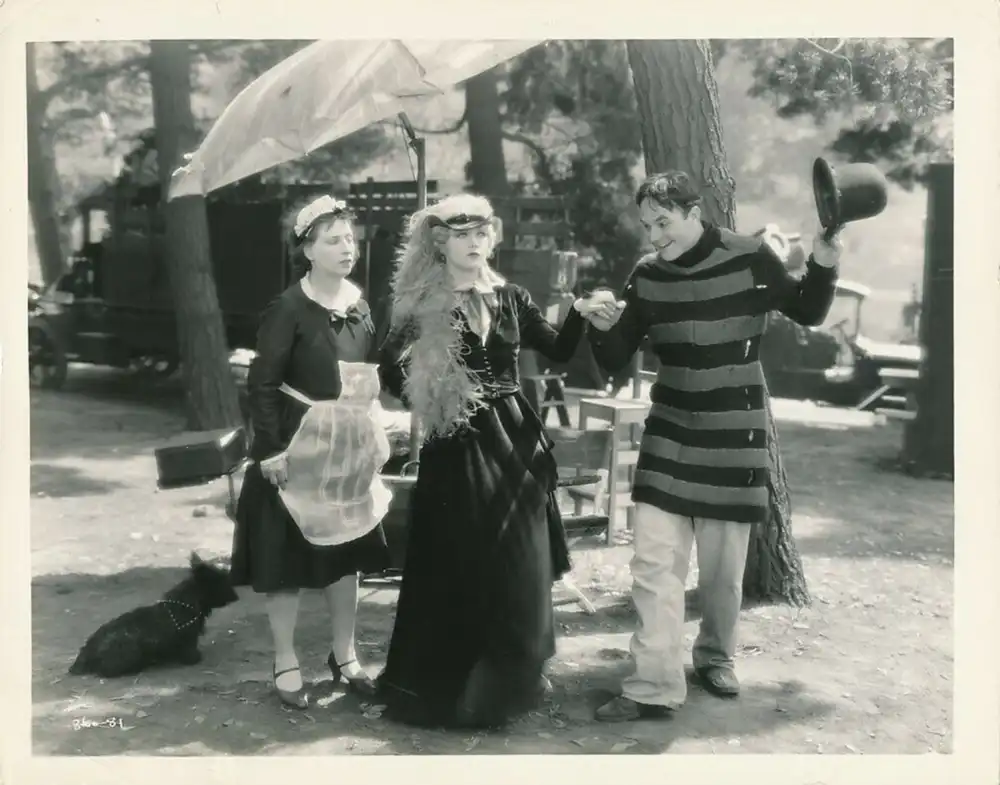
There is a specific scene early on where Peggy is trying to prove her dramatic range to a casting director. She cycles through a series of 'expressions'—grief, joy, terror, seduction—with such rapid-fire, grotesque intensity that it becomes a parody of the very medium she’s trying to break into. Davies isn't afraid to look ridiculous. Whether she’s getting sprayed in the face with a seltzer bottle or trying to maintain her dignity while her oversized hat is buffeted by a wind machine, she possesses a self-deprecating charm that few 'serious' actresses of the 1920s would have dared to exhibit.
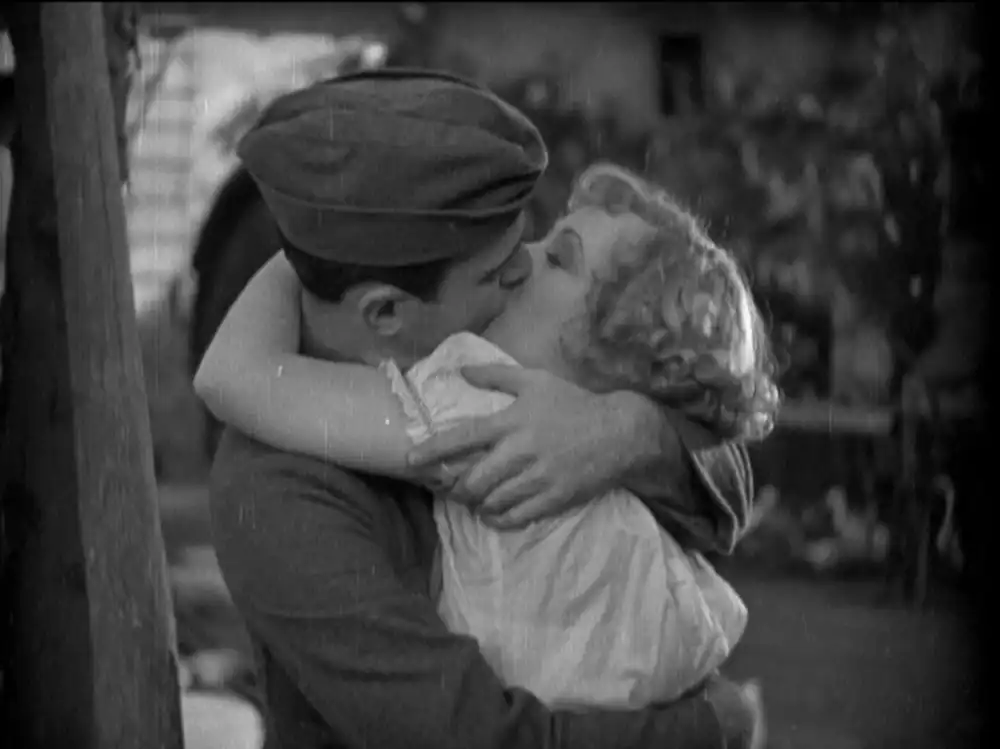
King Vidor directs with a fluid, energetic style that keeps the pacing tight. The film captures the chaotic energy of the MGM lot, and the way it handles the transition from silent-era slapstick to 'prestige' drama is brilliant. We see Peggy move from the lowly comedy sets—where she is literally treated like a prop—to the hushed, pretentious atmosphere of a high-society drama.
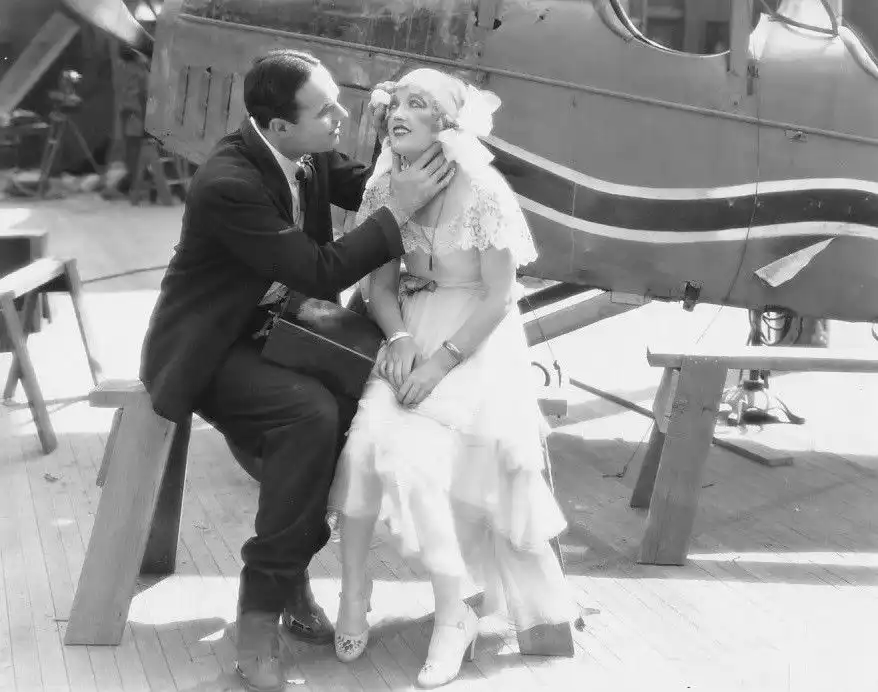
The shift in her character is visible in her posture and her wardrobe. As Peggy Pepper, she is bouncy and tactile; as Patricia Pringle, she becomes stiff, draped in heavy furs and an even heavier sense of self-importance. This transition highlights a recurring theme in Hollywood: the idea that 'important' art must be humorless. Peggy’s attempt to cry on command by thinking of her dead dog is a classic bit of business, but Vidor adds a layer of cynicism by showing the musicians on set playing sad violin music just to help her get there. It’s a fake emotion for a fake audience.
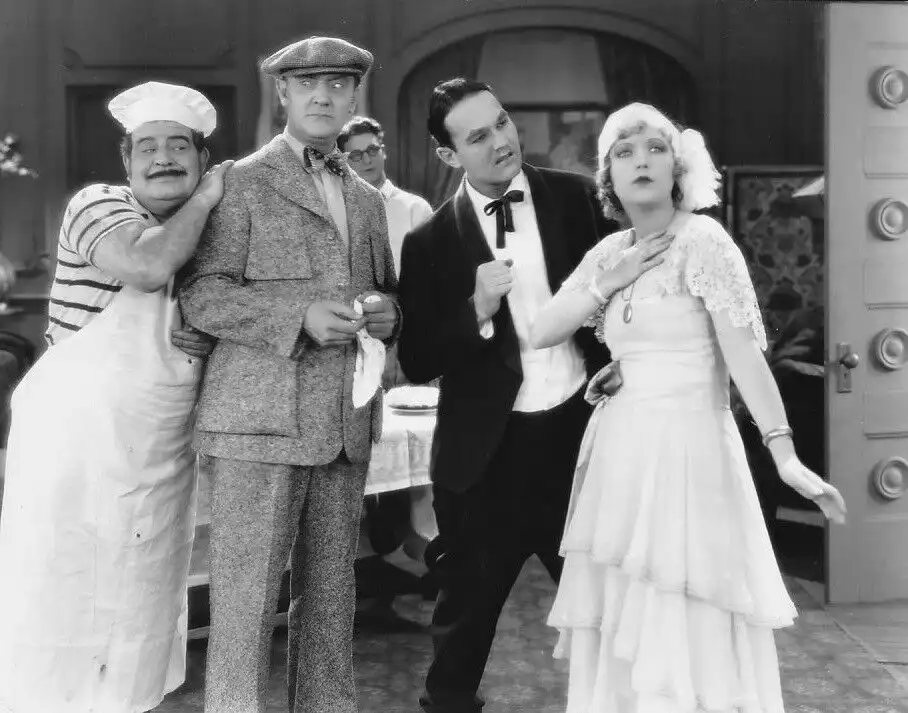
One of the most effective visual choices is the use of the Hollywood landscape itself. The sequence where Peggy and her father drive down Sunset Boulevard in their beat-up car, dwarfed by the massive billboards of stars they hope to emulate, perfectly captures the scale of the industry.
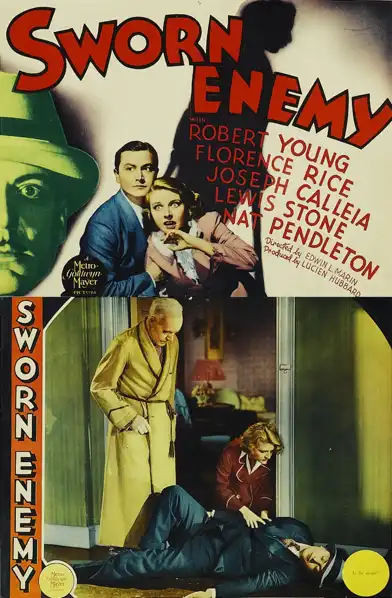
The film is also famous for its cameos, but they aren't just empty fan service. When Peggy sits in the studio commissary and fails to recognize Charlie Chaplin—treating him like a bothersome autograph seeker—it’s a pointed joke about her growing ego. She is so blinded by her own 'stardom' that she can't see the actual legends standing right in front of her. While some films of the era, like Quicksands, played their melodrama with a straight face, Show People leans into the artifice. Even the theatricality often seen in international productions like La secta de los misteriosos is the exact kind of performative 'high art' that Peggy tries—and fails—to replicate with any sincerity.
The film does drag slightly in the middle of the third act when Peggy’s arrogance reaches its peak. The 'Patricia Pringle' persona is meant to be annoying, but the film spends just a few minutes too long in her company before the inevitable reality check arrives. However, the chemistry between Davies and William Haines (playing Billy Boone, the slapstick actor who loves her) keeps the emotional stakes grounded. Haines plays the 'straight man' to Davies’ antics with a relaxed, modern screen presence that makes many of his contemporaries look stiff by comparison.
The editing rhythm during the comedy-set sequences is particularly impressive. The 'film within a film' moments are edited to look like the frantic, low-budget shorts of the time, creating a sharp contrast with the more elegant, sweeping camera movements used for Peggy’s later dramatic scenes. It’s a subtle way of showing how the industry’s technical polish often masks a lack of soul.
Show People is a rare silent film that doesn't feel like a chore to sit through. It’s a bright, cynical, yet ultimately affectionate look at the business of making movies. If you want to see a side of Marion Davies that the history books often overlook, or if you just want to see a 1920s take on the 'a star is born' trope that doesn't end in a tragic spiral, this is the film. It reminds us that the ego of a movie star is a timeless constant, and that the best way to handle it is usually with a well-aimed custard pie.
IMDb 5.4
1929
Community
Log in to comment.