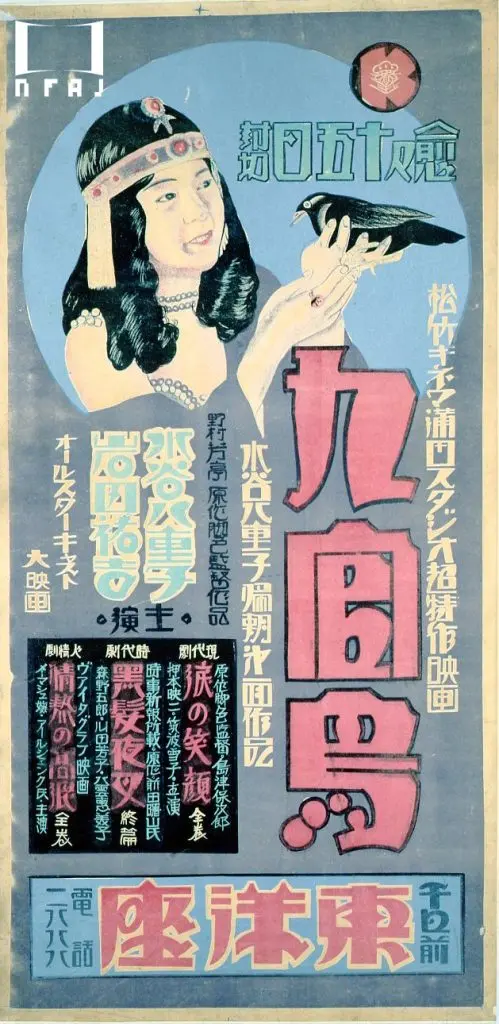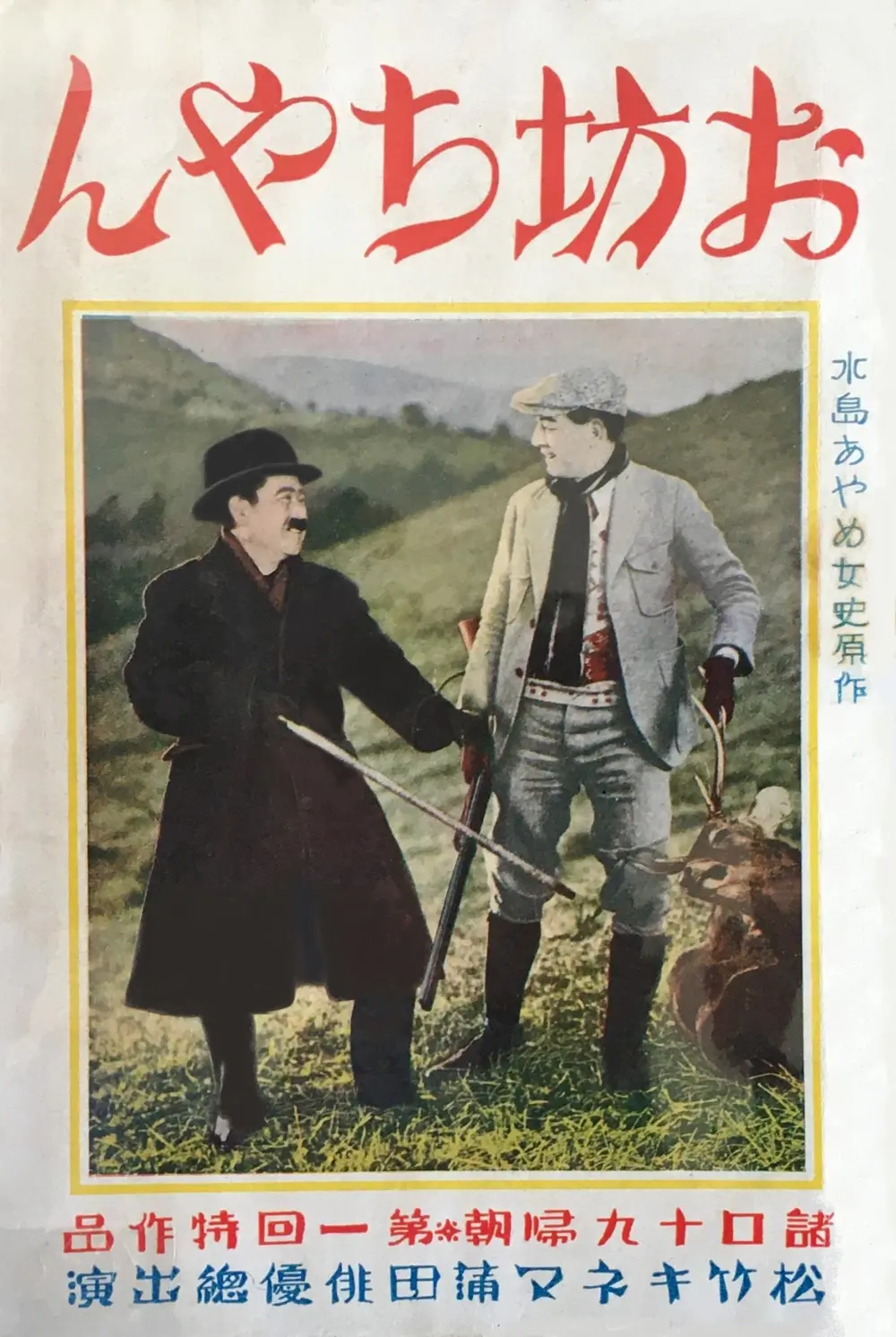
Is Obo-chan worth your time in the modern era? Short answer: Yes, but primarily as a foundational text for those who want to understand the evolution of the Japanese 'shomin-geki' (common people drama).This film is for the patient cinephile who finds beauty in the architecture of a scene rather than the speed of its pl...

Comparing the cinematic DNA and archive impact of two defining moments in cult history.
Yasujirō Shimazu
William Parke
Community
Log in to comment.
"Is Obo-chan worth your time in the modern era? Short answer: Yes, but primarily as a foundational text for those who want to understand the evolution of the Japanese 'shomin-geki' (common people drama).This film is for the patient cinephile who finds beauty in the architecture of a scene rather than the speed of its plot. It is emphatically not for those seeking the kinetic energy of contemporary blockbusters or even the high-style artifice of early Hollywood silents like The Carpet from Bagdad...."
Yasujirō Shimazu, Momosuke Yoshida, Ayame Mizushima
Japan