There are films that tell stories, and then there are films that evoke experiences, that whisper truths rather than shout them. Daichi wa hohoemu: Kôhen, or 'The Earth Smiles: Part 2,' unequivocally belongs to the latter category. From its very title, one is invited into a world where the natural order dictates th...
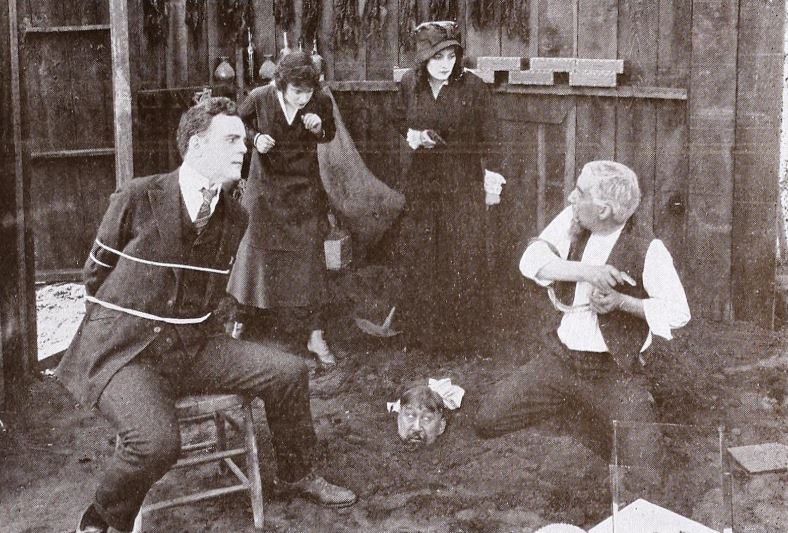

Comparing the cinematic DNA and archive impact of two defining moments in cult history.
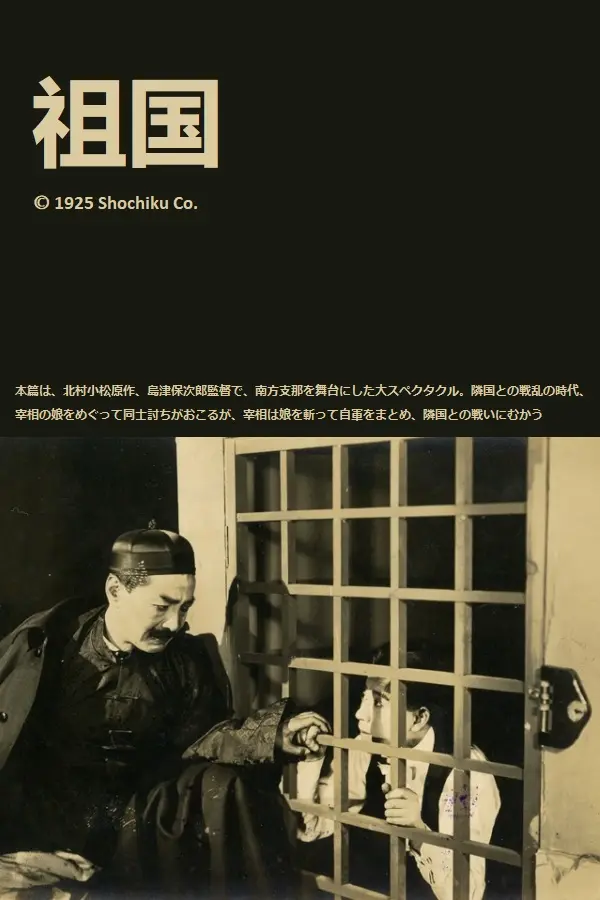
Yasujirō Shimazu

Dallas M. Fitzgerald
Community
Log in to comment.
" There are films that tell stories, and then there are films that evoke experiences, that whisper truths rather than shout them. Daichi wa hohoemu: Kôhen, or 'The Earth Smiles: Part 2,' unequivocally belongs to the latter category. From its very title, one is invited into a world where the natural order dictates the rhythm of human life, where the land itself is not merely a backdrop but an active, breathing character, shaping destinies and mirroring the quiet resilience of its inhabitants. ..."
Toshitaka Furukawa
Momosuke Yoshida
Japan


Deep dive into the cult classic
Discover similar cinematic experiences
A Directorial Spotlight on Yasujirō Shimazu