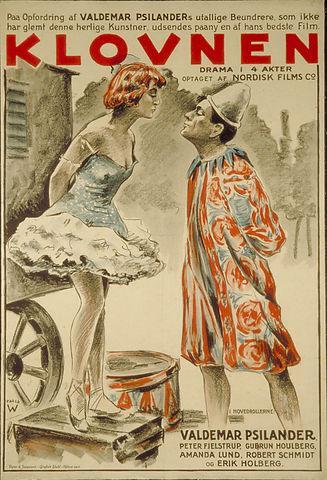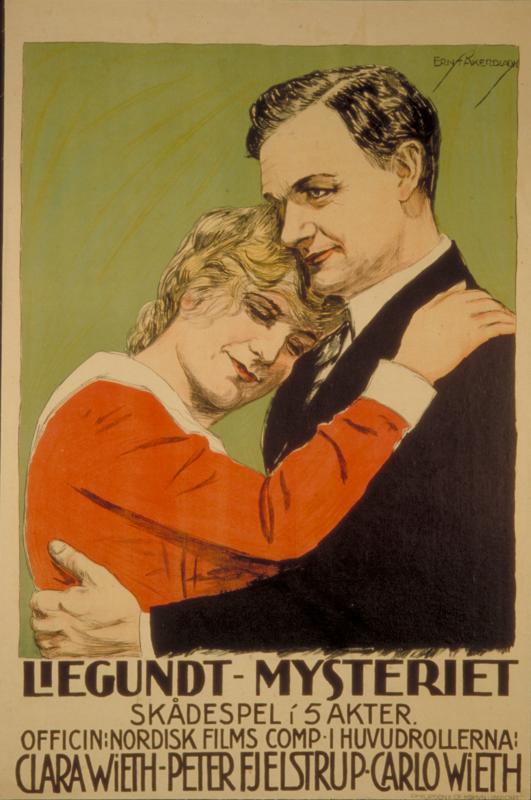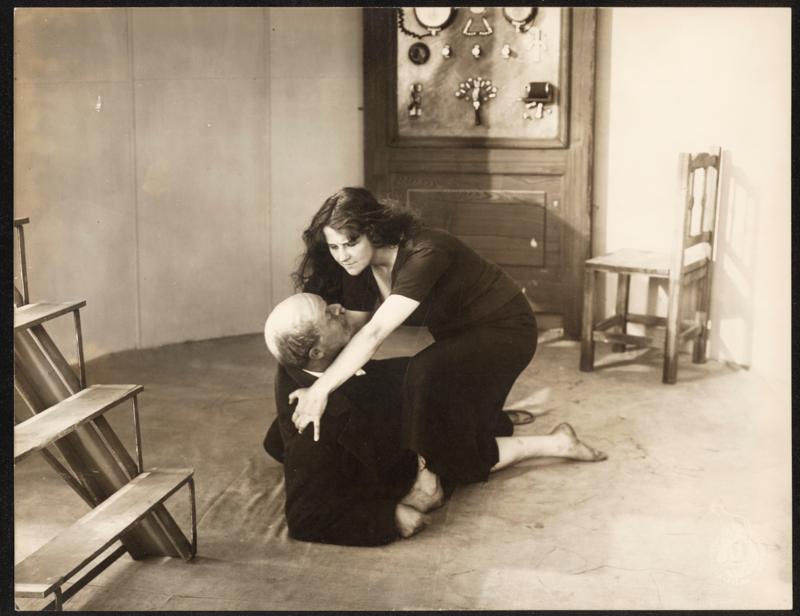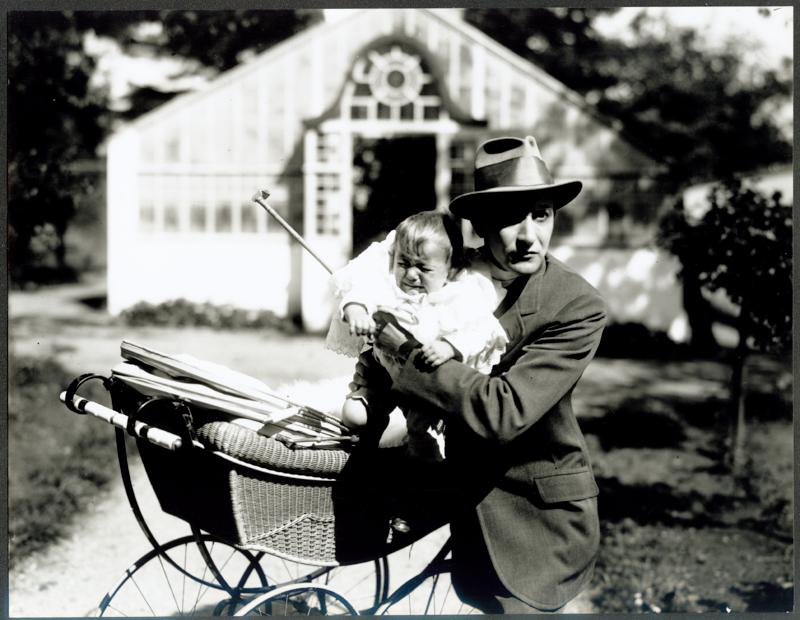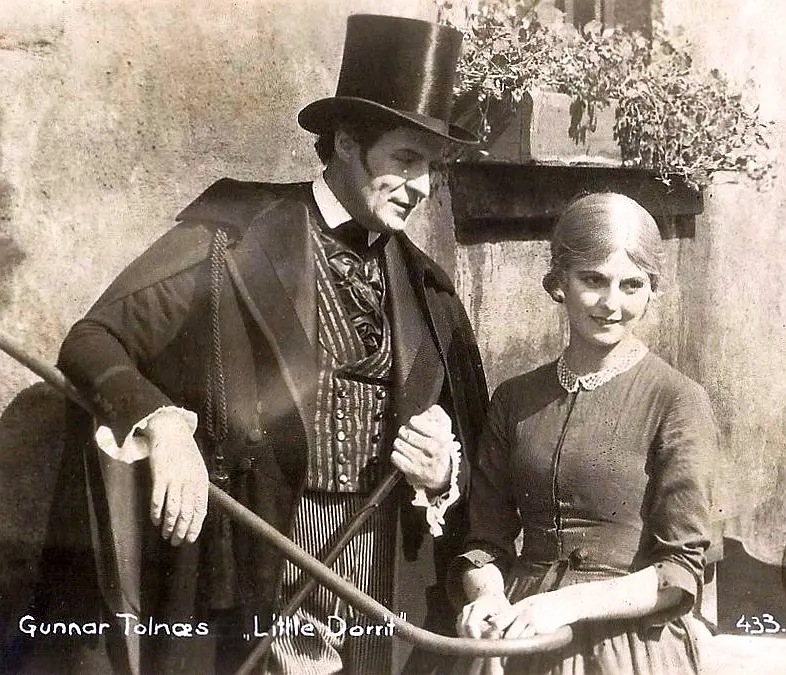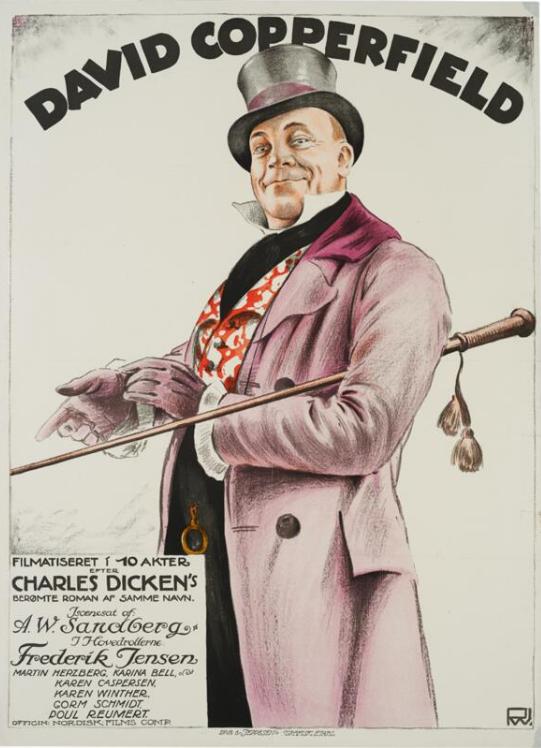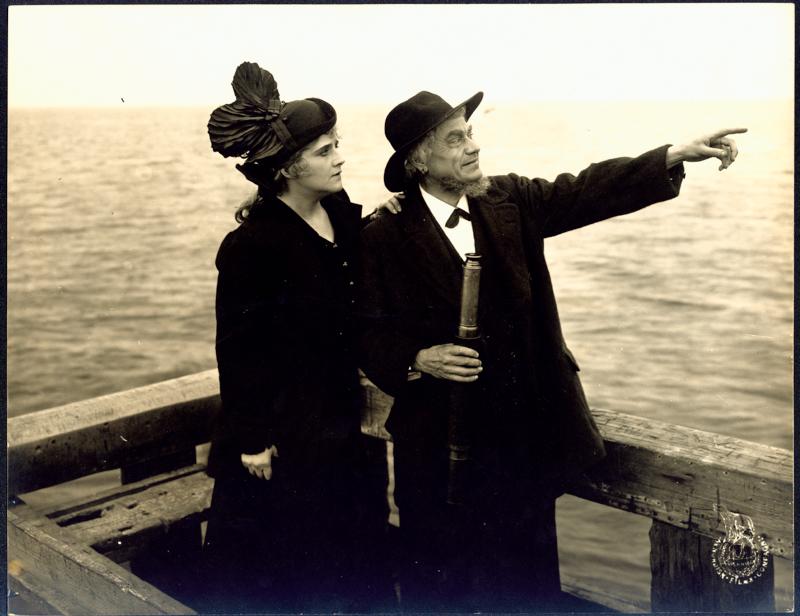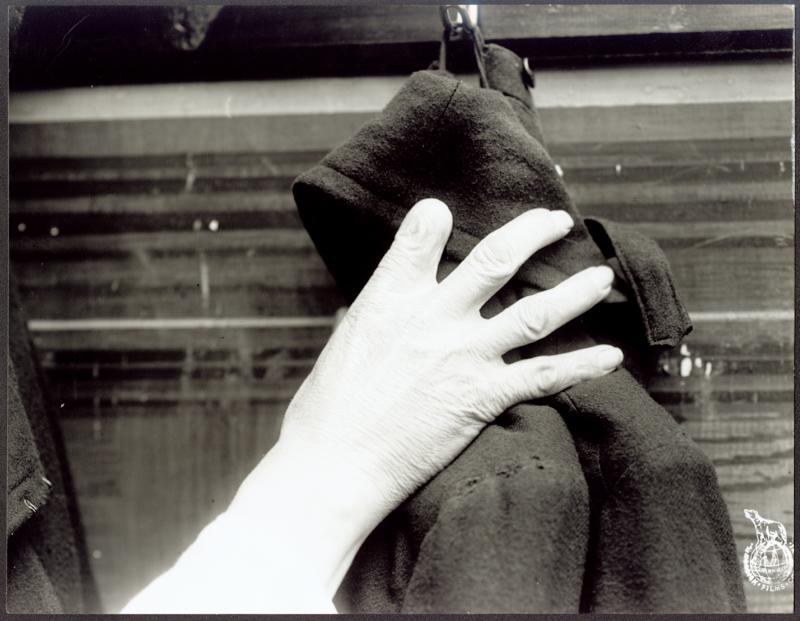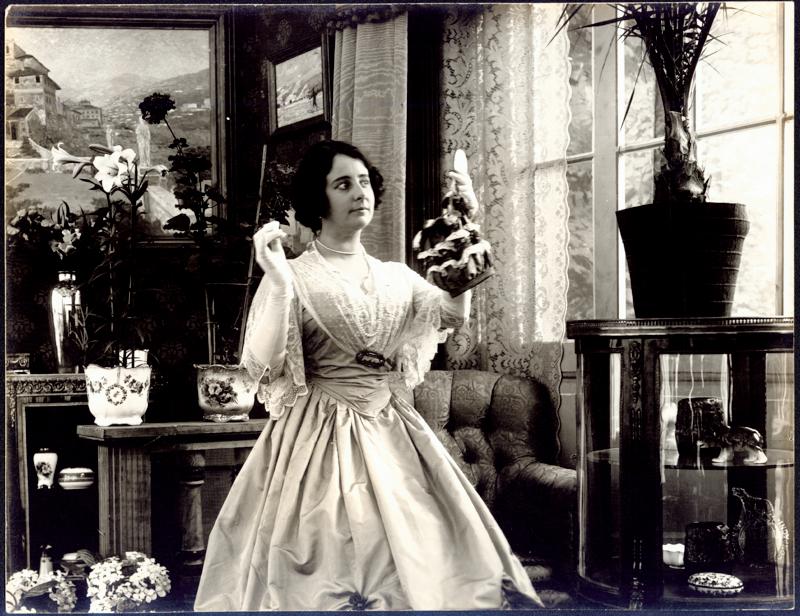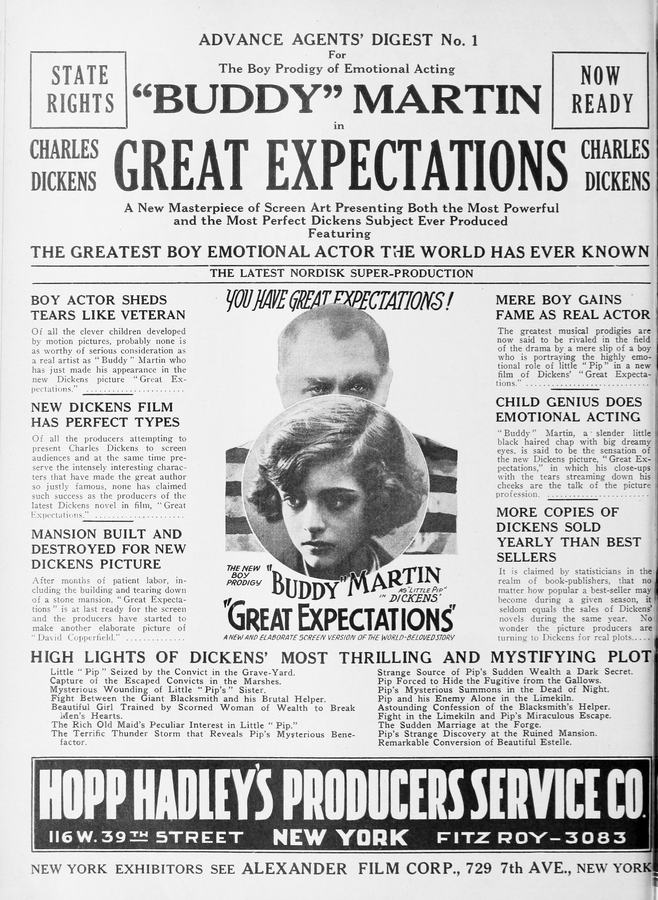
Adaptation of Great Expectations, one of four Dickens films made at Nordisk in Denmark between 1921 and 1924..
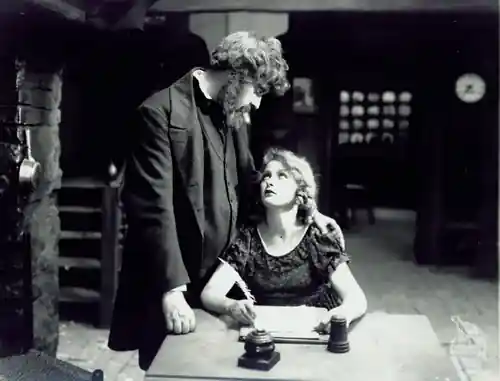
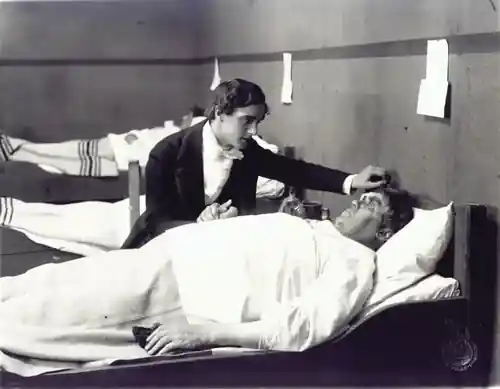
There is a moment halfway through Store forventninger when the candle snuffs itself out on the cutting-room floor, and the screen goes so dark you can hear the celluloid breathing. It is 1922, Copenhagen is rationing coal, and Nordisk Film has decided to exhume Dickens’s most corrosive parable of class lust. What emer...

still_frame
still_frame

still_frame
still_frame

still_frame

still_frame

still_frame

still_frame
Comparing the cinematic DNA and archive impact of two defining moments in cult history.
A.W. Sandberg
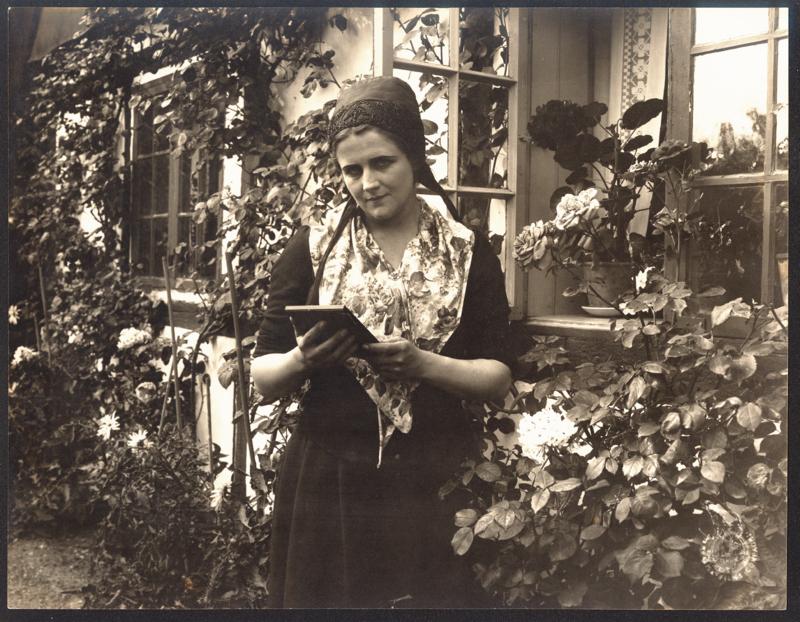
A.W. Sandberg
Community
Log in to comment.
" There is a moment halfway through Store forventninger when the candle snuffs itself out on the cutting-room floor, and the screen goes so dark you can hear the celluloid breathing. It is 1922, Copenhagen is rationing coal, and Nordisk Film has decided to exhume Dickens’s most corrosive parable of class lust. What emerges is not the polite BBC retelling your schoolteacher wheeled in on a rattly cart, but a hypothermic hallucination: faces bleached by arc-lights, pockets heavy with counterfeit co..."
Olga Belajeff
Laurids Skands, Charles Dickens
Denmark
Deep dive into the cult classic
Discover similar cinematic experiences
A Directorial Spotlight on A.W. Sandberg