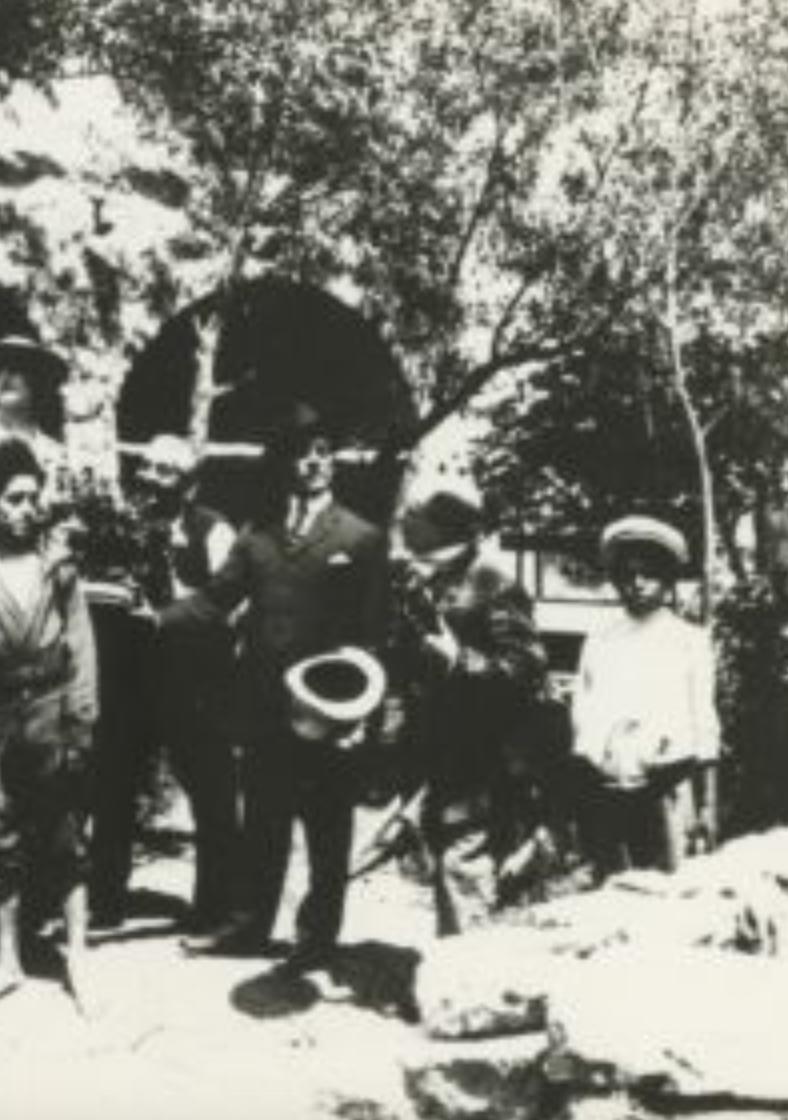
To witness Such Is Life in Munich is to step through a temporal fissure into a world that was as much an illustration as it was a reality. Henry 'Hy' Mayer, a man whose nib was sharper than most sabers of his era, offers us a glimpse into a Bavarian idyll that feels simultaneously ancient and startlingly modern...
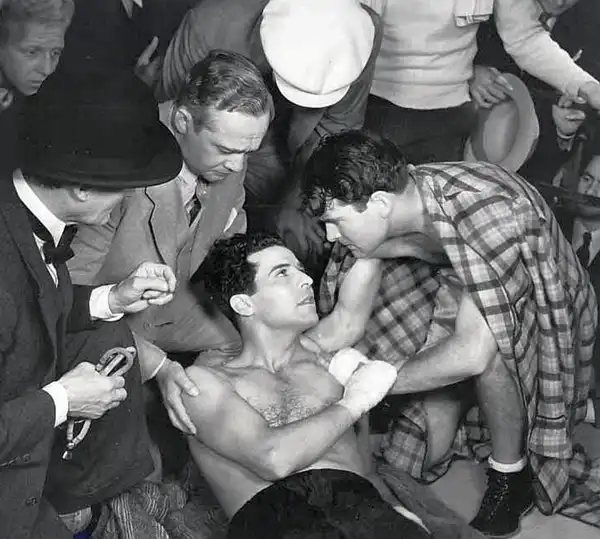

Comparing the cinematic DNA and archive impact of two defining moments in cult history.
Henry 'Hy' Mayer

Richard Smith
Community
Log in to comment.
" To witness Such Is Life in Munich is to step through a temporal fissure into a world that was as much an illustration as it was a reality. Henry 'Hy' Mayer, a man whose nib was sharper than most sabers of his era, offers us a glimpse into a Bavarian idyll that feels simultaneously ancient and startlingly modern. This 1914 curiosity is not merely a travelogue; it is a manifestation of the flâneur's philosophy, where the act of looking is elevated to a high art form. Mayer does not just re..."


Deep dive into the cult classic
Discover similar cinematic experiences
A Directorial Spotlight on Henry 'Hy' Mayer