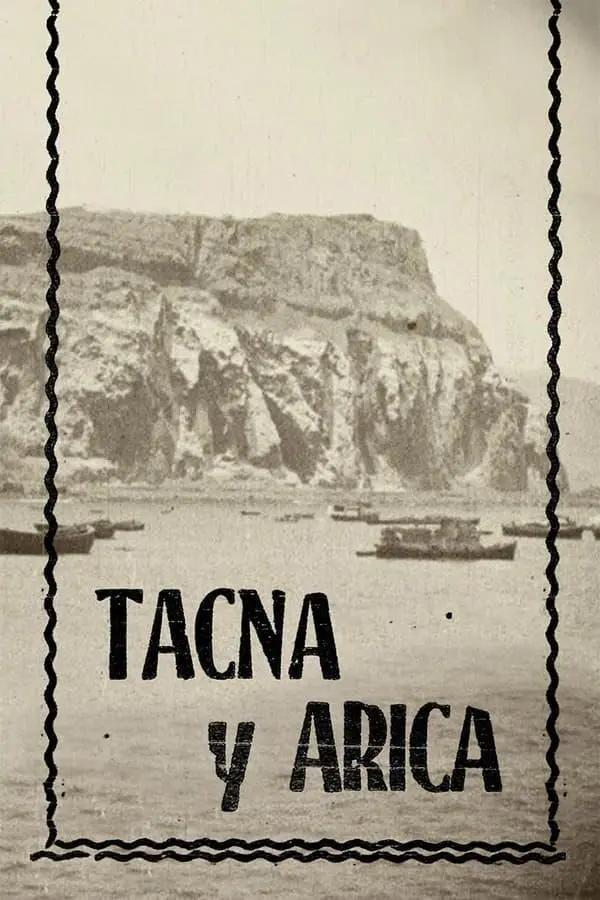
Is Tacna y Arica worth your time in the modern era? Short answer: yes, but only if you approach it as a historical artifact rather than a piece of entertainment.This film is for historians, students of early South American cinema, and those fascinated by how governments weaponize the camera. It is absolutely NOT for an...

Comparing the cinematic DNA and archive impact of two defining moments in cult history.
Renée Oro
Claude Friese-Greene
Community
Log in to comment.
"Is Tacna y Arica worth your time in the modern era? Short answer: yes, but only if you approach it as a historical artifact rather than a piece of entertainment.This film is for historians, students of early South American cinema, and those fascinated by how governments weaponize the camera. It is absolutely NOT for anyone looking for a traditional narrative, character arcs, or the escapism found in films like The Dream Cheater.The Core Verdict1) This film works because it provides an unfiltered..."