DbcultAccessing Vault...
Cult Review
Senior Film Conservator

In the annals of early cinema, certain films emerge not just as historical artifacts but as resonant narratives that speak across generations, their silent frames echoing with universal truths. Marion Fairfax's Common Ground, a 1916 production, stands as one such testament—a sprawling melodrama that deftly intertwines themes of social injustice, personal redemption, and the transformative power of genuine affection. It's a film that, despite its century-old vintage, offers a surprisingly nuanced critique of societal hypocrisy, all wrapped in a narrative that is both poignant and gripping. Far from a mere historical curiosity, this picture presents a rich tapestry of human experience, demanding a closer look beyond the typical silent film appreciation.
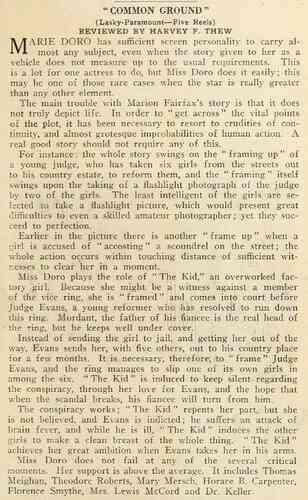
At its core, Common Ground is a tale of disparate worlds colliding, forced into an unlikely symbiosis by fate and circumstance. We are introduced to 'The Kid,' portrayed with a compelling blend of innocence and streetwise resilience by Marie Doro. She's a denizen of the squalid tenements, her days spent in an artificial flower factory, her hands adept at the mundane task of 'slipper-on.' Yet, The Kid is no ordinary slum waif; she possesses a hat, a truly outlandish, almost architectural marvel that serves as both a shield and a statement, a flamboyant symbol of her identity in a world that seeks to erase it. This sartorial monstrosity, an object of envy and derision, becomes a silent character in itself, mirroring The Kid's own journey of self-discovery and transformation.
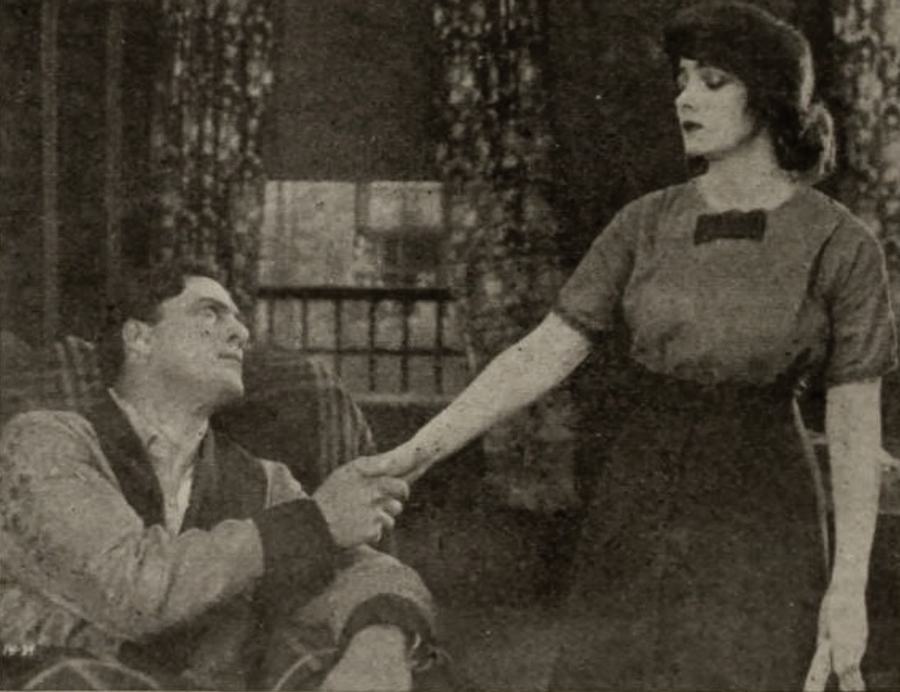
Into this stark reality steps Judge Evans, played by the stoic yet earnest Thomas Meighan. He is not merely a figure of authority but an idealist, a man driven by a profound conviction in justice and a desire to unearth the rot at the heart of the city. His self-imposed residency in the tenement district is a bold, almost quixotic quest to dismantle a powerful vice ring, a network of 'social and political parasites' that preys on the vulnerable. This noble endeavor, however, is fraught with a deeply personal conflict: the ringleader, Mordant, is the father of Doris, the woman to whom Evans is engaged. This revelation immediately injects a potent dose of dramatic irony, setting the stage for a tragic collision of duty and personal entanglement.
Mordant, realizing that Evans poses an existential threat to his illicit empire, orchestrates a sinister plot. With the aid of unscrupulous politicians, he frames The Kid, whom Evans has encountered in the tenements, for soliciting. This pivotal moment thrusts The Kid into Evans's court, a stark confrontation between the purity of his ideals and the harsh realities of the world he seeks to reform. True to his belief that 'there is some good in all of 'em,' Evans offers an unconventional path to rehabilitation: he sends The Kid and five companions to his farm for three months, a pastoral reprieve from the urban jungle. This act of mercy, however, is swiftly corrupted by Mordant, who dispatches a 'woman of the streets' amongst them, armed with money and a camera, her mission to secure a compromising picture of the judge.
The idyllic setting of the farm becomes a hotbed of intrigue. The Kid, ever observant, uncovers the insidious scheme to disgrace Evans. Initially, her moral compass points towards revelation, but the conspirators, with cunning manipulation, sway her. They promise that exposing Evans's engagement to Doris would clear the path for his affections to turn towards her. The Kid's nascent love for the judge, a tender and profoundly sincere emotion, proves to be her Achilles' heel, leading her to acquiesce to their silence. This moment is a masterclass in psychological manipulation, highlighting how even the purest intentions can be twisted by external pressures and naive desire. It echoes the moral ambiguities explored in other silent-era dramas, such as Leah Kleschna, where characters grapple with difficult choices in a world of shifting moral landscapes.
The plot unfolds with predictable tragedy: Evans is disgraced, his reputation in tatters, and he falls gravely ill. It is during this nadir that The Kid's true character shines. Her devotion, 'as pitiful as it is sincere,' becomes his anchor. She nurses him back to health, and in the quiet crucible of his recovery, Evans learns to see beyond her humble origins, recognizing the profound goodness and strength within the 'child of the slums.' This period of intimate care marks a crucial turning point, fostering a deep, unspoken bond between them.
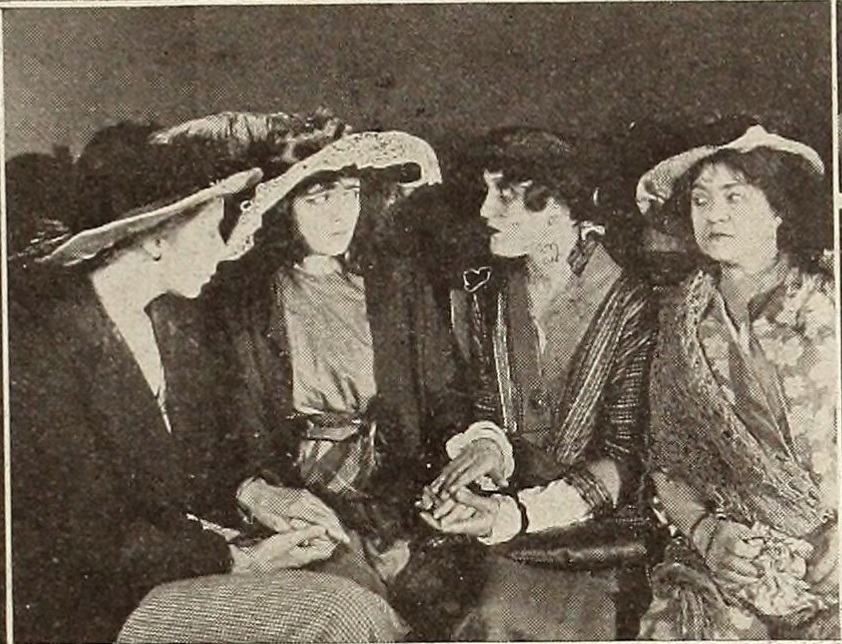
Yet, The Kid, in her innocence, misinterprets Evans's lingering sadness, believing he pines for Doris. This misconception fuels her next, decisive action. Compelling her companions to confess the truth, she marches them to the District Attorney's office. In a dramatic confrontation before Mordant, Doris, Evans, and other key figures, she makes a 'clean breast of the whole affair.' This moment of courageous honesty is the film's catharsis, a powerful testament to the redemptive force of truth. The revelation shatters Evans's illusions about Doris, his love for her irrevocably dead. He turns to The Kid, declaring his profound love for her, a love born not of societal expectations but of shared adversity and genuine connection. This act of moral courage, leading to a dramatic reversal of fortune, brings to mind the intricate twists and turns of justice explored in films like Not Guilty or The Masked Motive, where hidden truths ultimately prevail.
The film culminates in a rather conventional, yet satisfying, resolution. The Kid is placed in the care of a 'competent woman' for a year, a period designed for her refinement and education. Each month, Evans receives a photograph, a visual chronicle of her metamorphosis. These images, showing the gradual transformation of both the girl and her iconic hat, symbolize her journey from the rough-hewn streets to a burgeoning elegance, without losing her innate simplicity. At the end of the year, Evans goes to claim the girl who saved him from ruin, finding her 'the embodiment of refinement and simplicity.' It's a fairy-tale ending, perhaps, but one hard-earned through trials and tribulations, suggesting that true love and character can transcend social barriers and past mistakes. This transformation arc, while perhaps romanticized, speaks to the era's fascination with self-improvement and the idea that environment can be overcome, a theme also touched upon in works like The Cup Winner, which often explored individual striving against odds.
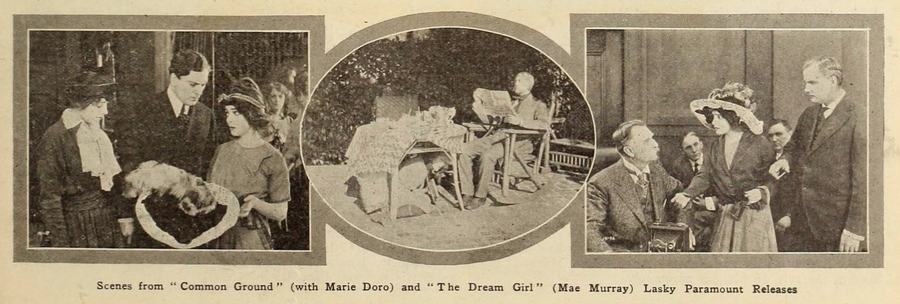
Marie Doro's portrayal of The Kid is undoubtedly the film's beating heart. Her nuanced performance, relying heavily on expressive pantomime and subtle facial cues, imbues the character with a vulnerability and strength that is deeply affecting. She navigates the emotional landscape of the character—from street urchin to devoted caregiver to confident young woman—with remarkable grace. Thomas Meighan, as Judge Evans, provides a solid, earnest counterpoint. His internal struggle between idealism and disillusionment is palpable, even in the absence of spoken dialogue. The supporting cast, including Florence Smythe, Mary Mersch, and Theodore Roberts, effectively fleshes out the world, each contributing to the film's rich atmosphere of intrigue and drama. Marion Fairfax, as both writer and director, demonstrates a keen understanding of narrative pacing and character development, crafting a story that, despite its length, maintains a compelling momentum. Her ability to weave complex moral questions into an engaging plot speaks volumes about her talent during an era when filmmaking was still in its formative stages.
Common Ground is more than just a melodrama; it's a profound commentary on class divisions, the corruption of power, and the enduring human capacity for good. The contrast between the squalor of the tenements and the purity of the farm underscores a central theme: that environment can shape, but not entirely define, character. Judge Evans's journey from detached idealist to someone deeply connected to the human cost of injustice highlights the film's advocacy for empathy and direct engagement with societal problems. The film also explores the complexities of justice, questioning whether legal frameworks alone can achieve true righteousness, or if a deeper, more humanistic approach is required. This pursuit of justice against overwhelming odds is a recurring motif in cinema, seen in later works that tackle systemic corruption and the fight for integrity, even if the cinematic language evolved significantly from the silent era to films like The Edge of the Abyss, which might explore similar moral quandaries in a more modern context.
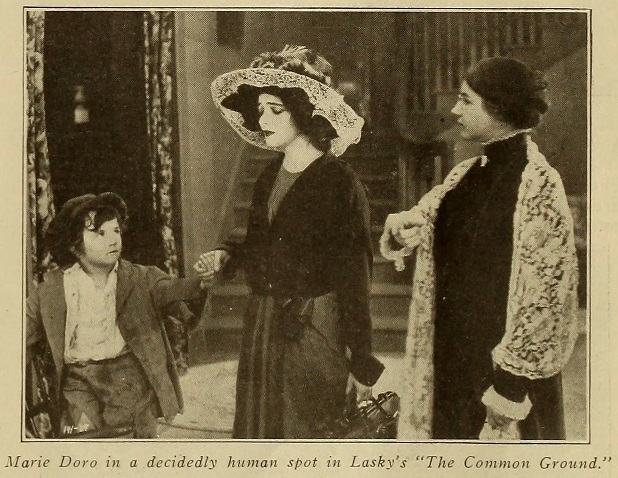
Furthermore, the film's depiction of love transcends mere romanticism. The Kid's devotion to Evans is initially naive, almost childlike, but it matures into a powerful, self-sacrificing force that ultimately redeems him. It's a love that sees beyond social status, past mistakes, and public perception, focusing instead on the intrinsic worth of the individual. This exploration of transformative love, often tested by external forces, is a timeless narrative device, echoing the emotional depth found in other silent films that delved into the human heart, such as Princess Romanoff or The Triumph of an Emperor, albeit through different narrative lenses.
Common Ground, while a product of its time, retains a remarkable capacity to engage and provoke. Its intricate plot, compelling characters, and profound thematic explorations make it a standout example of early American cinema. It reminds us that the struggle for justice, the fight against corruption, and the redemptive power of selfless love are indeed 'common ground' upon which humanity continually treads. For those interested in the evolution of cinematic storytelling, the nuanced performances of the silent era, or simply a compelling human drama, this film offers a deeply rewarding experience. It's a testament to the enduring power of narrative, proving that even without spoken words, a story can resonate with profound emotional depth and intellectual rigor, leaving an indelible mark long after the final frame fades to black.
IMDb —
1929
Community
Log in to comment.